
Cartier Santos Medium vs Large: Finding Your Perfect Fit
It’s not always helpful to look at model specifications alone when comparing Cartier Santos medium vs large. The Cartier Santos Medium has a case size of 35.1mm

Rolex created the first automatic watch in 1931. These watches still stop running when left unworn, despite this breakthrough. Many people find this surprising about a brand known for precision and reliability.
Your Rolex might stop ticking when you take it off at night or during a shower. This happens naturally. A Rolex with full charge runs between 48 and 72 hours off your wrist. The watch stops after this period – a natural behavior for these mechanical masterpieces.
Modern Rolex models have improved by a lot. The Rolex Submariner’s power reserve now lasts an impressive 70 hours. The natural motion that powers your watch stops unless it rests on a winder.
Your Rolex’s performance depends on regular service. Expert watchmakers suggest servicing your timepiece every 3-4 years with regular use, or every 5-6 years with occasional wear. Consider this a vital check-up for your valuable investment.
This detailed piece explores why Rolex watches stop, proper winding and maintenance techniques, and the right time to get professional help for your luxury timepiece.
A complex mechanical engine sits at the core of every Rolex watch and powers its movement. You need to learn how these remarkable timepieces work to understand why they sometimes stop.
Watch movements fall into two main categories: mechanical and quartz. Quartz watches rely on a battery that sends electrical current through a quartz crystal to create precise vibrations. We mainly focused on mechanical watches with automatic (self-winding) movements at Rolex.
Mechanical movements come alive through a complex dance of gears, springs, and components working as one. A wound spring called the mainspring stores and releases energy to power the watch. Quartz movements prove nowhere near as complex, need minimal upkeep beyond new batteries, and contain fewer moving parts.
Your Rolex stops running most often because its mainspring has completely unwound and used up the power reserve. The process works just like a wind-up toy car – you give it energy, the mainspring releases it slowly, and the watch keeps ticking.
On top of that, it might stop due to mechanical problems such as:
Your Rolex will stop eventually after you take it off your wrist. The term “Perpetual” in Rolex Perpetual Movement means the watch runs on energy from your wrist’s motion instead of manual winding.
A free-spinning weight called the rotor makes the self-winding mechanism work. Your daily movements spin this rotor, which transfers energy to the mainspring. This motion stops once you remove the watch.
Current Rolex models can hold their charge between 48-72 hours, depending on which one you have. Newer designs with the Chronergy Escapement can last up to 70 hours. All the same, your Rolex will stop after this time until it gets more energy – either from wearing it again or winding it manually.
Your Rolex works in perfect harmony with you. Every move you make helps your timepiece run better, especially when it comes to keeping its power reserve full.
A Rolex won’t keep running forever in your watch box. Modern Rolex watches can run between 48 and 72 hours. Take off your watch and it will keep ticking for about two to three days before stopping.
Newer Rolex models pack more power in reserve. The Submariner runs for an impressive 70 hours, which means it keeps going all weekend without you wearing it. Older Rolex watches don’t last nearly as long and might stop after just a few hours of sitting still.
A stationary Rolex slowly uses up its stored energy as the mainspring unwinds to power the movement. The watch stops once this energy runs out.
Rolex’s Perpetual movement shows true engineering brilliance with its self-winding system that runs on your wrist movements. Rolex explains it best: “The Perpetual rotor inside the watch gently swings, transferring energy to the mainspring”. The system needs regular motion to keep the energy flowing.
The way you wear your Rolex plays a huge role in how well it keeps time. Automatic models need at least 8 hours of daily wear to perform their best. Your watch might not wind enough if you wear it sporadically or don’t move much during the day.
Long periods without wear can cause more issues than just poor timekeeping. Experts point out that “When the watch is not worn for a long time, the lubricants inside the mechanical watch can dry up, thus causing damage to the movement”.
Watch owners who switch between timepieces or wear their Rolex occasionally should follow these steps:
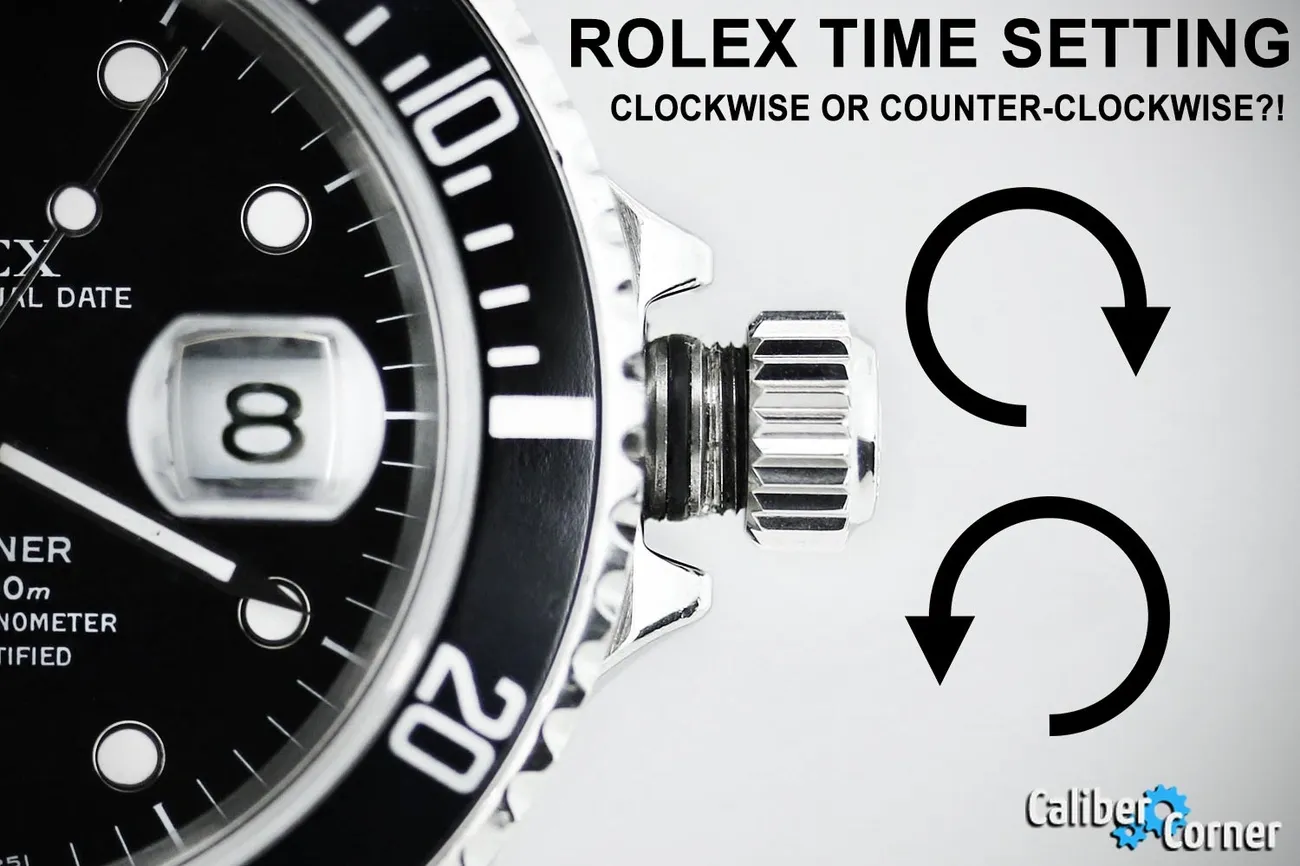
Your Rolex’s crown needs proper handling to keep it working well. Learning the right winding technique will stop your timepiece from failing unexpectedly.
You need to unscrew the crown by turning it counterclockwise until it releases from the case. A Rolex watch’s crown typically has multiple positions: position 0 (fully screwed down), position 1 (winding position), position 2 (date setting), and position 3 (time setting). Water will damage your watch’s waterproof seal if you unscrew the crown underwater.
The movement starts winding when you turn the unscrewed crown clockwise. Rolex recommends at least 25 turns to achieve adequate partial winding. Some experts suggest 30-40 complete rotations will give you a full wind. Modern Rolex watches come with a slip gear that prevents overwinding.
The date setting happens at position 2 – turn the crown clockwise or counterclockwise depending on your model. Time setting occurs at position 3, which stops the seconds hand. Your watch mechanism could break if you change the date between 9 PM and 3 AM. The date changes at midnight, helping you distinguish between AM and PM.
The final step is vital – press the crown toward the case while turning it clockwise until it’s fully secured. A properly screwed-down crown protects your Rolex’s waterproof integrity. The delicate threads need gentle pressure while turning.
Your Rolex might not always work perfectly, even if you wind it correctly. You should know the right steps to take if this happens. This knowledge can save time and prevent bigger problems.
Your Rolex stays still after winding? First, make sure you’ve turned the crown at least 25 times as recommended. You should also check if you feel resistance while winding—no tension could mean a loose mainspring. Any rattling sounds might point to a loose screw or jewel inside the watch.
The next step is to see a professional if these simple fixes don’t work. Don’t try to open or fix your Rolex by yourself because it needs special tools and expert knowledge.
Look out for these warning signs:
Regular maintenance keeps your watch working well and holds its value. Rolex officially suggests servicing newer models every 10 years. Vintage watches might need more frequent care.
These things affect how often you need service:
You should fix any performance issues right away, whatever the official timeline says. This prevents bigger damage down the road.
A Rolex owner needs to understand the watch’s mechanical nature. Knowing why your timepiece stops ticking helps you take better care of this precision instrument. Your stopped Rolex usually means the power reserve is empty rather than pointing to a malfunction.
Your daily habits affect your watch’s performance by a lot. Regular wear gives the Perpetual movement enough motion to work properly. The watch needs manual winding when it sits unused for long periods.
Proper maintenance is the life-blood of your Rolex’s longevity. You should wind your watch correctly and handle the crown with care. Watch for warning signs like unusual sounds or irregular timekeeping. Regular service intervals will give your timepiece peak performance for decades.
Rolex watches showcase the finest watchmaking engineering but need human interaction to work. The special bond between wearer and watch makes these timepieces unique. Understanding your Rolex’s function and its occasional stops equips you to protect both its performance and value for generations.
Your well-maintained Rolex will be a faithful companion that stops only when its power naturally runs out. It springs back to life easily with a few crown turns or your wrist’s natural motion.
A Rolex watch stops when not worn because it relies on the natural motion of your wrist to wind its mainspring. When stationary, the watch gradually depletes its power reserve, typically lasting 48-72 hours, after which it will stop until worn again or manually wound.
If you wear your Rolex daily for at least 8 hours, it should maintain its power. However, if you don’t wear it regularly, it’s recommended to manually wind it about 25-40 times once a week to keep it running and maintain the lubricants inside the movement.
No, you cannot overwind modern Rolex watches. They are designed with a slip gear mechanism that prevents excess tension on the mainspring, so you can wind without worry of damaging the watch.
Rolex officially recommends servicing every 10 years for newer models. However, older vintage timepieces may require more frequent attention. It’s best to have your watch serviced if you notice any performance issues, regardless of the timeline.
Watch for signs such as noticeable inaccuracy in timekeeping, a stuttering or skipping second hand, moisture under the crystal, difficulty in winding or setting, or unusual noises when the watch moves. If you observe any of these, it’s time to consult a professional.
It’s not always helpful to look at model specifications alone when comparing Cartier Santos medium vs large. The Cartier Santos Medium has a case size of 35.1mm
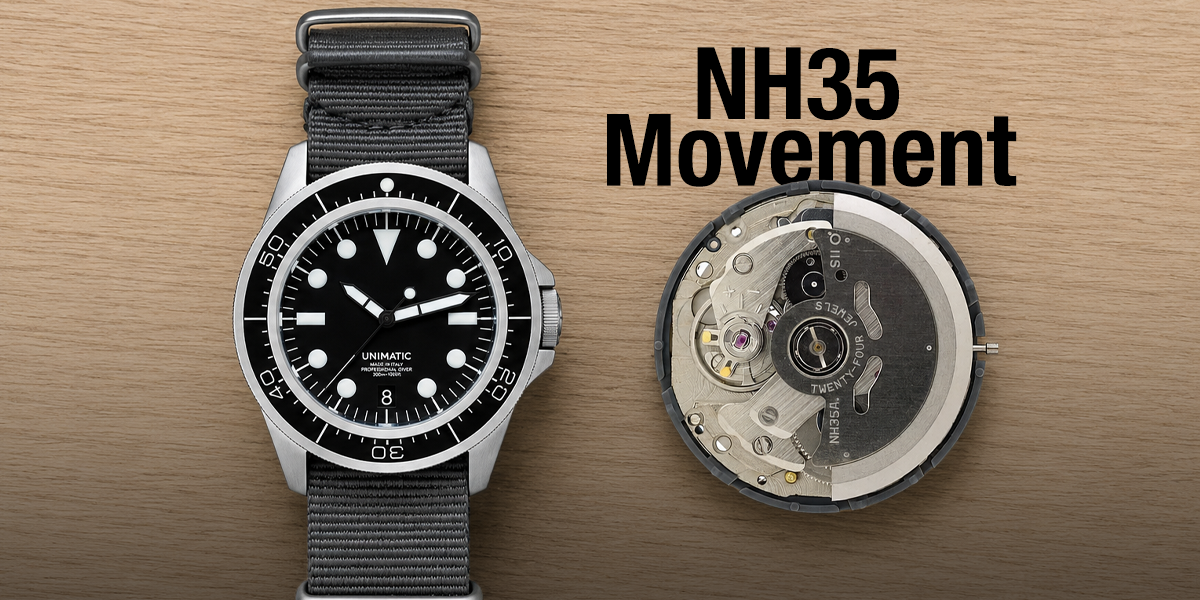
The NH35 movement is one of the world’s most popular automatic movements currently. You’ll find it in countless affordable and microbrand watches. The Seiko NH35

You do not have to spend six figures to purchase an Audemars Piguet watch. However, even the most inexpensive AP watch is a serious investment.