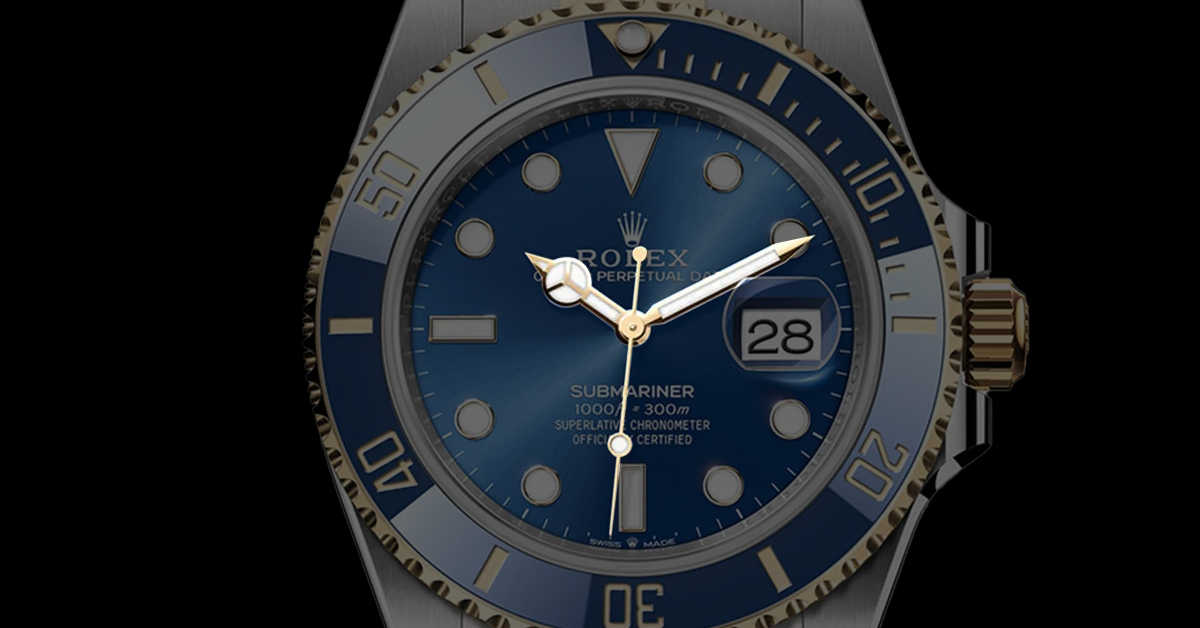
Watch case shapes shape your timepiece’s character, though most collectors pay attention only to dials and complications. The circular watch case remains the most traditional and widespread design. The world of horology is nowhere near as simple as what you might see at first glance. Some of the most influential timepieces in history broke away from the round mold, like the Cartier Tank that launched in 1917.

Each watch case style creates its own distinct esthetic and wearing experience. Square watches make bold statements on your wrist. The tonneau (barrel-shaped) cases feature rounded corners and bowed edges that provide a sophisticated alternative to conventional designs. On top of that, rectangular shapes have become so iconic that watch enthusiasts now simply call similarly styled timepieces “tanks”. A deeper knowledge of these watch case styles will boost your appreciation for watchmaking and help you choose pieces for your collection more wisely.
Table of Contents
Round and Classic: The Most Common Watch Case
The circular watch case stands as the cornerstone of watch design. It rules the market with an impressive 80-85% share. This dominance comes from years of practical benefits and timeless appeal that watchmakers have refined over centuries.
Why round cases dominate the market
Round watch cases evolved naturally from pocket watches when timepieces moved to the wrist. The circular design matches perfectly with the mechanical parts inside. Watch movements come in round shapes, so circular cases make the quickest way to house them.
Round cases give watchmakers more room to play with designs and layouts. They create dials that look more spacious, and the hands move naturally across them. The round shape draws your eyes right to the middle of the dial, which makes telling time feel natural.
Iconic round watches in history
Round cases have been the canvas that sparked countless horological innovation through the years. Luxury brands have used this classic shape to create everything from simple dress watches to complex masterpieces. This timeless design lets creators experiment with bezels, dials, and materials while keeping that familiar foundation we all know.
Pros and cons of round watch case design
Advantages:
Fits perfectly on your wrist
No sharp edges to catch on your clothes
You get more dial space to read time easily
Better water resistance for your money
Easier to sell and better value retention
Disadvantages:
Might look too traditional
Not as eye-catching as other shapes
Hard to make a fashion statement
A round case might be your best bet when you’re looking for your next watch. Round or cushion shapes with curved backs work great for daily wear, handling rain, sweat, or the occasional swim. Your wrist size matters – round cases spread their look evenly, so they look good on any wrist.
Round cases are hard to beat if you want something classic that works anywhere. They move naturally from boardroom to casual weekend wear.
Beyond the Circle: Exploring Other Watch Case Shapes
Non-round watch cases break design norms and carry rich historical significance. Bold watchmakers have explored shapes beyond the traditional circle through the decades. Their distinctive profiles make powerful statements.
Square: Bold and geometric
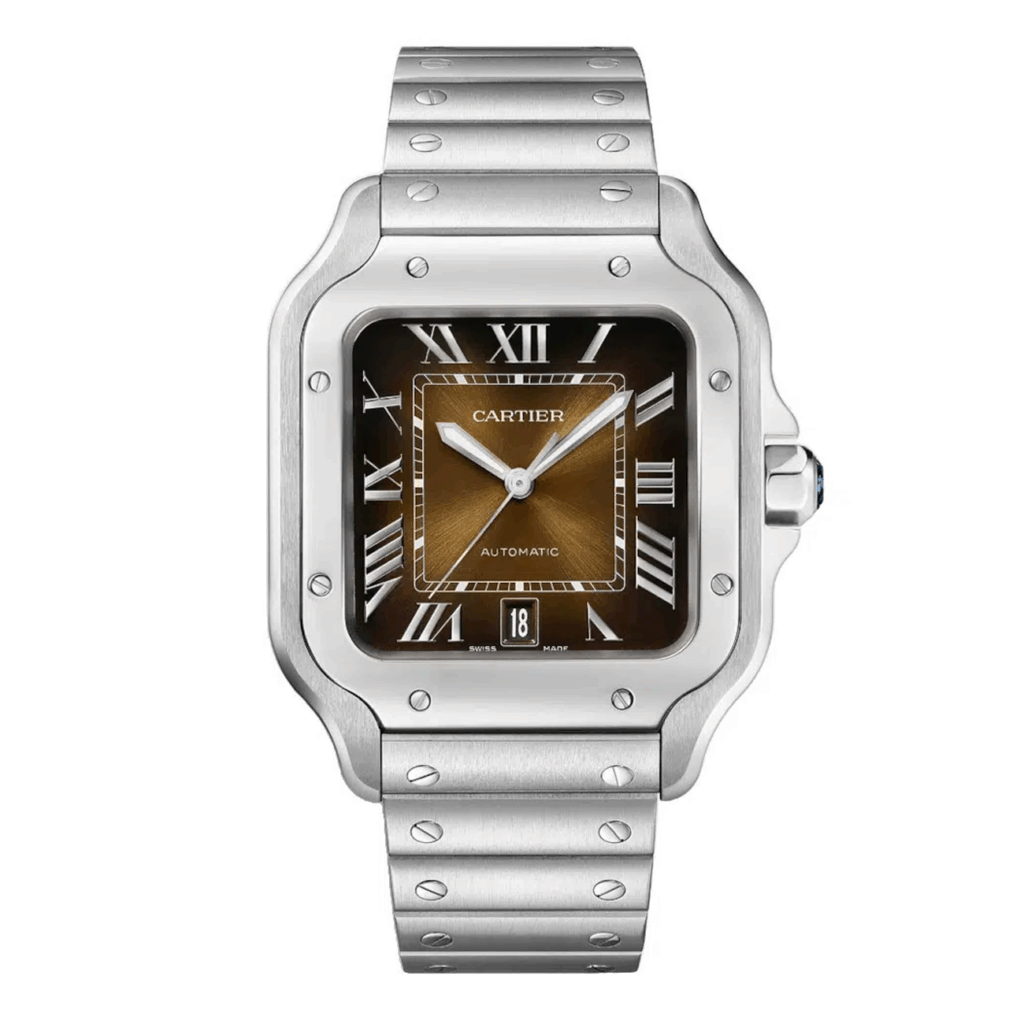
Square watches emerged as modern statements in the mid-20th century and became popular during the 1970s. Their clean lines and balanced symmetry attract minimalists and statement-makers alike. The TAG Heuer Monaco stands as an iconic example of this bold geometric style—Steve McQueen wore it in the 1971 film Le Mans. Square timepieces provide excellent readability with their larger surface area, making them perfect for professional settings and casual wear.
Rectangular: The elegance of the tank style
The Art Deco movement gave birth to rectangular watches, with Cartier’s Tank leading a design revolution in 1917. This elegant shape draws its name from Renault tanks on WWI battlefields and symbolizes refinement today. The vertical emphasis creates a striking profile that flows smoothly between straps. The Jaeger-LeCoultre Reverso and Baume et Mercier Hampton continue this legacy of linear elegance.

Cushion: A soft blend of square and round
Cushion cases blend squares with rounded edges, resembling a soft pillow. This “squircle” shape dominated nearly 25% of the market in the early 1970s. The Italian Royal Navy commissioned Panerai’s Radiomir Reference 3646 in the 1940s, which popularized this design. Modern interpretations include the Panerai Luminor, Cartier Drive, and Geckota Pioneer.

Tonneau: The barrel-shaped standout
The French word “tonneau” means barrel, and these cases bridge round and rectangular designs with curved sides. These elongated cases with bowed edges appeared in the early 20th century and seemed futuristic. Richard Mille creates sporty designs using these cases, which stand taller and longer than cushion shapes. The ergonomic profile sits comfortably on the wrist while making a bold statement.

Oval: Feminine and refined
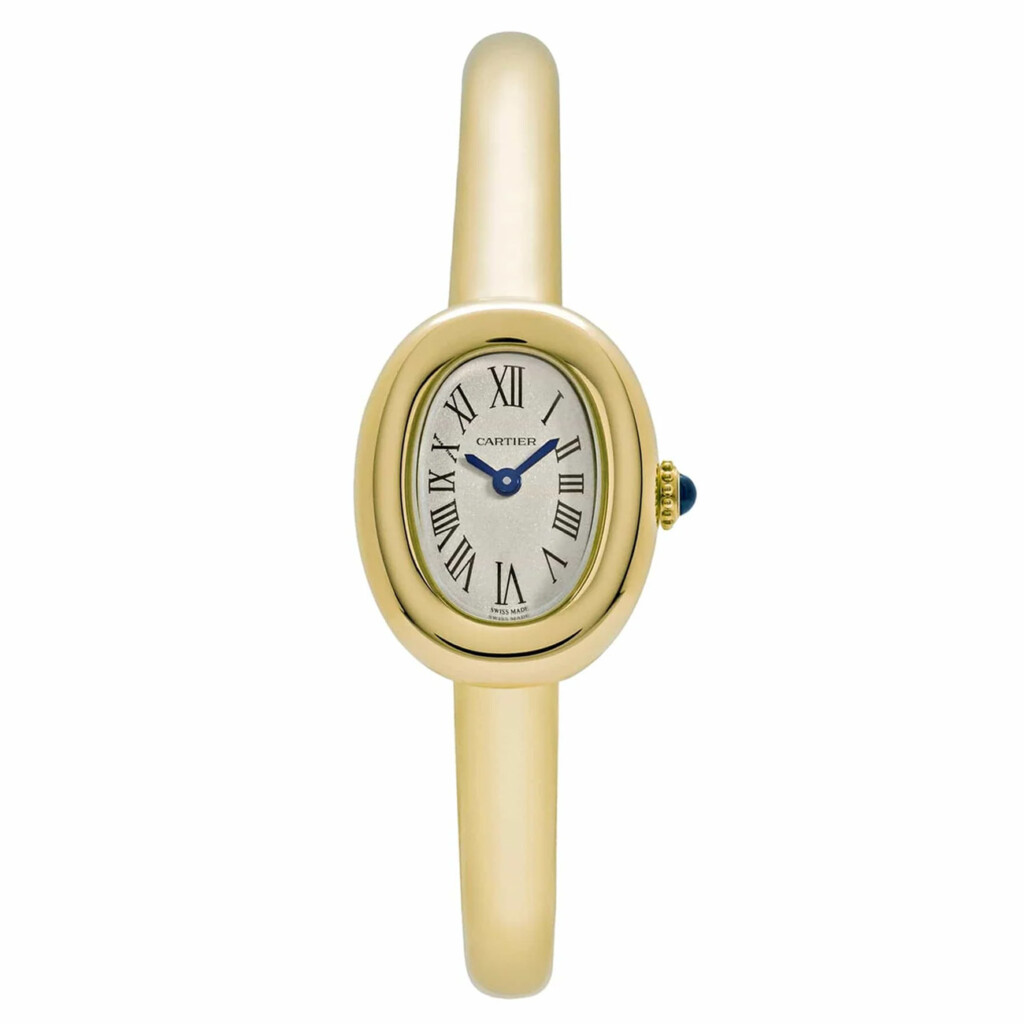
Oval watches add graceful elongation to classic round timepieces. This refined shape appears mostly in women’s collections. The elegant Cartier Baignoire (French for “bathtub”) and Chopard Happy Sport showcase this design beautifully. Oval shapes create a slimming effect while keeping the benefits of circular designs.
Octagonal: The rise of angular luxury
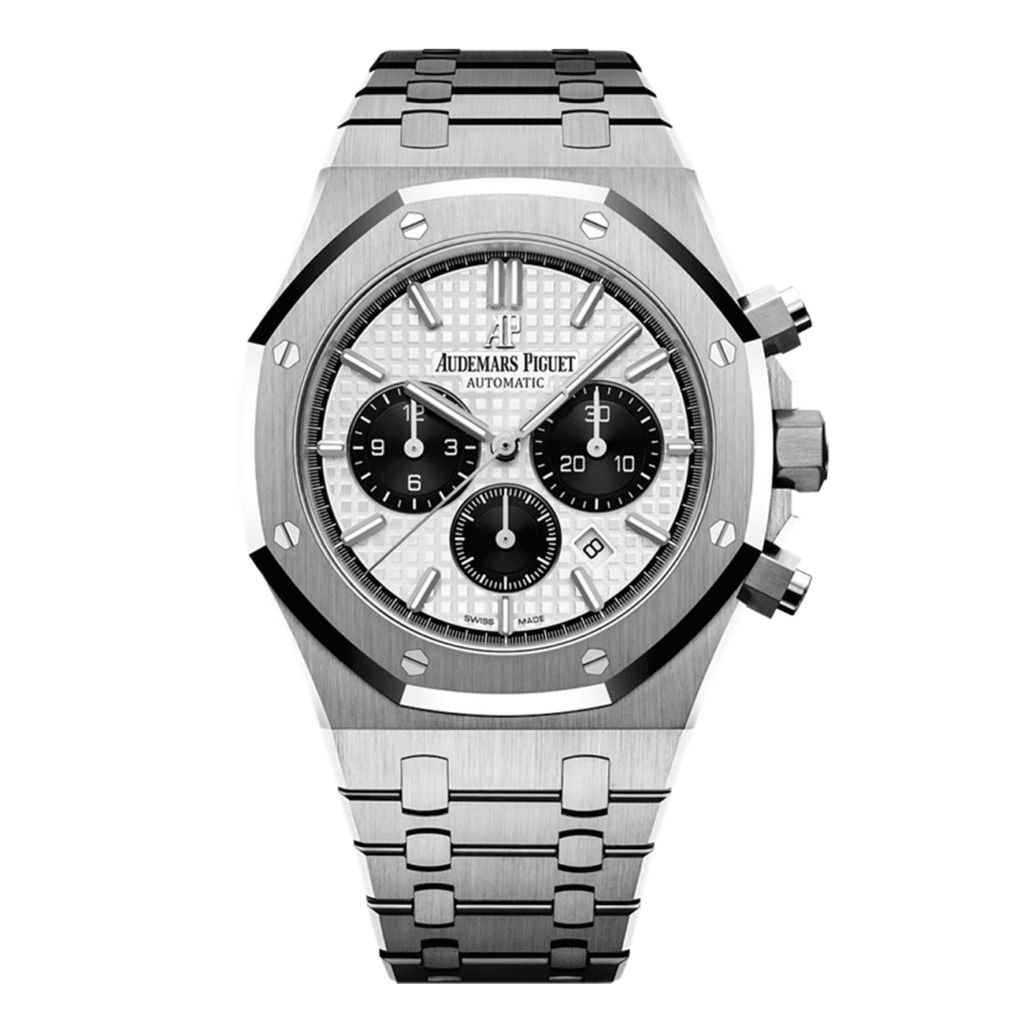
Audemars Piguet’s Royal Oak, designed by Gérald Genta in 1972, made the eight-sided case an icon. Traditional diving helmets with exposed screws inspired this design that created ultra-luxury sports watches. The Bulgari Octo highlights its eight-sided case through sophisticated finishing. These geometric masterpieces draw attention with their angular presence and precise craftsmanship.
Unconventional Styles: Asymmetrical and Avant-Garde Cases
Watch case shapes venture beyond traditional symmetrical designs into a captivating world of unconventional boundaries. These unique timepieces show off the experimental side of horology and give collectors truly distinctive options.
Asymmetrical: Function meets form
Asymmetrical cases might look round at first glance. A closer look reveals their crown side extends slightly wider than the opposite side. This smart design adds protection to the watch’s crown, stem, and chronograph pushers. The iconic Omega Speedmaster actually has this subtle asymmetry. The Cartier Tank Asymétrique takes it further by offsetting its rectangular shape with non-flush lugs and moving the 12 o’clock marker to the dial’s top right corner.

Avant-garde: Breaking all the rules
Avant-garde cases stand apart from any classification and redefine the limits of what’s possible. These freeform designs embrace pure creativity. MB&F’s Horological Machine series shows this perfectly by reimagining the very essence of timekeeping. The Cartier Crash makes a bold artistic statement with its Dali-inspired melting edges.
Famous examples of eccentric watch case types
The shield-shaped Hamilton Ventura became known as “the Elvis watch” after its appearance in the 1961 film “Blue Hawaii”. Urwerk created the UR-120 “Spock” with a futuristic design that features a wandering hours complication. The Vianney Halter Antiqua draws inspiration from portholes to create an esoteric look with five circles that house different indicators.
These unconventional timepieces are a great way to get conversations started. Their distinctive profiles need confidence and personality to wear well.

Which Watch Case Shape Is Right for You?
Picking the perfect watch case shape depends on several personal factors. The case shape plays a key role in how comfortable the watch feels and how it expresses your style.
Think about your wrist size and shape
Your wrist’s proportions should guide your watch case types selection. People with smaller wrists under 6 inches should look for case diameters between 28-34mm. Those with larger wrists over 7 inches can pull off cases between 40-46mm. Round and cushion cases look good on everyone. Rectangular and oval designs work better with slimmer wrists. The thickness of the case is just as crucial—6-8mm works best for smaller wrists while 8-14mm suits larger ones.
Match the case to your personal style
Different watch case shapes tell different stories about who you are. Round cases appeal to people who want timeless versatility. Polygonal or asymmetrical shapes make bold statements. Square cases bring out vintage sports watch charm. The tonneau shape speaks of sophistication, and oval designs often showcase refined elegance.
Dress vs. sport: choosing based on use
Rectangular or oval watch case designs work best in formal settings. A slim dress watch blends naturally with suits and formal wear. Sports watches come with larger, stronger cases (usually 40-45mm) built to handle active lifestyles. Materials differ too—dress watches shine with polished finishes and leather straps, while sports models focus on durability.
Trying before buying: why fit matters
Pictures can be misleading. A watch that looks perfect online might feel completely different on your wrist. You should try watches on before buying them, especially if you plan to spend a lot. Many watch enthusiasts visit stores multiple times before they decide, making sure the watch case style fits both their wrist and their taste.
Conclusion
Watch case shapes define a timepiece’s character, yet collectors rarely discuss them. These shapes have evolved beyond practical needs into distinctive design statements throughout watchmaking history.
Round cases dominate the market, but other shapes express unique personality and style. Square watches make bold geometric statements. Rectangular designs showcase Art Deco elegance, while tonneau cases add sophisticated flair. The cushion cases blend round and square elements to create versatile appeal. The Royal Oak’s octagonal design has created new categories in luxury watchmaking.
Your wrist size and daily activities should help you pick the right case. Rectangular or oval shapes work best for smaller wrists. Larger wrists can easily support substantial cushion or avant-garde designs. The environment where you’ll wear the watch matters too. Slim, elegant cases suit formal settings, while active lifestyles need strong sport models.
A watch case choice is deeply personal. The shape that catches your eye might go against common wisdom, but that personal connection creates the most rewarding collecting experience. A watch that fits your wrist and personality perfectly often becomes your most cherished piece.
The right case shape goes beyond trends and popularity to balance comfort, legibility, and self-expression. You might prefer circles for their timeless versatility or unconventional geometries for their distinctive character. These basic elements enhance your appreciation of fine watchmaking. Your perfect case shape is out there—you just need to know where to look.
Enjoying our watch coverage? Get more of it in Google Search.