A pristine vintage Rolex with unpolished lugs can fetch thousands more dollars than its over-polished counterpart. Rolex watch polishing sparks heated debates among watch enthusiasts and collectors.
Regular wear leaves scratches on every Rolex. The choice to polish your timepiece needs careful thought. Rolex’s in-house polishers need a three-year apprenticeship and five more years of experience to become skilled at polishing techniques. Their expertise shows why professional polishing services make more sense than trying DIY methods with a polishing cloth or kit.
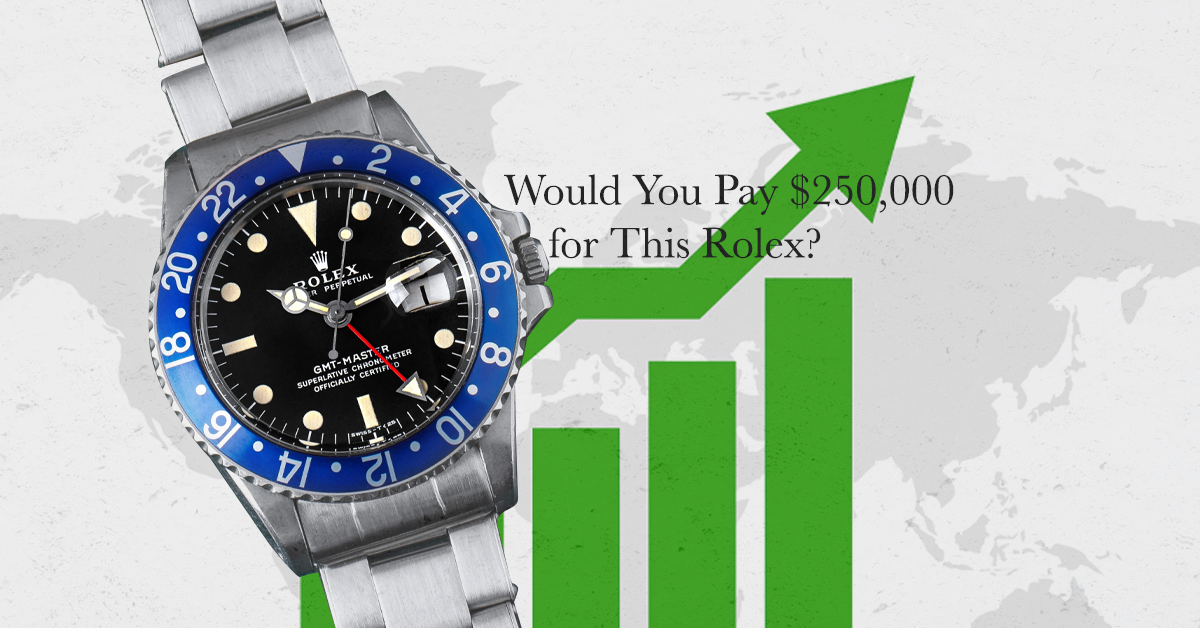
Watch collectors should know that some vintage models like Rolex GMT-Master ref. 6542 have fewer than 5,000 pieces left. About half of these watches are now lost, broken beyond repair, or taken apart. This makes keeping them in original condition even more valuable.

Most experts say you should polish your everyday Rolex once every 7 to 10 years. The polishing cost matters, but knowing when and how to polish your timepiece properly protects its looks and value.
This piece will help you understand everything about polishing your Rolex the right way while protecting its worth and character.
Should You Polish Your Rolex?
The polishing debate among Rolex enthusiasts boils down to a basic question: Should you preserve originality or restore shine? A good understanding of both points of view will help you choose what’s best for your timepiece.
Why some collectors avoid polishing
Serious collectors call an unpolished Rolex more valuable and authentic. A watch loses a thin layer of metal during each polish and this permanently changes its original form. The process can round sharp edges, weaken crisp lugs, and blur the difference between brushed and polished surfaces. The polishing might also remove vital service marks or hallmarks that prove a watch’s history.
Vintage models can lose substantial value from polishing. A scratched vintage Submariner in its unpolished state will usually sell for much more than one that looks newer after scratch removal. Some cases show that polishing can slash thousands of dollars from a timepiece’s value.
Collectors often describe desirable pieces as “unpolished” or “factory finished.” These watches keep what enthusiasts call “patina” – the natural aging that tells a watch’s unique story through small scratches and oxidation.
When polishing makes sense for modern watches
Modern Rolex models barely lose resale value from polishing. Your watch might benefit from occasional professional polishing if you see it as a daily companion rather than an investment.
Rolex suggests servicing watches every five to ten years, which usually includes polishing unless you ask otherwise. Experts recommend polishing everyday timepieces once every seven to ten years.
Many owners find middle ground by keeping vintage watches original while maintaining modern pieces through professional rolex watch polishing services. This strategy values both collectibility and esthetics.
Professional technique is vital if you choose to polish your watch. Rolex demands their in-house polishers complete a three-year apprenticeship plus five years of hands-on experience to become skilled at these techniques. A professional rolex watch polishing service will give your timepiece expert care.
Risks of Polishing a Rolex Watch
Polishing a Rolex does more than remove scratches—it changes your watch’s structure forever. You need to learn about what it all means before letting anyone work on your timepiece.
Loss of metal and shape distortion
Every polish takes away a thin layer of metal from your Rolex. This metal loss affects the watch’s finish and shape. The process can change the unique mix of brushed and high polish finishes that make Rolex watches stand out. The beveled and chamfered edges on lugs and crown guards start to lose their precise definition. You can’t fix a bad polishing job like you can fix a paint mistake. Your watch’s crisp, factory-finished lugs will turn into soft, undefined shapes that look nothing like they should after too many polishes.

Effect on vintage watch value
A heavily polished vintage Rolex sells for much less than one that’s never been touched. Collectors value original condition more than a perfect look. An unpolished Submariner with scratches will sell for thousands more than a similar model that’s been buffed clean. The most collectible vintage Rolex models can lose massive value from too much polishing. This price difference exists because collectors love the character and authenticity of original, unaltered watches.
Signs of over-polishing to watch for
On top of that, look for these warning signs that suggest too much polishing:
Lugs that look thin, round, and lack sharp edges
Lug holes with smooth instead of sharp edges
Vintage pieces that look too shiny for their age
Dents with smooth edges (suggesting they’ve been polished over)
Uneven or misshapen case surfaces
No clear difference between brushed and polished areas
Think hard about these risks before you decide to get your Rolex polished. If you’re a collector, keeping your watch original matters more than making it look perfect, especially with older models.
How to Polish a Rolex the Right Way
Professional expertise can make the difference between ruining your Rolex and bringing back its shine. The right approach to Rolex watch polishing depends on understanding both professional options and what you can do at home.
Why professional service is essential
Rolex demands their in-house polishers complete a three-year apprenticeship and five more years of experience to become skilled at proper techniques. This training exists with good reason too—just a few seconds too long against a polishing wheel can permanently change your watch’s shape. Machine polishers in inexperienced hands often round sharp case lines, thin the lugs, and destroy the factory-finished look that gives your timepiece its character. Skilled craftsmen, however, can enhance your Rolex’s best features while keeping its original design intact.
What happens during a Rolex watch polishing service
A professional service will transform your watch step by step. The watchmaker first looks at your timepiece and prepares an estimate. Once approved, they take apart the watch completely and separate the movement, case, and bracelet. The technicians then re-polish or satin-finish all components based on their original specifications. They use ultrasonic cleaning to remove impurities before putting everything back together. The final step involves thorough waterproofness testing that ensures your watch’s integrity, followed by a service guarantee.
How to communicate your priorities to the service center
You should clearly state whether you want polishing before submitting your Rolex for servicing. Let them know which parts need polishing and which should stay untouched. Rolex typically has polishing as part of standard service unless you specifically say otherwise.
DIY polishing: When to use a Rolex watch polishing cloth
A polishing cloth like Cape Cod cloth can work well for minor surface scratches. You should be careful though—tape off brushed areas you don’t want to polish and stay away from the crystal since it might remove AR coating. Significant scratches or vintage pieces should always go to professionals to protect your investment’s value.
Modern Rolex Materials and Their Impact
Modern Rolex Materials and Their Effect
Rolex has engineered more resilient materials over time that cut down the need for frequent polishing. These state-of-the-art materials revolutionize how long modern timepieces last and how much maintenance they require.
904L steel and its scratch resistance
Rolex became the first wristwatch manufacturer to employ 904L grade steel in 1985, which they rebranded as “Oystersteel” in 2018. This alloy stands apart from the standard 316L steel that most watchmakers use because it contains higher levels of chromium, nickel, and molybdenum. We selected it mainly for superior corrosion resistance rather than scratch resistance, and 904L steel gives an exceptional shine after polishing. Some experts point out that 904L steel might be slightly less scratch-resistant than 316L. Yet it retains its polish better and provides better protection against corrosion, especially when exposed to sulfuric and acetic acids.
Cerachrom bezels and sapphire crystals
Rolex’s patented Cerachrom bezels have taken the place of aluminum inserts that were used from 1956 until the early 2000s. These ceramic components are nearly impossible to scratch, and only diamonds can mark their surface. The sapphire crystals score 9 on the Mohs hardness scale (just below diamond at 10) and protect the dial with amazing scratch resistance. These crystals come with anti-reflective coatings that boost visibility.
How modern materials reduce the need for polishing
These advances substantially decrease how often watches need polishing. Modern Rolex models with Oystersteel, Cerachrom bezels, sapphire crystals, and better luminous materials show much less wear over decades of use. Vintage pieces with acrylic crystals and aluminum bezels needed regular Rolex watch polishing service to look good. Modern Rolex models handle daily wear nowhere near as harshly. Owners can now enjoy their timepieces longer between services without worrying about how they look.
Conclusion
Your Rolex’s polishing needs depend on its type and what you want to achieve with your timepiece. Unpolished vintage models can fetch thousands more at auction than those that have been over-polished, thanks to their original patina and sharp edges. Modern Rolex watches are different – they can handle occasional professional polishing without much effect on their resale value.
Expert knowledge matters, whatever path you choose. Rolex spends eight years training their polishers, and with good reason too. Poor polishing techniques will permanently change case shapes and ruin factory finishes. Make sure you clearly state your polishing priorities before sending your watch for service, since Rolex includes this process as standard maintenance.
Technology has substantially reduced the need to polish newer models. Oystersteel, Cerachrom bezels, and sapphire crystals handle daily wear nowhere near as badly as their vintage counterparts. This means you can enjoy your timepiece longer between services.
Note that polishing removes metal that you can’t replace, especially when you have collector pieces. The choice between keeping your watch’s battle scars or bringing back its shine will affect both its looks and value. Your decision should match your style priorities and investment goals.
Enjoying our watch coverage? Get more of it in Google Search.