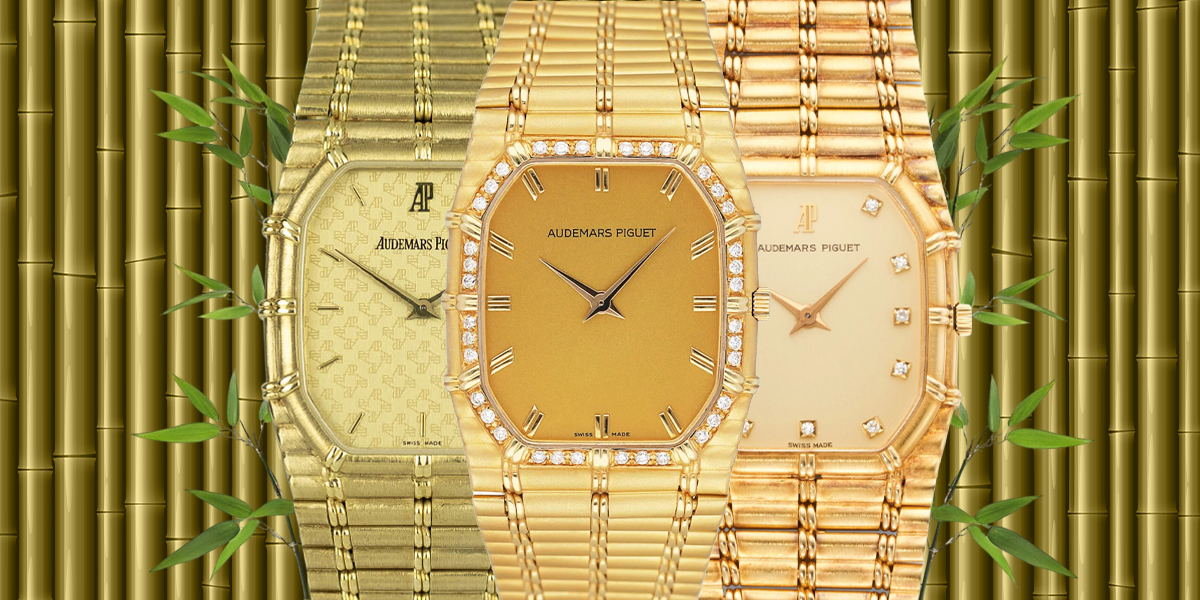
Audemars Piguet Bamboo Review: Why This Vintage Watch Became Every Collector’s Grail
The Audemars Piguet Bamboo has quietly transformed from an obscure 1980s rarity into the ultimate vintage grail. Once slept on compared to other AP models,

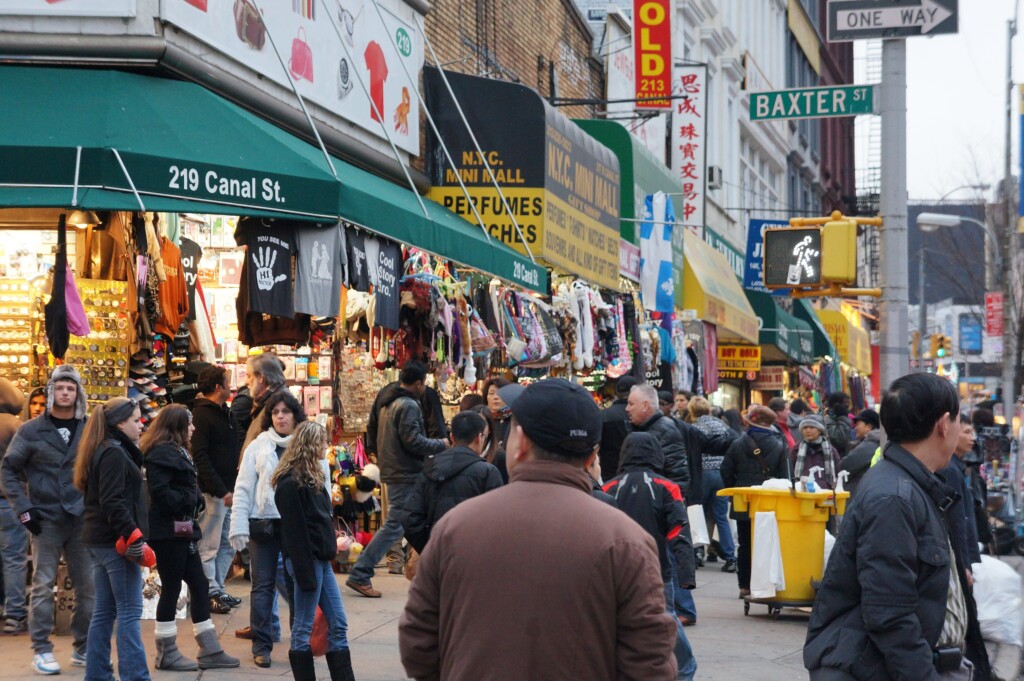
My walks down Canal Street in New York City have revealed the sort of thing I love – an underground market of canal street rolex vendors operating openly. These past ten years, I’ve guided photographers and tourists through a specific ten-block stretch of SoHo and Tribeca about three times weekly. This regular exposure has given me a firsthand view of this thriving counterfeit economy.
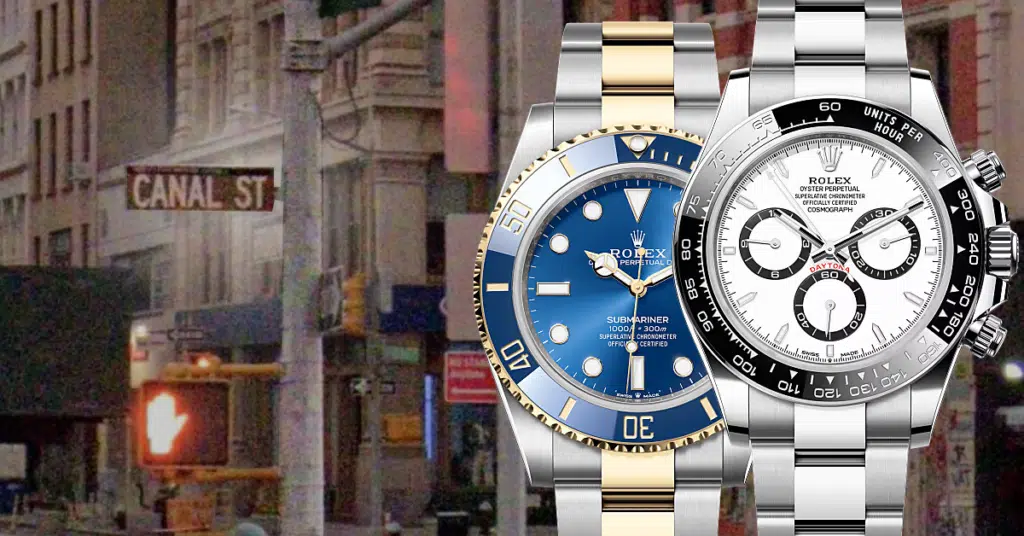
The world of canal street rolex watches extends beyond what most people imagine. Counterfeit watches make up nearly 6% of annual luxury watch sales, putting roughly 1.8 million fake Swiss watches into circulation each year. Police raids have seized up to $10 million worth of counterfeit goods, yet canal street watches remain available through a sophisticated network of lookouts, hidden showrooms, and briefcase-carrying vendors. Canal street rolex prices vary substantially, though they remain nowhere near authentic timepiece values. This piece pulls back the curtain on what street vendors won’t reveal about their counterfeit luxury watch operation, whether you’re interested in fake rolex identification or just curious about canal street fakes.
The bustling sidewalks of Canal Street turn you into a target the moment you arrive. Unlike regular shopping, you don’t find fake Rolexes here—they find you.
Subtle whispers follow you as you pass the storefronts. “Watches? Bags?” These casual offers come from spotters who position themselves along the street. They serve as gateways to actual sellers and rarely carry merchandise themselves.
The selection process sets this experience apart. Spotters watch potential customers closely and look for signs that reveal buyers or law enforcement. A legitimate buyer gets a signal, and associates escort them to the next phase of the deal.
The real show starts after the contact. Side streets, narrow passages between buildings, or back rooms of innocent-looking businesses become your path. Sometimes you climb rickety staircases that lead to unmarked apartments turned showrooms.
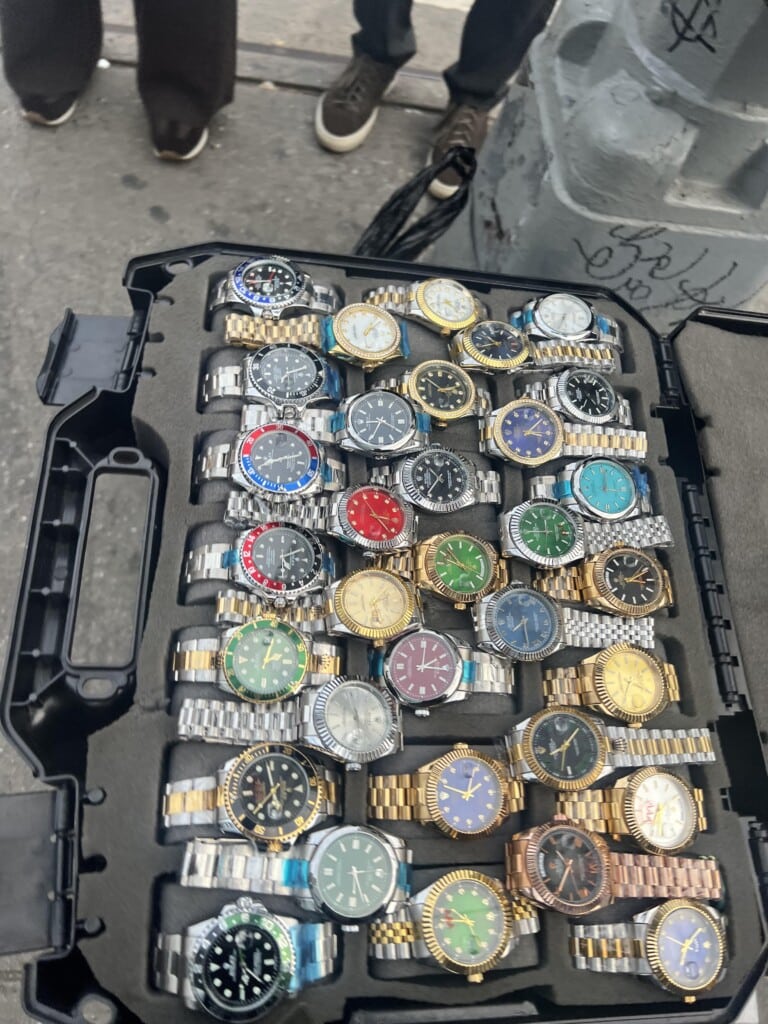
You might meet “briefcase dealers” who pack their inventory in attaché cases or backpacks. These vendors scan the area for police and unzip their bags. Inside lie rows of canal street rolex watches sorted by style and price.
Quality determines the merchandise tiers. Basic canal street fakes cost $50-100, while “premium replicas” range from $200-500 based on the model and quality.
Buying a canal street rolex needs this clandestine approach. Vendors create detailed security measures because counterfeit sales break the law. Lookouts watch for police and use coded signals or phone calls to warn about raids.
This secretive environment creates an interesting effect on people’s minds. Buyers often feel excited and nervous at once—like they stepped into a heist movie. Some shoppers find canal street watches more appealing because of this “forbidden fruit” aspect.
Nobody mentions these are fake Rolex watches during the deal. People use terms like “high-quality replicas” or “first copies” instead. This careful language helps maintain an illusion of getting something almost real—at a canal street rolex price that costs much less than the genuine article.
A close look at a Canal Street Rolex reveals clear signs of counterfeiting that even eager vendors can’t hide. You can avoid paying too much for fancy costume jewelry by knowing these signs.
The biggest giveaway on fake Rolex date models is the “cyclops” magnification lens. Authentic Rolexes make the date appear 2.5x larger, and numbers fill the entire lens window. Canal Street fakes reach only 1.5x magnification, which leaves visible borders around smaller date numerals.
Many fake watches now feature a “sweeping” seconds hand motion that looks like genuine models. This movement alone doesn’t prove authenticity since many replicas can copy this feature. Real Rolexes wind with smooth, buttery precision – any rough or grainy feeling means you’ve got a fake.
Real Rolexes weigh more than their counterfeit versions. Genuine models use high-end materials like 904L stainless steel, 18k gold, or 950 platinum. Canal Street Rolex watches feel lighter because they use cheaper alloys.
Rolex makes specific models in certain materials only. Day-Date watches come in precious metals, while Explorer and Milgauss models are available just in stainless steel. So a “gold” Explorer or stainless steel Day-Date on Canal Street is definitely fake.
The easiest red flag to spot is a transparent case back. Rolex never makes watches with see-through backs that show the movement, except for very rare vintage models. Canal Street fakes often add this feature to look more impressive.
Real Rolexes have plain case backs without logos or text. Any engravings or decorations on the back mean you’re looking at a fake.
Canal Street vendors mostly sell fake versions of Rolex’s most popular models. The Submariner shows up most often, especially the date version with its distinctive cyclops lens. You’ll also find lots of fake GMT-Master IIs (mainly the “Pepsi” blue/red bezel version), Datejusts with fluted bezels, and the sought-after Daytona chronograph.
A fascinating pricing structure exists behind the curtain of Canal Street’s counterfeit watch market. Most tourists don’t understand how it works.
The price of a canal street rolex can vary wildly. You’ll find simple models for $10-15, while “premium replicas” can cost up to $100. First-time buyers often pay the full asking price of $80-95 without knowing they can negotiate.
Vendors start with sky-high prices. They might ask for $95 for watches that cost much less. One seller tried to convince a buyer they had “entered a verbal contract” just by looking at the merchandise! The sellers play on emotions too, saying things like “this money meant very little to me, but it meant a lot to her”.
Fake watches on Canal street come in different quality tiers. Vendors use terms like “high-quality replicas” or “first copies” to make their products sound better.
Location plays a big role in pricing. Times Square vendors charge $10-15, but Canal Street sellers claim their fakes are “better quality” to get $40-55.
You might spend $30-55 on a canal street rolex, but experts say these watches are worth $5-20 at most. These watches have cheap movements and cases that look decent from far away but don’t hold up to close inspection.
Buyers soon realize they’re paying for more than just the watch. The sort of thing I love is that “strange allure” of buying something forbidden behind dumpsters or in hidden showrooms.
A complex web of psychological and cultural motivations drives both buyers and sellers in Canal Street’s counterfeit watch market.
Canal Street fakes appeal to buyers way beyond the reach and influence of simple economics. Buyers come up with many reasons to justify their purchases, but they want to project a lifestyle they can’t afford. A Reddit user put it plainly: “Watch collecting is an indulgent hobby anyway. Nobody needs to buy an expensive Swiss watch”. Some buyers believe that cheap recreations of luxury watch designs actually challenge the high prices of authentic pieces.
Social media has altered the counterfeit market landscape. About 8% of US consumers buy fake designer brands just to “look good” on platforms like Instagram. The platform had 56,769 active accounts promoting counterfeits in 2019—a 171% jump from three years before. Local sources say TikTok videos that show Canal Street shopping experiences have led to more police raids.
Canal Street creates a unique cultural space where tourists, local bargain-hunters, and fashion enthusiasts meet. One content creator noted, “The lines of people selling their pandemic collections reached down the block this past winter”. The area has grown into what a blogger described as “a new community that attracts more unique designers who believe in shopping local and shopping small”.
The counterfeit market reflects changes in luxury consumption patterns. Ethnographic research suggests, “With the breakdown of communities and culture and the rise in disconnection due to social media, gatherings like this become even more important”. Canal Street has become a physical symbol of our complex relationship with authenticity and status, especially now that luxury brands like Drake’s open stores right next to counterfeit vendors.
My long hours watching Canal Street’s counterfeit watch scene revealed one clear truth – this underground market runs on despite constant police raids. Vendors, lookouts, and customers perform an intricate dance that turns buying a fake watch into quite a show.
Spotting fake Rolexes helps you avoid wasting money on glorified costume jewelry. The wrong weight, poor magnification, see-through case backs, and cheap materials give away these Canal Street copies. Notwithstanding that, tourists gladly hand over $30-100 for watches worth just pennies on the dollar.
This shows our weird relationship with luxury brands and status symbols. People don’t just buy fakes because they’re cheap – they do it to show off success. Social media has made this need even stronger, creating a world where looking luxurious matters more than being real.
Canal Street works like a mirror showing how society views wealth, status, and shopping. The boundaries between real and fake blur as luxury stores pop up among counterfeit vendors. This creates an interesting cultural mix where different worlds meet.
A Canal Street Rolex might catch your eye, but note that the real cost isn’t just money. You’re buying more than a watch – you get a story and a piece of New York’s fake goods culture. These knockoffs might scratch the luxury itch for a while, but they ended up showing why authentic craftsmanship costs so much more.
The Audemars Piguet Bamboo has quietly transformed from an obscure 1980s rarity into the ultimate vintage grail. Once slept on compared to other AP models,
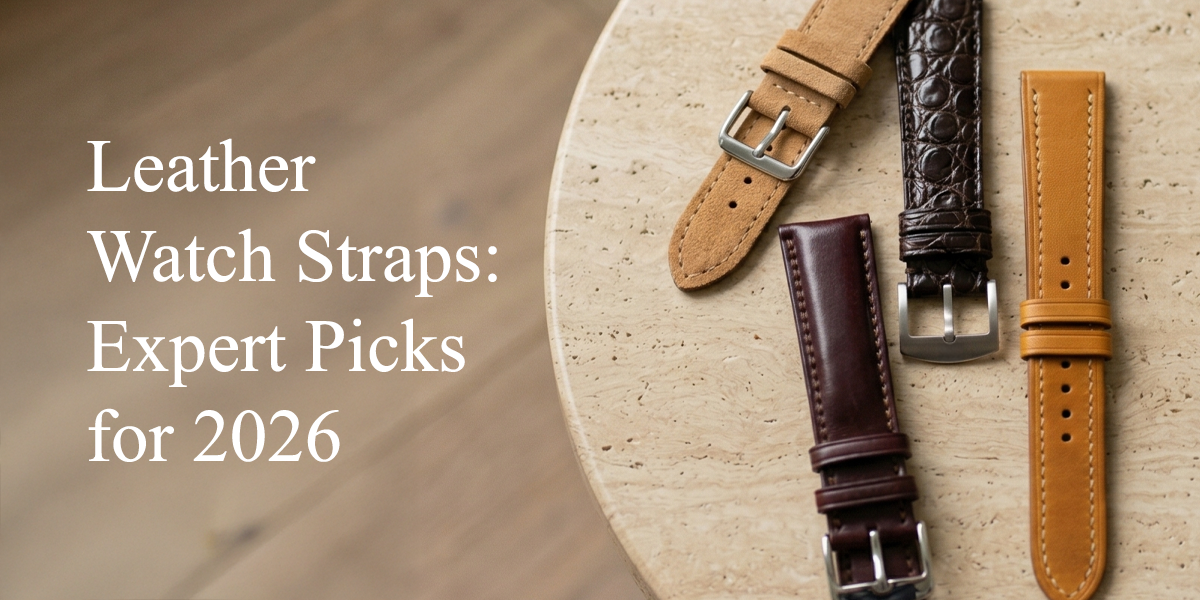
Choosing among the types of leather watch straps can turn your timepiece from ordinary to extraordinary. Attaching watches to leather straps dates back to the
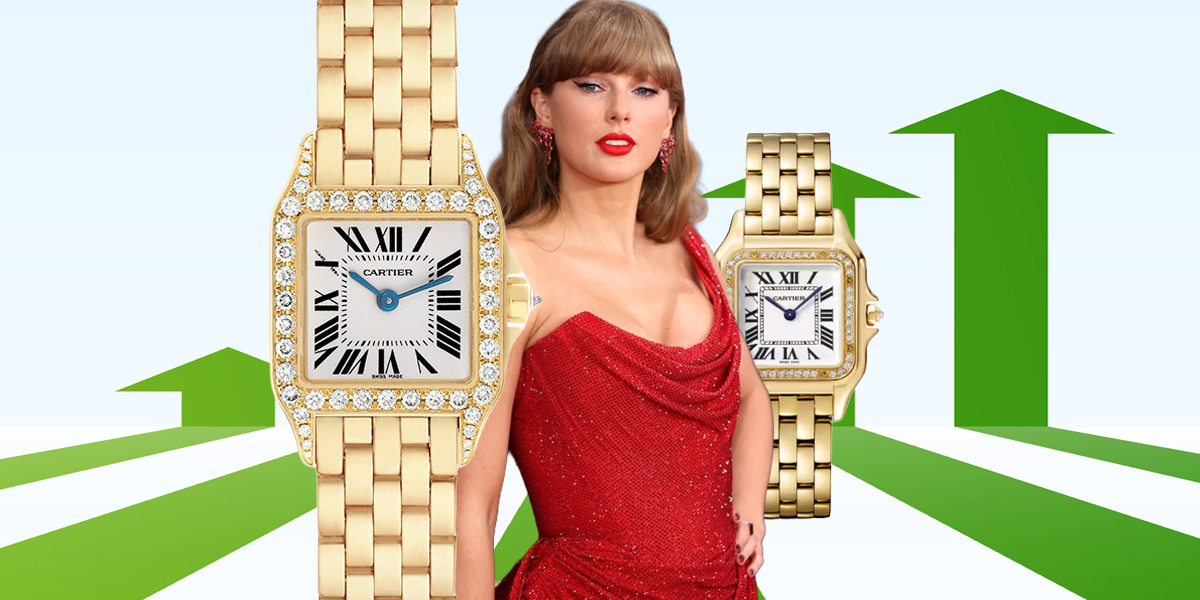
Taylor Swift’s Cartier watch in her viral engagement post turned a discontinued timepiece into the ninth most-liked Instagram post ever. The results were immediate and