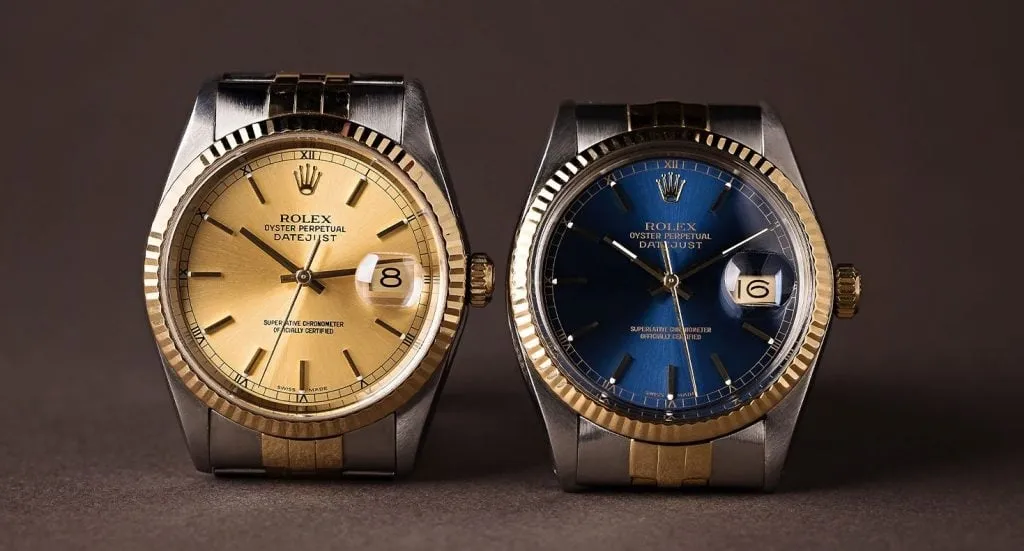
The smallest details create the most important difference between Rolex Datejust models 16233 and 116233, especially for collectors and buyers. Rolex’s two-tone Datejust stands as a symbol of timeless elegance in luxury watchmaking for seven decades. The Rolex 16233 defined the late 1980s and 1990s with its brushed finish and hollow bracelet links. The Rolex 116233 brought modern esthetics and improved technology in the mid-2000s. These Datejust models show fascinating changes that matter deeply to enthusiasts. Both watches share impressive features – 36mm cases with 100-meter water resistance and the COSC-certified Caliber 3135 automatic movement that delivers 48 hours of power reserve. The 116233 added something new – an engraved rehaut with the repeated “ROLEXROLEXROLEX” motif that its predecessor lacked. These iconic Rolesor watches (Rolex’s name for their two-tone models) deserve careful thought before you add one to your collection. The differences between them, though subtle, will guide your choice.
Table of Contents
Design Evolution: Rolex 16233 vs 116233
The Rolex Datejust 16233 and 116233 models reveal distinct design differences that showcase Rolex’s development in craftsmanship through the decades. These subtle changes substantially affect both esthetics and how the watch feels on the wrist.
Case Finish: Brushed vs Fully Polished
The 16233 model’s case stands out with its two-tone finish where brushed lugs contrast against polished sides. This combination creates a subdued, vintage-inspired look that collectors value. The 116233 shows Rolex’s move toward luxury-forward design by using fully polished surfaces on the entire case. The newer model’s all-polished approach creates a brilliant appearance under light, and trained eyes can spot this difference immediately.
Lug Profile: Slim Tapered vs Broader Shoulders
The most noticeable design change between these models lies in their lug construction. The older 16233’s slimmer lugs taper inward elegantly and create a delicate profile on the wrist. The 116233 brought broader lug shoulders that give the watch more presence while keeping the same 36mm case diameter. This change shows how Rolex adapted to customer priorities for watches with commanding presence without changing the traditional Datejust size.
Bezel Style: Fluted Yellow Gold on Both
Rolex managed to keep the signature fluted yellow gold bezel on both references during this design development. This element connects generations of watches and makes them instantly recognizable as Datejust models. Sharp-eyed enthusiasts might notice the 16233’s softer fluting pattern compared to the 116233’s crisp edges. The 116233 also introduced the engraved rehaut with “ROLEXROLEXROLEX” repeated around the inner bezel—a detail the earlier 16233 model never had.
Bracelet and Clasp Differences
The bracelet engineering between these generations shows Rolex’s steadfast dedication to durability and comfort. The bracelet’s rise creates a clear difference when comparing the 16233 and 116233 models.
Link Construction: Hollow vs Solid Center Links
The Rolex 16233’s bracelet links have hollow centers that make the watch feel lighter on your wrist. These hollow links tend to stretch and rattle as time passes. The 116233 changed this by introducing all solid links and solid end links (SEL). This new build offers better rigidity and strength, but adds noticeable weight to the watch.
Clasp Type: Fliplock vs Crownclasp
The clasp designs went through major changes too. The 16233 came with a basic flip clasp that people often call the “tuna can” clasp because of how it looks. The 116233 features either the modern Oysterclasp or the elegant hidden Crownclasp. The Crownclasp’s design is special – it uses Rolex’s crown logo as its release mechanism to create a smooth jewelry-like look.
Micro-adjustment Options: Absent vs Present
Daily wear becomes more comfortable with the 116233’s micro-adjustment features. The older model needed link removal to change size, but the newer clasps let you make small adjustments using tools without removing links. Modern clasps keep tension steady and don’t need hinge adjustments.
Movement and Internal Mechanics
The 16233 and 116233 Datejust models showcase impressive mechanical engineering beneath their elegant exterior. Rolex maintained several key mechanical features while the external design evolved through different generations.
Caliber 3135 in Both Models
The 16233 and 116233 Datejust references share the same COSC-certified Caliber 3135 automatic movement. This reliable self-winding mechanism runs at 28,800 beats per hour and provides a 48-hour power reserve. Rolex’s Parachrom hairspring makes the movement more resistant to shocks and temperature changes. This mechanical masterpiece has been the life-blood of Rolex’s reputation since 1988, delivering exceptional timekeeping performance.
Accuracy Standards: Pre-2015 vs Post-2015 Superlative Chronometer
Rolex redefined its “Superlative Chronometer Officially Certified” standards in 2015. The certification followed COSC requirements of -4/+6 seconds per day before this change. Watches made after 2015 must meet stricter accuracy ratings of -2/+2 seconds per day. This means these timepieces won’t lose or gain more than one minute monthly. Rolex also extended their warranty from two to five years with this improvement.
Rehaut Engraving: Absent in 16233 vs Present in 116233
The models differ in their rehaut (inner bezel) engraving. You won’t find this feature on the earlier 16233 reference. The 116233 model proudly displays the “ROLEXROLEXROLEX” pattern on its rehaut. Rolex added this detail in the mid-2000s to create both a unique design element and protect against counterfeiting.
Wearability and Daily Use
These Datejust models have more differences than just looks, and they can affect your daily wearing experience in ways you might not expect.
Weight on Wrist: Lighter vs Heavier Feel
The 16233’s hollow center links and refined case profile make it lighter on your wrist. This slim design lets it rest closer to your skin and looks great with dress shirts. The 116233, with its solid links and end links, weighs more. Many collectors see this extra weight as a sign of luxury and quality.
Water Resistance: 100m on Both
Both watches have the same 100-meter (330 feet) water resistance rating. You can wear them confidently while washing hands, in the rain, or even swimming. Rolex’s Twinlock crown system provides this protection, so you won’t need to worry about water damage during daily activities.
Dial Lume: Tritium/Luminova vs SuperLuminova
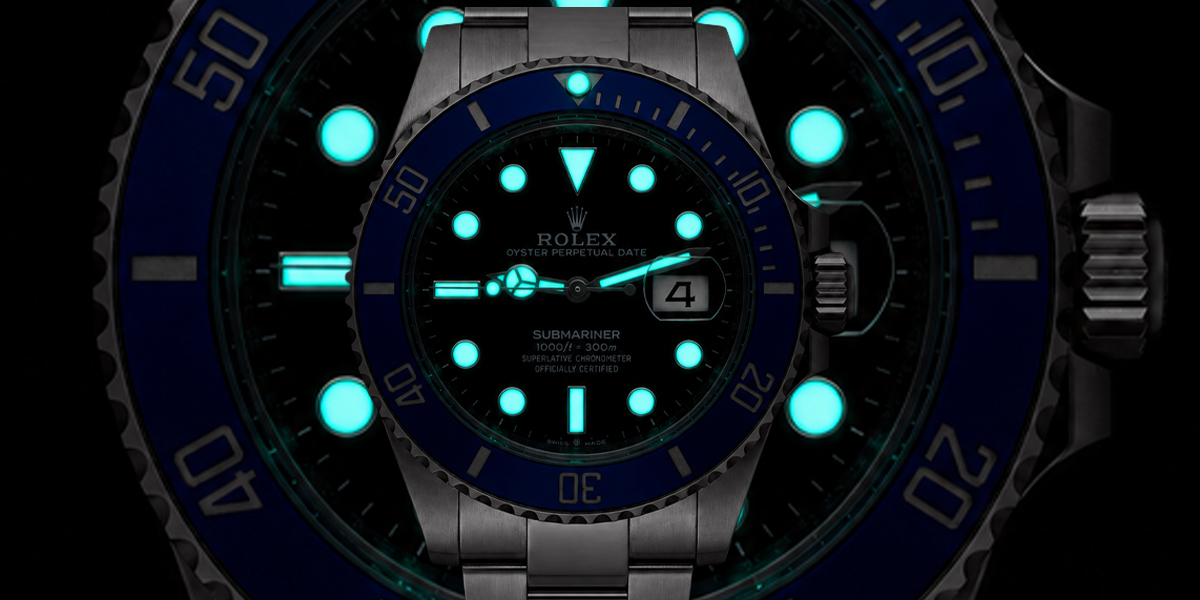
The early 16233 models came with tritium lume (“T SWISS T” on the dial), which was radioactive with a 12.3-year half-life. Rolex switched to non-radioactive Luminova around 1998, then moved to Swiss-made Super-LumiNova by 2000. The 116233 models only use Super-LumiNova, which glows green for several hours after light exposure.
Comparison Table
Feature
Rolex Datejust 16233
Rolex Datejust 116233
Case Design
Case Size
36mm
36mm
Case Finish
Brushed lugs with polished sides
Polished surfaces throughout
Lug Profile
Slim, tapered design
Broader shoulders
Water Resistance
100m
100m
Rehaut Engraving
None
“ROLEXROLEXROLEX” pattern
Bracelet
Link Construction
Hollow center links
Solid end links (SEL)
Clasp Type
Basic flip clasp design
Advanced Oysterclasp or hidden Crownclasp
Micro-adjustments
None
Available
Overall Weight
Lighter build
Substantial weight
Movement
Caliber
3135
3135
Power Reserve
48 hours
48 hours
Operating Speed
28,800 bph
28,800 bph
Other Features
Bezel
Yellow gold fluted design with gentle pattern
Yellow gold fluted finish with defined edges
Lume Type
Tritium/Luminova (early models)
Super-LumiNova
Production Period
Late 1980s-1990s
Mid-2000s onwards
Conclusion
Your choice between the Rolex Datejust 16233 and 116233 comes down to what you value most in watchmaking. The older 16233 draws collectors with its vintage appeal – brushed lugs, lighter feel, and slimmer profile. The 116233 shows Rolex’s dedication to improvement through its solid build, refined details, and modern anti-counterfeiting features.
These models share the classic 36mm case size and reliable Caliber 3135 movement. Their differences tell the sort of thing I love about Rolex’s rise. The change from hollow to solid bracelet links, the engraved rehaut, and better clasp design show how Rolex improved the Datejust without losing its classic charm.
The price gap between these watches is nowhere near small. The newer 116233 costs more because of its improved construction and modern features. In spite of that, the 16233 gives better value to first-time Rolex buyers and still delivers authentic Datejust character.
Whatever reference you pick, both watches illustrate the timeless design and mechanical excellence that made the Datejust the life-blood of Rolex’s catalog for decades. Each model has its own personality while staying unmistakably Rolex. This proves that as watchmaking technology moves forward, great design principles stay constant.
The Audemars Piguet x Swatch collaboration is confirmed, and you’re seeing what could become the watch industry’s biggest cultural moment since the MoonSwatch phenomenon. Swatch’s
The TAG Heuer vs Rolex debate boils down to choosing between two very different approaches to luxury watchmaking. Rolex stands as the #1 most recognized