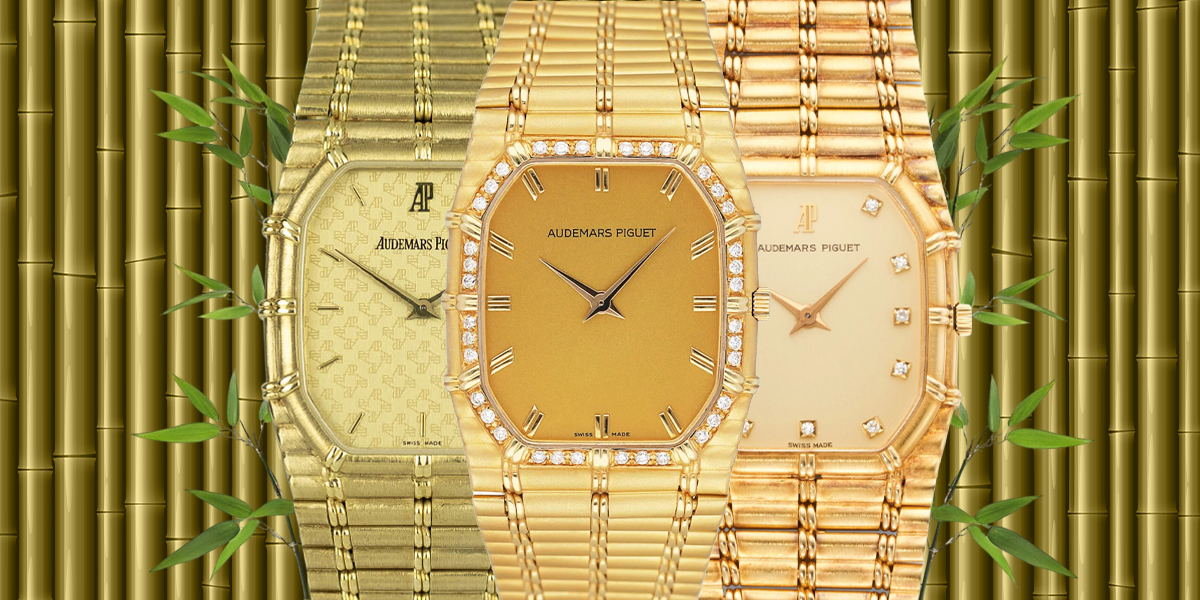
Audemars Piguet Bamboo Review: Why This Vintage Watch Became Every Collector’s Grail
The Audemars Piguet Bamboo has quietly transformed from an obscure 1980s rarity into the ultimate vintage grail. Once slept on compared to other AP models,

The Rolex Daytona is among the most famous watches in the luxury timepieces. First created for professional car racers. Let’s explore what makes the anatomy of the Rolex Daytona tick.
The Rolex Daytona was introduced in 1963. From the beginning, it was designed for professional car racers. Over the decades, it has matured into an exclusive icon. Vintage varieties, like the Paul Newman Daytona, fetch record prices at auctions. Its rich history combines innovation with motorsport heritage and classic appeal.


The chronograph function is one of the defining functions of the Rolex Daytona. It was meant for precise time measurement. Inside it, there is a division for seconds, minutes, and hours. The pushers on the side of the case make easy activation, stopping, and resetting of the timer. Along with the tachymeter bezel for calculating speed, this feature has made Daytona a darling of professionals. The Daytona is an example of Rolex’s commitment to precision engineering and practical design.
After its debut in 1963, the Rolex Daytona evolved through different models, series, and generations. Examples of early models like ref 6239 are very neat, clean dials. Ceramic bezels and fresh designs updated the watch for the 2000s. It refreshed the watch with classic appeal while introducing innovations. Each generation of Daytona was a combination of timelessness and modernity.

ref. 6239

The Daytona is made with the best materials that assure its solidity and elegance. The case and bracelet are made from Oystersteel or luxurious options such as 18k gold and platinum. The scratch-resistant Cerachrom bezel offers added durability with a polished finish. The sapphire crystal covers the dial, providing extraordinary transparency and scratch resistance. These materials guarantee resistance. The materials give Daytona an iconic and prestige look.
The tachymetric scale on the bezel lets users calculate average speeds over a fixed distance. It is an important function for professional drivers. Fitted with the Cerachrom bezel in high-tech ceramic. The modern Daytona models are scratch-resistant to fade for longevity in legibility.


Photo Source: www.alpha-1993.com
The case of the Daytona shows brand commitment to form and function. The case is made with strong oyster steel, luxurious 18k gold, or platinum. It is 40mm in size for comfort and versatility, fitting into both casual and formal settings. It sports a Triplock crown with screw-down pushers. The case secures the timepiece up to 100 meters for more practicality. The case of the Daytona demonstrates Rolex’s skill in design and engineering.
The dial of the Daytona is a perfect merge of function and aesthetics. Assuring accuracy in time at one glance. The dial hosts contrasting seconds, minutes, and hours sub-dials. The chroma light display technology provides reading under low light conditions. Hands and hour markers glow in the long-lasting blue luminescence. The Dial of the Daytona shows impressive attention to detail and ageless design.

Photo Source: www.splendoreunique.com

www.calibercorner.com
Inside the Daytona, an exceptional movement works at its best, the Caliber 4130. The self-winding chronograph movement of this Caliber is accurate and reliable. The movement has up to a 72-hour power reserve. It is one of the most unique architectures for a caliber. It has fewer components reduced friction, and increased durability. it also features Rolex’s patented Parachrom hairspring, ensuring better resistance to shocks and temperature variations. This movement is the peak of Swiss watchmaking, where innovation meets Rolex’s tradition of excellence.
The Daytona would not have acquired its prestige for solidity without an oyster case. It was the very first waterproof case, introduced back in 1926. Made from a single piece of hardener stainless steel, 18k gold or platinum, this case is made to perform well under conditions of extremity while being sleek and stylish. The oyster case has a screw-down case back and a patented Triplock crown system with a guarantee of water resistance up to 100 meters. The case is strong but functional for daily use.


The bracelet is made to assure comfort and security while being elegant and functional. Strength assured by high-quality oyster steel, 18k gold or platinum, it feels refined on the wrist. The bracelet has a three-piece link design that allows smoothness in its fitting. The innovative oyster lock clasp prevents accidental opening, while the Easylink extension system is also quick to adjust. This thoughtful design assures that the Daytona stays in place with elegance during every situation.
The Rolex Daytona does have a rich and variated history. Rolex introduced many different models over the decades. each of them shows several materials, variations in the dial, and technical developments. The most important ones include:
The first model of Daytona, which had a manually wound chronograph movement, a classic “Valjoux” design and gained great popularity because of its clear lines and reliable timing


It was the first to introduce automatic movement to the Daytona with the caliber of Zenith El Primero. With this, an important turn was taken for the model since precision got mixed with modernity.
It contains an in-house Rolex Caliber 4130 movement, a big leap in performance and design as well. This quickly became known as a synonym with the resurgence in popularity,


The first Daytona to be fitted with a Cerachrom ceramic bezel. This bezel is more scratch-resistant and gives the watch a more contemporary feel. This major update sealed the Daytona’s continued relevance within the luxury watch market.
The richness in its platinum case material, and the chocolate color on the dial coupled with an ice blue- sub-dial fits collectors who want exclusivity with class.
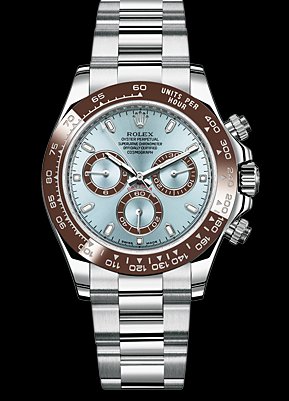
Photo Source: www.omegaforums.net

Photo Source: www.forbes.com
A few of them, Like those with special dial designs, have now become extremely collectible. The name of this model comes from the famous actor Paul Newman.
The Daytona speaks to luxury craftsmanship and investment. Over time, its values has continued to surge, most especially for earlier models and a few specific limited editions. Rarity combined with iconic status and the reputation of Rolex in terms of quality makes Daytona desirable to both collectors and investors. It has gone to exponential value appreciation on the auctions, especially due to historical reasons of the Paul Newman Daytona, not only for horological excellence but a Daytona-From new to vintage usually turns out to be a great long-term investment.
The care of your Daytona is very much needed as far as accuracy and maintaining its value is concerned. Service every 5-10 years, when due, can keep the movement in its best working order. Store your Daytona always in a secure, dry place, preferably in its original box. Avoid extreme temperatures, magnets, and harsh chemicals, which may affect the working of your watch. The case and bracelet should be cleaned regularly by wiping them with a soft cloth to remove dirt and the accumulation of sweat. You can use soap solution with water for a deeper cleaning. When putting on the Daytona, always screw down the crown to maintain its waterproofing. If well taken care of, your Rolex Daytona will continue to run like clockwork and be passed down through generations.
The Audemars Piguet Bamboo has quietly transformed from an obscure 1980s rarity into the ultimate vintage grail. Once slept on compared to other AP models,
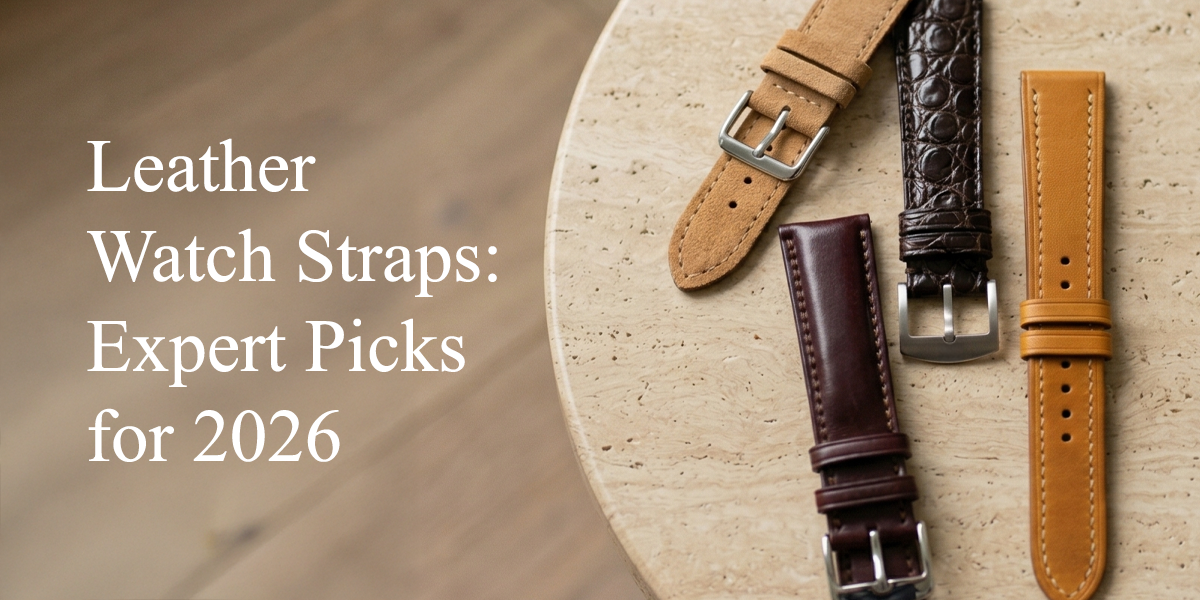
Choosing among the types of leather watch straps can turn your timepiece from ordinary to extraordinary. Attaching watches to leather straps dates back to the

Taylor Swift’s Cartier watch in her viral engagement post turned a discontinued timepiece into the ninth most-liked Instagram post ever. The results were immediate and