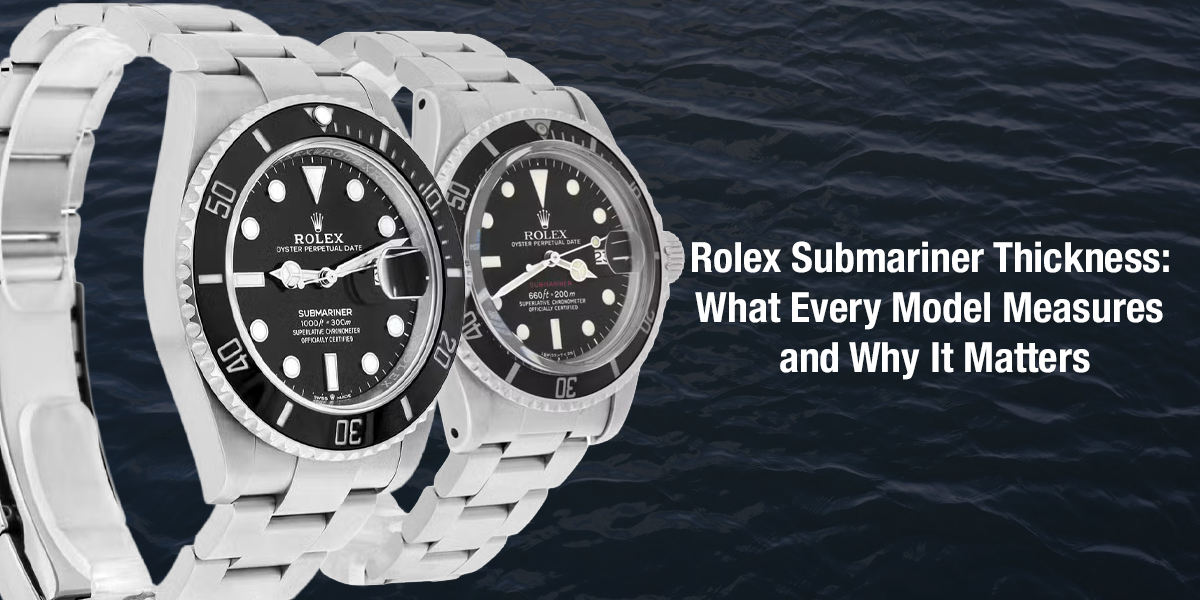
Rolex Submariner Thickness: What Every Model Measures and Why It Matters
The Rolex submariner thickness has varied by a lot throughout its history. It ranges from 12.2mm to 15.2mm depending on the model and era. This

The Rolex submariner thickness has varied by a lot throughout its history. It ranges from 12.2mm to 15.2mm depending on the model and era. This measurement affects how the watch sits on your wrist and whether it slides comfortably under a shirt cuff. Modern Submariner models measure around 12.5mm, a dimension Rolex achieved through sapphire crystal technology and refined case construction. You need to understand submariner thickness across different references to choose the right model for your wrist size and wearing priorities. This piece breaks down rolex submariner case thickness by generation and explains what affects these measurements. It also compares rolex submariner date thickness against no-date versions.
Case thickness determines whether your Submariner slips under a dress shirt cuff or catches on fabric throughout the day. Your watch faces 30 atmospheres of pressure pushing against every surface at 300 meters depth. This pressure just needs thick case walls that won’t flex, reinforced crown tubes to prevent water ingress, and deep gasket grooves that compress O-rings without compromising seals.
Most dive watches require 13 to 18mm of case height to achieve legitimate depth ratings between 200 and 300 meters. Water resistance requirements contribute more to thickness than any other factor. Screw-down crowns add 4 to 6mm alone because they need threading depth, internal seals, and tubes extending through case walls. Push-pull crowns save space but fail under pressure.
The Submariner’s 12.5mm profile stands out. Rolex maintains 300m water resistance without the bulk found in competing dive watches. Your wrist articulation and sleeve clearance depend on this dimension. A 13mm-thick watch remains low-profile for daily wear. A 16mm case provides rugged durability but doesn’t deal very well with formal attire.
Thickness affects more than function. A watch that measures thin on paper can still feel awkward on a small wrist, while a slightly thicker case can look perfect on a larger wrist. Your wrist shape determines how any measurement translates to ground comfort.
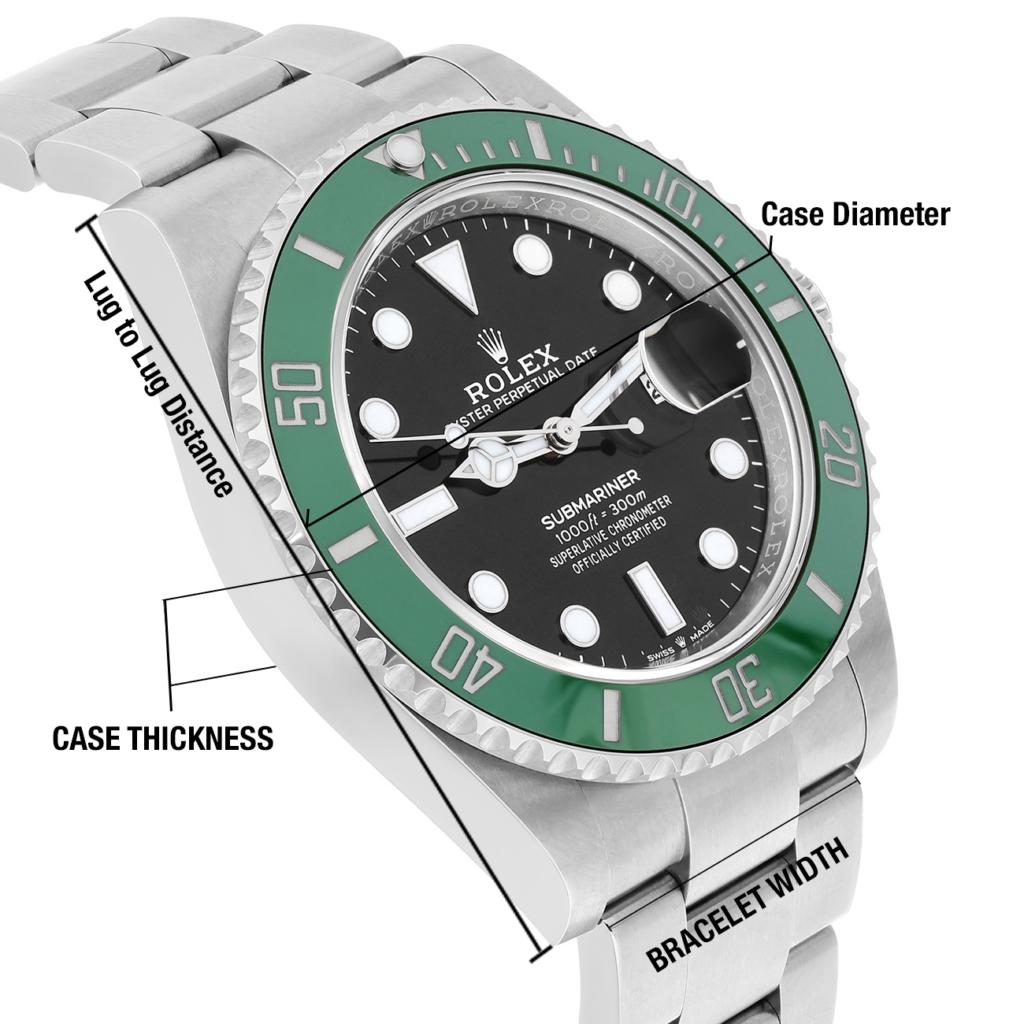
Rolex measures case thickness from the caseback’s bottom to the crystal’s top. This measurement captures the entire profile that sits against your wrist and extends upward. Other manufacturers sometimes exclude crystal height or measure in different ways and that makes direct comparisons difficult.
The bezel adds 2 to 3mm to overall height in rotating bezel dive watches. A taller bezel design offers more room to grip on the bezel’s side, which benefits professional use. Your fingers need purchase when you rotate the bezel with wet or gloved hands.
Caseback profile contributes to total height. Different Submariner generations use varying caseback designs, with some sitting flatter and others more domed. This variation can affect how the watch balances on your wrist even when official thickness measurements remain similar.

Crystal material and design affect the rolex submariner case thickness. Vintage Submariner crystals used acrylic (plastic), which sits at about 3 on the Mohs hardness scale but offers flexibility that prevents shattering. Acrylic scratches with ease but can be buffed out with Polywatch. A vintage Sea-Dweller or Submariner crystal measures thicker than other Rolex models from the same era.
Rolex transitioned to sapphire crystals starting in the late 1970s. They began with the Oysterquartz and rolled out to other lines through the 1980s. Sapphire ranks 9 on the Mohs hardness scale, just below diamond at 10. This hardness provides superior scratch resistance but requires diamond cutting tools that must be replaced after cutting 20 to 25 crystals.
Sapphire costs nearly 10 times more than acrylic to produce. This is because of tooling and manufacturing processes rather than raw material costs. Box-style sapphire crystals use twice as much material as flat crystals because they’re shaved on the inside to create a cavity where hands appear to float. These boxed designs require CNC machining and that adds manufacturing expense.
Crystal thickness increased on the Deepsea to improve durability under extreme pressure. Sapphire’s hardness makes it more brittle than acrylic, so Rolex compensates by increasing thickness on models designed for greater depths.

Rolex launched the Submariner with references 6204, 6205, and 6536 in 1953. These models measured 13mm thick in their 37.5mm cases. The first “Small Crown” models featured 6mm crowns and 100m water resistance. Rolex produced only 810 examples of the 6205, which made it rare compared to later references.
Two models from this era achieved the thinnest rolex submariner case thickness ever produced. References 6536-1 and 5508 measured just 12.2mm thanks to flat casebacks. These ultra-thin profiles came at the cost of reduced water resistance. They managed to keep only 100m depth ratings while their thicker siblings achieved 200m.
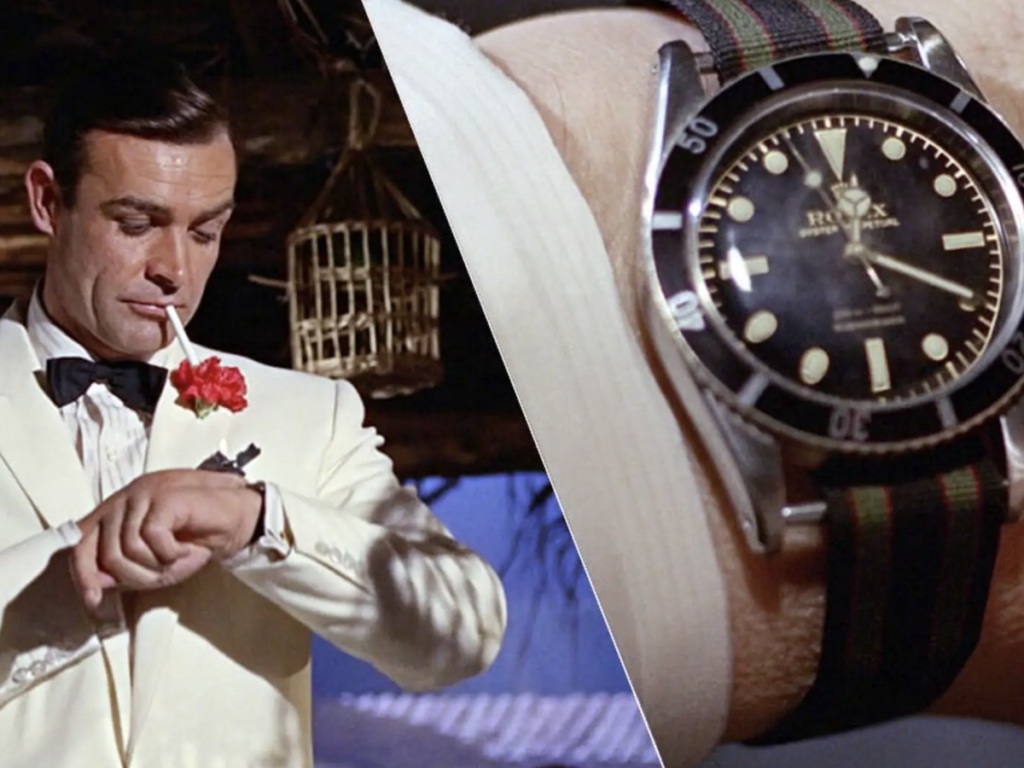
Big Crown Submariners reached 15.2mm thickness in 1955, the tallest profile in Submariner history. References 6538, 5510, and 6200 used 8mm crowns that required thicker cases to achieve 200m water resistance. The 6538 gained fame as the “Bond Sub” after Sean Connery wore one in Dr. No.
Rolex developed improved case designs that delivered 200m ratings in 13mm cases in 1959. References 5512 and 5513 introduced crown guards and expanded to 39.5mm diameter while they managed to keep the 13mm profile. These models ran until 1988. Vintage examples featured “superdome” acrylic crystals that added 1.5mm to total height and brought thickness to 14.5mm.
The first Submariner Date, reference 1680, measured 13.5mm thick from 1969 to 1979. Original “top hat” crystals added another 0.5mm and created 14mm total height on some examples.
Sapphire crystals debuted on reference 16800 in 1979 and reduced rolex submariner thickness to 12.5mm. This transitional reference paired the new crystal material with unidirectional bezels and 300m depth ratings. References 16610, 16613, and 16618 managed to keep this 12.5mm measurement from 1988 through 2010 with only movement updates.
The no-date reference 14060 measured thinner at 12.3mm and became the only no-date Submariner with both sapphire crystal and aluminum bezel. Its successor, the 14060M, retained this submariner thickness through 2012.
Rolex introduced Cerachrom ceramic bezels with the “Supercase” design in 2010. References 114060 and 116610 managed to keep 12.5mm thickness despite thicker lugs and crown guards. The 116610 featured in 2013 confirmed this 12.5mm specification with its 40mm diameter case.

References 124060 and 126610 launched in 2020 with 41mm cases but preserved the 12.5mm rolex submariner date thickness. Some sources specify 12.3mm for these models. The refined lugs and 21mm bracelet width created improved wrist presence without increasing height. The Caliber 3235 movement provided 70-hour power reserve within the same case dimensions.
Water resistance requirements determine how thick your Submariner needs to be. Watches rated to 200 meters or deeper require screw-in casebacks rather than snap-on or screw-down designs. The threading creates a double seal with both the threads and gasket working together to prevent water ingress.
Rolex uses monobloc case construction on professional dive watches. The movement installs from the dial side rather than through a traditional caseback opening. This design eliminates the potential of water seeping past caseback gasket threads and adds security without increasing thickness. The screw-down crown system adds vertical space requirements because the crown stem needs threading depth and internal sealing mechanisms. Reinforced tubes extend through case walls.
Higher depth ratings need thicker case walls that resist flexing under pressure. The case must maintain structural integrity while keeping gasket compression uniform at depth. Rolex achieves 300m ratings at 12.5mm, while many competing dive watches exceed 13mm for the same specifications.

Crystal thickness affects how your Submariner handles underwater pressure. Thicker crystals resist deformation better under external force. Pressure increases at depth and crystals experience flex that can compromise gasket compression. A thicker crystal maintains more consistent sealing over time and translates to more reliable water resistance.
Serious dive watches run thicker sapphire crystals because they must withstand pressure without excessive flexing. This added thickness increases case height and weight. Manufacturing cost goes up. A thin sapphire crystal on a 200m diver is different from a thick sapphire crystal on a similar depth rating because the thicker version resists pressure-induced deformation better.
Automatic movements add thickness compared to manual-wind calibers because they must package rotor systems. The rotor mass and its supporting architecture consume vertical space that hand-wound movements avoid. High-end ultra-thin automatic movements move rotor mass toward the periphery to reduce height. This shows that thin profiles require engineering choices you think over rather than simple styling decisions.
Tudor’s Black Bay provides a clear example. The original heritage model measured 12.7mm thick using an ETA movement. Tudor switched to manufacture calibers and the rolex sub thickness jumped to 14.8mm, a 2.1mm increase. Chronographs and complicated movements tend toward thicker cases because complexity and resilient construction consume vertical space.
Different caseback designs affect how your watch balances on your wrist even when official thickness measurements remain constant. Screw-down casebacks need indentations where O-rings rest. Gaskets coated in silicone grease create airtight seals when tightened flush against the case. Flat casebacks sit different than domed profiles and affect comfort. Wrist articulation changes despite the same thickness specifications.
A date window on your Submariner introduces mechanical complexity that affects rolex submariner case thickness. The date complication draws power from the minute wheel at the movement’s center and transfers it to a large-diameter date disk at the edge. This power transfer must overcome angular errors while the date advances over a ten to fifteen-minute period. The date disk itself carries weight and creates friction that demands more energy from the minute driver.
Some movements use complication plates to accommodate the date function. These plates add at least 1.5mm to case height. You cannot see from the exterior whether the date mechanism integrates into the base movement or sits on a separate complication plate, though increased case height often signals a complication plate design. Every component must meet tight manufacturing tolerances to reduce friction. This requires careful assembly that affects both thickness and production complexity.
Acrylic Submariner Date models measuring 13.5mm featured the reference 1680. Examples with the original “top hat” crystal reached approximately 14mm. Sapphire crystals debuted in 1979 and reduced total case height to about 12.5mm for date versions. The no-date reference 14060 with sapphire crystal and aluminum bezel measured 12.3mm. This made it 0.2mm thinner than its date counterpart.
Modern 41mm models share official specifications of 12.5mm for both date and no-date references. But the caseback profile is different between versions. The date model’s caseback protrudes more to accommodate the date mechanism. This creates a 0.5mm thickness difference that some wearers notice on the wrist.
The Cyclops lens magnifying the date window creates a perception of depth. This affects how your Submariner appears on your wrist. The optical effect works on a subconscious level and makes the date model feel more substantial compared to the no-date version even when physical measurements differ little. The date complication adds a strong presence that many collectors find appealing and introduces visual complexity to the dial.
Your no-date Submariner offers a slimmer profile that feels lighter and more comfortable during extended wear. The dial without the date window or Cyclops lens provides visual balance that appeals to purists seeking authentic dive watch design. The date version adds practical functionality for daily use, but the no-date model maintains the efficient esthetic of original 1950s Submariners.
Your current Submariner 126610 measures 41mm wide and 12.5mm thick. The Omega Seamaster Diver 300M sits at 42mm diameter and 13.56mm thick. This makes it 1.06mm taller than the Rolex submariner case thickness. Earlier Seamaster models measured 14mm in height. The extra millimeter came from the sapphire exhibition caseback.
Weight differences become noticeable on your wrist. The Seamaster carries about 20 grams more than the Submariner, a difference you feel during extended wear. The Seamaster’s non-tapering lugs create a chunkier wrist presence despite similar diameter measurements.
Tudor’s Black Bay 41mm measures 13.6mm thick and exceeds the rolex sub thickness by 1.1mm. This increased height accommodates the MT5602-U movement with its 70-hour power reserve. The Black Bay 58 offers a more compact alternative at 39mm diameter and 11.8mm thickness. This makes it thinner than any modern Submariner.
Breitling’s Superocean Automatic 44 achieves 12.62mm thickness despite its larger 44mm case. The 42mm Superocean measures 13.2mm tall and delivers 500m water resistance in a profile comparable to the Seamaster.
Watch collectors prefer a 3:1 diameter-to-thickness ratio for balanced proportions. Your 41mm Submariner at 12.5mm achieves a 3.3:1 ratio, which falls within the ideal range. Watches hitting a 4:1 ratio receive special attention for their slim profiles.
The 12.5mm measurement allows your Submariner to slide under dress shirt cuffs. It also maintains the structural integrity needed for 300m depth ratings. Thicker profiles beyond 14mm struggle with formal wear, while dimensions below 12mm often sacrifice water resistance or movement complications.
Submariner thickness has evolved substantially since 1953. It ranged from the ultra-thin 12.2mm vintage references to the 15.2mm Big Crown era. Modern models have settled at 12.5mm, a dimension that balances professional dive capability with everyday wearability. This measurement allows your Submariner to slide under dress shirt cuffs while maintaining 300m water resistance.
The thickness differences between date and no-date versions remain minimal at most 0.5mm in practice. Your decision should focus on esthetic priorities and practical needs rather than case height alone. The 12.5mm profile represents decades of refinement and delivers the ideal combination of functionality and comfort to wear daily.
The Rolex submariner thickness has varied by a lot throughout its history. It ranges from 12.2mm to 15.2mm depending on the model and era. This
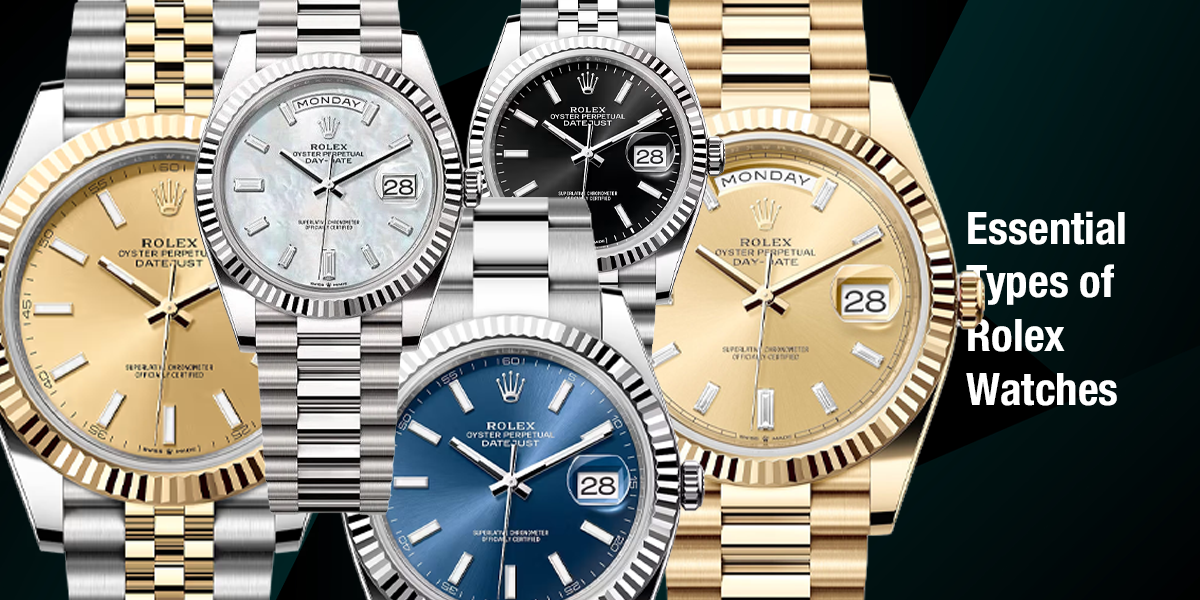
Since Rolex’s inception in 1905, the company has produced over 15 lines of timepieces, but choosing the right types of Rolex watches for your lifestyle
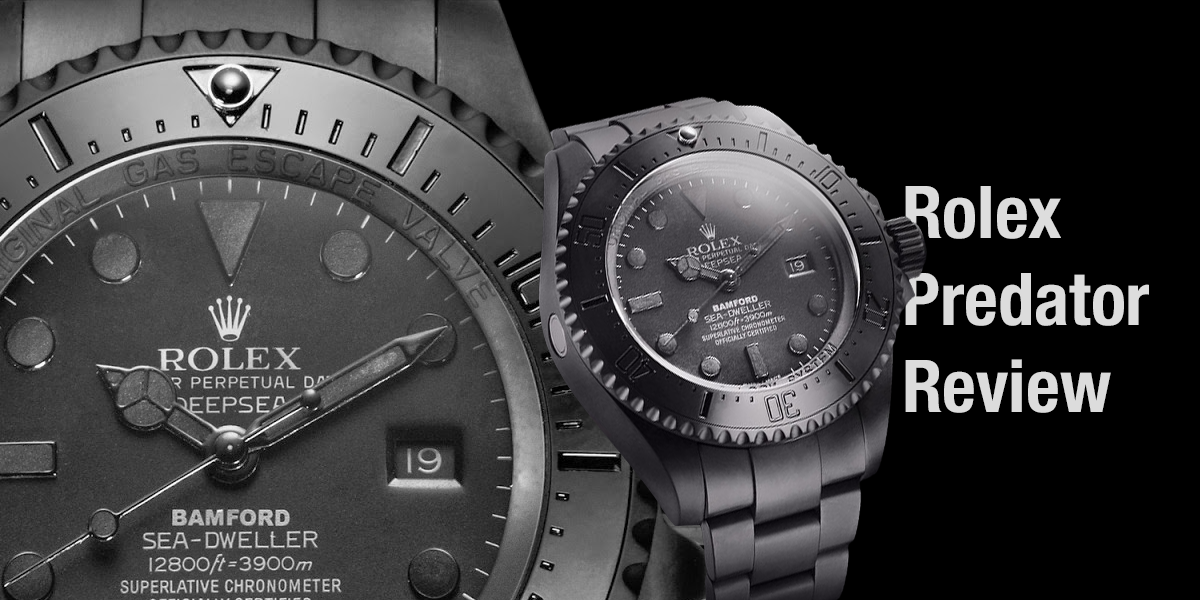
The Rolex Predator isn’t your typical luxury timepiece straight from the factory floor. You’re looking at an iconic Rolex diving watch that received a matte