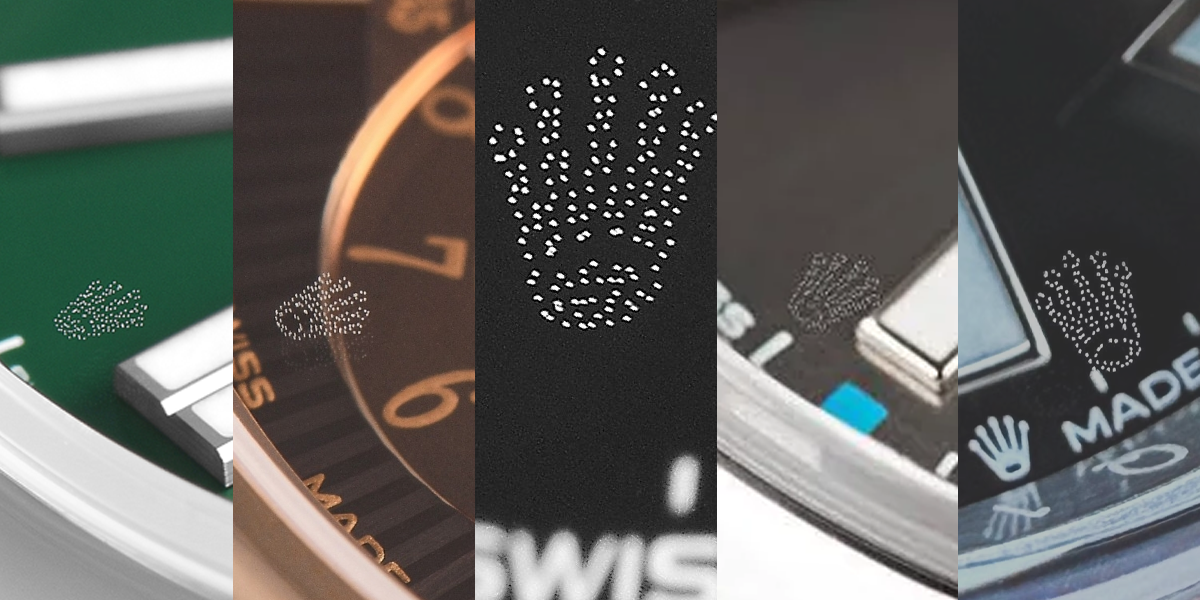
Rolex Laser Etched Crown: What It Is and How to Spot It
What Is the Rolex Laser Etched Crown The rolex laser etched crown sits at the 6 o’clock position on your watch’s sapphire crystal. You’ll struggle

Your Rolex bracelet clasp contains tiny codes that reveal significant information about its authenticity and age. Understanding these rolex bracelet codes helps buyers distinguish between genuine watches and sophisticated counterfeits.
The alphanumeric markings serve dual purposes – they determine your Rolex bracelet’s production year and verify the originality of all components. Rolex introduced their bracelet date codes system in the 1950s. The system underwent substantial changes in 1976 as Rolex adopted a specific letter to designate the year and a number to indicate the manufacturing month. The rolex bracelet year codes work with case serial numbers and create a complete authentication profile for your timepiece. A matching set of rolex bracelet serial numbers can substantially boost a watch’s value by providing verifiable proof of its origin. This piece guides you through code interpretation, explains their importance, and shows you how to use the rolex bracelet chart to date your precious timepiece accurately.
Rolex bracelet codes act as hidden signatures that tell you when your timepiece’s bracelet was made. These codes sit inside the clasp hinge and use one or two letters with a number. The letters tell you the year while the number shows which month it was made. A bracelet with “G4” stamped on it came from April 1982.
The watch’s serial number dates the case, and the clasp code tells you about the bracelet’s assembly time. This difference matters a lot to collectors and buyers who want watches with their original parts. These codes also help verify if a Rolex watch is genuine.
Vintage Rolex collectors can learn a lot from bracelet codes. A code that doesn’t match might mean someone replaced the bracelet, which could affect the watch’s value and history. A matching code makes the watch more collectible because it proves all parts are from the same period.
You might spot bracelet codes that don’t quite match the watch case date at authorized dealers. Modern Rolex watches rarely have a bracelet code that matches the case year exactly.
Gold bracelets work differently from this coding system. Their clasps usually have a four-digit number, sometimes with a letter at the end. The clasps also show stamps that tell you about the carat weight and how pure the gold is.
Rolex moved to random bracelet codes after 2011, which made dating them harder. These new codes still help verify authenticity when checked against other parts of the watch.
Rolex never officially shares this information, but watch collectors, dealers and enthusiasts have built a reliable system to understand these codes. The sort of thing I love about these codes is how they add depth to your Rolex expertise, whether you’re buying, selling, or just appreciating these horological masterpieces.
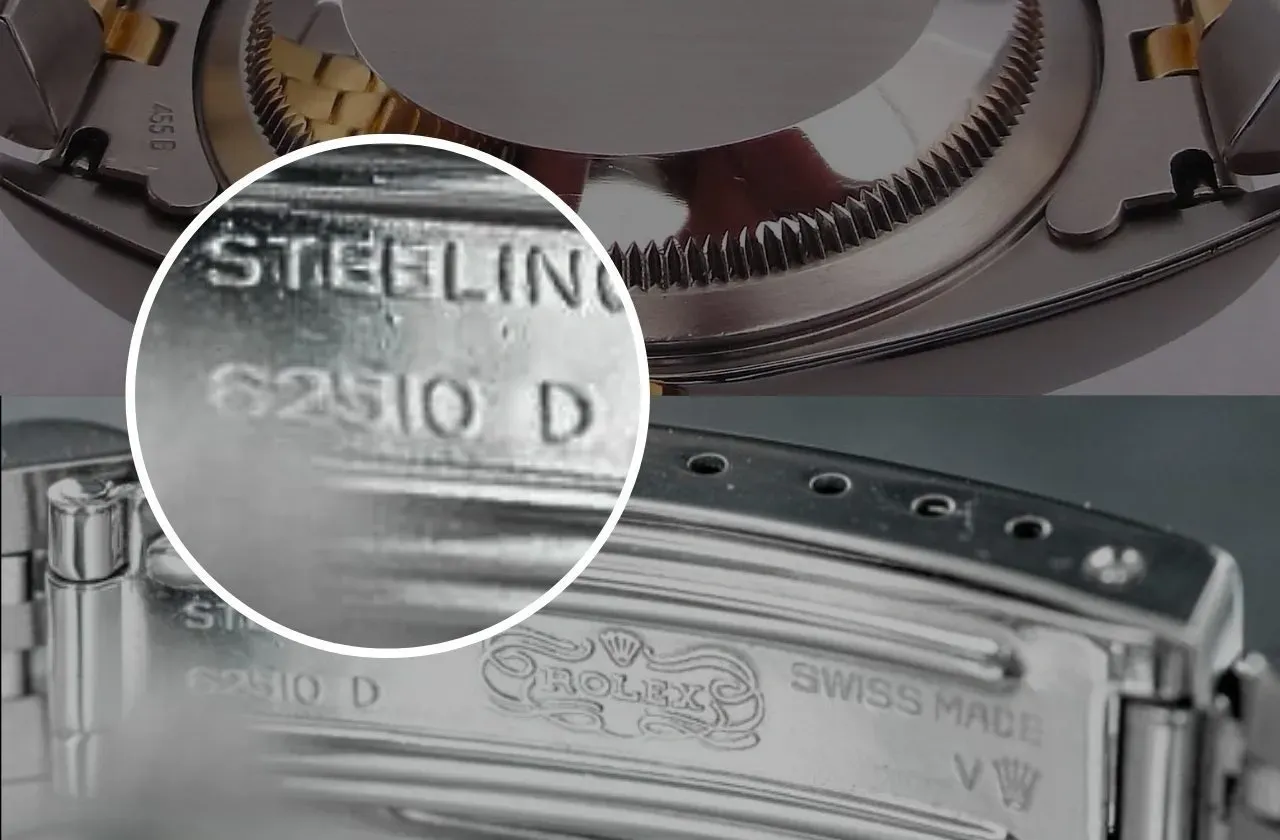
Reading and finding Rolex bracelet numbers is simple if you know the right spots to check. Older models have their clasp code inside the bracelet, right under the buckle opposite to the clasp hinge. Modern watches with solid link bracelets (6-digit model numbers) show the code on the inside of an open clasp.
The code structure follows a simple pattern – letters show the production year while numbers tell you the month of manufacture. A bracelet with “G4” means it was made in April 1982. This coding system has changed significantly over time:
Gold bracelets work differently from standard models. These luxury pieces display their code on the clasp’s underside while closed, usually as a four-digit number with an occasional letter. The clasps also feature stamps that show carat weight and gold purity.
Professional series and Datejust watches come with an extra reference number next to the clasp code. This 4-7 digit number matches the bracelet to its model. The fifth digit in these codes reveals the bracelet materials:
1 = Rose Gold and Stainless Steel
3 = Yellow Gold and Stainless Steel
4 = White Gold and Stainless Steel
5 = Rose Gold
6 = Platinum
8 = 18k Yellow Gold
9 = 18k White Gold
An “S” engraved in your Rolex clasp code shows that the clasp was replaced during service. This detail helps authenticate watches by explaining why a clasp might look newer than the watch itself.
Your Rolex timepiece has special authentication and valuation cases that go beyond standard bracelet codes. Gold bracelets stand out from typical coding patterns. These luxury models display a four-digit numeric code on the clasp’s underside while the buckle stays closed. The gold clasps also have stamps that show carat weight and gold purity.
You can spot service replacement bracelets by looking for an “S” stamp next to the year and date code. This mark helps explain why some clasps look newer than the watch without raising authenticity concerns.
American-made bracelets are quite different from European ones. Most USA bracelets don’t have date codes at all. The ones that do show month/year stamps instead of quarter/year format. These clasps are easy to spot because they’re marked with “U.S.A.”.
Professional series watches and Datejust models come with an extra reference number next to the standard clasp code. This extra code (4-7 digits) tells you which specific model the bracelet belongs to. To cite an instance:
Matching codes are vital for authentication. Collectors who focus on vintage models should know that mismatched clasp codes might point to a replacement bracelet. This can affect the watch’s originality and value. Small differences between bracelet and watch dates happen even in factory-original pieces.
Yes, it is enough for most models that the bracelet year matches somewhat close to the watch’s production year shown by its serial number. Many pre-owned watches have replacement bracelets due to damage or owner preference. This doesn’t hurt the value much as long as the replacement is genuine and fits that model.
These unique coding variations protect you by helping verify your Rolex’s authenticity and history.
Rolex bracelet codes and clasp codes are the foundations of serious watch collecting and enthusiasm. These hidden markings tell a fascinating story about your timepiece and reveal its production timeline while confirming authenticity. You can now get into the clasp of any Rolex watch and uncover valuable details about its origins.
The rise of these codes from basic two-digit year stamps to sophisticated alphanumeric systems shows Rolex’s steadfast dedication to craftsmanship and authenticity protection. The 2011 changes made precise dating more challenging, but these codes remain critical verification points to assess a watch’s legitimacy.
Note that small differences between bracelet and case dates happen naturally. Factory-original watches typically show minor date variations between components, especially when you have pieces from after the 1980s. These production variances should not cause immediate authenticity concerns.
Gold bracelets, American-made clasps, and service replacements each follow unique coding patterns. These variations create complexity but are a great way to get additional authentication checkpoints for your timepiece. The process of decoding these markings becomes second nature with practice.
This understanding elevates you from a casual Rolex owner to an informed collector who knows the historical context and production details of your luxury timepiece. These bracelet codes connect you to the legendary Swiss manufacturer’s rich horological tradition, whether you’re buying, selling, or appreciating your Rolex.
What Is the Rolex Laser Etched Crown The rolex laser etched crown sits at the 6 o’clock position on your watch’s sapphire crystal. You’ll struggle
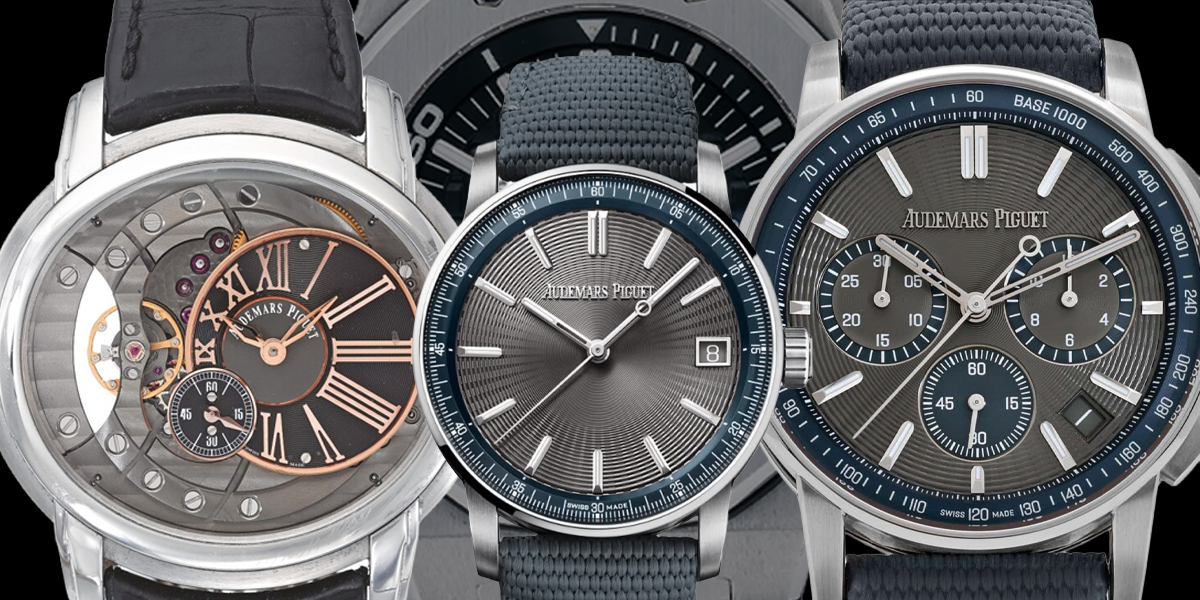
The words “cheapest AP watch” might sound contradictory for a brand that stands among the world’s most prestigious watchmakers. The entry-level AP watch market exists,
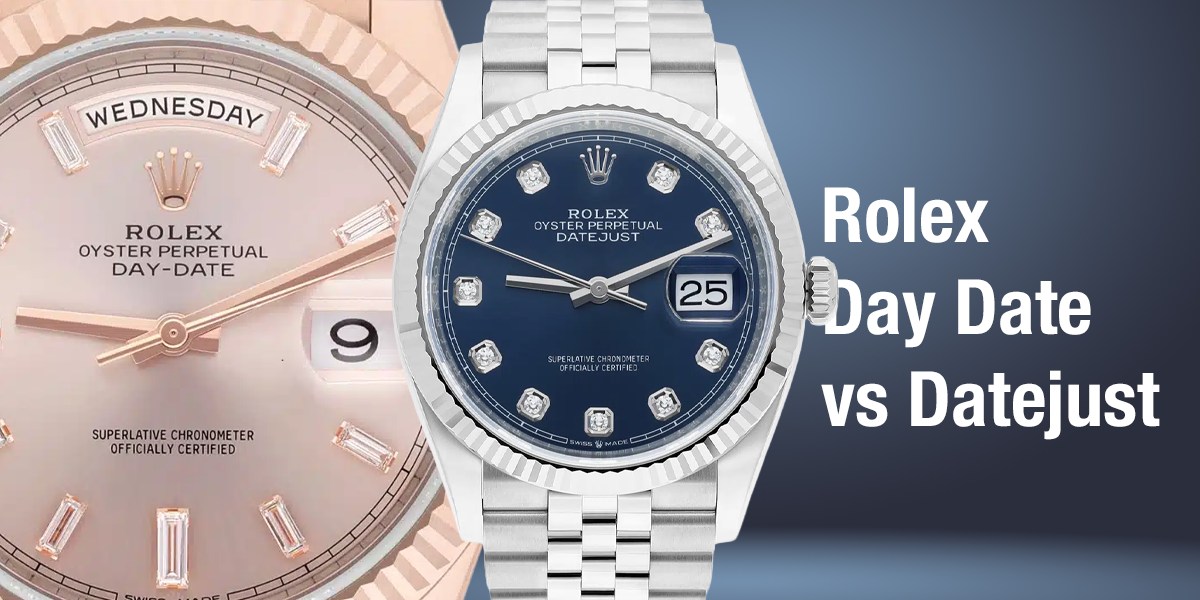
The Rolex day date vs datejust debate centers on a price gap that defines each watch’s position in the luxury market. The Datejust starts at