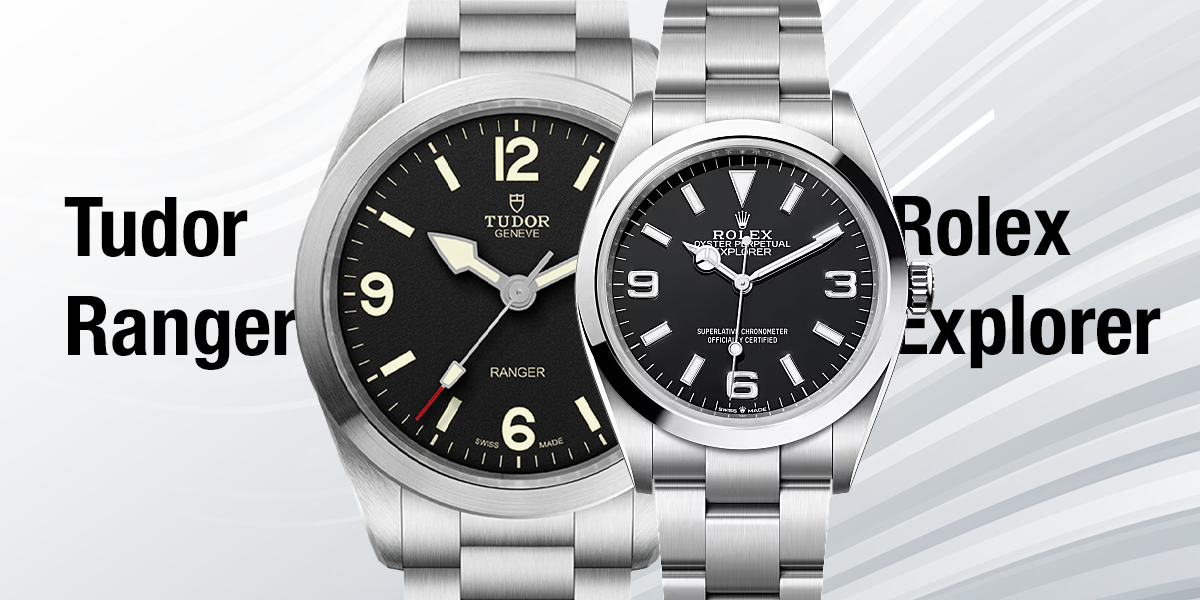
Tudor Ranger vs Rolex Explorer: Which Adventure Watch is Right for You? [2026]
The Tudor Ranger vs Rolex Explorer debate continues to spark discussion among watch enthusiasts looking for the ideal adventure timepiece. With the Tudor Ranger’s 2022

Do Breitling watches hold value over time? I’m a luxury watch enthusiast who has tracked this Swiss watchmaker’s market performance closely. The 139-year old Breitling has built a stellar reputation in the luxury timepiece world, especially when you have aviation and diving watches.
Breitling’s resale value tells an interesting story. These watches lose some value right after you buy them but tend to find stable ground in the secondary market. Each collection affects the watch’s value by a lot. You can expect entry-level models to keep 50-60% of their retail value. The iconic pieces like the Navitimer do better, holding onto 60-70% of their original price. Limited editions and discontinued models attract more collectors, which can push their worth up quite a bit.
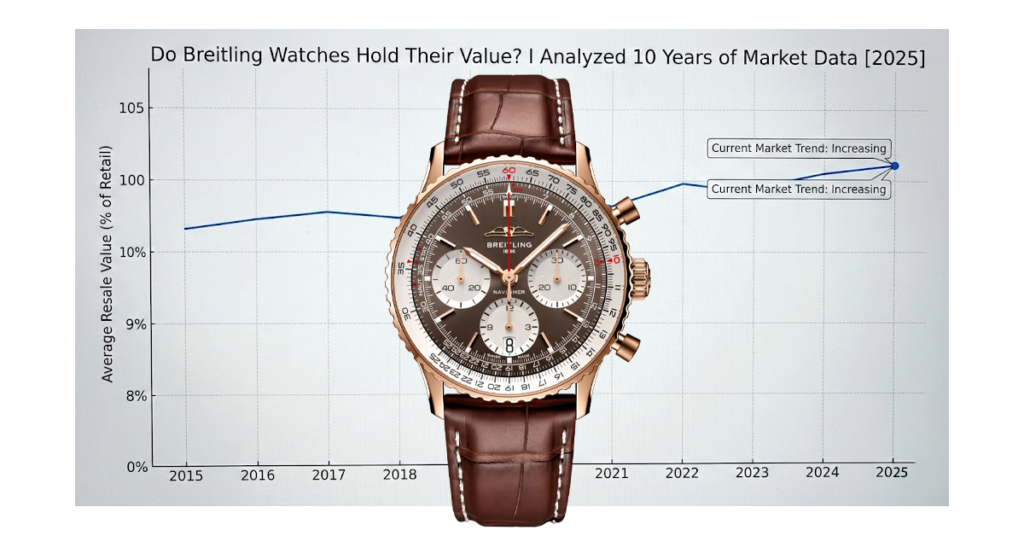
Let’s look at real numbers. The Chronomat B01 42 launched in 2020 at €7,900 and now sells for €8,650. Its asking price jumped $1,000 in just three years. The Navitimer Ref. 806 1959 Re-Edition hit the market in 2019 at €7,700 and now draws an average asking price of €8,257. But how does Breitling stack up against other luxury brands? That’s what I’ll show you with ten years of market data.
A Breitling timepiece’s lasting value comes from several factors beyond brand recognition. A closer look at what makes them valuable reveals how heritage, precision, and exceptional craftsmanship work together.
Léon Breitling started the company’s Swiss watchmaking experience in 1884 in Saint-Imier, Switzerland. This rich heritage of over 130 years is the life-blood of the brand’s prestige.
Breitling’s steadfast dedication to precision sets them apart. The company makes sure every caliber achieves COSC-certified chronometer status since 1999. The Contrôle Officiel Suisse des Chronomètres awards this certification that guarantees extraordinary accuracy. Mechanical movements must stay within -4 to +6 seconds per day, while quartz movements must be accurate to within half a second daily.
Breitling built a state-of-the-art facility called the Breitling Chronometrie in La Chaux-de-Fonds in 2001 to meet these standards. Each movement takes ten months to produce and must pass 1,000 tests to achieve COSC certification. These rigorous standards create timepieces that stay accurate throughout their lifetime and so maintain their resale value.
Breitling’s connection to aviation started in the 1930s when Willy Breitling saw flight’s future importance. Breitling’s onboard chronographs became vital cockpit instruments by the late 1930s. This bond grew stronger after Breitling created the HUIT Aviation department to develop instruments for military and civil aviation.
The British Air Ministry made a pivotal decision in 1939 when they chose Breitling to supply the Royal Air Force with onboard chronographs. The Navitimer’s launch in 1952 with its distinctive slide rule bezel let pilots make various calculations. This made Breitling the pilot’s preferred watch.
This aviation heritage helps maintain value—collectors love watches with real historical connections. The Navitimer remains Breitling’s flagship model and holds its value well. Models with military ties or those that honor specific aircraft or squadrons become highly sought after.
Breitling is one of few independent watchmakers that make their own movements. This independence marks a major achievement in luxury watchmaking. The company launched its first in-house movement—the Breitling Manufacture Caliber 01—in 2009. This innovative chronograph movement measures industry excellence with its column-wheel system and vertical clutch for precise operation.
Breitling’s quality control goes beyond industry standards. Their in-house movements must pass a 16-year accelerated aging test that includes:
About 60,000 shocks at 500G
More than 100,000 crown winds
3,456,000 oscillating weight turns
About 5,840 chronograph pusher engagements
A Breitling watch leaves the Chronometrie only after passing every test. This exceptional quality assurance gives these watches their longevity—key to holding value over time.
Models like the Chronomat with in-house movements attract serious collectors more, which might boost their long-term value. Breitling’s “sushi shop” assembly approach ensures consistent quality across production.
Breitling combines historical significance, precision certification, and manufacturing excellence to create timepieces that tell accurate time and hold their value for generations.
Several factors determine a Breitling timepiece’s value in the secondary market. These Swiss timepieces follow predictable patterns based on specific attributes, unlike other luxury items where resale value depends on chance.
A Breitling watch’s physical condition directly affects its resale value. Timepieces without major scratches, dents, or wear naturally sell for higher prices. The internal condition matters just as much—buyers prefer watches that keep accurate time and work perfectly rather than those that require major repairs.
Regular maintenance is the life-blood of value preservation. You retain control over your watch’s long-term value by following Breitling’s service schedules at authorized centers. Your watch’s worth increases when you keep all original parts, including the bracelet or strap. Sometimes, proper restoration with authentic parts can boost a timepiece’s value, though too much restoration might reduce its appeal to collectors.
“Box and papers” can make a huge difference in luxury timepiece resale prospects. Market analysis shows watches with original documentation and packaging sell 13.1% faster than those without. Price differences are even more striking:
Standard models like the Rolex Submariner 16610 sell for about 17.8% more with box and papers
Original packaging adds 13.2% to Omega Speedmaster Moonwatch prices
Pre-ceramic Rolex GMT-Master II collectors’ models can fetch 23.3% more with complete documentation
A “full set” Breitling with warranty card, instruction manual, certificates of authenticity, serial number documentation, and original box represents the best resale package. Collectors still value original presentation materials highly, even though Breitling now uses recycled materials in their packaging.
Rarity often means higher value in luxury watches. Limited edition Breitling models made in small numbers or those commemorating special events tend to hold their value well. Vintage Breitling timepieces in good condition become more valuable as fewer pieces remain available.
Notwithstanding that, rarity alone doesn’t guarantee value—collectors must want the model. Limited editions typically gain value over time due to their restricted numbers, while regular Breitling models might not appreciate as much.
Broader economic changes and shifting buyer priorities affect the luxury watch market. Economic stability usually increases luxury watch demand, which can lead to higher resale values. Heritage brands with strong identities have gained more appreciation over the last several years, benefiting Breitling.
Market trends can change quickly. Celebrity endorsements, media appearances, and fashion changes all affect how desirable certain Breitling models become. Most brands and models have seen price drops in the last 12-18 months as the watch market has changed dramatically.
Smart collectors make better buying and selling decisions by staying informed about these trends. Understanding market dynamics helps maximize potential returns for anyone who thinks about Breitling as an investment.
My analysis of market data over the past decade reveals five Breitling models that hold their value remarkably well. These timepieces showcase Breitling’s finest craftsmanship and have proven to be solid investments.
![Do Breitling Watches Hold Their Value? I Analyzed 10 Years of Market Data [2026]](https://watchmydiamonds.com/wp-content/uploads/2022/12/Breitling-Navitimer-B01-Chronograph-AB0139241C1P1-1-300x300.jpg)
The Navitimer leads Breitling’s lineup in resale market value. Since its 1952 debut, this iconic aviation timepiece features a unique slide rule bezel for pilot calculations. Its distinctive design and practical versatility help well-kept pieces retain much of their purchase price. The market particularly values vintage Navitimers from the 1950s and 1960s, with AOPA logo models bringing top auction prices. Limited editions often sell at premium rates, and modern versions average €5,015.
![Do Breitling Watches Hold Their Value? I Analyzed 10 Years of Market Data [2026]](https://watchmydiamonds.com/wp-content/uploads/2024/11/Breitling-Chronomat-GMT-A32398101L1A1-1-1024x1024.jpg)
The Chronomat started as a pilot’s chronograph in the 1980s and evolved into a versatile sports watch that holds its value well. You can spot it by its rider tabs on the bezel and bold styling. The Chronomat B01 42’s price jumped from its 2020 launch price of €7,900 to €8,650, showing a €1,000 increase in three years. Limited editions tied to aviation and motorsports partnerships perform exceptionally in the secondary market.
![Do Breitling Watches Hold Their Value? I Analyzed 10 Years of Market Data [2026]](https://watchmydiamonds.com/wp-content/uploads/2023/10/Breitling-Superocean-A17376211B1S1-1-1024x1024.jpg)
Dive enthusiasts love the Superocean, which helps maintain its value. Its reliable construction, water resistance, and bold design attract sports watch fans. The Superocean Heritage line blends vintage charm with modern technology, and well-maintained pieces do great in the resale market. These models typically sell between USD 2,000 and USD 4,500, depending on their condition and specific reference.
The Emergency watch stands out with its built-in distress beacon, which has saved lives since 1995. Collectors prize this unique feature, especially in limited editions. A rare 18k gold Emergency Limited Edition with distress beacon surprised everyone at auction, selling for USD 17,640—far above its USD 5,000-8,000 estimate. The limited production runs boost resale values, with white gold versions reaching USD 33,000.
![Do Breitling Watches Hold Their Value? I Analyzed 10 Years of Market Data [2026]](https://watchmydiamonds.com/wp-content/uploads/2024/09/Breitling-Top-Time-B01-Triumph-Chronograph-AB01764A1C1X1-1024x1024.jpg)
The Top Time started as an affordable chronograph in the 1960s and has grown significantly in value. Watch enthusiasts love its clean design and varied dial configurations. Early Top Time models, especially those with exotic “Zorro” dials, have seen their values soar. James Bond’s connection in “Thunderball” adds to its appeal—the actual Bond watch made headlines when it sold for £103,875 at auction in 2013, after someone found it at a car boot sale for just £25.
A comparison between Breitling and major industry players reveals interesting patterns about their value retention. Let’s look at how different brands match up.
Rolex clearly beats Breitling when it comes to resale value. These watches hold onto a higher percentage of their original price after sale. Rolex’s exceptional brand recognition gives them this edge – everyone knows what a Rolex is, while Breitling doesn’t enjoy the same level of recognition.
Market data tells an interesting story. Rolex leads with 62,215 listings on resale sites, while Breitling sits at fourth place with 8,968 listings. Pre-owned watch searches paint a similar picture – Rolex pulled in 798,900 searches versus Breitling’s 78,090 during a recent 12-month period. In spite of that, Breitling delivers excellent quality at a more available price point.
Omega performs better than Breitling in value retention, claiming second place with 22,209 resale listings compared to Breitling’s fourth spot. This gap reflects their unique heritage paths. Breitling rules the skies through its aviation connections, while Omega made history as the first watch worn on the moon.
Recent market challenges have affected both brands similarly. Breitling’s prices dropped 6.3% while Omega saw a 6% decline in the last year. Omega maintains stronger global recognition and has consistently ranked among the top three Swiss watch brands from 2017 to 2023.
Breitling watches typically sell for more than TAG Heuer pieces on the resale market. TAG Heuer’s brand value stands at 764,000,000 CHF – more than double Breitling’s 359,000,000 CHF.
This seeming contradiction stems from their market positions. Breitling starts at higher price points, while TAG produces more entry-level watches. Both brands excel at chronographs, but each has its specialty. Breitling focuses on aviation timepieces while TAG Heuer connects strongly with motorsports. Breitling watches hold their value better, though TAG Heuer enjoys wider market recognition.
Your Breitling watch can be a great investment if you take good care of it. My years of studying resale patterns have taught me four key ways to protect your timepiece’s value.
The way you store your Breitling affects how well it holds its value. Your watch needs a cool, dry spot away from sunlight – temperatures above 60°C can harm the internal parts. Keep your timepiece away from chemicals, solvents and magnetic fields that might damage seals or discolor straps. Leather straps need special attention – keep them away from water, sweat, perfumes and cosmetics. If your watch touches chlorinated or salt water, give it a gentle rinse under tap water and dry it well with a soft cloth.
Your Breitling needs regular care from professionals to keep its value. The company suggests maintenance every 2 years and full servicing every 4-6 years. Pick only Breitling authorized service centers – their watchmakers get special training and use real Breitling parts. These experts work in special rooms with exact humidity (35-40%) and temperature (72°F) settings. A complete service history helps sell your watch because it shows you’ve taken good care of it.
The original paperwork adds real value to your watch. Save everything – warranty cards, manuals, and authenticity certificates. Collectors love a “full set” that includes the original box and all accessories. Watches with complete papers sell 13.1% faster than those without. These materials prove your watch is genuine and tell its story.
Smart timing helps you get the best price. The luxury watch market moves in cycles based on the economy, brand popularity, and auction results. Watch for times when your model gets attention from celebrities or buzz on social media. Big auction sales of similar watches can also push prices up. Sometimes it’s smart to sell before new models come out so your watch doesn’t lose spotlight.
A ten-year analysis of market data shows Breitling watches hold their value well, though they rarely see dramatic price increases. Most models lose value at first before finding their sweet spot at 50-70% of retail price. Some limited editions and heritage pieces do much better in the market.
The Navitimer remains Breitling’s best bet for investment. This iconic pilot’s watch brings strong resale prices, especially older models with AOPA logos or from limited production runs. On top of that, the Chronomat and Superocean have shown steady market strength through the years.
Breitling sits in the middle when compared to major watch brands. Rolex leads the pack with better brand recognition and resale values. Omega performs slightly better than Breitling because of its space heritage. TAG Heuer, despite being more widely recognized, tends to hold less value.
The way you care for your watch can make a big difference in its future value. Your watch will be worth more if you get it serviced at authorized centers, store it properly, and keep all the original packaging. Timing matters too – watching market trends and selling during peak interest periods brings the best returns.
Breitling makes sense for collectors who want quality timepieces that hold decent value. These watches combine exceptional craftsmanship with real aviation heritage and prestigious Swiss watchmaking tradition. While most Breitling models won’t make you rich, they give you something maybe even better – a beautiful, historically important timepiece that keeps most of its value over time.
The Tudor Ranger vs Rolex Explorer debate continues to spark discussion among watch enthusiasts looking for the ideal adventure timepiece. With the Tudor Ranger’s 2022
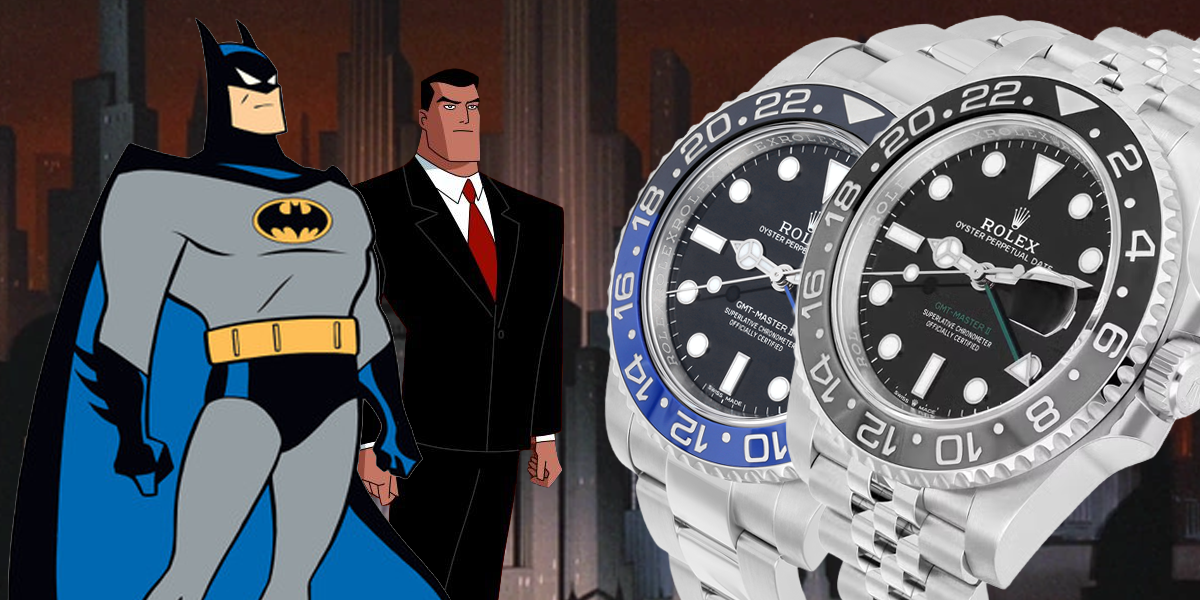
The Rolex Batman vs Bruce Wayne debate has become one of the hottest topics among GMT-Master II collectors. These two models share the iconic 40mm
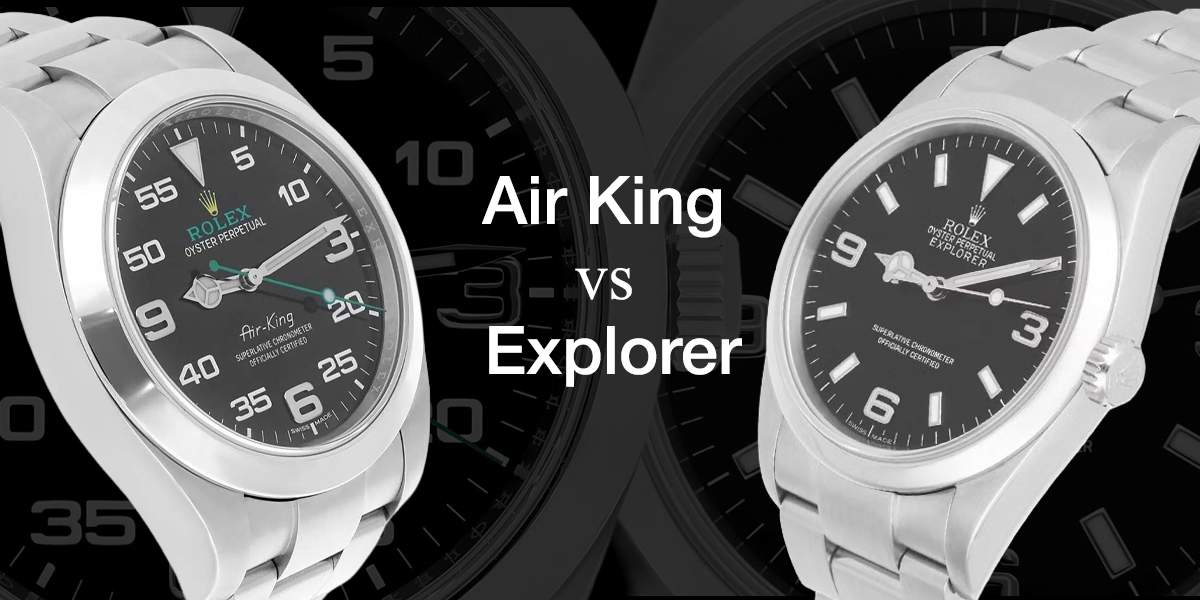
You’re looking at two of the brand’s most available yet underrated timepieces at the time you compare the Rolex Air King vs Explorer. Models like