You can save hundreds or thousands of dollars by buying used watches instead of new models. Luxury timepieces serve as more than just fashion accessories – they become family heirlooms that pass down through generations. This shows their amazing ability to hold value and stay desirable over time.
Table of Contents
The pre-owned luxury watch market gives you instant access to rare and discontinued models that often have long waiting lists for new pieces. The market is booming, but it comes with risks, especially when you have to deal with sophisticated counterfeits that look almost identical to genuine pieces. You need to learn how to verify authenticity before making any purchase.
Seasoned collectors and first-time buyers alike must be careful about where they buy used watches. This piece will give you the expert strategies to buy used luxury watches with confidence, whether from certified pre-owned dealers or online marketplaces. You’ll learn to assess condition, verify documentation, and make smart purchases that could grow in value as time passes.
In this guide, you will learn how to buy used watches effectively, ensuring you make educated decisions while navigating the market.
Why Buy Used Watches Instead of New
How to Buy Used Watches
The pre-owned luxury timepiece market has seen remarkable growth and now makes up almost one-third of the luxury watch market. Market projections suggest these watches will represent nearly half of all watch sales by decade’s end. The benefits of buying used timepieces can help collectors make smarter purchasing decisions.
Cost savings and value retention
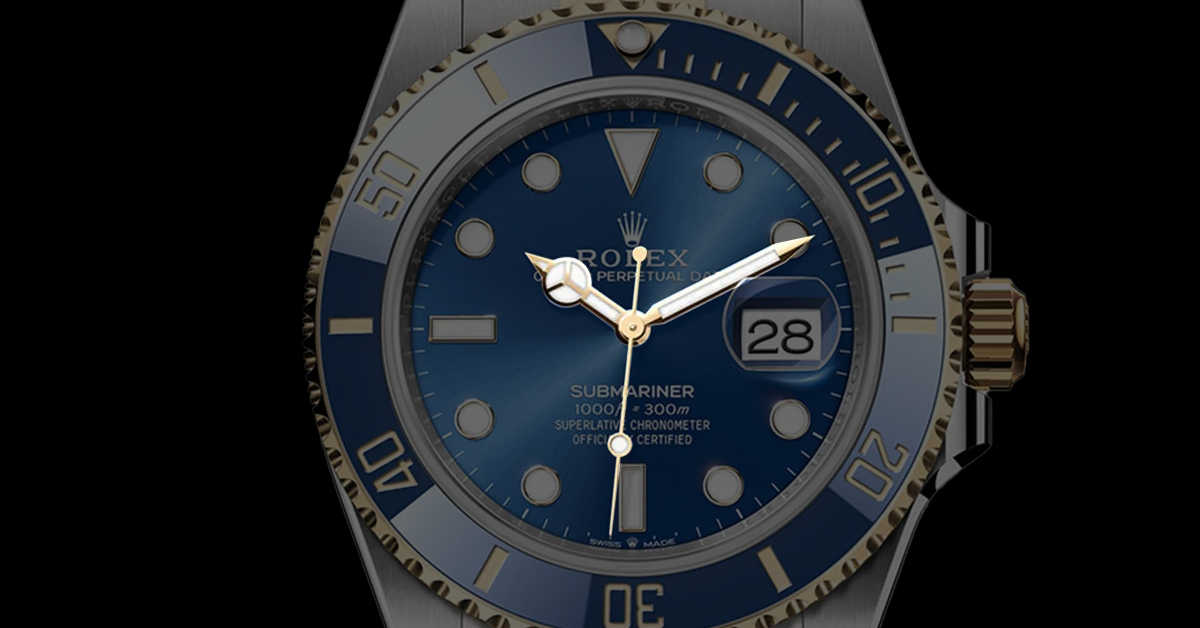
Buying pre-owned watches offers significant financial advantages. A new luxury timepiece loses 20-40% of its value right after purchase. A stainless steel Rolex Submariner from the 1990s or 2000s in excellent condition costs between $4,000-$6,000 on the secondary market. That’s a 25-50% discount compared to its $8,000 new price tag.
Pre-owned watches have already taken their biggest depreciation hit. Some models actually gain value. The Submariner Date 116610LN’s price jumped 25% in three years after Rolex discontinued it in 2020. The Audemars Piguet Royal Oak “Jumbo” performed even better with a 210% value increase just one year after discontinuation.
Access to rare or discontinued models
The secondary market is a rich source of discontinued and limited-production watches you won’t find in retail stores. Examples include the Omega Speedmaster Professional Moonwatch, vintage Cartier Tank models, and classic Rolex references.
The market also features region-specific pieces like Seiko Japan Domestic Market models that were sold only in Japan. These rare timepieces often become more valuable as supplies decrease and collector interest grows.
Immediate availability and wider selection
New luxury watch buyers might wait several years to get popular models like the Rolex Daytona or Audemars Piguet Royal Oak. The pre-owned market gives immediate access to these sought-after pieces.
The secondary market provides an unmatched variety of brands, eras, and styles. This extensive selection helps you find exactly what appeals to your taste, from modern sports watches to vintage dress pieces from past decades.
How to Spot a Genuine Timepiece
Authenticity is the biggest concern when buying pre-owned watches. Fake watches have become more sophisticated, and you need to verify before making any purchase. Here are some practical steps to make sure you’re buying the real thing.
Check serial and reference numbers
Luxury watches come with unique serial and reference numbers usually found on the case back, between lugs, or inside the case. Take a magnifier to check these numbers first – real engravings are precise and shine like finely cut diamonds. Fake watches often show blurry, dotted, or acid-etched numbers with rough textures. You can also check these numbers in manufacturer databases or trusted online tools. Many counterfeiters use similar serial numbers on different models, while real manufacturers give each watch its own unique identifier.
Look for original box and papers
Original papers boost a watch’s value by about 25% and help prove it’s real. So take time to check warranty cards, authenticity certificates, manuals, and receipts. Make sure the serial numbers on papers match the watch. The real packaging uses quality materials with precise printing and matches the brand’s style. All the same, papers alone don’t guarantee authenticity since they’re easier to fake than the watches.
Use trusted sellers and platforms
Ten-year old dealers with solid reputations are your best defense against fakes. Watch specialists, authorized dealers, and certified pre-owned sellers do thorough authenticity checks. Be careful with person-to-person markets like eBay or Craigslist – they mostly connect buyers and sellers without guaranteeing authenticity. These platforms might be convenient but carry more risks unless they offer specific authentication services.
Think over third-party authentication
Independent authentication services give you unbiased verification from certified experts. These experts check everything from movement to crown, bezel, dial, case, and serial numbers. Verified watches get certification cards showing they passed inspection. Third-party authentication costs extra but is a great way to get peace of mind when investing in luxury watches.
Best Places to Buy Used Watches
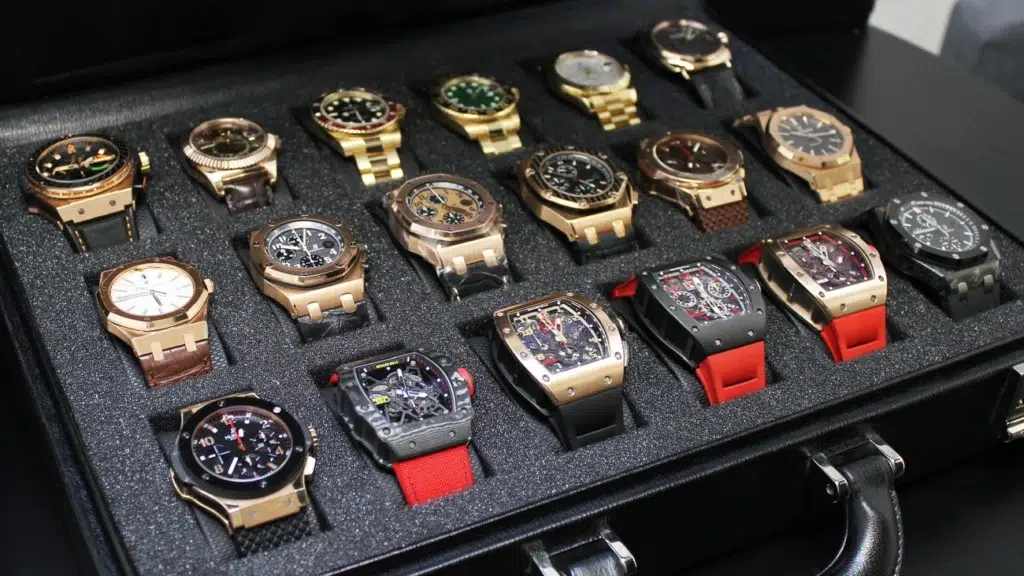
Image Source: CRM Jewelers
Collectors and enthusiasts need reliable sources to buy pre-owned timepieces. The marketplace has grown substantially over the last several years and offers multiple ways to buy used watches with different levels of security and authentication.
Certified pre-owned dealers
Certified pre-owned (CPO) dealers are the safest way to buy used watches. Tourneau’s detailed 30-point inspections on every timepiece come with two-year warranties that cover internal movement defects. Watch My Diamonds carefully inspects and authenticates each watch through third-party experts to guarantee 100% authenticity. We also restore watches to original factory specifications and replace worn parts with authentic manufacturer components.
Online marketplaces and auctions
Online platforms have transformed the pre-owned watch market completely. Chrono24’s secure Escrow Service protects your payment for 14 days after delivery, so you can inspect your purchase properly. eBay has enhanced its buyer protection with authentication for watches over $2,000. WatchRecon and EveryWatch compile listings from forums and track market data that help you research pricing trends before buying. Visit our official profiles on those platforms to check our live inventory.
Private sellers and peer-to-peer platforms
Buying directly from fellow collectors often means better prices but comes with extra risks. Communication becomes vital when dealing with private sellers—you should ask for identity verification and references from watch forums. Detailed photos and descriptions help you assess authenticity. A detailed bill of sale with both parties’ signatures protects your investment.
Local watch shops and consignment stores
Physical stores let you examine watches in person before buying. Local jewelers and watch shops often have pre-owned selections where you can build relationships with the core team. Auction houses like Bonham’s, Christie’s, and Sotheby’s regularly sell vintage watches with expert authentication.
Note that the best place to buy pre-owned watches online depends on how comfortable you are with risk and your need for authentication guarantees.
Making the Purchase with Confidence
The last steps of buying a pre-owned watch need careful thought and attention. You’ll feel more confident about your purchase by doing this in a systematic way.
Evaluate condition and service history
Take a good look at the watch’s physical condition before you buy it. Look for scratches, dents, or signs that show poor polishing on the case. The finishes should match and lug profiles need to be symmetrical. Your watch’s dial shouldn’t have any discoloration or damage that might show water damage. A stretched or worn-out bracelet can affect the value by a lot.
The service history papers are just as crucial. A watch that’s been serviced works best, but one without maintenance records might need immediate work – factor this cost into your price negotiations. Original manufacturer service papers add a big boost to your watch’s value.
Understand pricing and market trends
Do your homework on current market values so you don’t overpay. Check prices on different platforms to know the realistic range for your model. It’s worth mentioning that watches in great condition with full documentation usually cost 15-30% more than those without papers.
Keep up with market changes through industry magazines and auction results. The timing of your purchase matters – dealers might give better deals near the end of month or quarter to hit their sales goals.
Negotiate respectfully and set a budget
Set a firm budget and stick to it, whatever emotional pull you feel. Skip starting negotiations with “what’s your best price?” or low-ball offers. Build a connection first by introducing yourself and showing real interest in the watch.
Share your research politely if you think the watch costs too much. Your negotiating position gets stronger when you offer more than just money – like writing reviews, making referrals, or sharing on social media.
Use secure payment and verify return policies
Choose secure payment options like escrow services that protect your money until you check the watch. Wire transfers often get you a better price on bigger purchases.
Read the return policies before you buy. Good dealers usually give you 3-14 days to inspect the watch, but terms vary. Know about restocking fees (usually 2-10%) and insurance needs for returns. Get return authorization numbers and document your watch’s condition when it arrives.
Conclusion
Pre-owned luxury watches make perfect sense for collectors at any level. This piece shows how these timepieces can save you money while giving you access to hard-to-find models. On top of that, luxury watches hold their value well, and some discontinued pieces have grown substantially in worth over time.
Authentication is the life-blood of a good purchase. You need to verify serial numbers, check original papers, and buy from trusted sources to stay safe from clever fakes. Quality watches come with exact engravings, premium materials, and consistent details that fake ones just can’t match.
Your choice of where to buy will shape your experience. Certified pre-owned dealers give you the most security, though at premium prices. Online platforms are convenient and offer different levels of protection. Local shops let you check the watch in person—a great way to get a full picture of its condition.
The second-hand watch market keeps growing faster, and experts say it could make up half of all luxury watch sales by 2030. This growth shows how these quality timepieces remain attractive as investments. The knowledge from this piece helps you direct your way through this market to find watches that you’ll love wearing and that might gain value.
Patience is your best friend when looking for that perfect pre-owned timepiece. Take your time to study the market, look closely at each option, and negotiate fairly. The ideal watch at the right price is out there for those who do their homework and think things through carefully.
FAQs
What are the main advantages of buying used luxury watches?
Purchasing pre-owned luxury watches offers significant cost savings, access to rare or discontinued models, and potential for value appreciation. You can often find high-quality timepieces at 20-40% less than retail prices, with some models even increasing in value over time.
How can I verify the authenticity of a used watch?
To authenticate a used watch, check the serial and reference numbers, examine the original box and papers, and consider third-party authentication services. Look for precise engravings, high-quality materials, and consistent details. Purchasing from reputable sellers also reduces the risk of buying counterfeit watches.
Where are the best places to buy pre-owned watches?
The best places to buy pre-owned watches include certified pre-owned dealers, reputable online marketplaces, and local watch shops. Certified dealers offer the highest level of assurance, while online platforms provide convenience and often have buyer protection policies. Local shops allow for in-person inspection before purchase.
What should I look for when evaluating the condition of a used watch?
When evaluating a used watch, inspect the case for scratches or dents, check the dial for discoloration, and examine the bracelet for wear. Also, review the service history and documentation. A recently serviced watch is ideal, while one without maintenance records might require immediate attention, affecting its value.
How can I ensure a safe transaction when buying a used watch?
To ensure a safe transaction, use secure payment methods like escrow services, especially for high-value purchases. Carefully review return policies, understand any restocking fees, and always obtain return authorization numbers. Building rapport with the seller and conducting thorough research on market prices can also help in negotiating a fair deal.
Enjoying our watch coverage? Get more of it in Google Search.