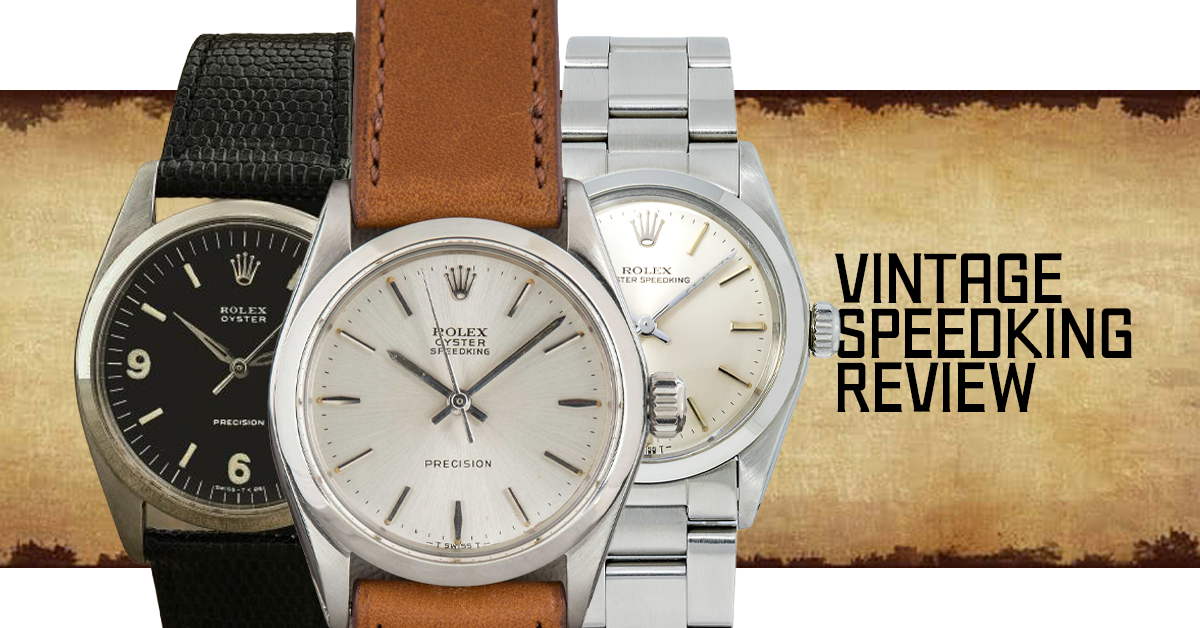
Rolex Speedking Review: Why This Vintage Watch Still Turns Heads in 2026
The Rolex Speedking has a story that few luxury watches can match. This remarkable timepiece got its name from Sir Malcolm Campbell, the legendary “King

Ever wondered about those Mercedes hands that appear on most iconic Rolex timepieces? The true story behind these three-pointed star hour hands remains a mystery, even though they’ve been a key design element since the mid-1950s.
The “Mercedes-style hands” (Rolex’s official term) first showed up on the Explorer ref. 6150 in 1953 and quickly became a signature feature on many Rolex models. About 60% of all dive watches now sport this distinctive design. Rolex never confirmed what inspired these hands, which led to some fascinating theories. Some people think they represent land, sea, and air – just like the Mercedes car logo’s different modes of transport. Others link them to swimmer Mercedes Gleitze or Hans Wilsdorf’s German roots.
These iconic watch hands aren’t just about looks – they serve a real purpose. Their unique design lets Rolex apply more luminous paint, which makes them easier to read in dark conditions. The design also helps tell the hands apart when they cross over each other. The newly released 1908 Rolex model stands alone in 2023 as it breaks away from this tradition with a simple ring design instead.
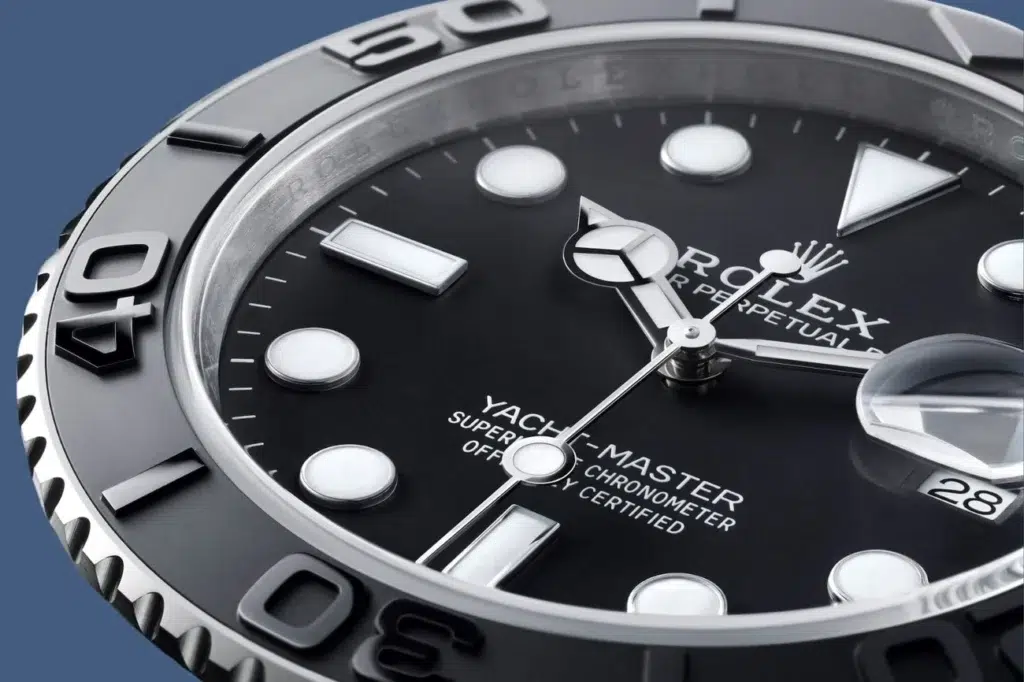
The three-pointed star on the hour hand stands as the life-blood of Rolex’s design language, especially when you have their sports models. Watch enthusiasts and journalists call it the “Mercedes-style” hands, though Rolex never officially uses this term. All the same, this unique feature has grown into one of the brand’s most recognizable signatures.
We spotted Mercedes hands mostly in Rolex’s professional sports watch collection. Today, this iconic design appears on the Submariner, Submariner Date, GMT-Master II, Explorer, Explorer II, Sea-Dweller, Deepsea, Yacht-Master, Yacht-Master II, and Air-King models. About half of all Rolex timepieces made today showcase this distinguished hour hand. Traditional stick hands grace the rest of the Rolex catalog, creating a clear visual difference between their sports and dress collections.
The newly released 1908 Rolex model in 2023 stands out from other sports watches. It features a modified version where a simple ring replaces the iconic three-pointed star.
The Mercedes hand design first showed up on the Explorer ref. 6150 in 1953. Early Submariner models didn’t always have this style. They started with pencil-style hour hands featuring ‘lollipop’ and ‘big bubble’ minute hands.
The Mercedes hands might have evolved from “cathedral hands,” a style that ruled the 1920s and 1930s. Cathedral hands had a broad base that tapered to a pointed arch shape. This created three open spaces that looked similar to the Mercedes star symbol. Military watches already used these hands, suggesting Rolex put their own twist on a 30-year-old functional design.
The Mercedes hands became iconic because they perfectly balanced form and function. Watch designers know that hour and minute hands need to look different to work well. The Mercedes design nails this – its circular marker with three-pointed star creates a unique silhouette that stands apart from the sword-shaped minute hand.
This distinctive hand design now expands throughout the watch industry. The Mercedes hand design influences watches of all types. It appears on about 60% of dive watches in production today. This makes it more than just a Rolex signature – it’s a true horological icon.
Watch lovers have debated the story behind Rolex’s iconic Mercedes hands for decades. The company never gave an official explanation, which led to several interesting theories about this unique design choice.
Many people link the three-pointed star to the environments where Rolex’s professional watches shine. This view suggests each point stands for a different realm: land (Explorer), sea (Submariner), and air (GMT-Master). The Mercedes-Benz logo represents these same three modes of transport—a connection that makes this theory more believable.
But this theory has major flaws. The Mercedes hands first showed up on the Explorer ref. 6150 in 1953, before the GMT-Master’s 1954 release. The early Submariner models from 1953 came with pencil-style hour hands with “lollipop” and “big bubble” minute hands instead of the Mercedes design. These dates make the three-environment theory hard to believe.
Another fascinating theory connects the hands to British swimmer Mercedes Gleitze, Rolex’s first brand ambassador. Gleitze made history in 1927 by swimming the English Channel. She wore a Rolex Oyster around her neck for over 15 hours in freezing waters. The watch stayed dry and worked perfectly, proving Rolex’s waterproof claims beyond doubt.
So this achievement became the centerpiece of Rolex’s marketing and remains part of the brand’s story today. Some think the Mercedes-shaped hour hand quietly honors Gleitze’s role in Rolex’s success. The weakness in this theory lies in mixing up Mercedes Gleitze with Mercedes-Benz—they’re two completely different names.
Some people hypothesize the design honors founder Hans Wilsdorf’s German roots by using the famous German car logo. This theory seems nowhere near possible.
Wilsdorf was born in Kulmbach, Germany, but called London his true home and started Rolex there. On top of that, he openly backed the Allies during World War II and helped replace watches for war prisoners. These facts, plus the hands’ arrival in the mid-1950s right after WWII, make a German tribute highly unlikely.
The Mercedes hands on Rolex watches serve vital practical purposes beyond the speculation about their origins. These hands perfectly demonstrate how form and function work together – a fundamental principle of exceptional watchmaking.
Rolex’s luminous hands are built like a window. A metal frame surrounds an open space filled with luminescent paint instead of glass. The luminous material becomes more brittle and prone to cracking as this open space grows larger. The three-pointed star design creates separate sections in the hour hand that provide more stable areas to apply luminescent paint.
This three-part construction showcases smart engineering. The space divided into three sections creates the perfect balance between structural support and maximum luminous material. Additional sections would make the material more stable but reduce the amount of luminescent paint that could be applied.
Mercedes hand design makes each watch hand visually different from others. The circular element with its three-pointed star helps you identify the hour hand immediately, even when the minute hand covers part of it.
This difference helps you read time accurately, especially when you have challenging conditions. The unique Mercedes hour hand clearly stands apart from the sword-shaped minute hand, making Rolex watches easy to read in low-light settings. The design works so well that about 60% of all dive watches now use it.
Mercedes hands likely developed from cathedral hands, a style common in early timepieces. Cathedral hands, which look like cathedral spires, existed before Rolex introduced the Mercedes hour hand.
Cathedral hands look appealing but don’t match the Mercedes hands’ instant readability. Cathedral hands’ long, pointed shape makes them harder to spot in certain conditions compared to the Mercedes hands’ circular marker with its three-pointed star. The Mercedes hand design took the cathedral style and made it better for professional use.
Most luxury brands proudly showcase their design heritage, but Rolex keeps quiet about their iconic Mercedes hands’ origins. This silence isn’t random or unexpected—it matches the company’s typical approach to corporate communication.
Rolex’s secretive nature stems from its unique ownership structure. The company moved to the Hans Wilsdorf Foundation after Hans Wilsdorf’s death. This not-for-profit foundation owns Rolex exclusively, which lets the company run without shareholder oversight or external pressure. Such a corporate setup helps Rolex avoid financial disclosure rules that affect public companies.
The foundation’s structure lets Rolex keep everything confidential. Staff members sign strict non-disclosure agreements, and nobody can take photos inside Rolex facilities. This privacy shield covers everything from manufacturing to management structures, profit margins, and design inspiration sources.
Rolex keeps its past under wraps too. The company doesn’t maintain public archives and shares minimal historical details with researchers and journalists. Historian Pierre-Yves Donzé points out that “Rolex fiercely guards and controls the historical narrative surrounding the brand and its soaring win.”
The company doesn’t even use the term “Mercedes hands” officially. Watch journalists came up with this name decades ago. Rolex’s reluctance to use this popular term hints that the design might not link to Mercedes-Benz, Mercedes Gleitze, or any symbolic meanings that fans suggest.
Watch enthusiasts must rely on educated guesses and historical context without official records. Researchers piece together Rolex’s story through mentions in letters with institutions, governments, and trade groups since direct company information stays locked away.
The Mercedes hands mystery shows how Rolex develops its exclusive image. The company neither confirms nor denies theories about this iconic design, which adds to its mysterious appeal. This careful ambiguity turns a simple design element into something more intriguing—simply because its real story remains hidden.
Rolex watches feature a three-pointed star that has become an icon of exceptional design and remains a horological mystery. Watch enthusiasts have speculated about its origins for decades, yet the true inspiration behind these hands remains unknown. These hands have proven their worth through better legibility, stable lume performance, and a design that people recognize instantly.
The unique hands made their debut on the Explorer in 1953 and soon became standard across Rolex’s professional watches. Their practical benefits explain why they caught on so quickly, though their deeper meaning still puzzles collectors. People have suggested various theories – from representing exploration by land, sea and air to honoring Mercedes Gleitze’s Channel swim or Hans Wilsdorf’s background. None of these ideas have solid proof.
Rolex’s choice to stay quiet about the design’s origins fits their secretive nature perfectly. A simple functional element becomes more fascinating because of this mystery. Some things are better left unexplained.
The Mercedes hands stand as watchmaking icons, regardless of whether you see them as clever engineering or symbols of something deeper. Few design elements have shaped the industry or gained such recognition. These hands have earned their spot in both watchmaking history and on your wrist.
Rolex uses Mercedes hands for both functional and esthetic reasons. The design enhances legibility, especially in low-light conditions, and provides a distinctive look that has become iconic for the brand. The three-pointed star shape also improves the stability of the luminous paint application.
The exact origin of the Mercedes hands design remains unclear, as Rolex has never officially confirmed it. The hands first appeared on the Explorer ref. 6150 in 1953. Some theories suggest it evolved from cathedral hands, while others propose connections to land, sea, and air symbolism or tributes to historical figures.
Mercedes hands are primarily found on Rolex’s professional sports watch collection. This includes models such as the Submariner, GMT-Master II, Explorer, Sea-Dweller, Yacht-Master, and Air-King. Approximately 50% of all Rolex timepieces produced today incorporate this distinguished hour hand design.
Mercedes hands enhance watch functionality by improving legibility and lume stability. The unique shape creates clear distinction between hour and minute hands, even when they overlap. The three-pointed star design also allows for more stable application of luminescent paint, improving visibility in low-light conditions.
While Rolex popularized the Mercedes hands design, it is not exclusive to the brand. The design has become so influential that it’s now found on approximately 60% of all dive watches in production. However, Rolex’s implementation of the design remains the most iconic and recognizable in the watch industry.
The Rolex Speedking has a story that few luxury watches can match. This remarkable timepiece got its name from Sir Malcolm Campbell, the legendary “King
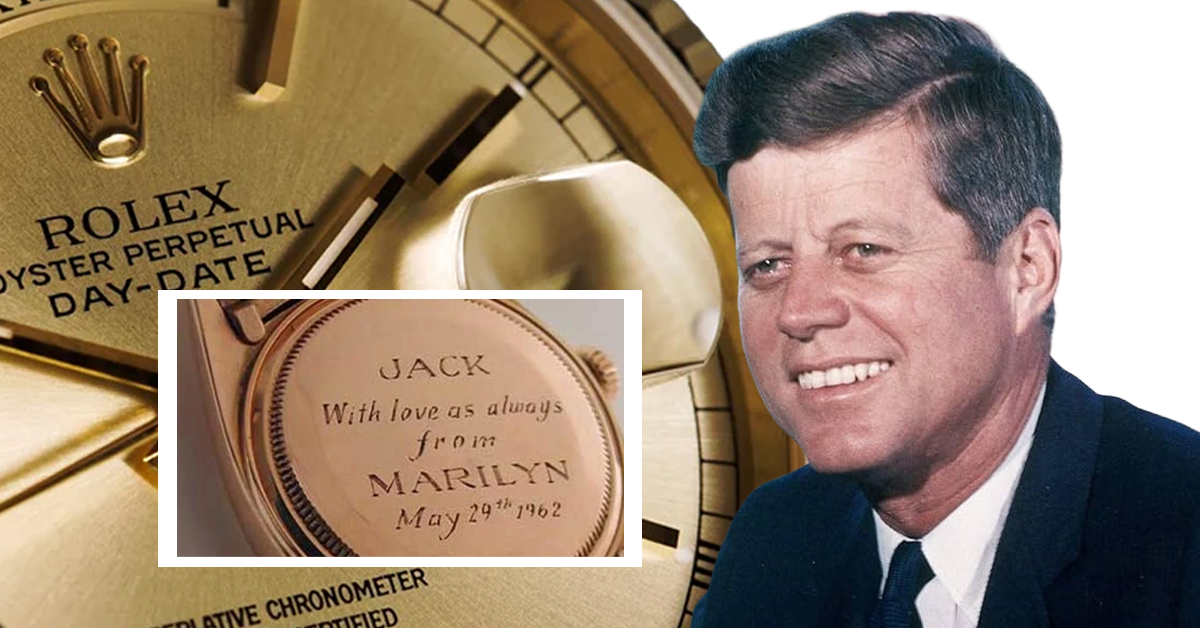
Did you know that the JFK’s Rolex watch, a gold gift from Marilyn Monroe, sold for a modest $120,000 at auction in 2005? This presidential
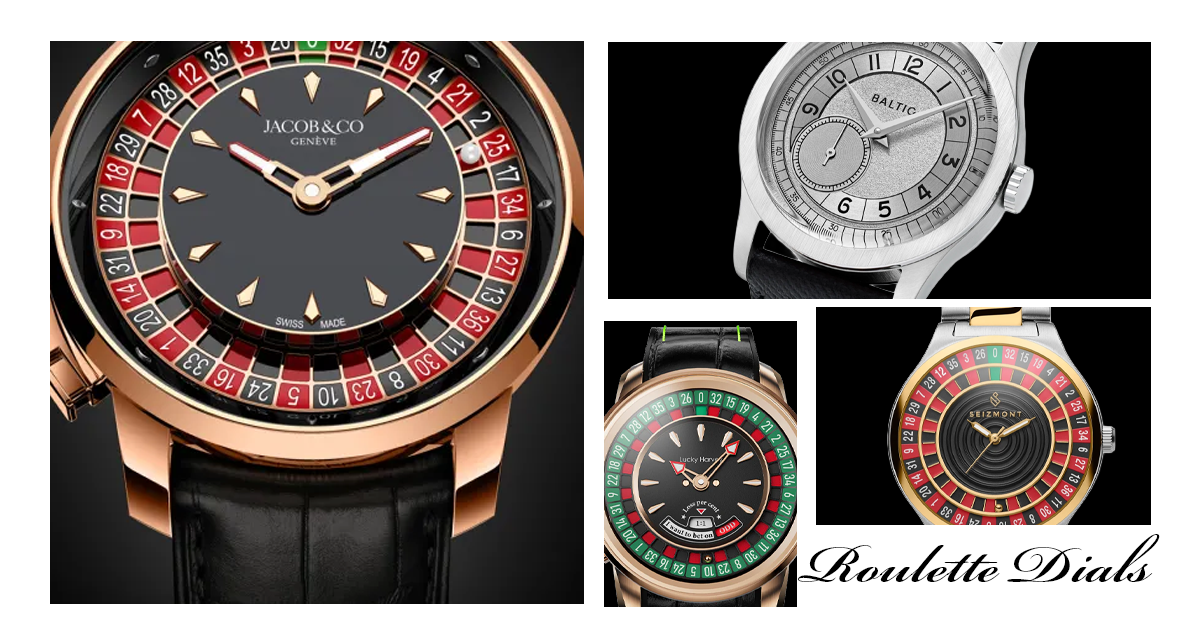
Roulette dial watches blend precision timekeeping with casino gaming excitement in a unique way. These timepieces captivate collectors and casual wearers with their sophisticated craftsmanship