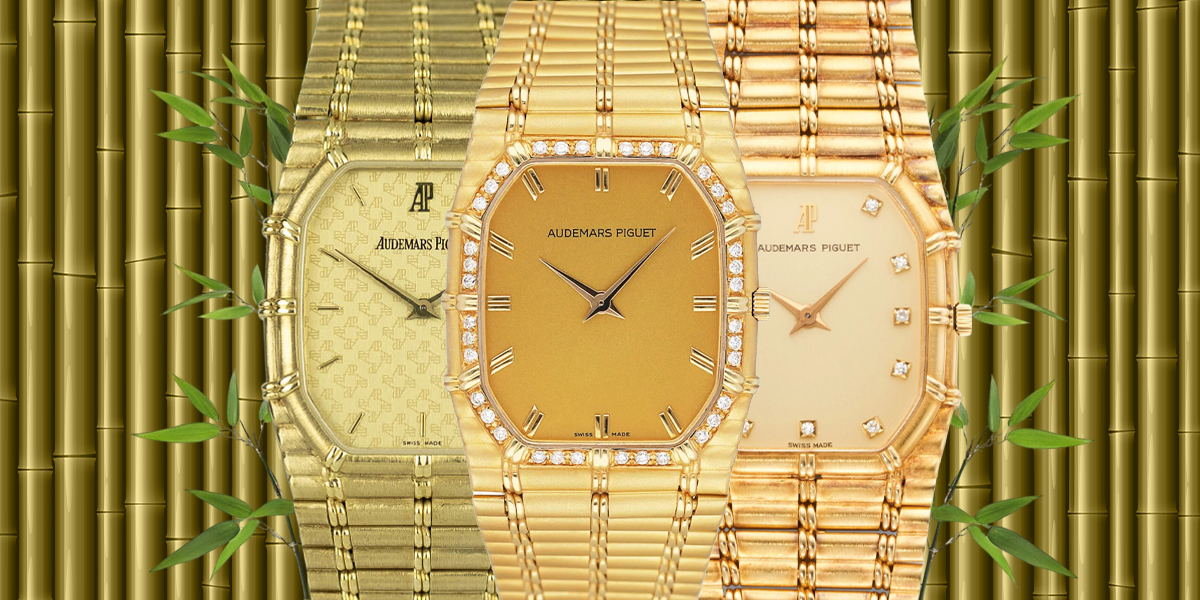
Audemars Piguet Bamboo Review: Why This Vintage Watch Became Every Collector’s Grail
The Audemars Piguet Bamboo has quietly transformed from an obscure 1980s rarity into the ultimate vintage grail. Once slept on compared to other AP models,

The story behind the first wristwatch might catch you by surprise. Historical records show that Abraham-Louis Breguet created the first wristwatch design for Queen Caroline Murat of Naples in 1810. He delivered this beautiful timepiece in 1812 – an oval watch with a silver dial and curved Arabic numerals, known as No. 2639.

The official story tells a different tale. The Guinness World Records gives this honor to Swiss watchmaker Patek Philippe. He crafted a bracelet-style watch for Hungary’s Countess Koscowicz in 1868. The gold wristwatch changed hands on November 13, 1876, and many consider it the first watch that ever spread to the masses. Breguet’s claim rests solely on the original order in his book. This lack of physical evidence keeps the debate alive about the true inventor of the wrist watch.
The rich history behind these early timepieces tells us an amazing story. These aristocratic accessories changed into everyday items we can’t live without. They revolutionized how people track and interact with time.
People used basic methods to track time before wristwatches became common. Ancient civilizations relied on sundials and water clocks to tell time. A major breakthrough happened in 13th-century Europe with mechanical timekeeping, which set the stage for modern watches.
The first mechanical clocks appeared in England around 1275, including an early minute-repeater at Salisbury Cathedral. Local blacksmiths crafted these mechanisms by hand and created large bells that announced time to townspeople. The concept of personal timekeeping emerged in 1462 when the ‘pocket clock’ appeared – the first mention of what we now know as pocket watches.
The Nuremberg Egg became the first truly portable timepiece in the early 16th century. These early devices were heavy, unreliable, and served more as decorative pieces than practical tools.
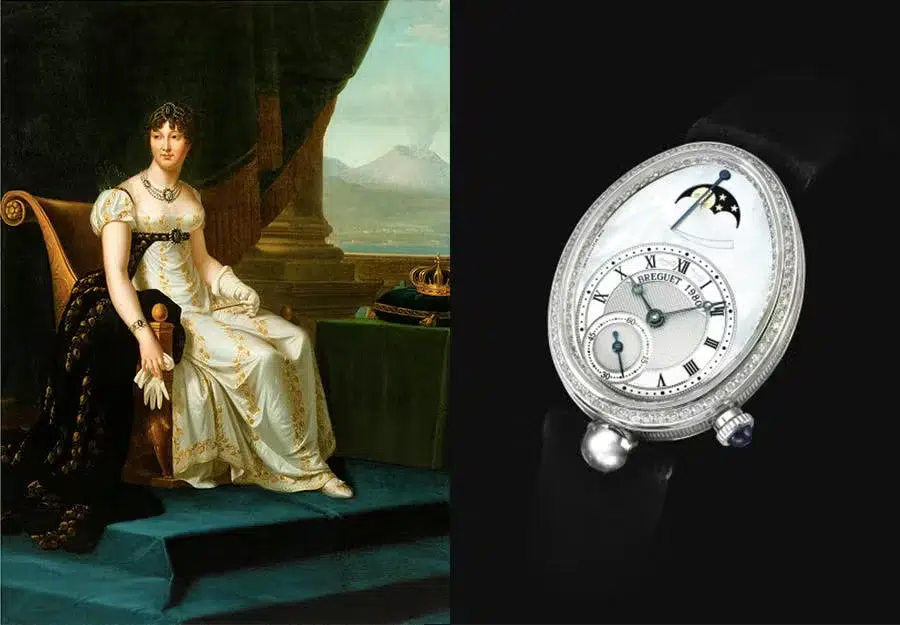
Abraham-Louis Breguet created a groundbreaking timepiece that changed history. Queen Caroline Murat, Napoleon’s sister, ordered an extraordinary watch from Breguet on June 8th, 1810. This unique piece was designed specifically to wear on the wrist.
Breguet’s commission register shows “a repeater watch for bracelet” with a price tag of 5,000 Francs. The revolutionary timepiece (No. 2639) arrived on December 21st, 1812. It featured a silver dial with Arabic numerals and a thermometer. The watch sat “mounted on a wristlet of hair woven with gold thread”. The design was “oblong in shape” and “ultra-thin” – quite remarkable for that era.
Wristwatches started as women’s accessories. The idea of wearing watches on wrists took shape in the 16th century but stayed mostly in women’s fashion. Most watchmakers created wristwatches as “bracelets” for women by the mid-nineteenth century.
Early wristwatches worked more like jewelry pieces that happened to tell time. Men stuck to their pocket watches until the early 20th century because wristwatches were seen as feminine. Rich women loved these timepieces both as practical tools and fashion statements.
Men preferred pocket watches as symbols of sophistication and technology. These timepieces became more elegant during the 17th and 18th centuries. European nobles cherished them for their smaller cases, glass-covered dials, and detailed engravings.
The debate about who made the first wristwatch continues to fascinate watch enthusiasts. Patek Philippe’s 1868 timepiece for Countess Koscowicz of Hungary stands out in watchmaking history, even though Breguet created an earlier version.
A Hungarian noblewoman, Countess Koscowicz had a keen interest in innovation. She wanted to make a statement at one of her receptions in 1868, so she asked Antoni Patek to create a special piece of jewelry. She imagined something different from typical jewelry – a small timepiece mounted on a bracelet. The Countess chose Patek Philippe because of their exceptional craftsmanship. Records show she received the watch on November 13, 1876, eight years after placing the order.
The craftsmanship and design of Patek Philippe’s creation stood out remarkably. They built the timepiece with a baguette-shaped, key-wound movement called Caliber 27368. It had a cylinder escapement and eight jewels. The yellow gold case and bracelet displayed beautiful Belle Epoque styling. Large diamonds adorned the hinged cover that protected the watch dial, with more diamonds along both sides.
The watch’s case showed off a triptych design with black-enameled sections. Diamond-studded flower motifs decorated the center of each section. A simple button press opened the central section to reveal the watch dial – a delightful surprise for anyone looking at it. Unlike converted pocket or pendant watches, this piece was made specifically to wear on the wrist.
Guinness World Records names Patek Philippe as the creator of the first wristwatch because their timepiece still exists today. You can find this historic watch in Patek Philippe’s museum in Geneva.
Breguet has documents proving their 1810 watch for Queen Caroline Murat came first. They even have repair records from 1855, but the actual watch is missing. This seems to have influenced Guinness’ decision.
The watch’s design adds weight to its recognition as the first wrist watch ever made. Patek Philippe created it specifically as a wristwatch, not as a modified pocket watch. This fact, combined with the watch’s survival to present day, helped secure its place in official records.
Aristocratic women loved early wristwatches, but men saw them as feminine accessories. This perception changed when two visionaries became friends.
Brazilian aviator Alberto Santos-Dumont faced a practical challenge in the early 1900s. His flying required both hands on controls, which made pocket watches dangerous to use. He shared this concern with his friend Louis Cartier, a visionary jeweler. Their discussion led to a breakthrough that would change timekeeping forever.
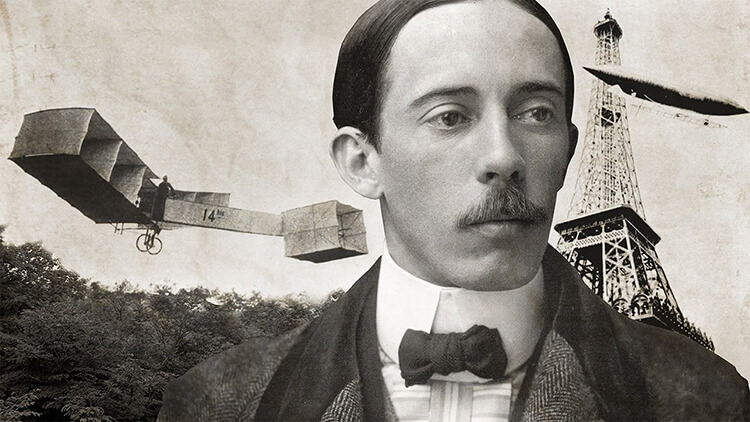
Louis Cartier created a solution for his friend in 1904 – a specialized wristwatch that let Santos-Dumont check time while flying. The timepiece had a square bezel with visible screws, clear Roman numerals, and a sapphire cabochon crown. Santos-Dumont wore this watch with pride during his historic 21.5-second flight on November 12, 1906 – the first powered flight captured on film. He enjoyed this exclusive privilege for seven years until Cartier started mass production in 1911.
The First World War established wristwatches as masculine accessories. Soldiers realized that using pocket watches in trenches was impractical. By 1916, one in four soldiers wore wristwatches. The British War Department made wristwatches standard issue for soldiers in 1917. The U.S. Army had started using wristwatches earlier, with a 1913 bulletin listing eligible soldiers. After the war, millions of veterans kept wearing their cherished wristwatches in civilian life, which changed public opinion forever.
The rise of wristwatches from noble curiosities to everyday essentials marks one of horology’s most important changes.
Wristwatches went through a remarkable transformation from decorative jewelry to practical tools. These timepieces served as fashionable accessories for aristocratic women during the 19th century. World War I changed this perception when soldiers found the practical advantages of wrist-worn timepieces. About 25% of soldiers wore wristwatches by 1916. Millions of veterans kept using them in civilian life after the war, which changed public perception forever.
The American Watch Company of Waltham, Massachusetts became a game-changer with mass-produced watches in the 1850s. Their innovative approach redesigned watches with interchangeable parts that unskilled workers could assemble. Watch prices dropped dramatically with this factory-based production system. Ordinary men and women started wearing watches as they became more affordable. People began viewing time through the watch dial more frequently.

Patek Philippe and Breguet laid the groundwork for modern watchmaking. Their early designs progressed from elite luxuries to functional necessities. Nicolas Hayek and Swatch later turned watches from generational heirlooms into fashion statements that people could collect like clothing. These revolutionary timepieces changed from “one of the most expensive personal luxuries money could buy” to affordable accessories that people could find in every color at local department stores.
The creator of the first wristwatch remains a debated topic today. Breguet made one for Queen Caroline Murat in 1810, which came before Patek Philippe’s timepiece for Countess Koscowicz. But with no physical proof, Breguet’s creation stays a mere historical note. Patek Philippe holds the official Guinness World Record since their 1868 watch still exists in their Geneva museum.
These exclusive accessories for aristocratic women became tools everyone needed. World War I changed everything. Men who had resisted wearing wristwatches for centuries finally accepted them. Santos-Dumont’s needs and Cartier’s breakthroughs pushed this change forward – otherwise, wristwatches might have stayed as women’s jewelry much longer.
This story’s most fascinating part isn’t about the first creator but how these timepieces changed the way we live. Time used to belong to everyone through church bells and town clocks. Pocket watches made time personal but weren’t practical. Wristwatches let people check time with just a quick look at their wrist.
Your watch or smartwatch connects you to a legacy that started with royal orders and grew through wartime needs. We might never know who made the first wristwatch, but their combined impact shapes how you track time today. These devices evolved from royal treasures to everyday necessities, showing how luxury breakthroughs become part of our daily routines.
The Audemars Piguet Bamboo has quietly transformed from an obscure 1980s rarity into the ultimate vintage grail. Once slept on compared to other AP models,
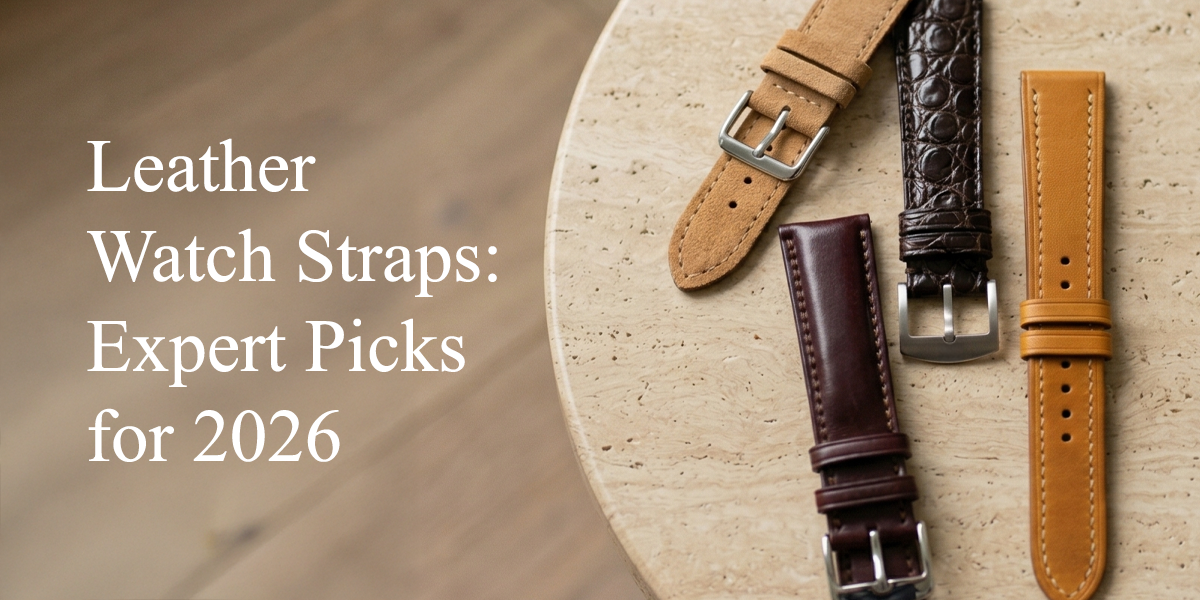
Choosing among the types of leather watch straps can turn your timepiece from ordinary to extraordinary. Attaching watches to leather straps dates back to the
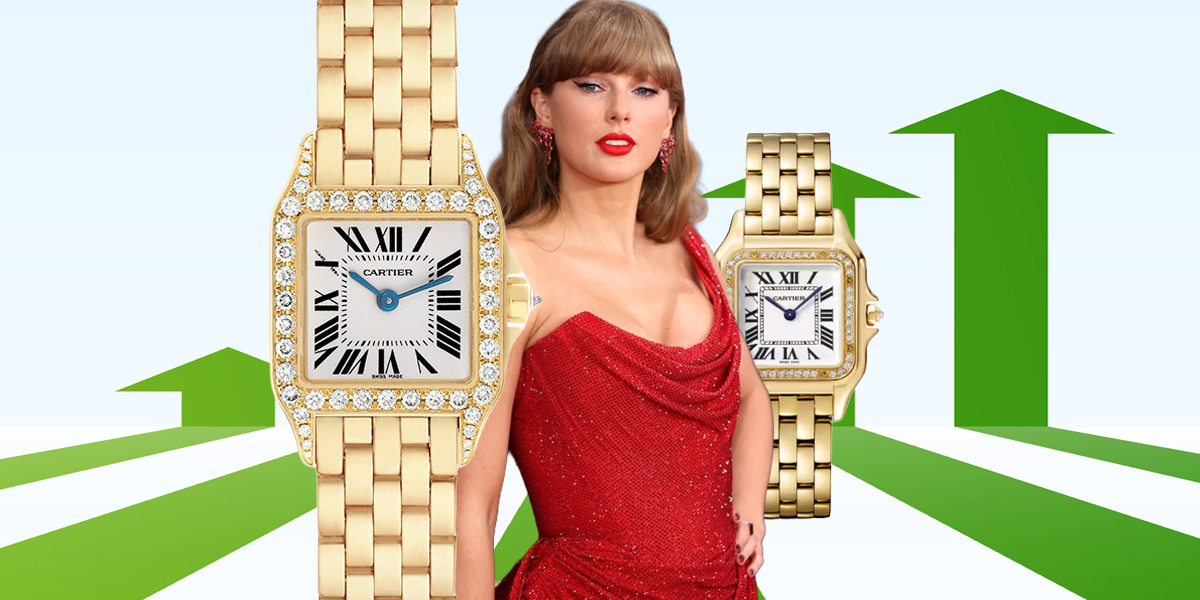
Taylor Swift’s Cartier watch in her viral engagement post turned a discontinued timepiece into the ninth most-liked Instagram post ever. The results were immediate and