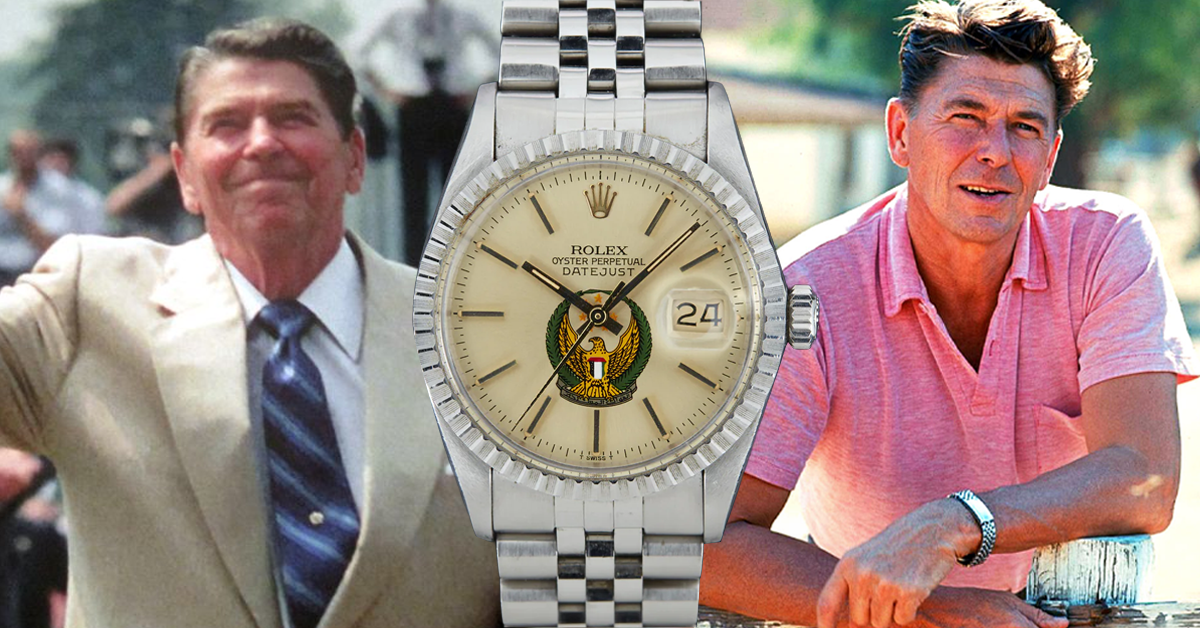
Ronald Reagan’s Watch: The Hidden Story Behind His Presidential Timepiece (2025 Review)
Ronald Reagan’s watch choice reveals a fascinating story about presidential style and tradition. During his time as the 40th President, Reagan wore a steel

Ever wondered if you’re wearing your watch on the “correct” wrist? It might seem like a small detail, but for watch enthusiasts, the wrist you choose can feel like a huge decision.
So, should you be rocking your timepiece on your left or right wrist? Let’s dive in!
Majority people wear their watch on their left wrist. Why? Most importantly, it has a lot to do with practicality. Historically, watches were wound by hand, and since most people are right-handed, it made sense to wear the watch on the non-dominant hand for easy winding and to avoid getting in the way while working. Wearing it on the left wrist meant you could still use your dominant right hand without the watch causing any interference.
Even today, with automatic watches and those powered by batteries, the tradition continues. If you’re right-handed, it might feel more natural to have your watch on your left wrist since your dominant hand stays free for all the action — signing papers, shaking hands, typing on your computer, or whipping up a quick espresso.
If you’re left-handed, the right wrist might be your go-to spot for your watch. Since your left hand is dominant, keeping the right wrist free for your timepiece makes things much smoother.
And, yes, before you ask, there are watches specifically designed for lefties — the crown (the little knob you use to set the time) is on the opposite side, making it easier to adjust without having to take the watch off or do some awkward wrist gymnastics.
But here’s the thing: not all left-handed people wear their watch on their right wrist. Many still prefer it on their left, whether it’s out of tradition, style, or just personal preference.
There’s something to be said about the left wrist becoming the “default” for watches. It’s not just about practicality anymore — it’s also about aesthetics. Picture this: you’re shaking hands with someone important, and they notice that sleek Rolex Datejust on your wrist. The left hand is often the first to be seen in these moments, and having a watch there is a subtle way to showcase your style.
Take all the photos you’ve seen in magazines, ads, or social media posts — most of the time, watches are worn on the left wrist. It has become part of the visual culture of wearing a watch, and it’s hard to shake that association.

Now, let’s flip the script — why might someone choose to wear their watch on the right wrist, even if they’re right-handed? Sometimes, it comes down to comfort. If you find the left wrist uncomfortable or if you have any medical reason (like a strain or injury) that makes wearing a watch on the left unpleasant, switching to the right wrist is a no-brainer.
In the world of fashion and individuality, wearing your watch on the right wrist can also be a subtle way to stand out. It’s unexpected, and for those who like to break with tradition, it’s a fun way to make a small but noticeable statement. Plus, with smartwatches gaining popularity, some find it more comfortable to wear them on their dominant hand, where it’s easier to use touchscreen features.
In the end, some just prefer the feel of it. After all, watches are personal accessories — it’s all about what feels right to you.
What if you are the rare breed who can use both hands with equal skill? For you, the wrist choice might come down to which hand you tend to use more for everyday tasks. If both hands are equally dominant, it becomes a style choice or a practical one depending on what activities you do daily.
Some ambidextrous people even switch wrists depending on the day or their mood, giving their other wrist a break, or just mixing up their look.
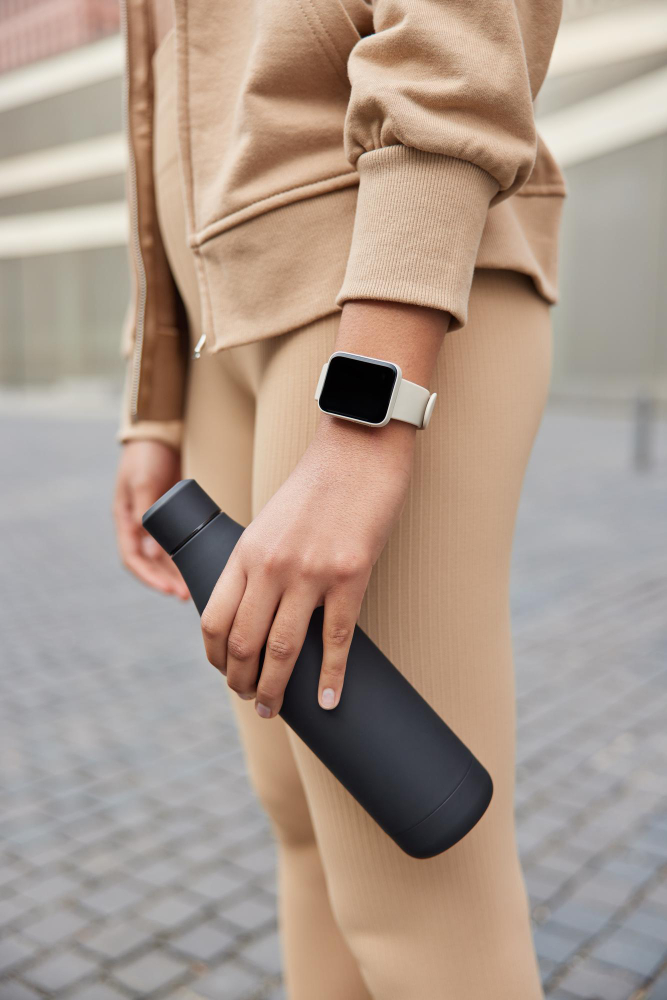
Enter the age of smartwatches. These tech-packed devices have added a whole new layer to the wrist debate. Why? Because they aren’t just for telling time — they’re mini-computers, fitness trackers, and communication devices all in one. And guess what? Some features are more intuitive depending on which wrist you wear your watch on.
For instance, if you’re into fitness, many smartwatches track movement, steps, and even heart rate. Some people find they get more accurate data when wearing the watch on their dominant wrist, while others feel it’s less intrusive on the non-dominant hand during workouts. Ultimately, it’s up to your comfort and how you use your smartwatch throughout the day.
At the end of the day, comfort is key. Some people have larger or smaller wrists, and one wrist might just feel better for wearing a watch than the other. And it’s not just about which hand is dominant or what tradition says — it’s about how a watch fits into your daily life. Do you wear a watch for practicality, style, or both? Are you a leftie in a right-handed world or someone who likes to defy expectations?
There’s no “right” wrist to wear your watch on. Tradition might say the left wrist, especially for right-handed folks, but it’s all about what feels best for you. Whether you’re going for convenience, comfort, or just breaking the norm, the choice is yours.
At the end of the day, the wrist you choose to wear your watch on is part of your unique style. So, trust your gut, go with what feels right, and rock that timepiece with confidence!
Ronald Reagan’s watch choice reveals a fascinating story about presidential style and tradition. During his time as the 40th President, Reagan wore a steel

Elon Musk’s watch collection mirrors state-of-the-art technology and understated luxury, just like the man himself. The world’s richest person, worth $146 billion, doesn’t always choose
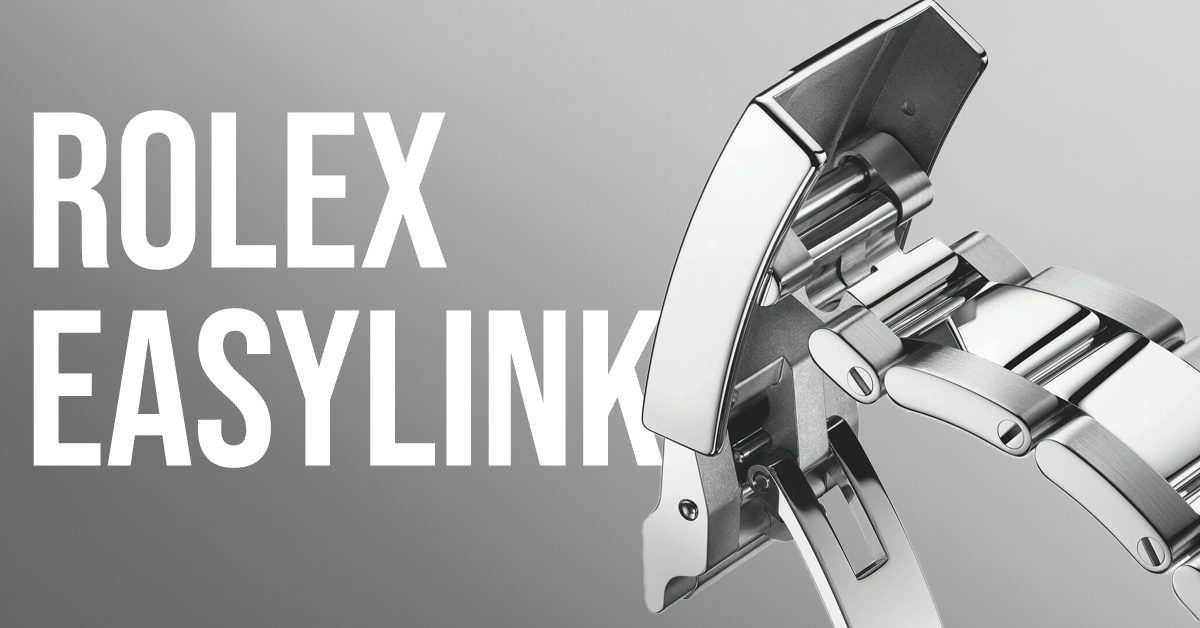
What is Rolex Easylink? Rolex Easylink is a patented micro-adjustment system that lets you fine-tune your bracelet length by exactly 5mm without any tools. This