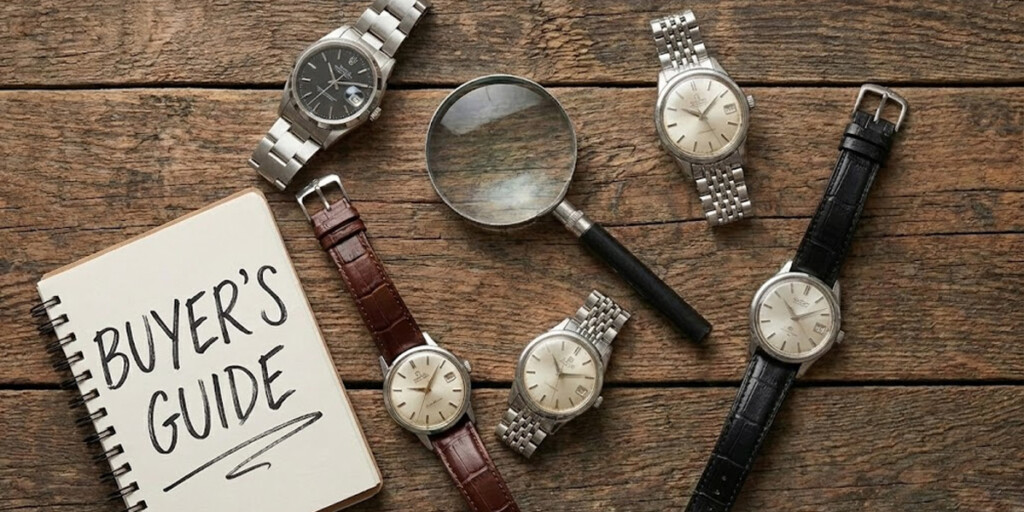
A second hand watch is a timepiece that someone else owned before you, not one bought new from an authorized dealer. People also call these watches “pre-owned.” These timepieces have had at least one previous owner. This term helps distinguish them from new watches and shows their history of prior ownership and use.
The market splits into different categories based on age and condition. Watches that are 20 to 25 years old or older usually count as vintage pieces. Newer ones simply get labeled as pre-owned or second hand. The pre-owned watch market has vintage watches (rare, hard-to-find models worth more now), contemporary pre-owned luxury watches, and refurbished timepieces.
Pre-owned watches differ by a lot from used cars. A pre-owned luxury watch in like-new condition looks similar to a brand new model, and many buyers can’t tell them apart. These watches are made from high-quality, durable materials that last for decades. They keep working well and looking good even after changing hands.
Second hand luxury watch sales have grown rapidly, especially online. Deloitte’s research shows that people’s interest in buying pre-owned watches doubled between 2020 and 2024. About one-fifth of consumers plan to buy a second hand watch in 2024. The market keeps growing despite fluctuations. EveryWatch data shows secondary transactions jumped 30.6% in June, while listings went up 45.8%.
The rising popularity of second hand watches comes from several factors:
Price accessibility: You can get luxury watches at better prices since previous owners take the biggest hit in value
Access to rare models: You can find discontinued or limited-production watches that stores don’t sell anymore
Immediate availability: You don’t have to wait like you do with new luxury watches – pre-owned pieces are ready to buy right away
The gray market plays a big role in the second hand watch world. This market sells new watches outside official channels, usually at lower prices. While different from typical pre-owned sales, the gray market connects with the second hand market as both give alternatives to authorized dealer purchases.
Market experts see big growth ahead for second hand watches. The secondary market might match the primary market within 10 years. Cognitive Market Research found that secondary market watch sales grew about 10% to reach $26.80 billion in 2024. They expect this to hit $43.70 billion by 2031—growing at 7.2% each year.
Buying a second hand watch doesn’t mean you’re getting lower quality. But you need to be careful since these markets have risks about authenticity and condition. Trusted dealers who provide papers, service records, and authenticity guarantees help alleviate these concerns.
Types of Second Hand Watches
The second-hand watch market has several distinct categories, each with its own features, prices, and collector appeal. Buyers need to understand these categories to guide their choices in this growing market, which reached USD 24.38 billion in 2023 and could hit USD 45.01 billion by 2030.
Vintage Watches
Vintage watches are timepieces that are usually 20-30 years old or more, though collectors often disagree on the exact definition. These watches tell stories from the past and show off craftsmanship from earlier times. You’ll spot vintage watches by their unique features that set them apart from modern ones, like radium/tritium lume that ages into a distinctive patina and beautiful domed crystals made from materials other than sapphire.
The condition of vintage watches can make or break their value. Collectors look for watches with original parts that have aged together and stayed in good shape. Mechanical watches from the twentieth century are especially valuable, as manufacturers made them in limited numbers with beautiful engineered movements. Their prices go up and down with changing fashion trends.
Pre-Owned Luxury Watches
Pre-owned luxury watches make up the biggest part of the second-hand market. Automatic pre-owned luxury watches led the market with a 66.2% revenue share in 2023. These watches come from top manufacturers and have had previous owners.
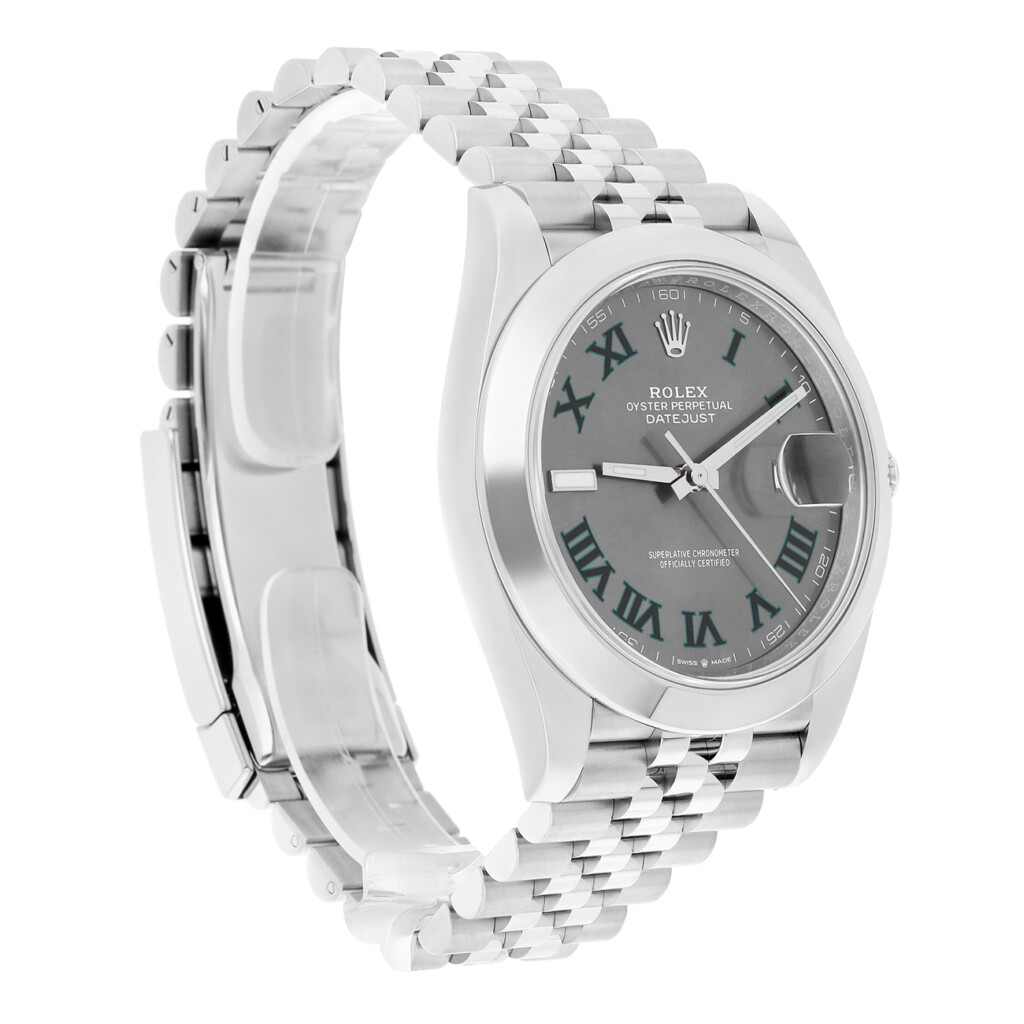
Luxury watches remain popular as status symbols and collectibles. Many of these timepieces keep their value or become more valuable over time, which makes them good investments. Big names like Rolex, Patek Philippe, and Audemars Piguet are in high demand, and some models sell for more than their original prices because they’re hard to find.
Refurbished Watches
Refurbished watches stand apart from regular pre-owned ones. Expert technicians check, fix, clean, and test these watches before selling them again. Unlike used watches sold as they are, skilled technicians restore refurbished pieces to almost-new condition and replace any worn parts with original or approved components.
Buyers can save money with refurbished watches, which usually cost 20–50% less than new models. This price drop lets more people buy luxury brands without quality concerns. Most refurbished watches also come with warranties lasting 6 to 24 months, giving buyers more protection than typical used watches.
Gray Market Watches
The gray market plays a key role in the second-hand watch world. Gray market watches are genuine and new but sold outside the official dealer networks. These watches come from various places – authorized dealers with extra stock, imports from cheaper countries, and private sellers.
Prices in the gray market change based on how popular the brand and model are. Most brands sell for 20-30% below retail, but some hard-to-get models from makers like Rolex cost more than retail price. The gray market lets people buy watches right away instead of waiting on long lists at authorized dealers, though usually without the manufacturer’s warranty.
Why Do People Buy Second Hand Watches?
Money plays a big role when people buy second-hand watches. The pre-owned market lets you get luxury timepieces by a lot less than retail prices. Previous owners have already taken the depreciation hit. This gives buyers a chance to own high-quality watches they couldn’t afford otherwise. Luxury watches from prestigious makers range from $1,000 for basic models to $10,000 or more for mid-range pieces. These prices make the pre-owned market look very appealing.
Pre-owned timepieces can be great investments too. Unlike most things we buy, some luxury watches keep or boost their value as time passes. Rolex, Patek Philippe, and Audemars Piguet stand out as brands that might grow in value. What seems like a splurge at first could turn into a smart money move. When bought at the right price, pre-owned watches barely lose value year after year. Some sought-after steel sport models might even become more valuable.
The pre-owned market’s huge selection pulls in watch lovers. Buyers aren’t stuck with just new collections. They can find discontinued models, vintage pieces, and rare editions that authorized dealers don’t stock anymore. This variety covers decades of watchmaking and suits different tastes. Watch fans still chase after vintage pieces from the 1960s through 1980s, especially from Rolex, Omega, and Cartier.
Getting specific models is another reason people turn to pre-owned watches. New Rolex watches can be hard to get from authorized dealers. Some models only exist in the pre-owned market. You can buy pre-owned pieces right away, while new luxury watches often come with long waiting lists.
Collectors love pre-owned timepieces’ character and history. Vintage watches show unique wear patterns and beauty that new ones can’t match. These special marks give each watch its own story. Old watches also showcase craftsmanship that’s becoming rare in today’s watchmaking.
Some buyers think about the environment. Buying pre-owned watches helps the planet by keeping timepieces in use longer. This cuts down the need to make new ones and saves resources.
Starting a watch collection becomes easier through the pre-owned market. New enthusiasts can get quality pieces without spending too much. This opens the door to luxury watches that might otherwise cost too much.
People often think pre-owned means lower quality. That’s not true. Luxury timepieces are built to last, keeping their looks and function for generations. Top materials and careful craftsmanship help them last much longer than regular consumer products.
How to Check if a Second Hand Watch is Authentic
Buying a second-hand watch? You need to check several core components to verify its authenticity. This protects your investment and makes sure you get what you pay for.
Check the serial number
Serial numbers are unique identifiers that manufacturers assign to each timepiece they make. Every luxury watch comes with its own distinct serial number that proves its authenticity. You’ll find these numbers in specific spots—usually between the lugs, on the case back, or inside the movement, based on the brand. Rolex, to name just one example, places its engravings between the lugs at the 6 o’clock position. You’ll need to remove the bracelet to see it.
The verification process matches this number against the manufacturer’s database to confirm it matches the model. This step is vital since fake watches rarely get these codes right. Some brands let you check serial numbers in their public databases, which gives you the best way to confirm authenticity.
Inspect the movement
The movement is your watch’s heart and often shows clear signs about authenticity. Real luxury watch movements show perfect finishing, precise engravings, and quality that matches the brand’s standards. Look for well-crafted components with specific engravings that match known authentic examples.
While counterfeiters might copy the outside well, they struggle to duplicate complex movements with all their detailed parts. Real movements often have serial numbers etched on their plates or bridges. They also feature high-precision machining, polished surfaces, or specific patterns like Côtes de Genève.
Look for original parts
Real components carry precise engravings, hallmarks, or unique identifiers right on the part itself. These marks include brand logos, reference numbers, or material stamps like ‘Au 750’ for 18k gold. Genuine engravings look sharp, clean, and deeply etched—details that fake watches often miss.
Original parts help the watch work exactly as the manufacturer intended. Fake parts often use lower-quality materials that wear out faster and can damage the whole movement. Beyond these risks, non-authentic parts will tank your watch’s resale value.
Ask for service history
A full service history adds value to your watch, confirms it works well, and helps prove it’s genuine. Papers from authorized service centers show the watch is real and has been maintained properly. Good service reports list all repairs and adjustments, giving you a clear view of the watch’s condition.
The best watches get serviced every 3-5 years, based on what manufacturers recommend. Check if authorized service centers or trusted watchmakers did the maintenance. These professionals have access to real parts and follow manufacturer guidelines.
Use a trusted appraiser
Professional authenticators look at everything from serial numbers to hallmarks, engravings, materials, and craftsmanship to verify a watch’s origin. They have special tools and brand knowledge that most people don’t.
Expert verification becomes crucial with high-end luxury watches from brands like Rolex, Omega, or Audemars Piguet. These experts spot tiny details in quality, finishing, or specifications that others might miss. Many provide detailed reports about their findings, giving you extra confidence when buying or selling luxury timepieces.
Gray Market vs Authorized Dealers
The gray market is different from traditional second-hand watch sales. It stands as an alternative distribution channel that buyers need to think about carefully.
What is the gray market?
Gray market dealers sell genuine, authentic watches outside the manufacturers’ official distribution channels. These dealers are not like black market operations that deal in counterfeit or stolen goods – they sell legitimate products through unauthorized paths. They get their inventory through several ways. Some buy excess stock from authorized retailers who struggle to move inventory. Others source watches from VAT-free countries like Hong Kong and Singapore. Many take advantage of currency fluctuations through parallel imports. So these sellers run legal businesses but work without brand endorsement or support.
Pros and cons of gray market watches
Gray market purchases give you several advantages:
Price benefits: You’ll find discounts of 20-30% below authorized dealer prices for most brands
Immediate availability: You can get models that might have long waitlists at authorized dealers
Wider selection: The range includes discontinued, rare, or limited-production pieces
Notwithstanding that, these benefits come with some drawbacks:
Warranty limitations: Most manufacturers won’t honor warranties for gray market purchases
Serial number issues: Some gray dealers remove serial numbers to protect their sources, which can make insurance claims tricky
Verification challenges: It’s harder to confirm authenticity without authorized dealer documentation
Warranty and service differences
The most important difference between gray market and authorized purchases lies in the warranty coverage. Authorized dealers give you manufacturer-backed warranties that last 2-5 years. Gray market watches usually come with dealer-provided or third-party warranties instead. Some manufacturers might even refuse to service timepieces bought through unauthorized channels. This forces owners to pay full price for repairs that warranty would normally cover. They do this to discourage gray market purchases.
How to avoid counterfeit risks
Real gray market watches are authentic, but you should stay careful to avoid scams:
Research dealer reputation and read customer reviews thoroughly
Get detailed documentation with serial numbers
Look at high-quality images that show all angles of the watch
Ask for authenticity certificates or guarantees
Buy only from gray dealers that are several years old with proven track records
Stick to trusted platforms like Watchfinder & Co., Crown & Caliber, or Chrono24 (with verified seller ratings)
Gray market watches are a legitimate way to get your hands on authentic timepieces, often at better prices. Just remember to think about warranty limitations and verify authenticity carefully.
Tips for Buying Your First Second Hand Watch
Buying your first second-hand watch needs you to think about several factors to make a good purchase. These guidelines will help you direct your way through this complex market.
Set a budget
Your comfortable spending limit helps set realistic expectations about quality and brand options. You’ll find entry-level luxury second-hand watches starting at $1,000-$3,000, mid-range pieces between $5,000-$10,000, while premium models cost much more. The purchase price isn’t everything – these timepieces need service every 3-5 years, so factor in these future costs.
Research the brand and model
You need to break down your desired watch’s history, variants, and common problems. This knowledge helps you spot wrong components or modified pieces. Price trends from the past show which models keep their value well. Service records and production years reveal period-specific features that help verify genuine timepieces.
Buy from reputable sellers
Trust makes all the difference in second-hand watch deals. Look into seller credibility through verified reviews, their online presence, and service track record. Ask for detailed photos showing every angle of high-value watches. Physical showrooms give you a chance to check the watch yourself before buying.
Understand return policies
Return terms vary a lot between sellers. Most good dealers give you 3-7 days to check the watch, but rules about worn or changed watches differ. Some dealers charge restocking fees from 2-10%. Read these terms carefully – some dealers mark certain items as final sale.
Check for water resistance and wear
Look for overpolishing signs that might change case dimensions. The bracelet should show minimal stretch, as too much means it might fail soon. Water resistance doesn’t last forever as seals wear out. Service records should show this feature has been well maintained.
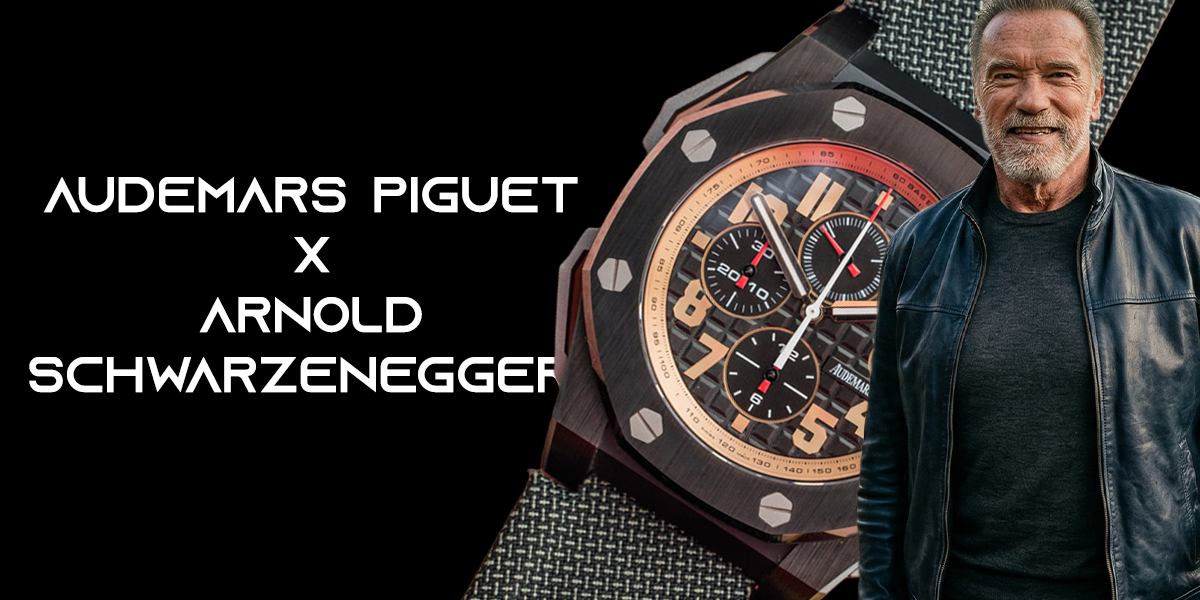
The audemars piguet arnold schwarzenegger collaboration stands as one of the most successful partnerships in luxury watchmaking, with 11 different timepieces created together. Arnold holds
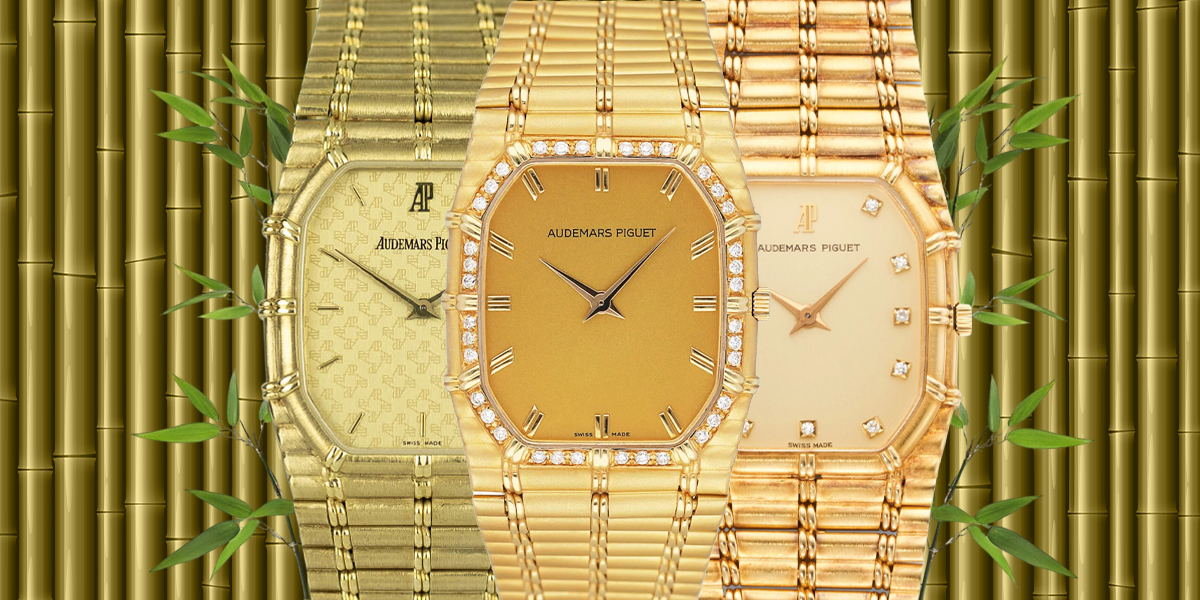
The Audemars Piguet Bamboo has quietly transformed from an obscure 1980s rarity into the ultimate vintage grail. Once slept on compared to other AP models,