Table of Contents
What is a Flyback Chronograph?
A flyback chronograph lets users reset and restart the chronograph function with just one button push, without stopping the timing mechanism first. Standard chronographs need three separate steps—stopping, resetting, and restarting—but the flyback function combines these operations into a single smooth action.
The magic happens through an intricate mechanical assembly. Users press the dedicated flyback pusher that sits at the 4 o’clock position, which triggers a precise sequence inside the watch movement. A lever disconnects the clutch to pause the chronograph mechanism temporarily. At the same time, another lever activates the reset hammer that sends the chronograph hands back to zero. The chronograph starts timing again as soon as you release the pusher.

Watchmakers developed this sophisticated mechanism for pilots back in the 1930s. Longines became the first company to patent the flyback function in 1936, though they made the actual watch in 1943. Their Longines Caliber 13 ZN came with a 37.5 mm case and featured gilt Arabic numerals on a black dial that mixed bold looks with advanced features.
Pilots needed the flyback chronograph to help them navigate, especially when they had shorter flights and used visible landmarks like rivers, mountains, or railroad tracks. They had to take quick measurements one after another without losing focus or wasting precious seconds between readings.
The layout of flyback chronographs stands out from standard chronographs of the early 20th century. You’ll find a start/stop pusher at 2 o’clock and the special flyback pusher at 4 o’clock. This setup makes it easy to time consecutive events quickly—something crucial in aviation, motorsports, and athletic competitions where every split second counts.
The flyback mechanism also works as a safety feature for the watch. The careful sequence of disconnecting the clutch before resetting protects the delicate triangular teeth in the chronograph mechanism from damage that could happen during a reset while running. This mechanical safeguard makes the flyback different from standard chronographs, where resetting while running might harm the movement.
How Does a Flyback Chronograph Work?
The flyback chronograph mechanism stands out as an advanced engineering feat in watchmaking. Standard chronographs need three separate steps to measure time intervals – you have to stop, reset, and restart. But the flyback function combines everything into one smooth action.
Here’s how this mechanical dance works. The user presses a special flyback pusher that sits at the 4 o’clock position. This sets off a perfectly timed sequence inside the movement. A lever system disconnects the clutch and stops the chronograph mechanism. At the same time, another lever triggers the reset hammers that send the chronograph hands back to zero. The chronograph starts timing again the moment you release the pusher.
The mechanism needs this safety feature because chronograph reset actions create powerful forces inside the movement. Steel reset hammers and cams crash against components to send the hands back to zero faster. The clutch must disengage to protect the movement – otherwise, this forceful reset could break off the delicate triangular teeth on the chronograph wheels.
You can see the complexity at work in real-time. The reset hammer moves toward the chronograph wheels as soon as you press the reset button. The hammer cleverly lifts the clutch lever away right before impact. This cuts power to the system and allows everything to reset safely. A spring pulls the reset hammer back afterward. The clutch reconnects if the chronograph was running before.
The whole process happens almost instantly. The clutch disengages, hands reset, and the mechanism reconnects in one fluid motion. This lets you measure successive time intervals with precision. The sophisticated system of levers, springs and wheels showcases brilliant horological engineering that balances function with mechanical safety.
This intricate mechanical ballet makes the flyback chronograph perfect for activities that need quick consecutive timing. Think navigation, motorsports, or athletic competitions – anywhere split-second timing matters.
History and Purpose of the Flyback Chronograph
The story of flyback chronographs goes back to the early 20th century. This era saw quick advances in mechanical watchmaking. People wanted precision timing instruments more than ever. Aviation needs sparked this breakthrough in timekeeping technology.
Origins in aviation
The 1900s brought new challenges for pilots as aircraft technology evolved. Timing errors, even small ones, led to big problems in navigation. Aviator Wiley Post knew this well – he carried three chronometers because “a minute of error in time meant a 15-mile error on the equator in the final calculation of position”. Pilots started by using visual markers like rivers and mountains. This method didn’t work well for longer flights or when visibility was poor. The aviation industry needed better timing tools for dead reckoning and coordinated moves.
First flyback chronograph models
Longines led the way in flyback chronograph development. They created their first wrist chronograph with caliber 13.33Z movement in 1925. The company got their Swiss patent for the flyback mechanism on June 12, 1935 (Brevet 183262, granted March 31, 1936). Records show the feature existed in watches made much earlier. The time gap suggests that the 13.33Z tested the flyback feature before it went commercial in the next caliber 13ZN.
Why pilots needed the flyback function
The flyback function gave pilots vital advantages in aviation. Both military and commercial pilots used chronographs to navigate, track fuel use, and time flights. Traditional chronographs needed three separate steps – stop, reset, and restart. These steps were hard to do during critical flight moves. The flyback function made it simple with just one action. The feature was perfect for timing multiple flight legs or coordinated moves. Pilots used the chronograph flyback function as a key tool. It helped them calculate time between waypoints and handle complex navigation tasks when every second mattered. This precise timing let pilots make accurate course changes even at high speeds.
Why Flyback Chronographs Are Popular Today
Flyback chronographs have come a long way from their roots as aviation instruments to become treasured pieces of horological art. These sophisticated timepieces now captivate both collectors and enthusiasts well beyond their technical prowess.
Collector appeal
The complex systems and rich history of flyback chronographs draw collectors. These watches stand as milestones of human innovation that tell stories beyond mere timekeeping. A single press can reset and start the intricate mechanism, which showcases exceptional engineering and watchmaking mastery. The deep connection to aviation and exploration adds romance and adventure to these timepieces. They serve as tangible links to times when precise timing could mean life or death.
Luxury watch brands using flyback
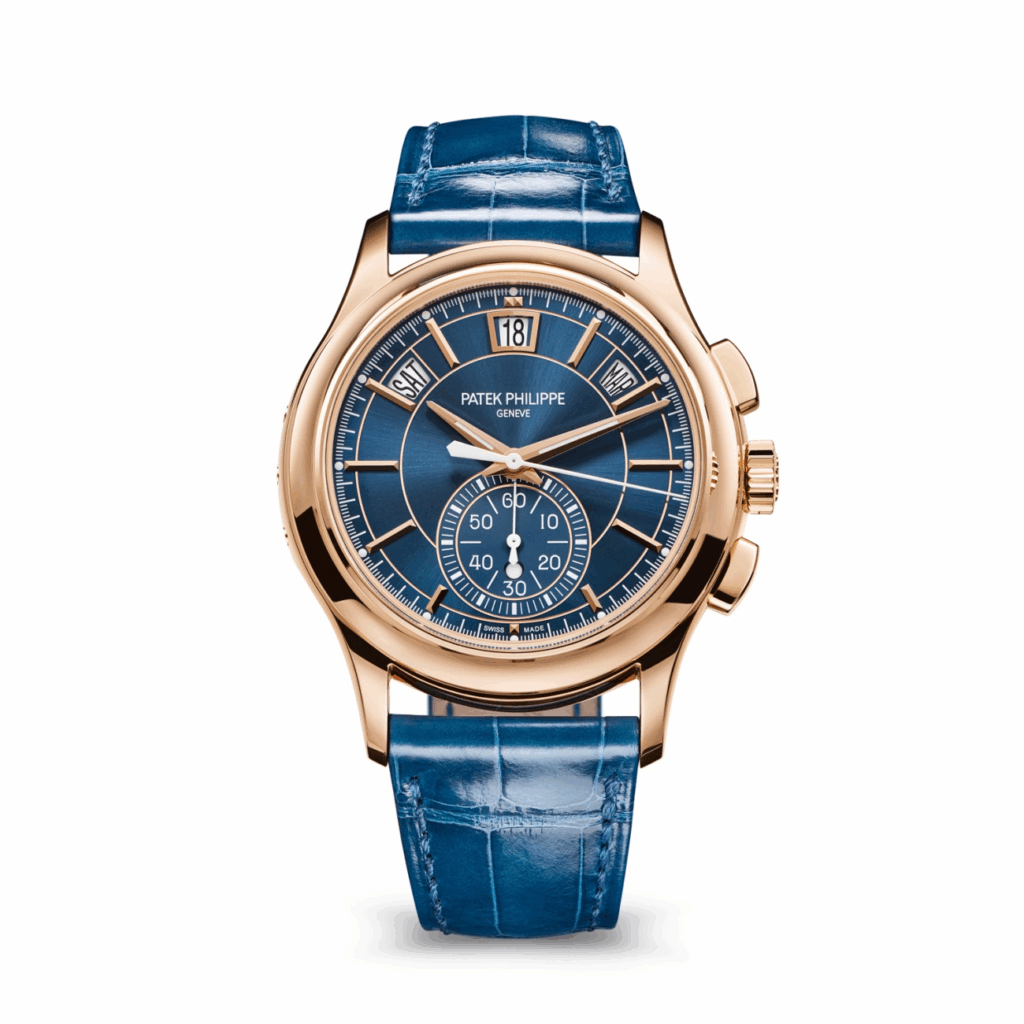
Many prestigious watchmakers now feature flyback functions in their collections. The year 2023 brought several remarkable models. Audemars Piguet released its Royal Oak Offshore Selfwinding Chronograph in ceramic. Patek Philippe unveiled the Self-winding Flyback Chronograph with Annual Calendar (Ref. 5905R-010). Longines introduced the Spirit Flyback Chronograph in Grade 5 titanium. Carl F. Bucherer’s Manero Flyback Anniversary, TAG Heuer’s Monza Flyback Chronometer, Richard Mille’s 72-01 Le Mans Classic, and Roger Dubuis’ Excalibur Spider Flyback Chronograph joined the lineup.
Modern design and materials
Today’s flyback chronographs blend innovative materials with traditional craftsmanship. To name just one example, see Blancpain’s Fifty Fathoms Bathyscaphe Flyback Chronograph. It comes in red gold and grade 23 titanium—the purest titanium you can find. This material resists breakage and corrosion better than standard options. H. Moser & Cie.’s award-winning Streamliner Flyback Chronograph sports a clean design with a movement finished in contemporary dark tones. Carbon fiber, ceramics, and skeletonized elements now improve both durability and esthetics in many current models.
Limited edition and rarity
The limited production runs of flyback chronographs make them even more valuable to collectors. F.P. Journe created just 200 pieces of the Chronographe FB for its Tokyo boutique’s 20th anniversary. These rare pieces feature titanium cases with gold crown and pushers. Raymond Weil kept its Freelancer Pilot Flyback Chronograph to 400 pieces. The combination of exclusivity and technical excellence has earned these timepieces their place as horological icons. Some vintage pieces command impressive prices at auction. A 1937 Rolex Oyster Zerograph Monopusher Flyback Chronograph sold for 389,000 Swiss francs at Phillips in 2016.
Enjoying our watch coverage? Get more of it in Google Search.