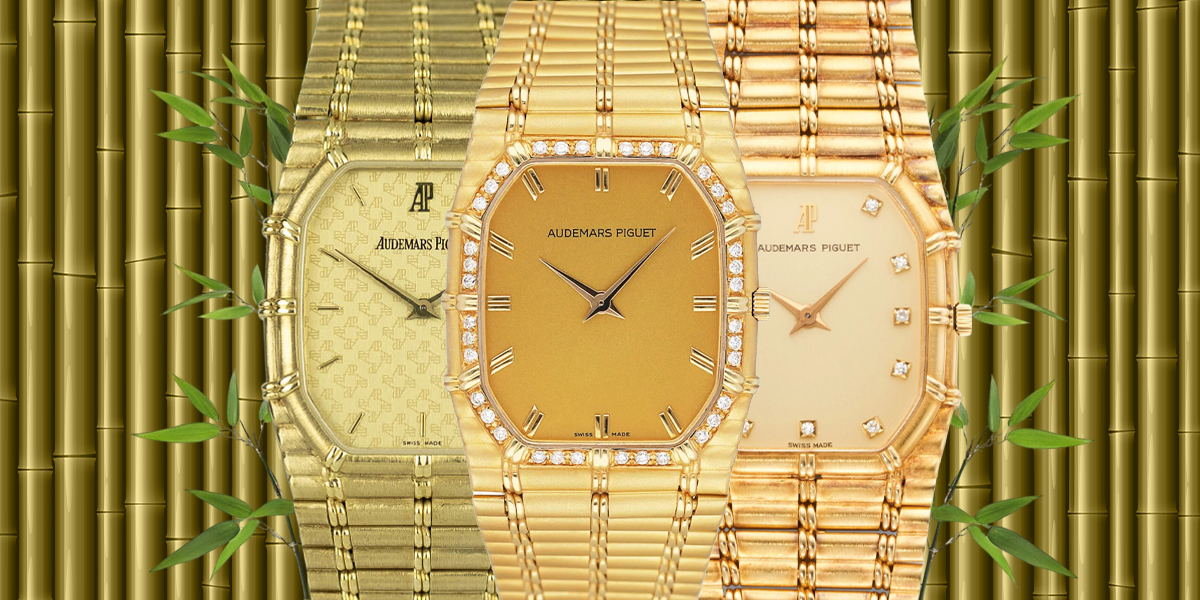
Audemars Piguet Bamboo Review: Why This Vintage Watch Became Every Collector’s Grail
The Audemars Piguet Bamboo has quietly transformed from an obscure 1980s rarity into the ultimate vintage grail. Once slept on compared to other AP models,

A chronograph watch offers much more than just telling time. You might wonder what makes it special. Louis Moinet created the first one in 1816 to track astronomical movements. These precision instruments have evolved dramatically from pocket watches into sophisticated wrist-worn tools.
A chronograph watch combines a traditional timekeeper with a stopwatch function. This clever design lets you measure time accurately enough to time races, cook meals, or track your workouts. Modern chronographs show three separate dials that display seconds, minutes, and hours. This layout gives you precise time measurements whenever you need them. Nicolas Mathieu Rieussec developed the first commercial chronograph in 1821 for King Louis XVIII’s horse races. These watches have now become both practical tools and prestigious accessories. The Rolex Daytona and Omega Speedmaster stand out as highly sought-after models, with some pieces selling well into six figures.
The sort of thing I love about chronograph watches is their journey from specialized tools to versatile timekeepers. They represent an incredible chapter in watchmaking history. Let’s discover how these watches work, what sets them apart, and why they remain relevant even in our smartphone-dominated world.
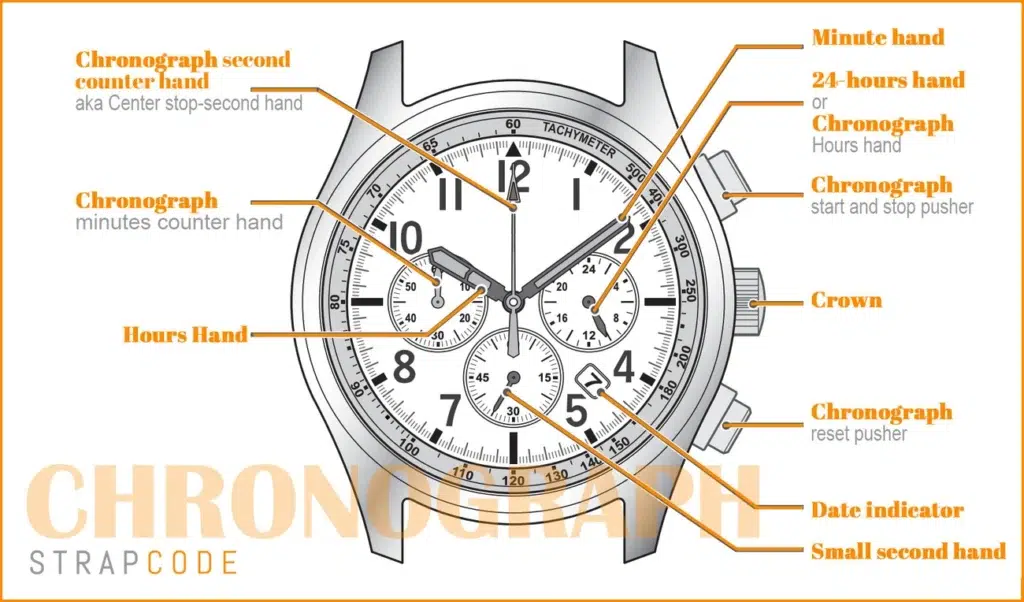
Image Source: Strapcode
The word “chronograph” comes from Greek words that mean “time writer,” which perfectly describes what these watches were made to do – record elapsed time. A chronograph watch does more than just tell time. It combines a regular watch with a built-in stopwatch feature that lets you track time intervals separately.
Louis Moinet created the original chronograph in 1816. His design achieved remarkable precision by measuring time down to 1/60th of a second and was specifically built for astronomical observations. Many historians believed Nicolas Mathieu Rieussec invented the chronograph in 1821, but this changed in 2012. King Louis XVIII asked Rieussec to create a device that could measure horse races[72]. The result was clever – two watch faces worked together. One held ink while the other had a pen-like needle that literally “wrote time” by marking the dial to show elapsed time.
The main goal of a chronograph is to measure elapsed time while showing regular time. Today’s chronographs typically include:
These watches often feature extra scales for calculations. A tachymeter measures speed, while telemeter scales help calculate distances like approaching storms. Doctors once used pulsometer scales to check a patient’s pulse.
The chronograph’s mechanism shows amazing mechanical engineering. The chronograph activates a series of train wheels that start turning. Each wheel has its job – one spins every second, another every sixty seconds, and the last one turns every hour.
Using a chronograph watch is straightforward:
Breitling invented this two-pusher system in 1923. Before that, chronographs used just one button for all functions. Watch experts suggest stopping the chronograph when it’s not needed to protect the movement.
The chronograph’s stopwatch works separately from regular timekeeping and shows elapsed time on different sub-dials for seconds, minutes, and hours. This dual function makes chronograph watches great tools for anyone who needs precise time measurements.
Getting skilled at using your chronograph watch starts with learning its simple operations. This versatile timepiece will become your go-to tool for many daily activities once you understand how it works.
You’ll find two pushers on the right side of most chronograph watches, with the winding crown sitting between them. These buttons work in a simple sequence:
Some high-end chronographs pack extra features. A flyback lets you reset without stopping, while a monopusher combines all three functions in one button. Split-seconds or rattrapante chronographs can time two events at once.
Your chronograph watch really shines in the kitchen. You won’t need to mess with phone timers or kitchen gadgets – just press your watch pusher to track cooking times instantly. This comes in handy for precise timing tasks like boiling pasta, searing steaks, or brewing coffee where every second counts.
Fitness buffs will love what chronographs can do during workouts. You can:
Chronographs are a great way to get practical value for professionals who bill by time. Lawyers, consultants, and freelancers can track their client meetings or project times accurately.
Your chronograph works great as a parking meter timer too. Start it when you pay for parking and you’ll never lose track of when to return to your car.
These watches bring many benefits, but here’s what you should know about maintenance: Don’t worry about hitting the reset button while timing – it won’t work unless you’ve stopped the chronograph first. Running the chronograph constantly will drain your watch’s power faster. And unless your watch specifically says it’s safe for underwater use, don’t press those pushers while swimming or diving.
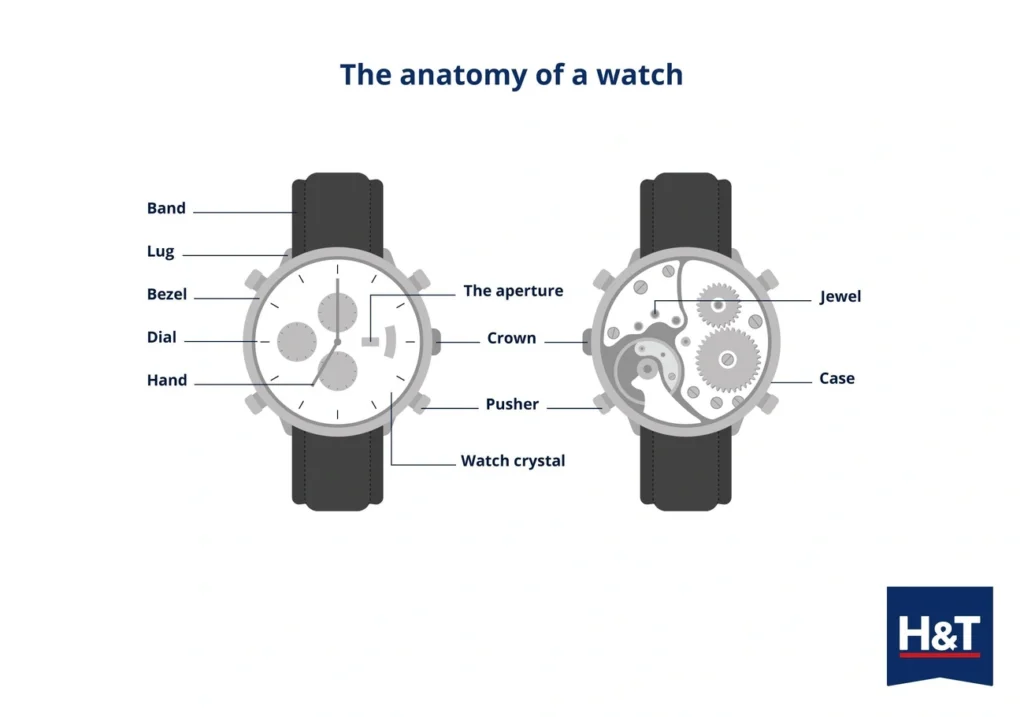
Image Source: H&T
A quick look at a chronograph watch reveals small circles on the main dial. These circles, called subdials or registers, are the foundations of the chronograph’s stopwatch function. Most chronographs have three subdials that measure different time intervals.
The seconds subdial acts as the main precision tool to track brief time spans. This subdial counts the regular running seconds of the watch’s timekeeping function. Quality chronographs keep their main seconds hand still until you start the chronograph function.
You’ll find markings at 20-40-60 on this subdial for precise readings. This is the dial you’ll watch closely when timing events under a minute, like an Olympic 100m sprint. The subdial tracks passing seconds continuously, whatever the stopwatch function’s status, unlike the main chronograph seconds hand that measures elapsed seconds only when active.
The minutes subdial starts tracking elapsed minutes as soon as you press the chronograph’s start button. This register counts up to 30 minutes instead of 60, which makes reading results easier.
The minutes subdial comes in handy especially when you have moderate timing needs – like waiting for coffee orders or timing your cooking. Most chronographs use the 30-minute setup, though some models offer a full 60-minute counter.
The minutes subdial works perfectly with the seconds counter. It moves forward one step each time the chronograph’s central seconds hand goes around the main dial. This teamwork ensures you get accurate timing for medium-length events.
The hours subdial, which is the third register, keeps track of longer periods after you start the chronograph. Most luxury watches let this subdial count up to 12 hours.
The hours subdial is a great way to get timing for long events like business meetings, road trips, or marathons. It teams up with the minutes subdial to give you context and helps you figure out if the minutes shown are from the first or second half of an hour.
These three subdials make reading elapsed time simple by showing seconds, minutes, and hours in separate, clear displays. Adding up the numbers from each subdial tells you exactly how much time has passed since starting the chronograph. This trio of timing registers makes chronograph watches both useful and striking to look at.
Chronographs have evolved beyond simple functionality into several specialized types that serve specific timing needs and priorities.
The standard chronograph represents the most common configuration and features two pushers—one starts and stops the timer, while another resets it to zero. Users can time consecutive events easily with this design. Many iconic watches like the Rolex Daytona use this user-friendly format.
Monopusher chronographs feature a cleaner esthetic with a single button that controls all functions. The button works in sequence: first press starts the timer, second stops it, and third resets it. The timing cannot resume once stopped without resetting—a trade-off balanced by the cleaner case design and its historical significance as the original chronograph format.
Flyback chronographs provide a practical solution when timing rapid consecutive events. Standard chronographs need three separate actions to time consecutive events (stop, reset, restart). However, the flyback allows instant reset and restart with one push while running—making it perfect for timing multiple laps or races.
The rattrapante or split-seconds chronograph stands as the most complex variant. It features two superimposed chronograph hands that measure multiple simultaneous events. This sophisticated mechanism typically needs a third pusher to stop one hand while the other continues running. Racers find this feature invaluable when comparing two competitors’ times.
Additional variations include:
Each chronograph type balances mechanical complexity, functionality, and esthetics. Therefore, collectors and enthusiasts often choose specific variants that match their timing needs and appreciation for horological craftsmanship.
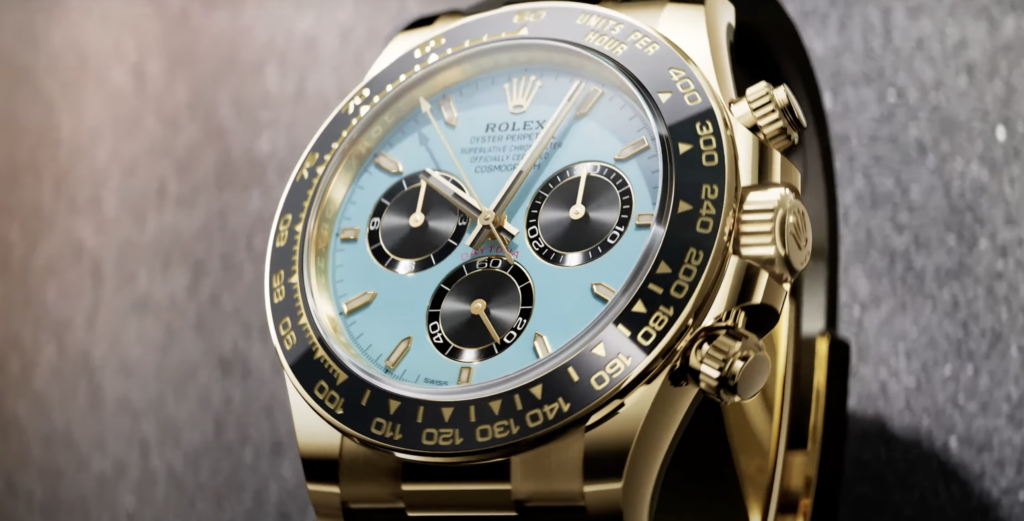
People often mix up three different watch terms: chronograph, chronometer, and regular watch. These terms might sound alike, but each one serves a unique purpose in timekeeping.
A chronograph works as a stopwatch built into a regular timepiece. You can measure time intervals separately from normal timekeeping. This useful tool helps you track specific events—from cooking times to sports events—without disrupting the main time display. You’ll spot a chronograph by its pushers on the side and extra subdials on the face.
A “chronometer” stands for exceptional accuracy rather than special features. Watches must pass strict testing by the Contrôle Officiel Suisse des Chronomètres (COSC) to earn this title. This independent Swiss organization tests movements for 15 days in five positions and three temperatures.
The certification demands seven strict criteria. Mechanical watches must stay accurate within -4 to +6 seconds daily. Only 3% of Swiss watches receive COSC certification today. Many watchmakers proudly display “Chronometer” on their certified timepieces’ dials.
Regular watches show time without extra features or accuracy certifications. Chronographs add stopwatch functions with subdials and pushers. Chronometers focus on precise timekeeping.
These differences become clear when we look at their features:
Yes, it is possible to combine these features. Some watches can be both chronographs and chronometers—like many high-end Omega and Rolex models that offer stopwatch functions with certified accuracy.
Chronograph watches stand at a crossroads in today’s digital world, striking a balance between traditional craftsmanship and modern convenience. A question persists: do these timepieces serve a real purpose, or are they just decorative accessories?
Chronograph watches have an undeniable visual appeal. The sight of knobs, pushers, and subdials working together creates something magical. Watch enthusiasts appreciate this mechanical complexity, while the technical appearance draws attention from others. These watches feature a balanced, symmetrical look with multiple subdials that many people find impossible to resist.
Style plays a major role in most chronograph purchases. As one industry expert notes, “Let’s face it: chronographs are popular in no small part because they look cool — and serious, and masculine.” These distinctive timepieces work as versatile fashion accessories that complement both casual and formal outfits.
Smartphones can measure time, but they lack a wrist-mounted chronograph’s tactile satisfaction and ease of use. Timing with phones requires screen unlocks and app navigation, while chronographs respond instantly to a button press. These watches also prove more reliable – mechanical models work without power, and quartz versions run for years on a single battery.
Many professionals choose physical chronograph buttons over touchscreens. As one user explains, “Tapping an LED touch screen with your fingertip is not the same accuracy and precision as pressing a button with your index finger. There is no tactile feedback.”
Chronographs excel at serving specific professional groups:
A chronograph watch proves its worth if you value mechanical craftsmanship, need a versatile timepiece with extra features, or love its distinctive look. The value goes beyond basic timekeeping to cover style, heritage, and the quiet joy of owning a mechanical marvel.

Chronograph watches have come a long way from specialized astronomical instruments to become versatile timepieces that combine functionality with style. These mechanical marvels are much more than simple timekeepers. They showcase precision engineering, practical utility, and timeless esthetics right on your wrist.
Louis Moinet’s original 1816 invention paved the way for today’s sophisticated models. Chronographs managed to keep their relevance despite digital alternatives being everywhere. Pressing those distinctive pushers gives a satisfying tactile feedback that smartphone timers just can’t match. On top of that, the visual complexity of subdials, scales, and hands creates a mesmerizing look that draws both casual wearers and serious collectors.
Your chronograph watch proves valuable beyond just telling time. You might use it to time your morning run, track billable hours, or admire the mechanical artistry under the dial. These watches are surprisingly practical tools in modern life because of their durability, quick access, and freedom from batteries or screen visibility issues. The distinctive subdials measure seconds, minutes, and hours separately and give you clear, glanceable information without a digital device’s distractions.
Chronographs are evidence of human ingenuity and our need to measure our world precisely. They might not be crucial tools for most professionals anymore, but their lasting appeal connects with something deeper. Watch enthusiasts value this connection to traditional horology in our increasingly digital world. This appreciation exceeds mere technological convenience, making chronograph watches perfect companions for everyday timing tasks and special moments.
A chronograph watch combines a standard timekeeping function with a stopwatch feature. Its primary purpose is to measure elapsed time for various activities, from timing sports events to tracking cooking durations. The chronograph function allows users to start, stop, and reset timing independently of the main timekeeping.
A chronograph watch has additional sub-dials and pushers on the case, which a regular watch lacks. These features allow for stopwatch functionality, typically measuring seconds, minutes, and sometimes hours separately. Regular watches simply display the current time without these extra timing capabilities.
While smartphones offer timing functions, many people still find chronograph watches valuable. They provide immediate access without unlocking screens, offer tactile feedback, and serve as both functional tools and stylish accessories. For professionals in fields like aviation or sports, chronographs remain particularly useful.
Chronograph watches are used for various purposes, including timing cooking processes, tracking workout durations, measuring travel times, and recording billable hours for professionals. They’re also used in sports for timing laps or races, and some people simply enjoy timing random daily activities.
While many chronograph owners appreciate the watches primarily for their esthetic appeal, a significant number do use the timing function regularly. However, the frequency of use varies greatly among individuals, with some using it daily for work or hobbies, and others using it occasionally or rarely.
The Audemars Piguet Bamboo has quietly transformed from an obscure 1980s rarity into the ultimate vintage grail. Once slept on compared to other AP models,
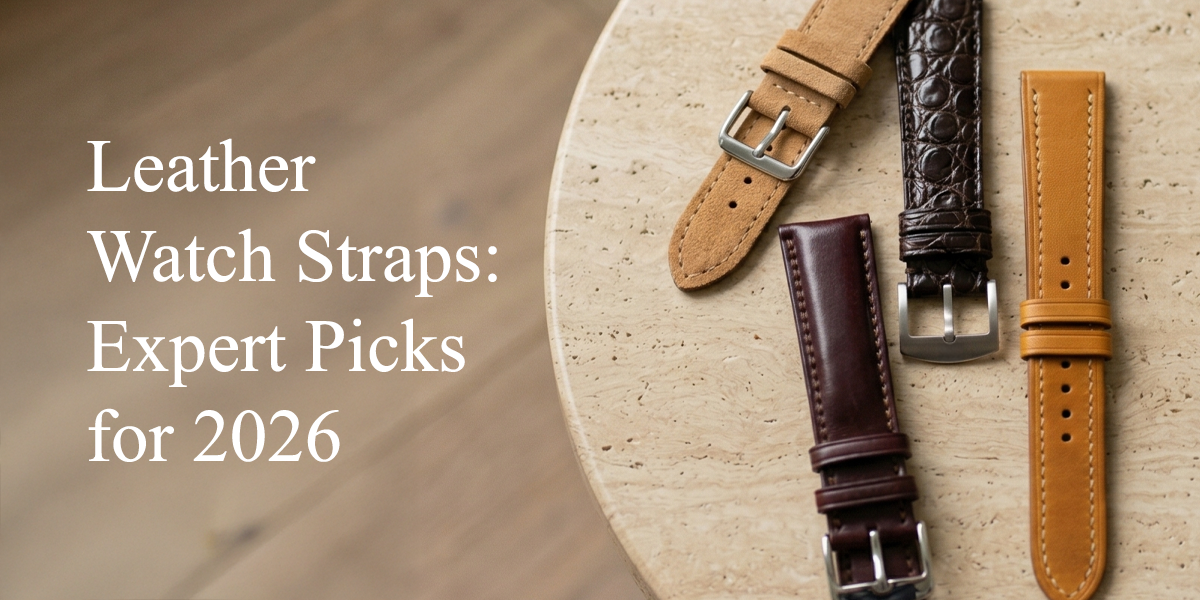
Choosing among the types of leather watch straps can turn your timepiece from ordinary to extraordinary. Attaching watches to leather straps dates back to the
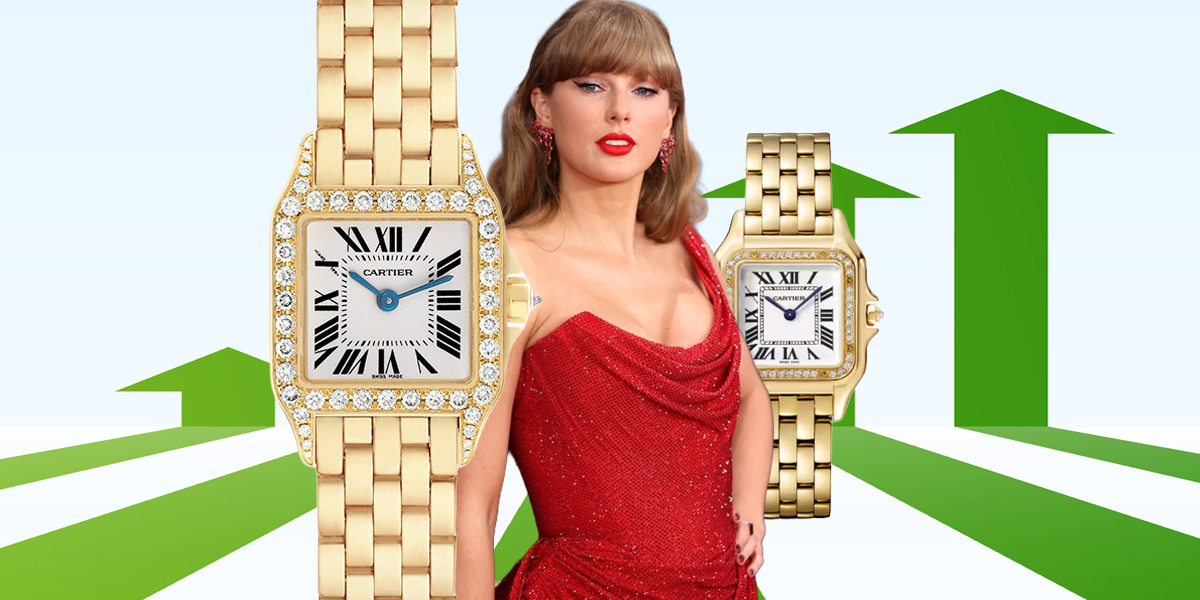
Taylor Swift’s Cartier watch in her viral engagement post turned a discontinued timepiece into the ninth most-liked Instagram post ever. The results were immediate and