
Tudor vs Rolex Showdown: Hidden Quality Differences Revealed
Tudor vs Rolex stands out as one of the most fascinating comparisons in luxury watchmaking. Rolex established Tudor in 1926 as its more affordable sibling

Tudor vs Rolex stands out as one of the most fascinating comparisons in luxury watchmaking. Rolex established Tudor in 1926 as its more affordable sibling company. Tudor’s mission was to create quality timepieces that were more available to watch enthusiasts. Rolex has become a household name, while Tudor stays relatively unknown to the general public, even though it shares much of its DNA with its prestigious sister brand.
The price differences tell an interesting story. Tudor’s flagship models like the Black Bay and Pelagos sell for about half the cost of similar Rolex models. To cite an instance, an entry-level Tudor Black Bay costs around $4,500, while the cheapest Rolex Submariner demands at least $9,500. This price gap exists even though Tudor watches historically shared many parts with Rolex, including cases, crowns, hands, dials, and bracelets.
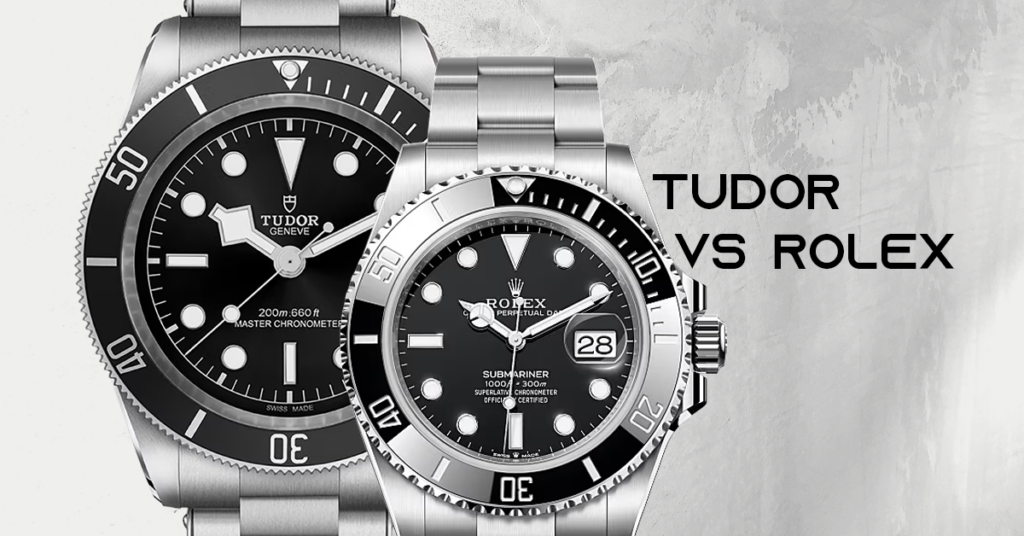
Tudor started as the more affordable option but has carved out its own identity. Over the last several years, Tudor has created its own in-house movements and tried new materials and designs. The quality differences between these brands go beyond the movement. Rolex features better water resistance (300 meters compared to Tudor’s typical 200 meters) and uses premium materials like sapphire crystal instead of Tudor’s acrylic glass.
A first luxury watch purchase or a collection addition needs careful thought about these sister brands’ subtle and obvious differences. Let’s take a closer look at what sets Tudor apart from Rolex, beyond the price tag.
The bond between Tudor and Rolex goes far deeper than most watch lovers might think. These brands share the same forward-thinking founder, Hans Wilsdorf. He created Rolex in 1905 and later brought Tudor to life in 1926. The story behind each brand’s birth shows two distinct market strategies that still shape them today.
Hans Wilsdorf launched Tudor with a clear goal: to create watches just as durable and precise as Rolex but at a more available price point. Tudor’s early watches came with Rolex cases and crowns, which earned them the nickname “Rolex’s hidden gem”. This smart positioning gave Tudor immediate credibility among watchmakers.
Tudor never aimed to compete with its parent company, unlike many luxury brand offshoots. Wilsdorf knew not everyone could buy a Rolex, and a more available option would make his business stronger. His vision placed Tudor as Rolex’s perfect complement rather than a rival.
Rolex built its name on outstanding quality, precision, and prestige to become one of the world’s top luxury brands. Tudor took a different path by bringing solid reliability to more people without the premium cost.
Tudor stayed quiet in many markets through the early 2000s before making a substantial comeback in 2009. The brand went through a major makeover with a fresh product identity and new communication approach. Tudor’s grand return to the US market in 2013 marked a turning point in its history.
The Heritage Black Bay launch in 2013 changed everything for Tudor. This watch mixed vintage charm with modern tech and quickly became popular. Tudor started making its own in-house movements in 2015, which boosted its standing among collectors.
Tudor’s “Born to Dare” campaign with David Beckham and Lady Gaga showed a bold break from Rolex’s marketing style. These stars, known to expand boundaries with their edgy styles, helped Tudor reach younger buyers. Rolex takes a different approach by keeping their prestigious “testimonies” subtle.
While Tudor reinvented itself, Rolex moved toward even higher luxury. Rolex prices keep climbing, with a 7% jump in US prices at the start of 2026. This upward move has put Rolex firmly in the ultra-luxury category.
Tudor’s revenue has doubled since 2017, with about 300,000 watches made each year. This success comes in part from Tudor filling the space Rolex left as it moved upmarket.
Industry experts say, “Tudor is almost a lab for Rolex. They can move quicker, try new things, and explore new styles and ideas a little bit more”. Tudor makes high-quality Swiss timepieces at a fraction of Rolex’s price, bringing luxury watches to more people.
The relationship between these brands shows brilliant market positioning. Rolex stands for ultimate prestige, keeping supply limited despite making over 1.2 million watches in 2023. Tudor offers a mix of heritage, craftsmanship, and availability that appeals to today’s collectors. This approach lets both brands succeed in their markets without stepping on each other’s toes.
The heart of any luxury timepiece is its movement. This is maybe where the biggest differences between Tudor and Rolex become clear. A world of mechanical complexity sets these sister brands apart, beyond their cases and dials.
The way Tudor and Rolex source their movements shows the main difference in their relationship. Tudor used third-party calibers from Swiss ébauche manufacturer ETA to keep their prices more available. This was different from Rolex’s steadfast dedication to vertical integration and in-house production.
A turning point came in 2015 when Tudor revealed its first in-house movement. The Caliber MT5621 (MT standing for “Manufacture Tudor”) powered the North Flag model. This started Tudor’s experience toward movement independence. The MT5621 became Tudor’s technical template with minimal decoration, matte finishing, silicon balance spring, and COSC certification.
Rolex managed to keep its tradition of developing movements entirely in-house. Their breakthroughs like the Chronergy escapement and Parachrom hairspring help achieve superior precision certification of +/-2 seconds per day.
Both brands focus on accuracy with different certification standards. Tudor’s in-house movements are COSC-certified chronometers that meet the Official Swiss Chronometer Testing Institute’s standards of -4/+6 seconds per day. These movements go through testing for 15 days in five positions and three temperatures to ensure consistent performance.
Rolex goes beyond COSC with its own “Superlative Chronometer” certification. After getting COSC certification, Rolex tests fully cased watches under real-life conditions. Tests include temperature variations from -10 to +50 degrees Celsius, 95% humidity, and magnetic fields up to 10,000 gauss. Only watches that achieve accuracy of -2/+2 seconds per day—twice as precise as COSC requirements—earn the Superlative Chronometer designation.
Both brands offer impressive 70-hour power reserves in their modern movements. This similarity stands out given the price difference between them. Tudor’s MT5402 in the Black Bay Fifty-Eight matches Rolex’s Caliber 3235 in power reserve duration.
In spite of that, their technical approaches differ. Rolex uses proprietary breakthroughs like the Chronergy escapement to improve energy efficiency. Tudor focuses on practical performance without the same level of refinement in finishing or proprietary technology.
Tudor’s movement strategy shows an interesting twist in its chronograph offerings. Instead of using technology from its parent company, Tudor partnered with Breitling. The Tudor Black Bay Chronograph uses the MT5813, based on Breitling’s B01 caliber.
Rolex’s Caliber 4130, introduced in 2000 for the Daytona, sets the standard for all automatic chronographs. It illustrates efficient engineering with just 201 parts—remarkably few for a chronograph. Both movements have column wheels and vertical clutches for precise chronograph operation. The B01-based Tudor movement is 0.7mm thicker than Rolex’s 4130.
Tudor improved the B01 with additions like a silicon hairspring and free-sprung balance wheel. This makes it maybe even the more advanced version of an already impressive movement. This surprising fact shows how Tudor created its own technical path instead of becoming a simpler version of Rolex.
The technical differences between Tudor and Rolex movements show their unique approaches to watchmaking excellence. Tudor focuses on practical performance at available prices, while Rolex aims for uncompromising precision and prestige.
The quality gap between Tudor and Rolex watches goes beyond their movements. These sister brands differ in their physical materials, from case metals to bezel materials and bracelet systems. These differences explain the price difference and how each watch feels to wear.
The steel choice plays a key role in the tudor vs rolex quality comparison. Tudor watches use 316L stainless steel, which people often call “marine grade” or “surgical steel.” This standard alloy resists corrosion well because it contains molybdenum.
Rolex takes a different path by using only 904L steel (now called “Oystersteel” since 2018). This steel has more chromium, molybdenum, nickel, and copper. The 904L steel fights off corrosion better than 316L, especially in seawater. It also polishes up nicer and looks a bit whiter because it has less carbon.
The choice to use 904L steel costs Rolex quite a bit. They had to buy special equipment just to work with this steel, which costs 2-3 times more than 316L. This material choice helps explain the tudor vs rolex price difference.
Bezel materials show another key tudor vs rolex difference. Tudor mostly uses aluminum bezel inserts. These are light and develop character marks over time.
Rolex now puts ceramic “Cerachrom” bezels on most of its sports watches. These bezels resist scratches and won’t fade in sunlight. Aluminum bezels might scratch or fade as time passes, but ceramic ones stay looking new for decades. Rolex adds luxury touches by using platinum or white gold for the numbers and marks on these bezels.
Each material has its pros and cons. Ceramic bezels might crack if hit hard enough, while aluminum ones just dent. Replacing a damaged ceramic bezel also costs much more.
Both brands have quick-adjust bracelet systems, but each takes its own approach. Rolex led the way with its Glidelock system. You can adjust it about 20mm without tools. Sports watches from Rolex have included this feature for more than ten years.
Tudor launched its T-Fit “Rapid Adjustment” system in 2021. It gives you about 8mm of tool-free adjustment using springs. You’ll find the T-Fit system on watches like the Black Bay Pro, Ranger, and Pelagos, though adjustment ranges vary by model.
Both systems let you adjust your bracelet for comfort, but they do it differently. Rolex gives you more adjustment range, while Tudor’s system stays compact. This shows how Tudor creates budget-friendly solutions that work well, highlighting the tudor vs rolex quality difference.
The tudor vs rolex difference becomes most apparent in each brand’s design DNA. Their appearance on your wrist tells a story about how these manufacturers approach watchmaking – one cherishes its heritage while the other pushes forward.
Tudor’s modern lineup draws inspiration from its rich archives. The company’s 2009 relaunch brought nostalgia through its Heritage line. This started with the Chrono and led to the soaring success of Black Bay collections. Tudor’s catalog features vintage elements like large onion crowns, domed crystals, and historical Tudor rose emblems.
Rolex keeps moving forward without looking back. The brand evolves its designs instead of recreating them. New colors or materials fit within Rolex’s established design language rather than paying tribute to past models.
Each brand’s signature lies in their iconic handsets. Tudor’s “Snowflake” hands showcase distinctive square tips that emerged in the late 1960s. The French Navy needed better underwater visibility and asked for this design to help divers tell hour and minute hands apart. These angular shapes have become Tudor’s trademark.
Rolex watches sport the Mercedes handset with its prominent three-pronged hour hand. This elegant design remains almost unchanged for decades and defines the brand’s identity, especially on models like the Submariner.
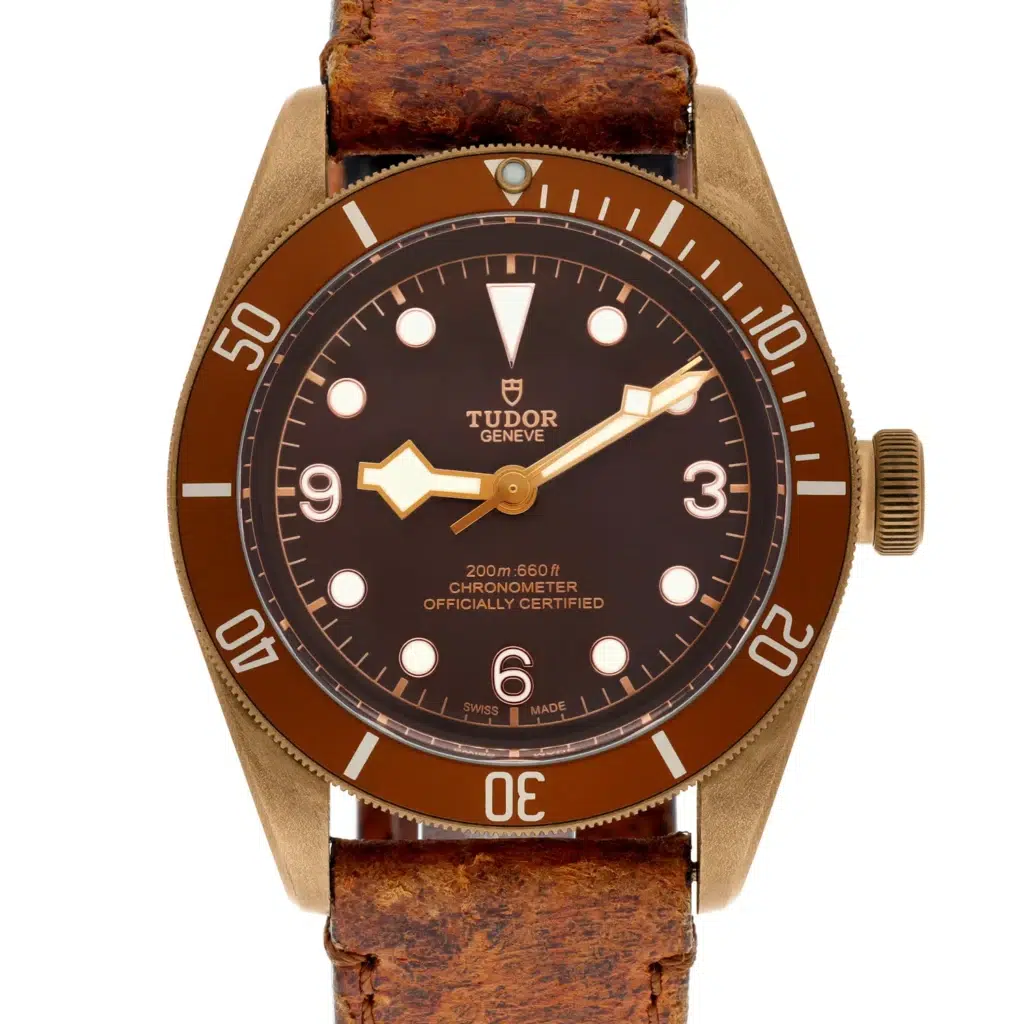
Tudor, the “younger sibling,” takes more risks with colors and materials. Bold hues appear throughout its collections alongside various strap options. These range from metal bracelets to uniquely patterned NATO-style straps. Tudor leads innovation with bronze and ceramic cases – options you won’t find in Rolex’s lineup.
Rolex stuck to conservative colors like black, blue, and green. The 2020 launch of colorful Oyster Perpetual models, inspired by vintage Stella dials, marked a shift. Yet Rolex maintains its understated approach to design.
The esthetic differences show up in every collection. Tudor’s dress watches like the 1926 or Style collections have a sportier feel compared to Rolex’s elegant Cellini or Day-Date families.
A fine timepiece’s true story goes beyond theoretical specifications. The tudor vs rolex difference becomes clear through daily wear, stress testing, and long-term ownership. These ground experiences reveal more about tudor vs rolex quality than any specification sheet.
These sister brands show a clear difference in aquatic performance. Rolex dive watches offer 300 meters of water resistance, while Tudor’s counterparts provide 200 meters. Rolex uses sapphire crystal that maintains structural integrity under extreme pressure. Tudor uses acrylic glass that slightly compresses at depth, which affects water resistance.
Both ratings are a big deal as it means that they exceed recreational diving requirements. Watches rated at 200 meters work great at extreme depths suitable for most diving activities. Tudor’s Pelagos leads the pack as the brand’s aquatic flagship with a 500-meter rating, surpassing standard Rolex models.
Each brand creates its own unique tactile experience. Rolex movements are prominent for their silent, almost imperceptible winding action. Rolex achieves this by using a dual bearing and rotor axle inside the jewel bearing, which eliminates noisy ball bearings.
Tudor’s winding mechanism produces more audible feedback. Owners often notice rotor movement during manual winding, especially at slower speeds. The rotor axle in Rolex watches might wear down and need replacement over time, yet the original experience stays remarkably refined.
Ownership costs show more practical differences. A standard Rolex service costs between USD 800 and USD 1,200, sometimes going above USD 2,000 based on model and parts needed. Premium models need higher service costs—Daytona chronographs start at USD 1,300-1,600 for basic service, while Sky-Dwellers begin at USD 1,400-1,600.
Tudor watches are more budget-friendly to maintain under normal conditions. Their history with ETA movements means spare parts are more available and service costs stay lower. Tudor offers a more available long-term ownership option.
Rolex officially suggests maintenance every 10 years for modern watches. Watchmakers recommend more frequent servicing for daily-wear pieces (5-7 years) and vintage models (3-5 years). The tudor vs rolex quality difference shows here—Rolex movements (especially caliber 31) show exceptional durability, while Tudor’s more available servicing creates its own practical value.
The financial story of tudor vs rolex ownership goes well beyond brand prestige and technical specs. Let’s look at how these watches stack up in terms of pricing and long-term value to help you make the right choice.
The pricing pattern shows clear differences between these brands. You can get an entry-level Tudor for about USD 2300, while Rolex models start at USD 5700. The gap gets even bigger with sports models – Tudor watches cost around USD 4000, but you’ll pay about USD 11000 for a Rolex.
Tudor’s Black Bay collection ranges from USD 4750 to USD 7600. These prices make Tudor watches a great starting point for luxury watch collecting. Both brands raised their prices recently. Rolex bumped up prices by 7% in the US market in 2026, and Tudor followed with a 5.6% increase.
The secondary market tells the most important tudor vs rolex difference. This is a big deal as it means that Rolex watches often keep or exceed their original retail prices because of high demand and limited supply. Rolex proves to be the safer bet for long-term investment.
Tudor watches tend to lose value faster, with many models dropping about 40% below retail in the secondary market. But this creates a silver lining for collectors – pre-owned Tudors give you excellent quality for your money.
Your priorities matter when deciding between these brands. Rolex clearly wins if investment potential tops your list. Tudor shines with better availability – you can buy and wear one without dealing with long waitlists.
Tudor hits a sweet spot in the USD 3000 range. You get great value with Tudor, especially since many models come with in-house movements that match their pricier cousins’ specs.
Tudor gives you availability and practicality, while Rolex delivers prestige and investment security. Your choice comes down to what matters most to you in a luxury watch.
|
Feature |
Tudor |
Rolex |
|
Steel Type |
316L stainless steel |
904L steel (Oystersteel) |
|
Water Resistance |
Typically 200m (500m for Pelagos) |
Typically 300m+ |
|
Movement Certification |
COSC (-4/+6 seconds per day) |
Superlative Chronometer (-2/+2 seconds per day) |
|
Power Reserve |
70 hours |
70 hours |
|
Bezel Material |
Aluminum |
Ceramic with platinum inlays |
|
Bracelet Adjustment |
T-Fit system (8mm adjustment) |
Glidelock system (20mm adjustment) |
|
Design Approach |
Vintage-inspired, experimental |
Modern minimalist, evolutionary |
|
Signature Hands |
Snowflake hands |
Mercedes hands |
|
Entry-Level Price |
Around $2,300 |
Around $5,700 |
|
Sports Model Price |
Around $4,000 |
Around $11,000 |
|
Service Cost |
Lower, more economical |
$800-$1,200 (basic service) |
|
Movement Source |
Mix of in-house (since 2015) and third-party |
Exclusively in-house |
|
Market Position |
Available luxury, broader audience |
Ultra-luxury, prestige segment |
|
Annual Production |
Approximately 300,000 watches |
Over 1.2 million watches (2023) |
Tudor and Rolex have emerged as two distinct expressions of luxury watchmaking, despite sharing the same DNA. These brands craft exceptional timepieces but serve different roles in the watch world.
Rolex sits without doubt at the top of luxury watchmaking. They use better materials like 904L steel, ceramic bezels with platinum inlays, and movements that meet strict Superlative Chronometer standards. Rolex’s premium price gets you more than just the name – you get better materials, higher specs, and a watch that will likely hold or increase its value over time.
Tudor stands as a compelling alternative. It’s not just “Rolex lite” – Tudor has built its own identity through vintage-inspired designs, bold colors, and great value. The brand matches Rolex’s 70-hour power reserve with COSC-certified in-house movements at about half the price.
Your choice between these sister brands ended up depending on what matters most to you. Rolex proves to be the better choice if you value prestige, investment potential, and the finest materials. Many people justify its premium price tag for legendary durability, precision, and status.
Tudor hits a sweet spot in the luxury watch market. You get Rolex’s core DNA – durability, precision, and heritage – without the waitlists or huge markup. Tudor’s experimental designs and color options offer creative freedom that Rolex’s conservative approach rarely allows.
Both brands grow in different directions. Rolex keeps making small improvements toward perfection, while Tudor explores new territory with materials and designs its prestigious sibling can’t risk.
Think over the whole ownership experience before deciding. Tudor watches cost less to maintain but lose value faster than Rolex models. In spite of that, this creates great deals in the pre-owned market for value seekers.
The Tudor vs Rolex debate boils down to this: Tudor delivers great watchmaking at reasonable prices with character, while Rolex represents the pinnacle of precision timekeeping with unmatched prestige. Both approaches deserve respect, and either choice connects you to Hans Wilsdorf’s amazing watchmaking legacy.
Tudor vs Rolex stands out as one of the most fascinating comparisons in luxury watchmaking. Rolex established Tudor in 1926 as its more affordable sibling
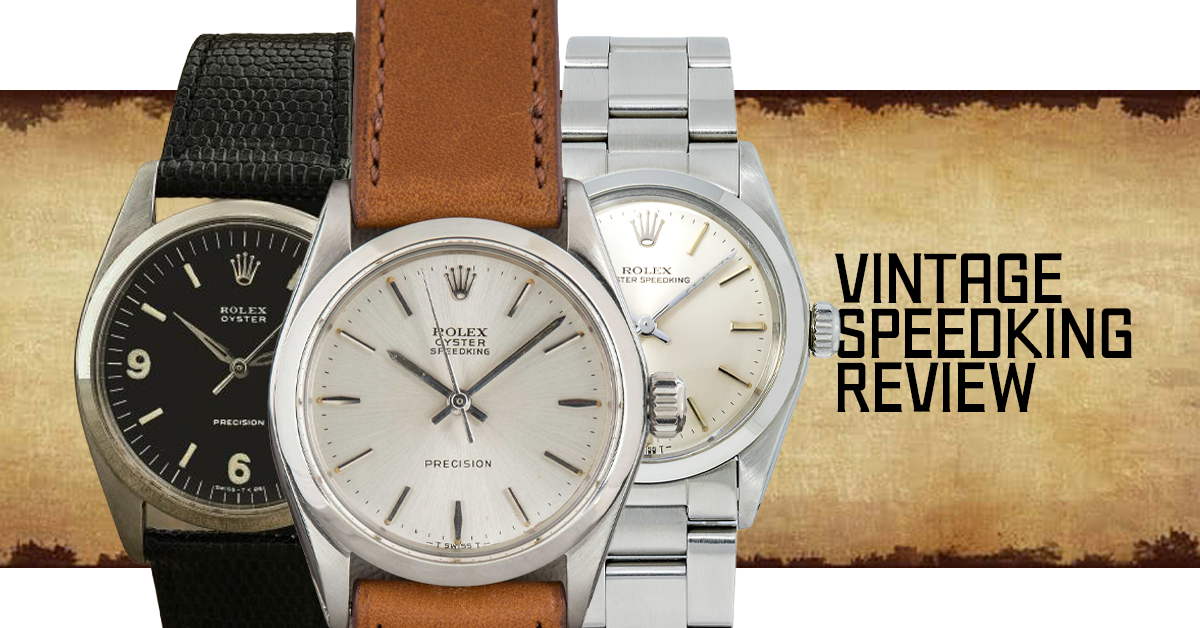
The Rolex Speedking has a story that few luxury watches can match. This remarkable timepiece got its name from Sir Malcolm Campbell, the legendary “King
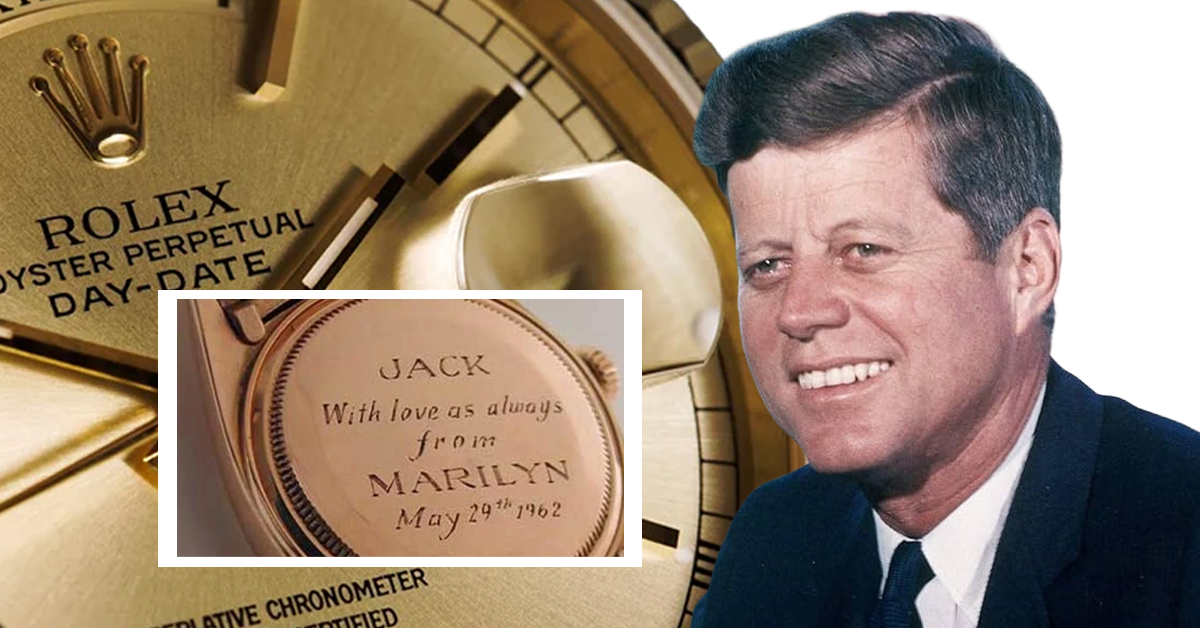
Did you know that the JFK’s Rolex watch, a gold gift from Marilyn Monroe, sold for a modest $120,000 at auction in 2005? This presidential