The mystery of Vacheron Constantin’s annual watch production has captivated luxury timepiece enthusiasts for decades. This prestigious Swiss manufacturer thinks over every detail and keeps its production numbers close to the chest.
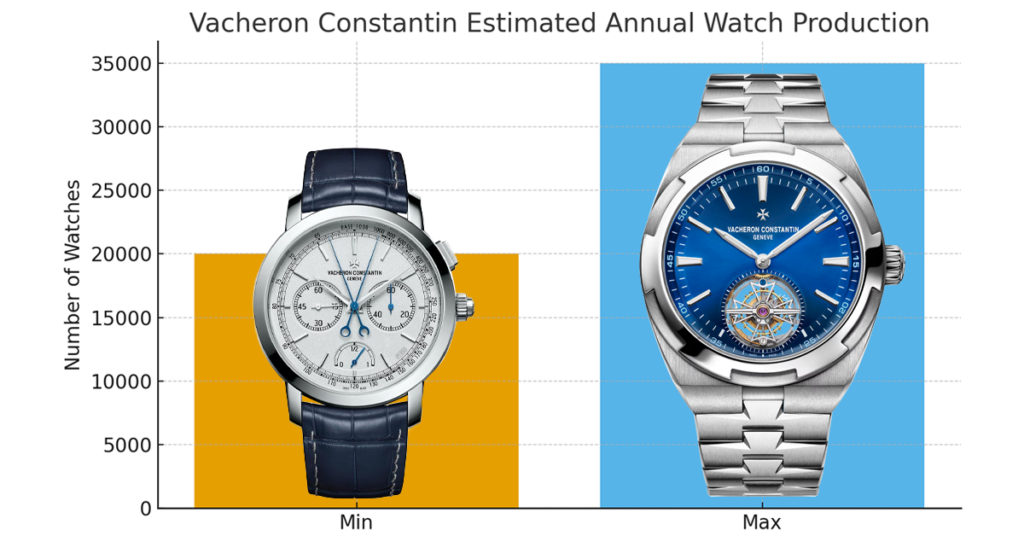
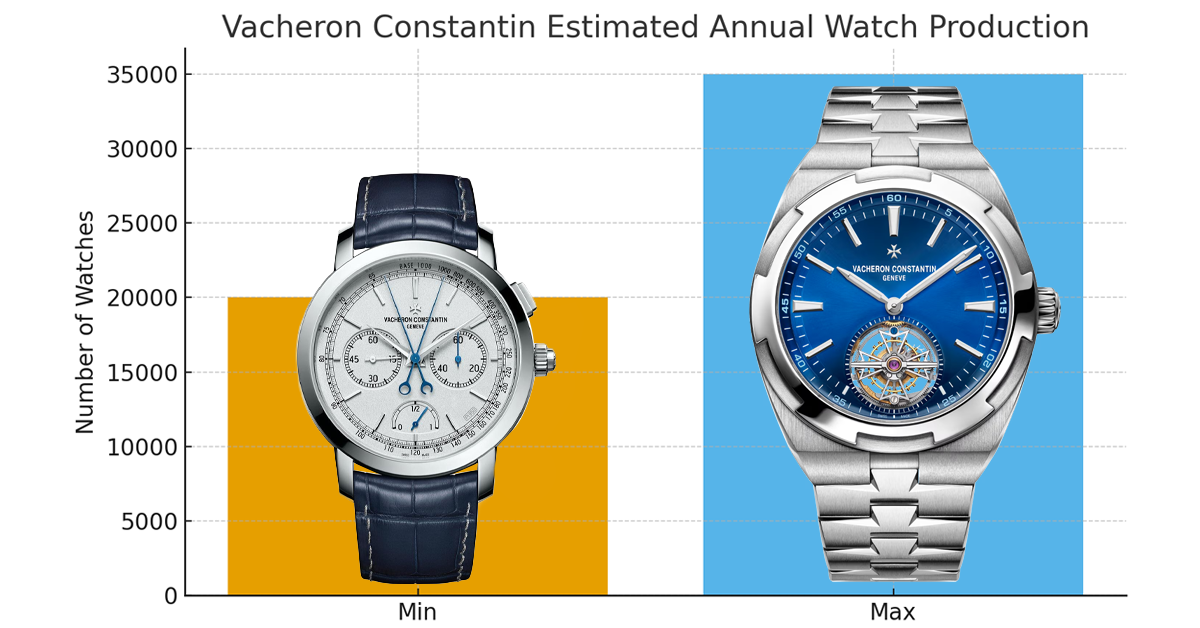
Vacheron Constantin creates some of the world’s most exclusive timepieces. The legendary brand has managed to keep an unbroken watchmaking legacy since 1755, earning its place among the oldest watchmakers worldwide. Most luxury brands produce hundreds of thousands of watches yearly, but VC timepieces are much harder to come by. Industry estimates suggest Vacheron Constantin crafts between 20,000 and 35,000 watches annually. These numbers pale in comparison to larger luxury watch brands that produce over a million pieces each year.
The brand’s limited production hasn’t held it back financially. Vacheron Constantin reached an estimated turnover of CHF 1.097 billion in 2023 by selling roughly 35,000 watches. Each timepiece commanded an average retail price of CHF 38,740 (excluding VAT). These premium prices showcase the brand’s steadfast dedication to horological excellence. The Reference 57260 pocket watch stands as a perfect example – it’s the most intricate mechanical watch ever created, boasting 57 distinct complications.
Let’s dive into the fascinating story behind Vacheron Constantin’s production approach and see how their limited numbers create exclusivity, boost market value, and set them apart in the competitive luxury watch world.
Vacheron Constantin’s Annual Watch Production Volume Explained
Vacheron Constantin guards its exact production numbers as one of the watch industry’s biggest secrets. The prestigious maison, owned by Richemont Group, keeps its annual output figures private, unlike publicly traded companies that share detailed manufacturing data.
Estimated Output: 20,000 to 35,000 Watches per Year
The brand’s production volume stays relatively small compared to other luxury watchmakers. Expert estimates put the annual production between 20,000 and 35,000 timepieces. This careful limit matches the brand’s ultra-luxury position.
Today’s production numbers show substantial growth from past figures. The brand made fewer than 10,000 pieces yearly through most of the 20th century. The expanding luxury watch market led to gradual production increases that met select demand while protecting exclusivity.
These production numbers generate remarkable revenue through very high price points rather than volume sales. Each timepiece needs hundreds of hours of expert craftsmanship. Some complex models take over 18 months to complete from design to final assembly.
Comparison with Patek Philippe and Rolex
Among the “Holy Trinity” of Swiss watchmaking (Vacheron Constantin, Patek Philippe, and Audemars Piguet), Vacheron Constantin ranks in the middle for production volume:
Patek Philippe: Produces approximately 50,000-70,000 watches annually
The numbers look even more striking next to Rolex. Rolex makes about 800,000 to 1 million watches yearly—almost 30 times more than Vacheron Constantin. This huge gap shows the completely different business approaches these brands take.
The production ratio becomes clearer when you look at timepiece complexity. Rolex uses similar movements and case designs in many models to optimize production. Vacheron Constantin creates many different calibers and complications, including rare editions with unique artistic features.
Why the Brand Keeps Production Numbers Low
The brand limits its production numbers with clear purpose. Quality standards stay exceptional because each timepiece goes through detailed craftsmanship and thorough checks that would be impossible at larger scales.
Limited production creates natural rarity that builds the brand’s value. Making fewer watches than people want leads to waiting lists for certain models and helps these timepieces become sought-after collector’s items.
Excellence matters more than growth to this brand. While others chase market share, Vacheron Constantin focuses on its heritage of horological mastery. This philosophy comes from Jean-Marc Vacheron’s original principles from 1755.
The brand’s small production volume helps it stay true to genuine haute horlogerie manufacturing instead of mass producing luxury goods. This thoughtful strategy lets Vacheron Constantin create timepieces that represent watchmaking’s highest art form rather than just luxury accessories.
How Limited Production Shapes the Brand’s Exclusivity
The life-blood of Vacheron Constantin’s business strategy lies in limiting their production volume. This approach directly affects how luxury watch collectors and enthusiasts see the brand. The company’s choice to make only 20,000-35,000 timepieces each year creates an exclusive aura that other watchmakers find hard to match.
Effect on Value of Vacheron Constantin Watches
The lack of Vacheron Constantin timepieces changes how the market values them. These watches become more desirable because the company makes fewer pieces than people want to buy. This calculated approach turns these timepieces from simple timekeeping devices into prized luxury assets.
Popular models like the Overseas or Patrimony collections have waiting lists that stretch over months or years. This makes people value them even more. A collector once said, “The anticipation becomes part of the ownership experience.” The brand’s careful distribution approach will give these watches a lasting appeal.
Quality control reaches exceptional standards because of the limited production numbers. Each watch goes through detailed inspections that would be impossible with larger production runs. So when collectors pay premium prices for these watches, they’re not just buying exclusivity—they’re getting superior craftsmanship.
How Scarcity Affects Auction Prices and Collectibility
Production numbers play a key role in auction performance and collectibility. Discontinued models and special editions see big price increases in the secondary market. Some notable examples show this trend:
Vintage Vacheron Constantin chronographs from the 1940s sell for six-figure sums at auction
The legendary Reference 57260 (the world’s most complicated watch) is worth over $8 million
Limited edition Métiers d’Art pieces sell above their original retail prices
Auction houses especially value pieces from times when production was even more limited. Watches from before the 1970s, when yearly production stayed under 5,000 pieces, command high prices due to their rarity.
Serious collectors look at Vacheron Constantin differently than other luxury brands. They feel a special connection knowing they own something rare—maybe one of just a few hundred pieces worldwide.
Custom Orders and Bespoke Complications
Vacheron Constantin‘s small production model lets them offer something special: truly unique timepieces. Their Les Cabinotiers department creates one-of-a-kind watches for select clients.
The brand’s most talented watchmakers and artisans work in this special workshop. They focus only on creating unique masterpieces that won’t exist anywhere else in the world.
Clients start by meeting with master watchmakers to discuss their ideas. The team then develops designs, modifies movements, and crafts cases to match the client’s wishes. This personal touch represents the highest level of exclusivity from an already exclusive brand.
These custom pieces often shape future limited releases. The techniques created for unique pieces sometimes appear in very limited series watches. These usually go to the brand’s most loyal collectors. This creates a unique system where rarity leads to innovation, making the brand even more exclusive.
Vacheron Constantin’s production limits aren’t just clever marketing. They reflect a core philosophy that shapes everything from how they make watches to how they build relationships with collectors.
Inside the Manufacture: Where Vacheron Watches Are Made
Each Vacheron Constantin timepiece comes to life at the brand’s remarkable headquarters in Plan-les-Ouates, a Geneva district that earned the nickname “Plan-les-Watch” due to its watchmaking facilities.
Plan-les-Ouates Facility Overview
The distinctive manufacturing center opened in 2005 to mark Vacheron Constantin’s 250th anniversary. Renowned architect Bernard Tschumi designed this contemporary structure. The building showcases a unique half Maltese cross shape that mirrors the brand’s iconic logo. A single curving metal skin wraps over the top from east to west, bringing together management, administration, and workshops.
The facility’s design prioritizes lighting. Natural light floods the interior spaces through expansive glass walls on the north and south sides, courtyards and skylights. The watchmaking operations face north, which creates perfect conditions for finishing and assembly. The facility employs 750 people who produce between 25,000 and 35,000 watches each year.
In-House Movement and Escapement Production
Vacheron Constantin belongs to an elite group of watchmakers who create their own escapement components and hairsprings in-house. The brand crafts its “assortments” (escape wheel, lever, and balance wheel kit) under the same roof where decoration and final assembly take place.
The brand’s technical expertise shines through its hairspring production. Special equipment draws wire through decreasing diameter gages before rolling it flat. The wire looks like human hair at this stage but lacks elasticity. Special ovens “bake in” the elasticity, with four hairsprings taking shape at once in custom jigs.
Master watchmakers handle all chronographs, tourbillons, and grande complications during movement assembly. The brand follows a meticulous quality control process – they fully assemble, adjust, disassemble, then reassemble all complications.
Artisanal Techniques: Guillochage, Enameling, and Engraving
Skilled artisans practice centuries-old decorative techniques in the métiers d’art workshops. The guillochage process uses vintage machines from the 1800s to engrave patterns by hand. Master guillocheurs guide these antique rose engines and straight-line machines with precision. Their work creates intricate patterns that catch light uniquely – something modern industrial methods cannot replicate.
The enameling process demands exceptional patience. Master enamellers apply finely ground glass mixed with oxide pigments onto metal surfaces. Each piece undergoes multiple firings at temperatures above 800°C. Whether using Grand Feu, cloisonné, or champlevé techniques, repeated firings help achieve vibrant, lasting colors.
A single Vacheron Constantin watch takes months to complete because it represents more than just a timekeeper – it’s a canvas that showcases irreplaceable human artistry.
The Historiques 222 shows how Vacheron manages product scarcity well. The brand launched a gold reissue in 2022 for its 45th anniversary. A blue-dial steel version followed in 2025 to mark its 270th year. The steel 222 comes in very small numbers. Secondary market prices jumped to €65,000-€80,000 before settling at €45,000-€55,000.
Vacheron times its material releases thoughtfully. The brand let the yellow gold 222’s popularity peak before bringing out the steel version. This smart approach creates waves of collector interest throughout their typical seven-year product cycles.
Métiers d’Art and Les Cabinotiers Limited Editions
The Métiers d’Art collection shows off Vacheron Constantin’s decorative expertise. These pieces draw inspiration from art, history, and culture. They serve as wearable art galleries that preserve age-old craftsmanship while pushing creative boundaries.
Les Cabinotiers pieces stand even more exclusive. These unique timepieces follow the tradition of Geneva’s 18th-century master watchmakers. This department lets watch lovers commission one-of-a-kind pieces with amazing complications and artistic techniques. The brand releases special single-piece editions yearly under this name, like the recent “La Quête” series for its 270th anniversary.
Quartz vs Mechanical: Volume Distribution
Vacheron Constantin puts most of its focus on mechanical movements, unlike other luxury brands that make many quartz watches. This choice shows their dedication to traditional watchmaking over mass production. Most of Vacheron’s yearly output features mechanical movements, which fits their role as guardians of fine watchmaking.
Mechanical movements last longer and stay repairable compared to quartz ones. These watches need more care but can work forever with proper maintenance. Quartz watches face problems when their electronic parts become outdated or beyond repair.
Market Impact of Low Production Numbers
Vacheron Constantin produces only 20,000-35,000 watches each year. This limited production creates a unique market dynamic that affects everything from retail experience to long-term value.
Retail Availability and Boutique Strategy
Vacheron Constantin sells through a select network of authorized retailers and flagship boutiques worldwide. Their New York boutique shows off 4,500 square feet of space. This showcases the brand’s retail philosophy where limited stock adds to the mystique. Popular models like the stainless steel 222 are rare gems. Boutiques might get just 10 pieces yearly. This leads to waiting lists with over 2,000 names at one location.
Resale Value and Investment Potential
Vacheron Constantin timepieces show strong investment traits, though different collections vary in performance:
Stainless steel Historiques 222 models first jumped to $70,000 before settling at $50,000—about 40% above retail
Limited editions like Métiers d’Art pieces perform better than standard models
Most Vacheron Constantin watches sell below MSRP. However, some popular models keep premiums that match Patek Philippe and Audemars Piguet.
How Limited Supply Affects Brand Positioning
The lack of supply puts Vacheron Constantin in a unique spot among luxury watchmakers. The brand gets less online attention than Patek Philippe (about 25% of search volume). This exclusivity appeals especially when you have collectors looking for timepieces that surpass mainstream luxury. This approach helps maintain Vacheron’s prestige without rushing for quick growth that might affect its watchmaking standards.
Conclusion
Vacheron Constantin sets itself apart from other luxury watchmakers by considering production limitations. Rolex produces almost a million timepieces yearly. Yet Vacheron carefully crafts only 20,000-35,000 watches annually, making exclusivity the core of their identity rather than a marketing strategy.
The brand’s heritage shines through their steadfast dedication to mechanical watchmaking. Each timepiece represents watchmaking’s finest artistry through masterful integration of age-old techniques like guillochage and enameling. These watches then command hefty premiums in both retail and secondary markets.
Quality exceeds quantity at the heart of Vacheron Constantin’s production strategy. The company’s Plan-les-Ouates facility embodies this principle and houses skilled artisans who preserve time-honored techniques while embracing innovative technology. Their strategic product line allocation boosts exclusivity, particularly in models like the Historiques 222 and Les Cabinotiers creations.
A Vacheron Constantin timepiece stands unmatched in genuine craftsmanship and rarity among luxury items. The brand’s resistance to mass production, despite market pressures, cements their position in watchmaking’s “Holy Trinity.” Though they produce fewer watches than competitors, Vacheron Constantin generates remarkable revenue through exceptional quality that justifies premium pricing.
These production limitations ended up creating more than just watches – they created heirlooms. These rare mechanical treasures preserve both heritage and value for generations. Vacheron Constantin proves that true luxury runs on rarity, craftsmanship, and steadfast dedication to horological excellence.
The mystery of Vacheron Constantin’s annual watch production has captivated luxury timepiece enthusiasts for decades. This prestigious Swiss manufacturer thinks over every detail and keeps
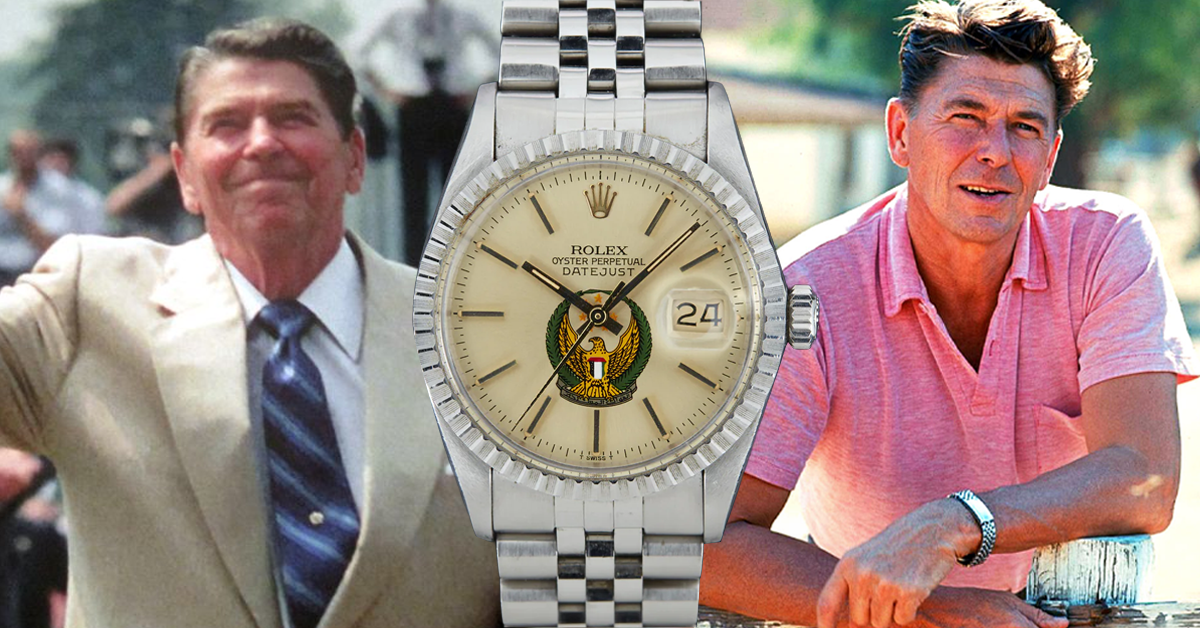
Ronald Reagan’s watch choice reveals a fascinating story about presidential style and tradition. During his time as the 40th President, Reagan wore a steel
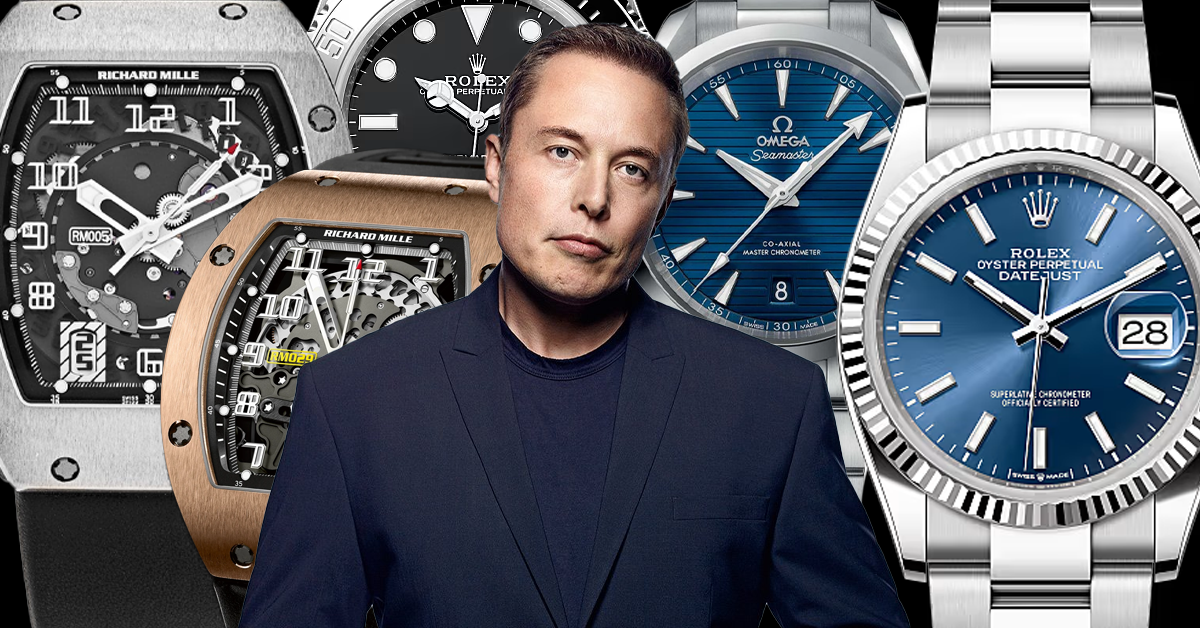
Elon Musk’s watch collection mirrors state-of-the-art technology and understated luxury, just like the man himself. The world’s richest person, worth $146 billion, doesn’t always choose