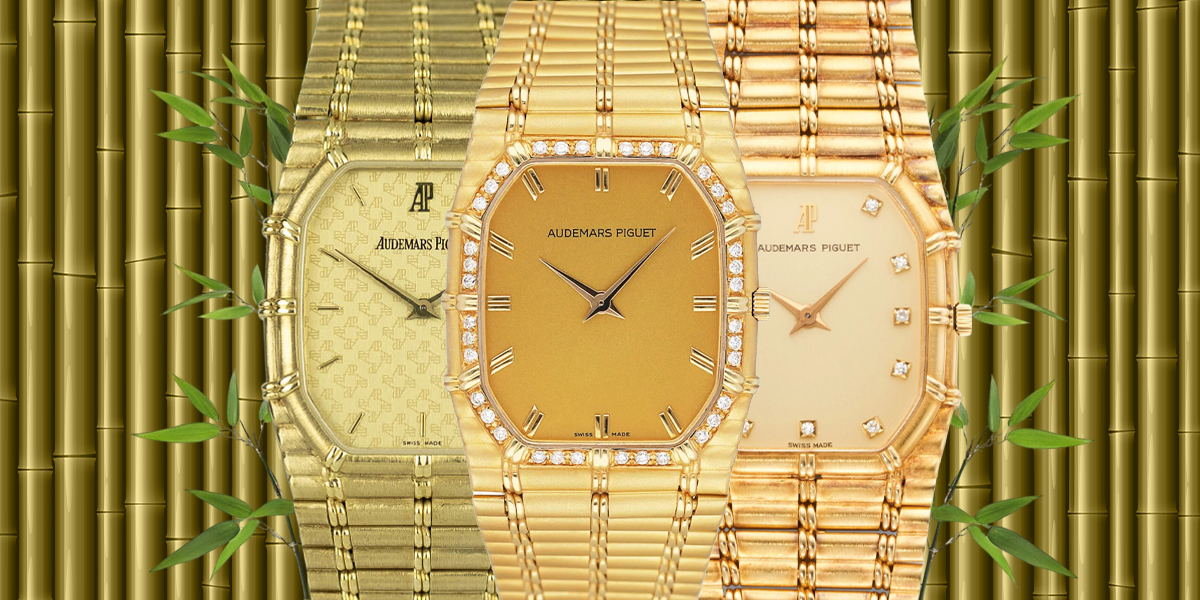
Audemars Piguet Bamboo Review: Why This Vintage Watch Became Every Collector’s Grail
The Audemars Piguet Bamboo has quietly transformed from an obscure 1980s rarity into the ultimate vintage grail. Once slept on compared to other AP models,

The Oyster Perpetual and Datejust stand as two of Rolex’s most iconic watches, each with its own unique story and features. Rolex launched the Datejust back in 1945 as their first self-winding waterproof chronometer that showed the date. The Oyster Perpetual represents Rolex design at its purest, with a focus on simplicity and function.
Both watches now use modern movements with impressive 70-hour power reserves, but they differ by a lot in other ways. The biggest difference shows up in their features – the Datejust comes with its signature Cyclops lens that magnifies the date window, while the Oyster Perpetual keeps things simple with just the time. The price points also set them apart. The Oyster Perpetual costs about $2,300 less, starting at $5,550, while the Datejust begins at $6,900. The Datejust gives you more choices with different materials and bracelet options, including their iconic Jubilee bracelet. The Oyster Perpetual stays true to its roots and comes only in corrosion-resistant Oystersteel.
This piece will help you understand what makes these classics different and pick the Rolex that matches your style, needs, and budget perfectly.
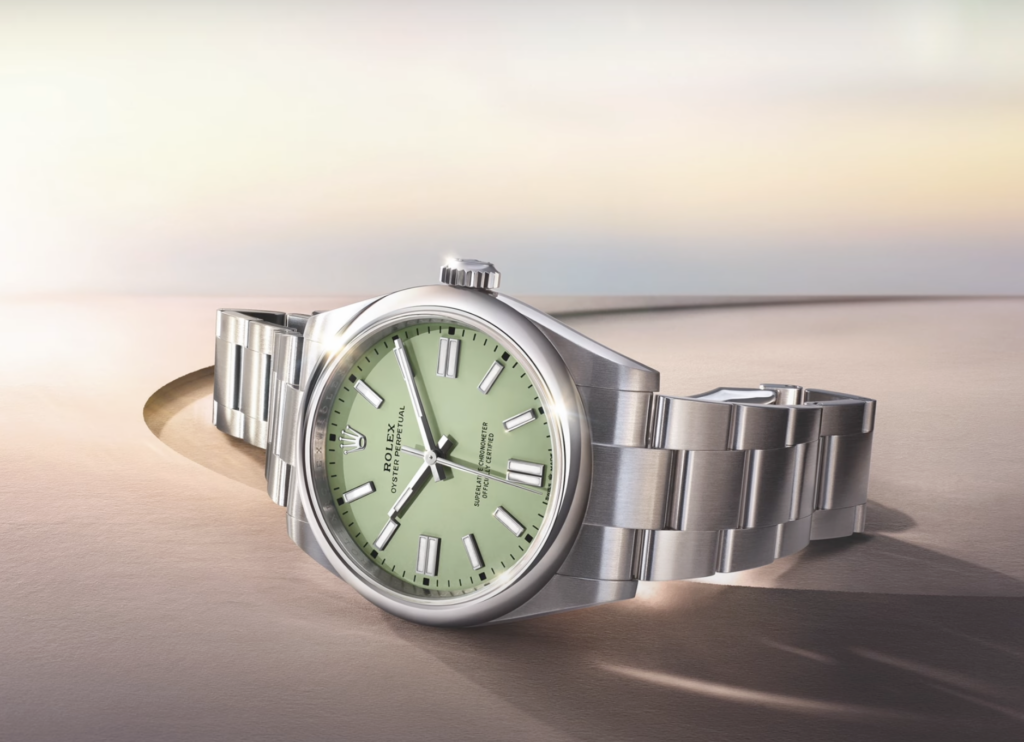
The Oyster Perpetual and Datejust create two completely different watch experiences through their esthetic differences. These Rolex siblings share DNA at first glance, but a closer look reveals design choices that make each unique.
The Oyster Perpetual takes a minimalist approach with its three-handed display that shows hours, minutes, and seconds. Many collectors love its clean, balanced look without a date window. The Datejust, on the other hand, features its signature date complication at 3 o’clock with the iconic Cyclops lens to boost date readability. This Cyclops element has become one of Rolex’s most recognizable features since the Datejust first appeared.
Today’s Oyster Perpetual comes only with a smooth, plain bezel that speaks of timeless elegance. The Datejust offers substantially more choices with three main bezel styles: smooth (like the OP), the iconic fluted design, and diamond-set bezels. The fluted bezel started as a functional element to screw onto the case for water resistance, but it evolved into a distinctive Rolex trademark. Rolex crafts these fluted bezels only from 18-karat white, yellow, or rose gold.
The bracelet options set these models apart too. The Oyster Perpetual pairs exclusively with Rolex’s classic three-link Oyster bracelet in Oystersteel. The Datejust gives you a choice between the robust Oyster bracelet and the dressier five-link Jubilee bracelet, which Rolex created specifically for the Datejust in 1945. The Jubilee’s detailed five-piece link design creates an elegant look. Some smaller Datejust models also come with the prestigious President bracelet, usually found only on Rolex’s luxury pieces.
The dial options show the biggest difference between these watches. Since 2020, the Oyster Perpetual has surprised everyone with bold colors like turquoise blue, yellow, coral red, green, and candy pink. These eye-catching options appeal to younger buyers who want something more fun. The Datejust stays closer to traditional elegance but offers amazing variety – from classic sunburst finishes to diamond-set dials, mother-of-pearl, and various textures. The Datejust really stands out with its “most varied combinations of all Rolex watches”.
![Rolex Oyster Perpetual vs Datejust: A Watch Buyer's Decision Guide [2026]](https://watchmydiamonds.com/wp-content/uploads/2025/06/Datejust-36-116233-1024x1024.jpg)
The true heart of any Rolex watch lies beneath its surface – the movement. The Oyster Perpetual and Datejust look different on the outside, but their internal mechanics tell an even more fascinating story.
The Oyster Perpetual comes with Caliber 3230 while the Datejust features Caliber 3235. These latest-generation movements share similar construction and performance specs. The main difference is the date mechanism in the 3235. Both calibers use Rolex’s patented Chronergy escapement that delivers 15% better efficiency than older versions. The paramagnetic blue Parachrom hairspring makes these watches resistant to magnetic fields, temperature changes, and shocks.
Both movements hit precision ratings of -2/+2 seconds per day, which beats official chronometer standards. Rolex redesigned more than 90% of the parts in these movements compared to earlier versions. The 3235 model’s excellence shows in its 14 patents.
These new-generation movements come with impressive power reserves. Both calibers run for about 70 hours on a full wind. This is a big deal as it means that the power lasts longer than the previous 48-hour Rolex movements. You can take your watch off on Friday evening and wear it again Monday morning without resetting it.
The longer power reserve comes from breakthroughs like the more efficient Chronergy escapement and better barrel design. The thinner barrel walls fit a longer mainspring.
The biggest technical difference between these watches is the date function. The Datejust’s Caliber 3235 has “instantaneous date with rapid setting”. The Oyster Perpetual’s Caliber 3230 doesn’t have this feature.
The Datejust’s “quickset” feature lets you change the date by pulling the crown to the middle position. You won’t need to spin the hour hand around the dial repeatedly. The date changes right at midnight instead of slowly over hours, which keeps time precise.
The Oyster Perpetual and Datejust watches feel quite different on your wrist, beyond their looks and mechanics. These timepieces come in similar sizes but have subtle differences that matter.
You can find a size that fits almost any wrist in both collections. The Oyster Perpetual gives you more choices with five sizes: 28mm, 31mm, 34mm, 36mm, and 41mm. The Datejust line comes in four sizes: 28mm (Lady-Datejust), 31mm, 36mm, and 41mm. Men traditionally wore the 36mm Datejust, which remains the most popular size. Now women also choose this size to make a bold statement.
These watches sit differently on the wrist even with similar case sizes. The lug-to-lug measurement matters more than case diameter for comfort and shows some key differences. The OP41’s lug-to-lug height reaches 47.33mm while the DJ41 measures 47.27mm. The DJ41’s horizontal lug span measures 26.67mm at the bracelet connection point, compared to the OP41’s 26.12mm.
The DJ41’s case measures 11.64mm thick, while the OP41 comes in at 11.8mm. You might not notice this tiny difference even with both watches side by side. The crystal size creates a more noticeable difference – the OP41’s crystal spans 33.45mm while the DJ41’s measures 32.05mm. This 1.5mm difference makes the OP41 look bigger on your wrist, despite its slightly smaller case.
The clasp design shows the price difference between these models clearly. The Oyster Perpetual’s clasp has a stamped or engraved Rolex logo, while the Datejust features a premium welded logo. Both clasps share the same size and have a practical 5mm extension link system with micro-adjustments. Neither clasp has the safety flip-lock system that Rolex’s sport models use. This small clasp difference affects both quality perception and daily wear experience.
The price tag often makes the final decision between these two iconic timepieces. The cost difference shows more than just looks – it reveals the technical complexity and material choices of each watch.
The Oyster Perpetual serves as Rolex’s starting point. Prices start at USD 5,550 for smaller sizes and go up to USD 6,400 for the 41mm version. The Datejust line starts higher – USD 6,900 for the Lady-Datejust 28mm. Standard 36mm versions cost around USD 7,750, while the Datejust 41 starts at USD 8,500. You’ll find about USD 2,300 difference between similar models. The OP lets you experience Rolex quality without spending too much.
Your choice of materials really changes the price of both watches. A Datejust with a Jubilee bracelet costs USD 250 more than the stainless steel version. The white gold fluted bezel adds USD 1,450 to a 36mm and USD 2,400 to a 41mm model. Gold Datejust models can cost over USD 30,000. The Oyster Perpetual stays exclusively in Oystersteel, which keeps its prices steady.
These watches hold their value well, each in its own way. The Datejust’s value grew by 221% from 1994 to 2016, with 4.6% yearly growth. Some discontinued Oyster Perpetual models, especially those with “Stella-inspired” colorful dials, now sell for much more in the secondary market. Vintage and discontinued models tend to do better than newer ones. Collectible Datejust references see yearly value increases of 5-12%.
Rolex’s configurator lets you personalize the Datejust by a lot. You can pick from various dial colors, bezel options, bracelet styles, and precious materials. The Datejust offers “the most varied combinations of all Rolex watches”. The Oyster Perpetual keeps things simpler – you just need to choose your dial color and case size.
| Feature | Rolex Oyster Perpetual | Rolex Datejust |
|---|---|---|
| Starting Price | $5,550 | $6,900 |
| Movement | Caliber 3230 | Caliber 3235 |
| Power Reserve | 70 hours | 70 hours |
| Date Function | No | Yes, with Cyclops lens |
| Case Sizes | 28mm, 31mm, 34mm, 36mm, 41mm | 28mm, 31mm, 36mm, 41mm |
| Case Material | Oystersteel only | Multiple options including steel and precious metals |
| Bezel Options | Smooth only | Smooth, fluted, diamond-set |
| Bracelet Options | Oyster only | Oyster, Jubilee, President (select models) |
| Dial Colors | Vibrant options including turquoise blue, yellow, coral red, green, pink | Traditional options, sunburst finishes, mother-of-pearl, textured patterns |
| Clasp Logo | Stamped/engraved | Welded |
| Case Thickness (41mm model) | 11.8mm | 11.64mm |
| Crystal Diameter (41mm model) | 33.45mm | 32.05mm |
| Customization Options | Limited to dial colors and case sizes | Extensive combinations of dials, bezels, bracelets, and materials |
Your choice between the Oyster Perpetual and Datejust depends on your priorities, budget, and lifestyle. These watches showcase the exceptional craftsmanship and reliability you expect from Rolex.
The Oyster Perpetual serves as your gateway to Rolex ownership with its clean design and a starting price of $5,550. Watch enthusiasts who love minimalist looks will appreciate its vibrant dial options. The OP’s design stands out with perfect dial symmetry and a cleaner look since it doesn’t have the date function and cyclops lens. The watch’s larger crystal diameter creates a bigger presence on your wrist even with comparable case sizes.
The Datejust’s higher price tag makes sense when you look at its versatility and practical features. Its signature date display with cyclops magnifier helps you stay on top of your schedule. You can create your perfect timepiece thanks to extensive customization options. The classic fluted bezel in precious metals and the sophisticated five-link Jubilee bracelet give you many ways to show off your style.
Both watches pack impressive movements with similar 70-hour power reserves and chronometer certification. Your decision should focus on looks and practical needs rather than performance.
New Rolex buyers might prefer the Oyster Perpetual’s simple setup and lower price. The Datejust appeals more to those who want a distinctive Rolex experience with more customization choices, even at a premium price.
These watches feature timeless designs that have stayed relevant for decades. The Oyster Perpetual gives you Rolex quality in its purest form. The Datejust stands as the brand’s most versatile luxury timepiece. Your choice between these horological icons will be a reliable companion that lasts for generations.
The Oyster Perpetual is a simpler, time-only watch with a smooth bezel and Oyster bracelet, while the Datejust features a date function with Cyclops lens, multiple bezel options, and various bracelet choices. The Datejust also offers more customization options and typically comes at a higher price point.
Both models are versatile, but the Oyster Perpetual is often considered the ultimate everyday watch due to its simpler design and lower price point. The Datejust, especially in two-tone or with a fluted bezel and Jubilee bracelet, tends to lean more formal.
While not guaranteed, Rolex Oyster Perpetual watches generally hold their value well due to Rolex’s reputation, limited production, and collector appeal. Certain models, especially those with vibrant dial colors or limited editions, may see greater appreciation over time.
The 2025 Rolex Oyster Perpetual lineup includes fresh pastel tones such as Pistachio, Blue, Turquoise, Lavender, Pink, Beige, Silver, Green, and Black. These colors are available across various case sizes, maintaining the model’s minimalist and balanced design.
Both models feature Rolex’s latest generation movements with 70-hour power reserves. The Oyster Perpetual uses Caliber 3230, while the Datejust houses Caliber 3235. The main difference is that the Datejust’s movement includes a date mechanism, which is absent in the Oyster Perpetual.
The Audemars Piguet Bamboo has quietly transformed from an obscure 1980s rarity into the ultimate vintage grail. Once slept on compared to other AP models,
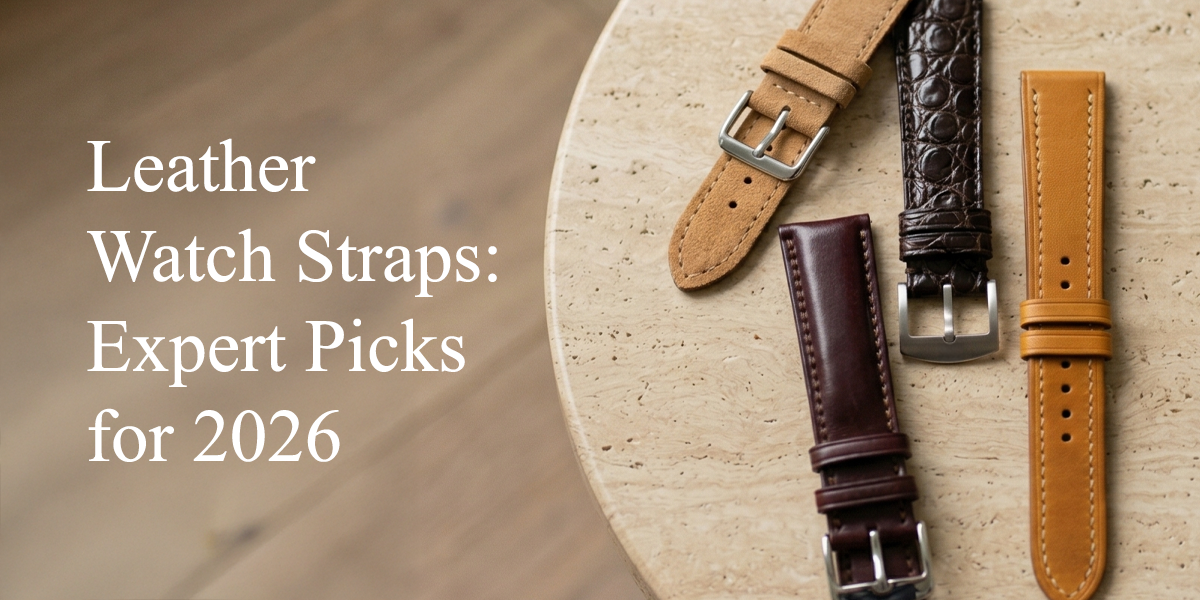
Choosing among the types of leather watch straps can turn your timepiece from ordinary to extraordinary. Attaching watches to leather straps dates back to the

Taylor Swift’s Cartier watch in her viral engagement post turned a discontinued timepiece into the ninth most-liked Instagram post ever. The results were immediate and