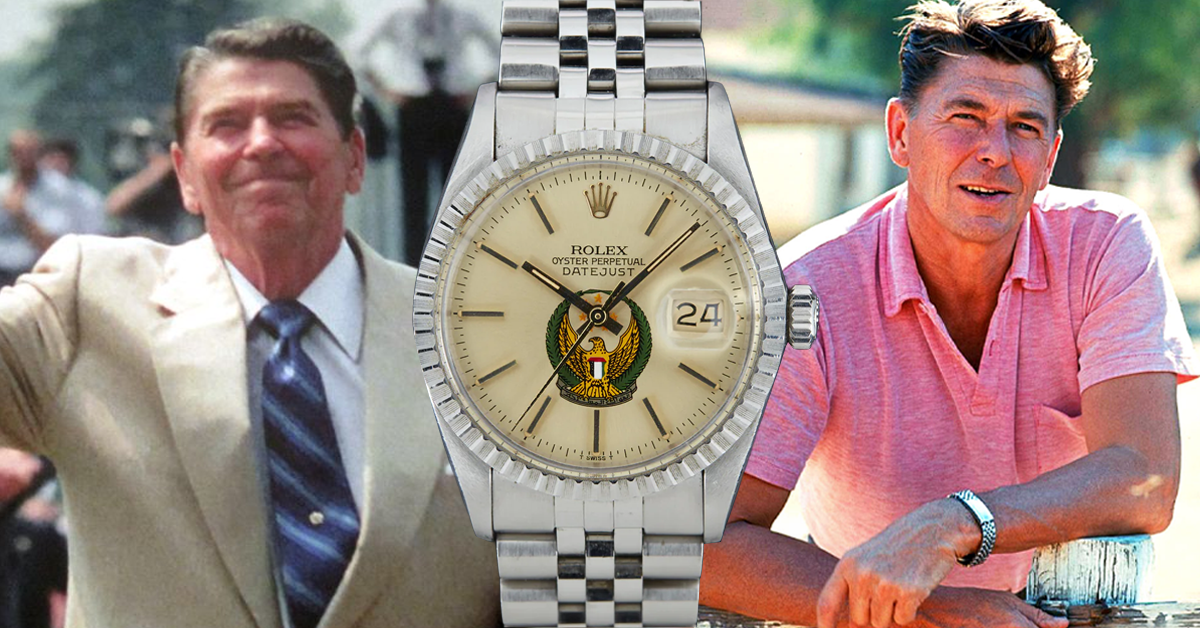
Ronald Reagan’s Watch: The Hidden Story Behind His Presidential Timepiece (2025 Review)
Ronald Reagan’s watch choice reveals a fascinating story about presidential style and tradition. During his time as the 40th President, Reagan wore a steel

Rolex timepieces rely on their hands – also known as “aiguilles” in French – to display time with precision. These masterfully crafted components play a vital role in both timekeeping accuracy and visual appeal. Each hand undergoes meticulous design and construction to deliver optimal performance, durability, and readability in all conditions.

Rolex’s distinctive hand designs trace back to the mid-1950s when the company expanded its professional watch collections. The hands feature three main components: the base (attached to the watch movement), the shaft (middle connecting section), and the tip (time indicator). This structure gives stability and ensures accurate, long-lasting performance.
Rolex’s collection showcases several distinctive hand styles, each with unique functional and esthetic purposes:
The Mercedes-style hour hand’s design goes beyond pure esthetics. The three-pointed star within its circular marker serves practical purposes. This shape creates support for luminous material and strikes the perfect balance between stability and surface area for brightness. The unique design makes the hour hand stand out from other hands and markers, which improves readability in dim light by a lot.
Premium materials give Rolex watch hands exceptional durability and beauty. The brand uses 18k gold for luxury models, high-quality stainless steel for sports watches, and platinum for select premium pieces. Each model’s intended purpose determines the material choice, offering unique benefits in corrosion resistance, weight, and looks.
Rolex hands shine in the dark thanks to their luminescent coating. This glow makes timepieces readable in darkness or underwater. The coating application ensures bright, uniform illumination that lasts.
Rolex offers hand colors including gold, silver, black, and blue. These colors complement each watch’s design while maintaining strong contrast against the dial for easy reading. The hands’ size matches perfectly with the watch’s case and dial dimensions, creating a harmonious overall look.
The rise of Rolex hands shows the brand’s steadfast dedication to improving both style and function. What started with Mercedes hands in the 1950s has grown into a sophisticated range of hand designs that combine traditional craftsmanship with modern advances in materials and construction.
Rolex watches showcase several distinct hand styles. Each style balances beauty with function, and these precision parts shape both the watch’s identity and usability across their collection.
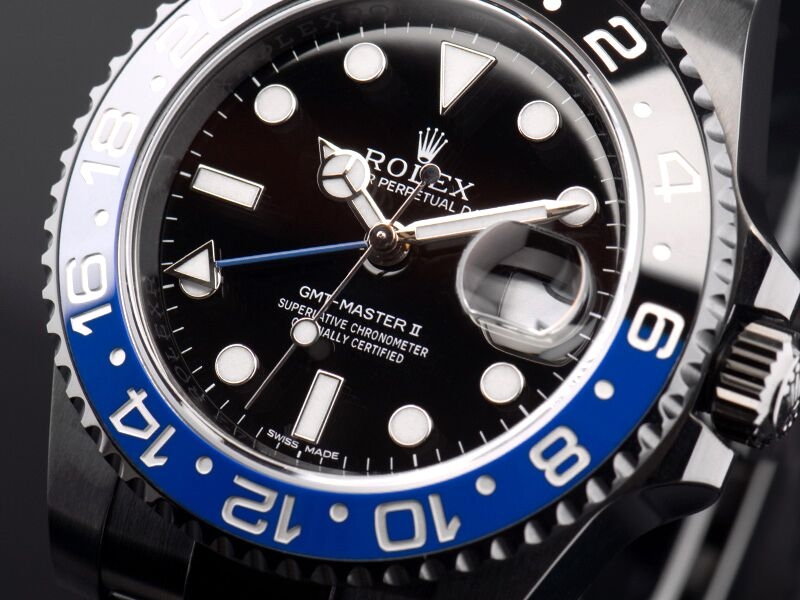
The Mercedes hand remains Rolex’s most iconic design. It features a three-pointed star within a circular tip that looks like the Mercedes-Benz logo. Rolex first introduced this design in 1953 on the Explorer ref. 6150. The design became a signature element in Rolex’s professional watch collection. You’ll find the Mercedes-style hour hand on many sports models, especially the Explorer, Submariner, and GMT-Master. Beyond looks, this design serves practical purposes. The three-part construction lets Rolex add more luminous material while preventing cracks. Today, Mercedes hands appear on all but one of these dive watches in production, showing their influence beyond Rolex.
Alpha hands show a triangular shape with a thin, tapering neck at their base. These hands mirror the Greek letter “Alpha” or the English letter “A”. Many vintage Rolex models employ Alpha hands, including the Rolex Datejust with champagne dials. The original tritium lume “alpha style” hands stand out as a stylistic feature on vintage Datejust references like the 1601. Their design blends sophistication with readability, making them a refined choice among hand styles.
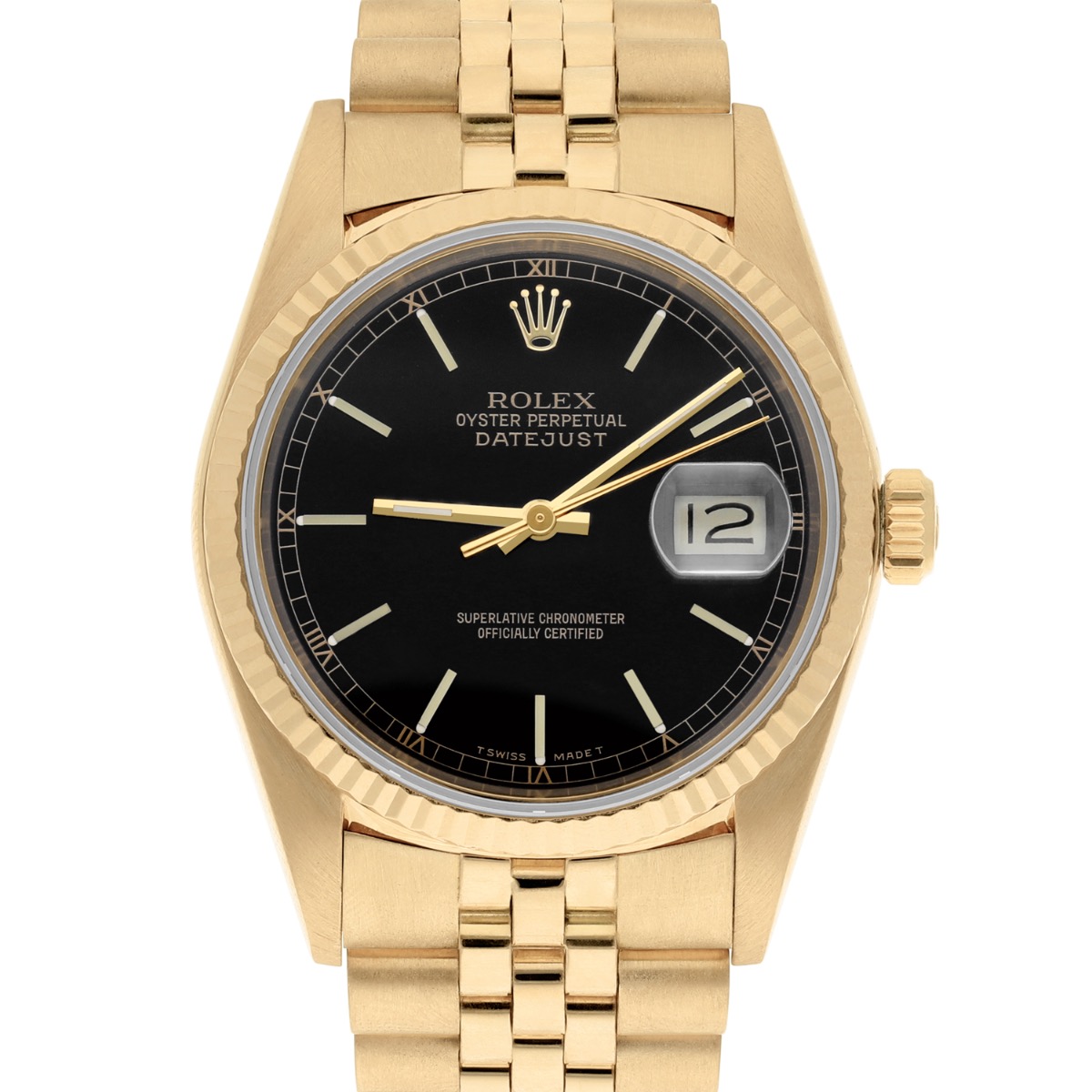
Baton hands present a simple design with straight edges and consistent width. These minimalist hands often have flat or bluntly rounded ends. Rolex Datejust and Oyster Perpetual models commonly feature baton hands. Their clean rectangular shape works well with dress watches and traditional designs. Baton hands’ simple design matches similarly shaped hour markers, creating a unified dial appearance.
Leaf hands, also known as feuille hands in French, mirror nature’s leaf shape. The hands taper at both ends but widen in the middle. Watch enthusiasts call it one of the most sophisticated designs. These hands provide an elegant alternative to baton hands. Vintage Rolex Datejust models from 1964 paired these distinctive leaf hands with elegant “stick” indexes. Their curved shape creates a refined look, perfect for dressier Rolex pieces.
Dauphine hands display a tapered, sword-like design. Their faceted surfaces create a unique shine under light. These elegant hands trace their history back to the 1930s. While rare in the Rolex collection, some vintage Datejust models came with Dauphine hands instead of regular stick-style hands. This makes them highly collectible. The faceted design adds depth and character, making them a sophisticated choice for premium watches.
Skeleton hands come with cut-out sections that reveal what’s beneath them. Unlike standard hands with single openings, skeleton hands might have several small openings in their thin structure. These hands complement skeleton watches and models with see-through dials. Though rare in Rolex’s main collection, skeleton hands showcase expert craftsmanship through their complex design. Their open framework lets you see the movement below, highlighting the watch’s mechanical nature.
Rolex watch hands are built on a foundation of carefully chosen materials. Each part is crafted from top-quality materials to make sure they last long, work perfectly, and look beautiful. The brand picks specific materials that meet strict quality standards and help the watch work well and look good.
The best metals are at the heart of Rolex hands. The brand mainly uses three high-quality metals:
Rolex started using Oystersteel, their special high-performance 904L grade steel, in 1985. This amazing alloy has chromium and molybdenum that make it very tough and rust-resistant. The company checks Oystersteel parts under microscopes as they shape and prime them. This lets them control and improve the metal’s structure before cutting it into shape. Special polishing techniques bring out the metal’s signature shine.
Rolex’s hand materials have changed a lot through the years. The brand made “Gilt Hands” (flat style) from 1953 to 1966. These came in different shapes and sizes with two types of glowing material. The company switched to curved style hands in 1966. These hands kept the same size and shape until about 1988. Later hands got a chrome finish, except for gold models, which had gold plating.
The company created Chromalight in 2008 to make hands and hour markers glow. This breakthrough replaced the old green glow with a distinctive blue one. The new material glows a bit longer than older versions, so you can read the time better in the dark.
Material choices depend heavily on how the hands are made. Watch hands need replacement more often than other parts during vintage Rolex servicing, except for movement parts. Strong materials must resist oils and oxidation, which can change their color and feel over time. Different suppliers’ hands from the same time might look slightly different in color, size, and shape because of how they were made.
Rolex’s careful choice of materials shows how dedicated they are to making watches that stay beautiful and work well for generations. They pay amazing attention to quality and precision, even for small parts like watch hands.
Rolex hands use a precise design that splits each hand into three key parts. These parts work together to deliver the best functionality and looks. Each piece needs careful engineering to strike the perfect balance between style and strength.
The base is the foundation of Rolex watch hands and acts as a vital attachment point to the watch movement. A precisely drilled hole lets it fit perfectly onto the movement’s post. Expert craftsmanship makes the base strong enough to last the timepiece’s lifetime. This engineering excellence allows smooth rotation and exact positioning. The design eliminates any chance of wobbling or misalignment that could affect accuracy.
The shaft links the base to the tip of Rolex hands and provides strength and reliable performance. Its cylindrical middle section smoothly transfers motion from the movement to the visible tip. Building the shaft needs extreme precision to keep proper alignment with the central axis. Rolex’s shaft dimensions create the illusion of hands that “glide above the dial, barely grazing the minute track” as they turn.
The tip stands out as the most visible part of Rolex hands and combines both practical and visual elements. Luminous Rolex hands feature a window-like structure where metal frames surround an open space filled with luminescent material instead of glass. This design maximizes visibility while keeping structural strength. The Mercedes-style hour hand shows this engineering principle perfectly – its three-pointed star creates sections in the open space that give vital support to the luminous material.
The tip’s design needs exact length calculations. Rolex has made hands in three specific lengths from center post to tip: 13mm (Small Crown models and those with Chapter Ring minute tracks), 12.5mm (Big Crown models), and 12mm (introduced in 1963 and used since). These careful measurements ensure the hands match the dial design perfectly.
The construction process balances technical needs with visual appeal. The three sections of the Mercedes star offer the ideal solution – fewer sections would make it too fragile, while more would limit the amount of luminous material needed. This design creates a balanced look where minute and sweep seconds hands seem to float above the dial, producing a harmonious effect across the watch face.
Rolex hands showcase how simple-looking parts need sophisticated engineering to achieve both beauty and function in luxury watchmaking.
Rolex hands stand out with their technical specifications that go beyond basic timekeeping. Their design combines functionality with exceptional craftsmanship to boost both usefulness and visual appeal.
Rolex used radium for luminescence from the 1910s through the mid-1960s. The radioactive properties made the hands glow continuously. The company switched to tritium in 1963. This new material had much lower radiation levels but still kept the hands visible. Tritium had a 12.5-year half-life, which meant vintage watches eventually stopped glowing. The 1990s brought a change to Luminova, developed by Japanese company Nemoto and Co. This material eliminated radioactivity concerns and provided photoluminescent properties. By 2000, Swiss-made Super-LumiNova replaced Luminova.
Rolex now uses its own Chromalight technology, launched in 2008. This breakthrough creates a blue glow instead of the traditional green seen in earlier versions. Chromalight delivers:
Rolex’s watch hands come in many colors that match each timepiece’s design. Gold, silver, black, and blue are the main options. Gold hands usually pair with precious metal cases or two-tone models to create a balanced look. Dark-colored hands create contrast against lighter dials, making them easy to read in different lighting.
Rolex hands follow exact measurements that have evolved through the years. From 1953 to 1988, the company made three different hand lengths from center post to tip: 13mm for Small Crown models, 12.5mm for Big Crown models, and 12mm (added in 1963). These precise measurements create hands that seem to float above the dial and barely touch the minute track.
The size relationship between hour, minute, and seconds hands creates perfect balance across the dial. Each hand sits at an exact height above the dial surface. Hands that extend past the minute track often show they’re replacement parts not meant for that model.
Rolex service centers replace watch hands more than any other part except movement components during standard maintenance. Vintage timepiece collectors value “Full Factory Specification” components highly, and proper hand replacement affects both looks and market value.
Watch hands naturally lose their original appearance over time. Oils and oxidation change their color and texture gradually. Watchmakers look for damage like chips, bends, or color changes to decide if hands need replacement. The replacement work involves several key steps. Technicians must spot the problem, pick genuine replacement hands, take off the old ones carefully, put on new ones, and check everything works right.
The length of replacement hands matters a lot to professional watchmakers. Hands that don’t match the dial size look wrong. Long hands stick out past the minute track while short ones don’t reach it – both show the wrong parts were used. Small manufacturing differences created subtle variations between hands made in the same time period, which makes finding exact period-correct replacements tough.
Official Rolex service centers sometimes swap out hands as part of their standard work, even without asking clients first. Many collectors don’t like this practice because original parts add substantial value to vintage watches.
The market offers replacement hands at different quality levels and prices. Options range from excellent copies to low-quality substitutes. Buyers must check carefully for authentic parts since fake components are easy to find. Real Rolex hands must match both the movement caliber and watch’s reference number.
Only skilled professionals should install new hands. The job needs special tools and expertise to handle these fragile parts. Proper alignment helps the watch work correctly and look right. Good replacement records add value to collectible watches by documenting their history.
Rolex uses several hand styles, including Mercedes, Alpha, Baton, Leaf, Dauphine, and Skeleton hands. The Mercedes hand, featuring a three-pointed star tip, is the most iconic and widely used, especially in Rolex sports models.
Rolex crafts watch hands from premium materials such as 18k gold, high-quality stainless steel (including their proprietary Oystersteel), and platinum. The choice of material depends on the specific model and intended use of the watch.
Rolex uses Chromalight, their proprietary luminescent material, on watch hands and hour markers. This technology emits a distinctive blue glow that lasts up to eight hours and is more visible to the human eye than traditional green luminescence.
Yes, Rolex watch hands can be replaced during servicing. In fact, they are among the most frequently replaced parts during the maintenance of vintage Rolex timepieces. However, proper replacement is crucial to maintain the watch’s esthetic and market value.
Rolex watch hands are constructed in three main parts: the base (which attaches to the movement), the shaft (the middle connecting section), and the tip (the visible part that indicates time). This structure ensures stability, accuracy, and longevity of performance.
Ronald Reagan’s watch choice reveals a fascinating story about presidential style and tradition. During his time as the 40th President, Reagan wore a steel

Elon Musk’s watch collection mirrors state-of-the-art technology and understated luxury, just like the man himself. The world’s richest person, worth $146 billion, doesn’t always choose
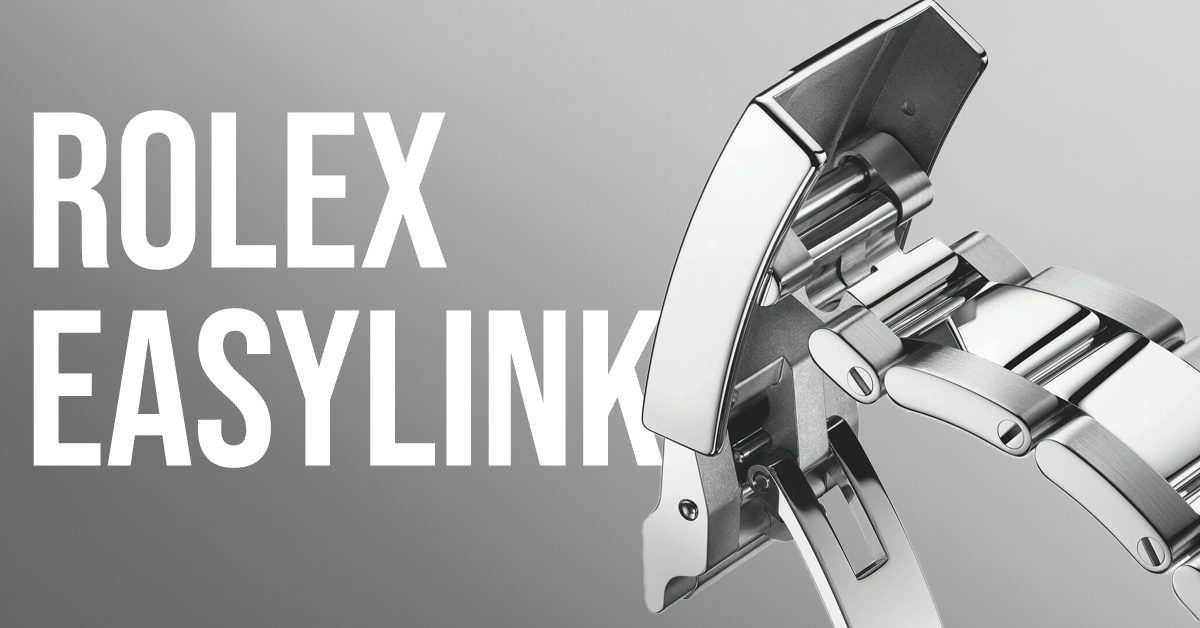
What is Rolex Easylink? Rolex Easylink is a patented micro-adjustment system that lets you fine-tune your bracelet length by exactly 5mm without any tools. This