
Rolex 31mm vs 34mm: Making the Right Choice for Your Style
Choosing between Rolex 31mm vs 34mm can feel overwhelming when both sizes have different strengths for various wrist types and style priorities. Female wearers have

Choosing between Rolex 31mm vs 34mm can feel overwhelming when both sizes have different strengths for various wrist types and style priorities.
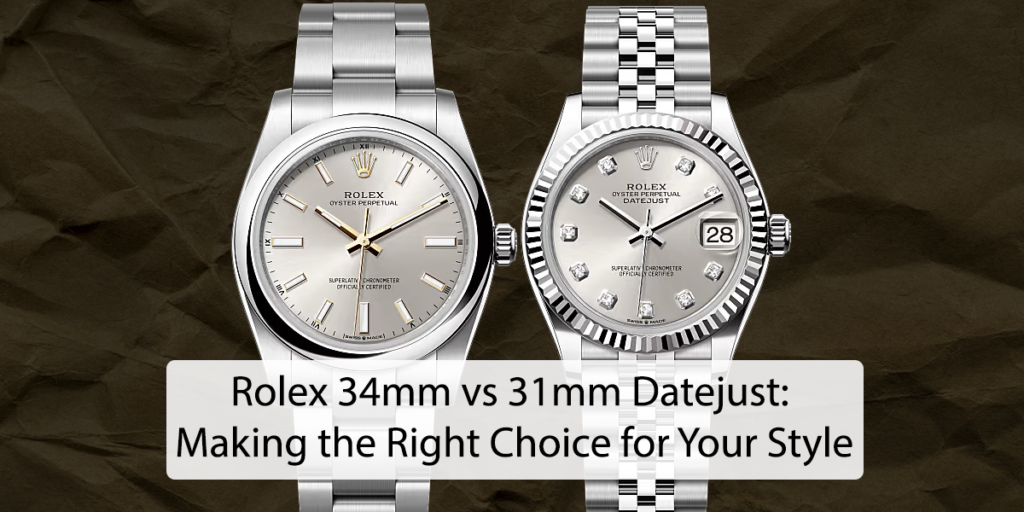
Female wearers have embraced the Rolex Datejust 31mm more and more, as it provides greater wrist presence than traditional sub-30mm pieces. The 31mm was once the standard size but now falls into the midsize category. The Oyster Perpetual Date and Air-King 34mm provides a larger alternative for those seeking more visual impact. The Rolex Datejust comes in six sizes: 26mm, 28mm, 31mm, 34mm, 36mm, and 41mm. You might be comparing the Rolex Datejust 36mm vs 41mm or evaluating the Rolex 31mm vs 36mm. Either way, understanding the nuances between these sizes will help you make the right choice for your wrist and personal style.

The rolex datejust 31mm and 34mm date trace their origins to the 1950s. Rolex expanded beyond the original 36mm to accommodate different priorities at that time. The 31mm has a case diameter of 31mm with an 11.5mm thickness and 19mm lug width. The 34mm datejust offers 3mm more wrist coverage while maintaining elegant proportions. It is often marketed as the “Date” model.
Both sizes suit wrists that measure 15-17cm, despite different marketing approaches. The 31mm design leans toward feminine esthetics. Many models feature gem-set bezels and diamond indices. The 34mm served as the standard for men’s timepieces before larger watches gained popularity. Military watches from World War II measured 29-32mm. This shows how the 34mm size has deep roots in men’s watchmaking.
Both share similar water resistance at 100 meters. The 31mm houses Caliber 2236, a self-winding mechanical movement with approximately 55 hours of power reserve. This movement has the Syloxi hairspring for magnetic resistance and Paraflex shock protection. Both sizes feature the Oyster case construction with monobloc middle case and screw-down crown with Twinlock system. They also have scratch-resistant sapphire crystal topped with the signature Cyclops lens for date magnification.
Bracelet and bezel selections alter the personality of both the rolex datejust 31mm and 34mm datejust dramatically. The Oyster bracelet features three-piece links that deliver a sporty and durable character. The Jubilee bracelet showcases five-piece links created for the Datejust in 1945 and offers flexibility with a more formal appearance.
Bezel choice influences esthetic direction equally. The smooth bezel presents a modern and sporty profile that pairs with the Oyster bracelet. The fluted bezel adds dressy appeal and catches light like cut gems while complementing the Jubilee bracelet. This combination of fluted bezel and Jubilee bracelet represents the most classic Datejust configuration.
Specific pairings create distinct impressions. Smooth bezel with Oyster bracelet changes the watch toward casual versatility, while fluted bezel with Jubilee bracelet raises formality. Many owners note that fluted bezels with Jubilee bracelets diffuse light across multiple interrupted surfaces rather than producing harsh reflections.
The Datejust occupies a unique “all-around” category rather than fitting into sport or dress classifications. Both sizes benefit from this versatility and allow wearers to configure their timepiece according to lifestyle needs and style priorities through thoughtful bracelet and bezel selection.

Wrist measurement is the foundation of your sizing decision. A flexible tape measure should wrap snugly just below your wrist bone without compression. Both the rolex datejust 31mm and datejust 34mm suit wrists measuring 15-17cm in the same way. Circumference alone won’t determine your choice because of this overlap.
Wrist shape and bone structure influence how each size wears. Your wrist width matters for this purpose, not just circumference. Some collectors with 7-inch wrists prefer the 34mm Date or Air-King for its classic proportions. Others gravitate toward larger models. Personal comfort matters as much as numerical measurements.
Rolex positions the 31mm in their ladies’ collection. Men with smaller wrists or vintage priorities wear this size with great results. The rolex datejust 31mm offers sophisticated appeal that recalls mid-20th century proportions. The 34mm served as the standard men’s size before larger watches gained popularity. Men with 6-6.5 inch wrists find the 34mm well-suited.
Your Datejust should feel comfortable and maintain proportionate appearance that lines up with your personal style. Both sizes reveal how noticed differences translate to actual wrist presence when you try them. A Rolex represents an investment you’ll enjoy for decades. This decision is worth your time.
|
Feature |
Rolex Datejust 31mm | Rolex Date 34mm and Air King |
|
Case Diameter |
31mm |
34mm |
|
Case Thickness |
11.5mm |
Not mentioned |
|
Lug Width |
19mm |
Not mentioned |
|
Recommended Wrist Size |
15-17cm |
15-17cm |
|
Water Resistance |
100 meters |
100 meters |
|
Movement |
Caliber 2236 (self-winding mechanical) |
Not mentioned |
|
Power Reserve |
Around 55 hours |
Not mentioned |
|
Special Movement Features |
Syloxi hairspring (magnetic resistance), Paraflex shock protection |
Not mentioned |
|
Target Audience |
The ladies’ collection includes this model; female wearers favor it |
Standard men’s size through history; men with 6-6.5 inch wrists find it suitable |
|
Historical Context |
Standard size once, midsize category now |
Standard men’s timepiece before larger watches became popular |
|
Design Esthetic |
Feminine esthetics dominate; gem-set bezels and diamond indices appear on many models |
Classic proportions with deep roots in men’s watchmaking |
|
Origins |
1950s (expansion beyond original 36mm) |
1950s (expansion beyond original 36mm) |
|
Marketing Name |
Datejust 31mm |
Often marketed as “Date” model |
|
Bracelet Options |
Oyster (sporty, durable) or Jubilee (flexible, formal) |
Oyster (sporty, durable) or Jubilee (flexible, formal) |
|
Bezel Options |
Smooth (modern, sporty) or Fluted (dressy, light-catching) |
Smooth (modern, sporty) or Fluted (dressy, light-catching) |
|
Case Construction |
Oyster case with monobloc middle case, screw-down crown with Twinlock system, scratch-resistant sapphire crystal with Cyclops lens |
Oyster case with monobloc middle case, screw-down crown with Twinlock system, scratch-resistant sapphire crystal with Cyclops lens |
|
Style Classification |
All-around versatility (neither sport nor dress) |
All-around versatility (neither sport nor dress) |
The choice between 31mm and 34mm comes down to your esthetic priorities rather than strict wrist measurements. Both sizes accommodate 15-17cm wrists in a similar way and offer the same water resistance. You get versatile styling through bracelet and bezel combinations. The 31mm leans feminine with its gem-set options. The 34mm maintains classic proportions rooted in men’s watchmaking history. Try both sizes on your wrist before deciding. Your Datejust represents a decades-long investment, so choose the size that feels right and reflects your individual style.
Choosing between Rolex 31mm vs 34mm can feel overwhelming when both sizes have different strengths for various wrist types and style priorities. Female wearers have
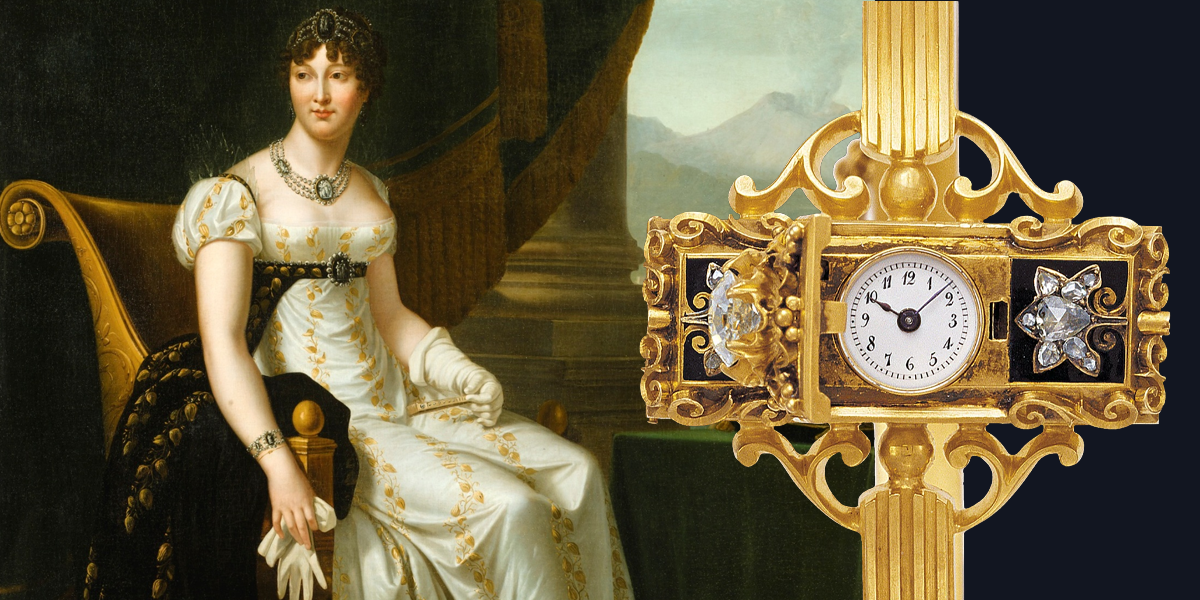
The story behind the first wristwatch might catch you by surprise. Historical records show that Abraham-Louis Breguet created the first wristwatch design for Queen Caroline
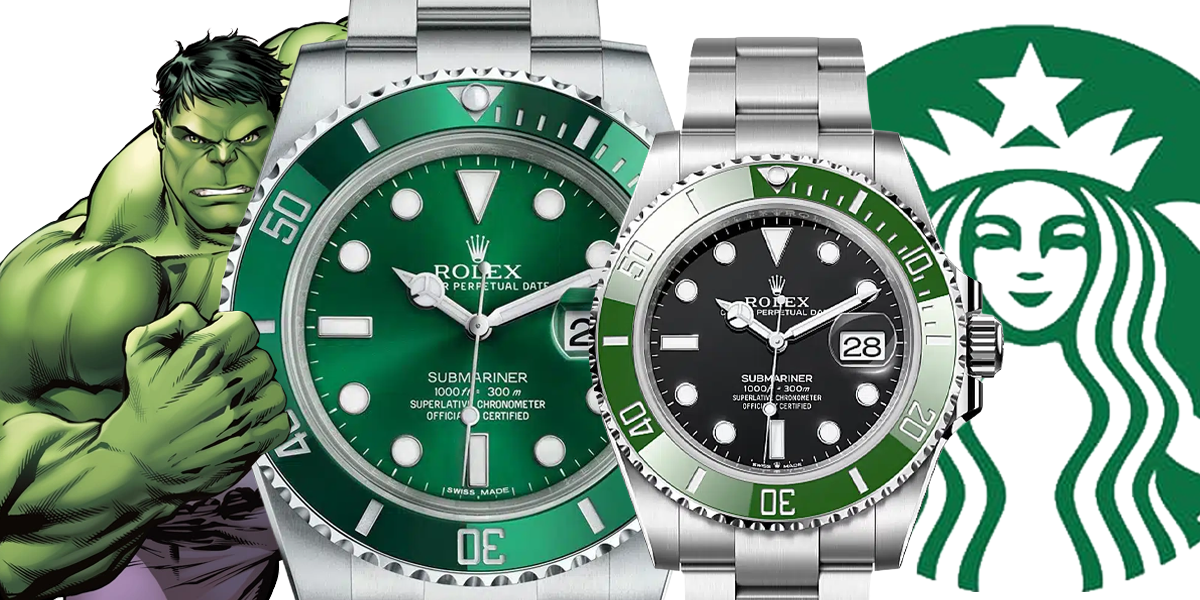
A look at the Rolex Hulk vs Starbucks Submariner reveals two iconic green bezel watches with vastly different market values and design approaches. The Hulk’s