
Behind every great watch is the skill and artistry of a master watchmaker. These watchmakers take raw materials and create a mechanical work of art. Most of these craftsmen work from behind the scenes. let’s explore the world of such skilled watchmakers. their journey, their craftsmanship, and their achievements in horology. From the most fragile time-keeping balance to complicated complications.
The Art of Watchmaking
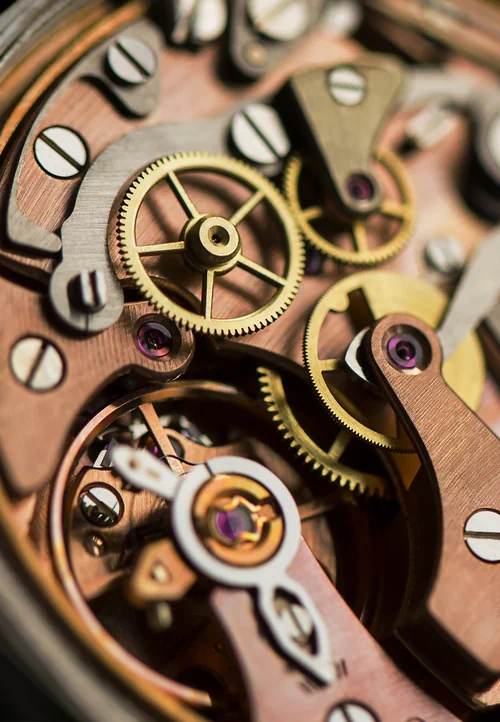
Watchmaking is a delicate craft. Watchmaking merges precision, engineering, design, and the rich tradition that survived quite a few centuries. Such creations of mechanical pieces require a high skill level. A whole process initiates from watch design to take on the drawing board, the movement of the case, and the dial. After drawing comes the time when the watchmaker goes to assemble the movement. The movement is considered the actual heart of the watch. The step requires artisans to carefully position gears, springs, and jewels in their appropriate places with a guarantee that they will work smoothly and accurately.
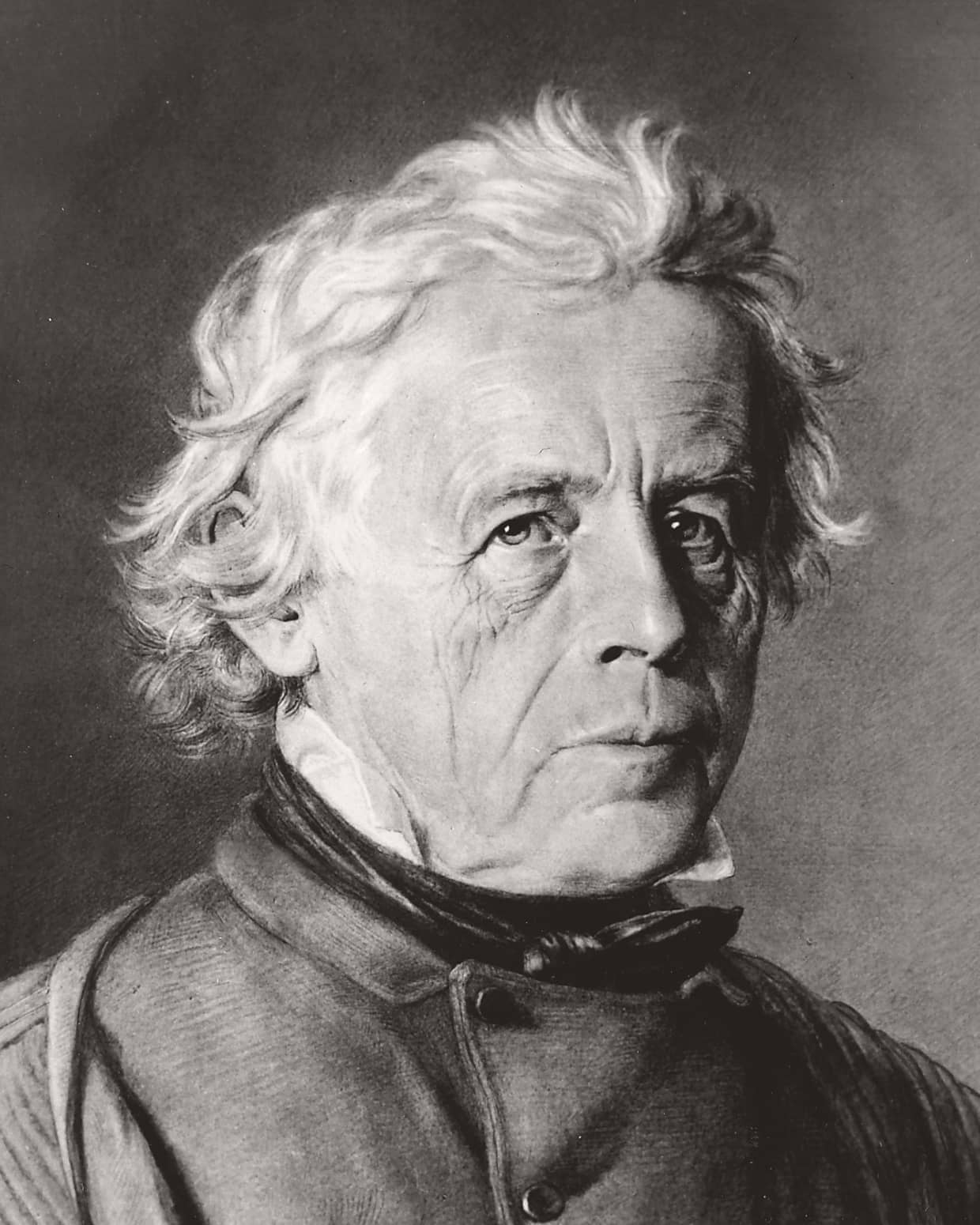
Antoine LeCoultre: the founder of Jaeger-LeCoultre
Antoine LeCoultre founded the company known as Jaeger-Lecoutlre. He was born in 1803 in the small Swiss village of Le Brassus. He founded his workshop in 1833 and started to produce the movements of watches. Early inventions included the machine by LeCoultre. The machine was capable of cutting watch pinions with unrivaled precision. Le Coultre also invented the “Millionometer” in 1844. It was the world’s first instrument capable of measuring microns. This instrument allowed unmatched precision in watchmaking. In 1866, LeCoultre merged with French watchmaker Jacques David’s brand. Jaeger-Lecoultre began to create some of the most complicated and sophisticated timepieces the industry had known.
Jean-Claude Biver: Hublot and TAG Heuer
Jean-Claude Bivers is a living legend within the world of luxury watchmaking. He revived businesses and injected life into the most prominent Swiss watch brands, such as Hublot and TAG Heuer. In 1970, he entered the watch industry when he went to work for Audemars Piguet. The biggest challenge was in 2004 when he led the struggling brand Hublot.
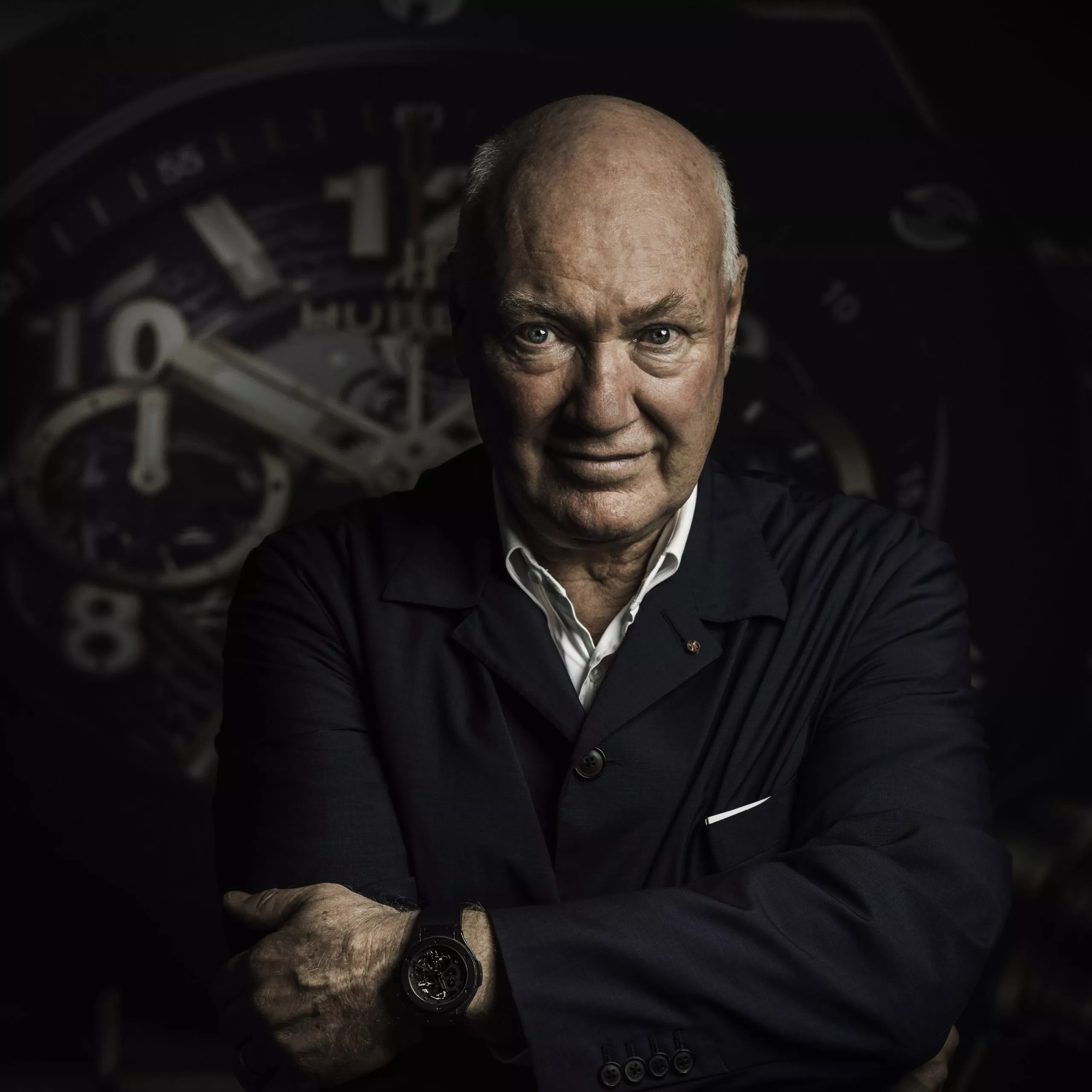
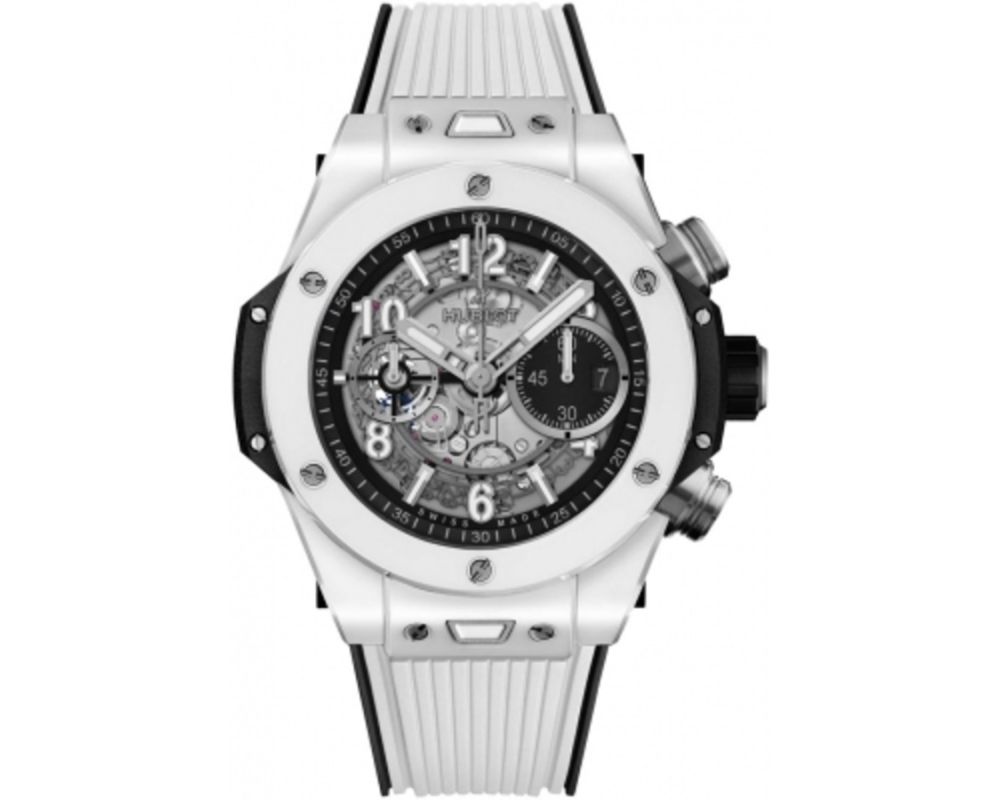
The creative contribution by Biver was enormous. His contribution included the introduction to the world of the “Big Bang” model. “Big Bang” combined classic Swiss watchmaking skills with the use of unusual materials such as rubber and ceramics. It is under him that high-profile collaborations for the brand were developed. Along with celebrity endorsements that formed the greater part of the success and visibility of Hublot globally. In 2014, Biver took over as the CEO at TAG Hauer. During this time, TAG Heuer created its first smartwatch. the smartwatch merged traditional watchmaking with modern trends in technology.
Abraham-Louis Breguet: The Pioneer of Modern Watchmaking
Abraham-Louis Breguet is known as the father of modern watchmaking. He laid the foundations for many techniques and complications in use today. He was born in 1747 in Neuchatel. It was after relocating to Paris in the 1770s that the career of Breguet started to take off. His passion for innovation brought some of the most important creations in the history of watchmaking. His inventions include the tourbillon in 1795. It was a mechanism compensating for the effects of gravity on a watch’s precision. It is considered to this day one of the most prestigious complications in horology.
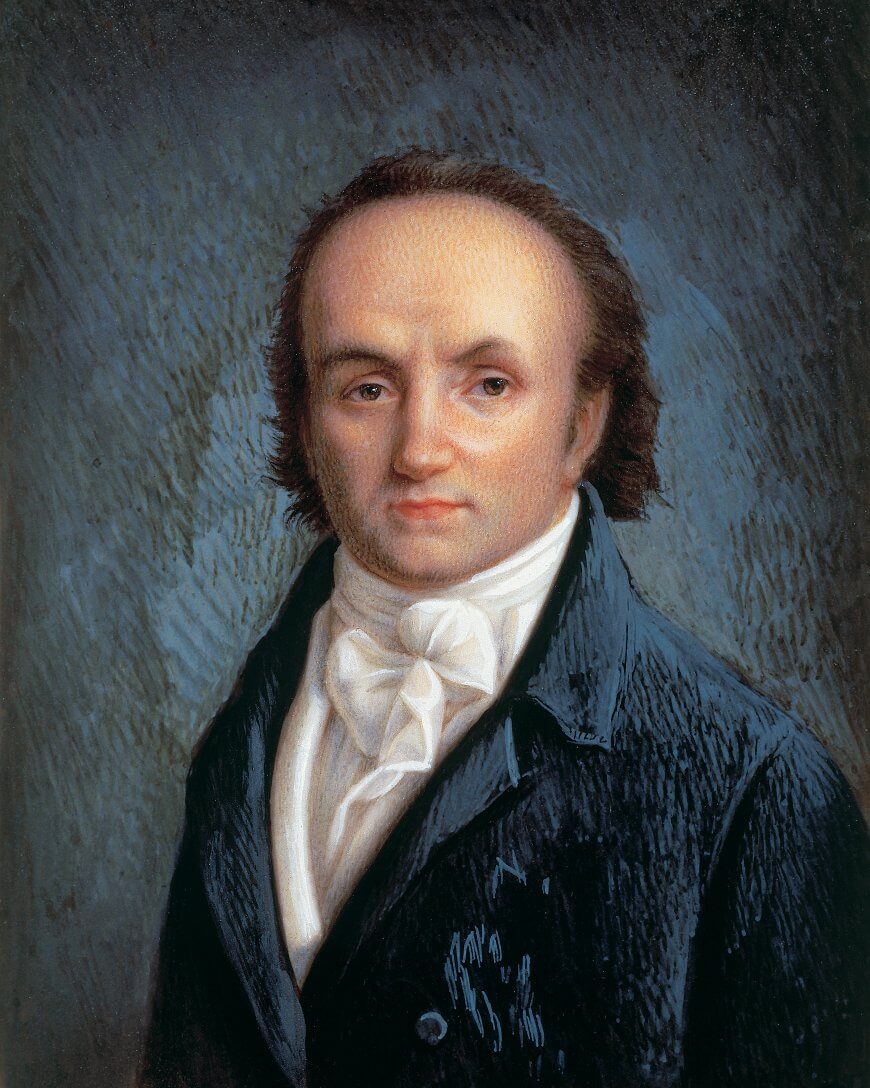

He is also credited with the first wristwatch, the “Breguet No. 2639” made for the queen of Naples in 1812. His influence does not end with the list of his inventions. He had very prestigious clientele such as royalty military heads and aristocrats. Abraham-Louis is among the most important horologists of all time. His name stands for perfection and innovation.
Roger W. Smith: The Keeper of British Horological Traditions
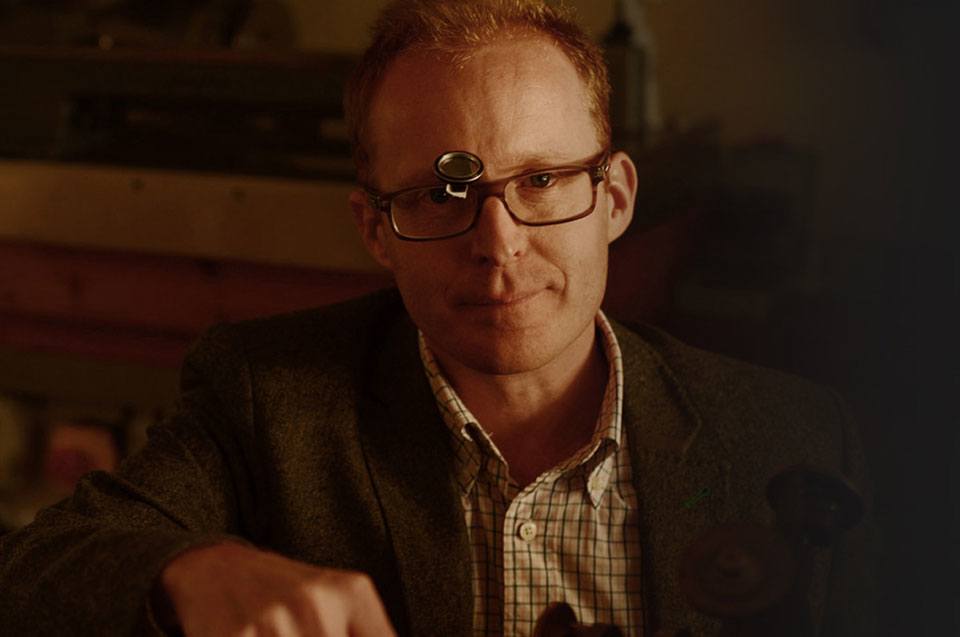
Roger W. Smith is one of the most recognized and respected independent watchmakers in the modern era. He was born in 1970 in Bolton, England. Smith is celebrated for his outstanding craftsmanship and his striving for perfection in watchmaking. He is considered the protege of the legendary British watchmaker George Daniels. In 2001 smith opened his workshop on the Isle of Man. In his workshop, he has been producing some very fine handmade watches. His watches are known for their painstaking craftsmanship and limited production. Roger W. Smith is generally considered the pioneer of British watchmaking. As mentioned he is continuing the work of George Daniels. His commitment to handcrafting every component and making only a few watches each year means that his creations will be rare, highly sought-after, and timeless pieces of horological art.

Gerald Genta: The designer of iconic Patek Philippe and Audemars Piguet Models
Gerald Genta was a Swiss watch designer. His revolutionary creations changed the face of luxury watchmaking. Genta is known for his iconic models. He Designed for some of the most prestigious brands such as Patek Philippe and Audemars Piguet. In 1972, Genta designed the Audemars Piguet Royal Oak. A watch that would break all the rules with its bold and avant-garde design. Boasting an octagonal bezel secured by visible screws and fitted with an integrated stainless steel bracelet. The Royal Oak was very different from the traditional gold watches and introduced a new category of luxury sports watches.
In 1976, another masterpiece from Genta appeared. The Patek Philippe Nautilus. Taking its cue from the portholes of ocean liners. The Nautilus exuded elegance rewriting the design philosophy at Patek Philippe.

Hans Wilsdorf: Visionary Founder of Rolex
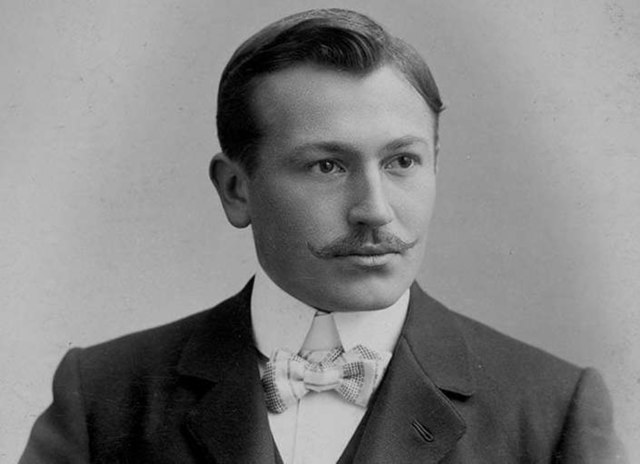
Hans Wilsdorf was born in 1881. He was one of the great figures in watchmaking. he was the founder of Rolex, probably the most famous and renowned watch brand in history. German by birth, Wilsdorf moved to Switzerland as a young man. Later he set his base in London where he started his career in horology. In 1908, he registered the brand name Rolex. The name became synonymous with luxury reliability and innovation.
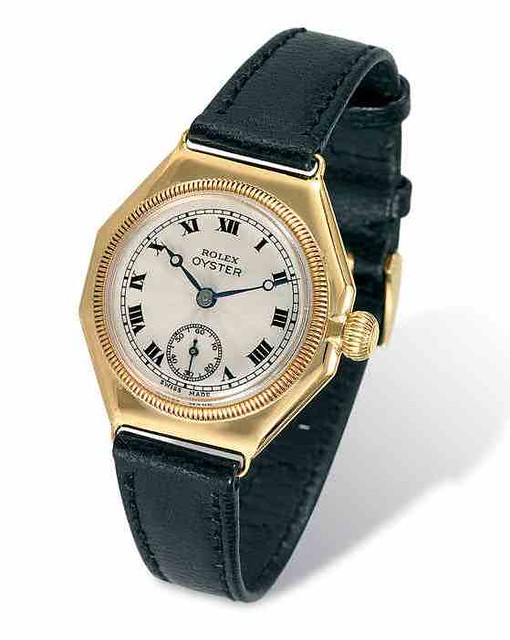
His most revolutionary achievement was the introduction of the world’s first waterproof wristwatch. Rolex Oyster, in 1926. It was this innovation that established Rolex as a leader in watchmaking. Wilsdorf’s commitment to precision and quality continued to push the brand forward. He also introduced the first self-winding movement. It was known as the perpetual rotor. in 1931, further enhancing Rolex’s reputation for technological advancement. Under the guidance of Wilsdorf, Rolex developed into not only a symbol of excellence but also a cultural icon.
Christophe Claret: Master of Complications
Christophe Claret is a Swiss watchmaker. He gained fame as one of the modern masters of watch complications. He dedicated his career to pushing the boundaries of horology. Claret has earned a reputation for creating some of the most intricate and innovative timepieces in the industry. The timepieces from Claret are known for their innovative complications. also innovative mechanical features aside from the conventional art of showing time. He is known for designing and constructing minute repeaters, tourbillons, perpetual calendars, and striking mechanisms. These complications require exceptional artistry and attention to detail.
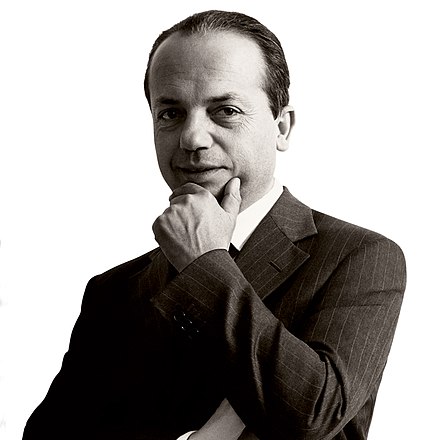
The “Casino” is one of Christophe Clare’s most famous creations. It is a watch that integrates a fully functional roulette wheel, dice, and spinning card. The Baccara is another significant model. It also has an incorporated striking mechanism and is renowned for its very complicated designs.
Enjoying our watch coverage? Get more of it in Google Search.


