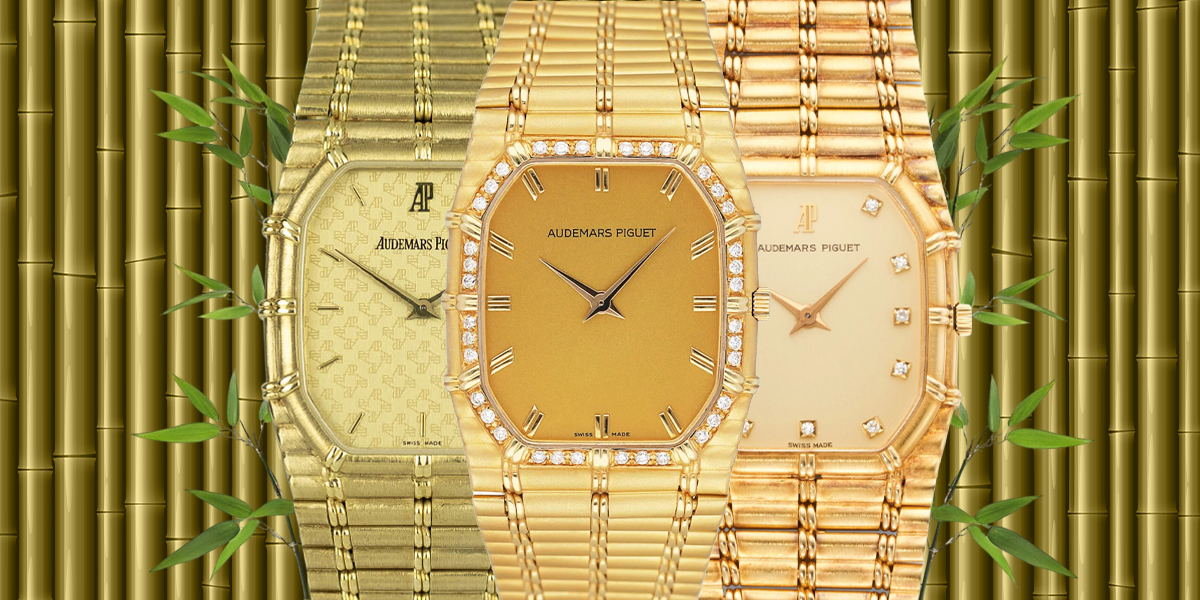
Audemars Piguet Bamboo Review: Why This Vintage Watch Became Every Collector’s Grail
The Audemars Piguet Bamboo has quietly transformed from an obscure 1980s rarity into the ultimate vintage grail. Once slept on compared to other AP models,

Rolex bezel types have shaped the iconic look of luxury timepieces since the 1930s. The bezel serves as both an esthetic element and a functional component that substantially boosts the timepiece’s capabilities.
The rise of Rolex bezels started in the 1950s. Different bezel designs emerged to serve specific purposes. To cite an instance, the fluted bezel vs smooth bezel debate expresses two of the brand’s most recognizable styles. The fluted bezel’s original purpose was waterproofness, while smooth bezels create a more understated look. The Rolex Datejust bezel types include the now-discontinued engine turned bezel that gave a distinctive textured appearance. Specialized options include the tachymeter bezel (exclusive to the Daytona), rotating bezels to time events, gem-set bezels with diamonds, and the innovative Ring Command bezel that connects directly to the watch movement.
This detailed piece explores every Rolex watch bezel type made until 2025. You’ll learn their historical significance, functionality, and the models they complement best.

Image Source: Rolex
The smooth bezel stands out as Rolex’s most traditional and simple design element. Its sleek, unbroken surface makes it a minimalist choice that forms the foundation of many iconic Rolex timepieces.
The smooth bezel has a polished, clean surface that creates a modern look. These bezels come in premium materials like stainless steel (Oystersteel), yellow gold, white gold, Everose gold, or platinum. You’ll find them either flat or domed based on the model and year it was made. Light bounces off the polished finish beautifully, which adds to the watch’s presence without taking attention away from the dial.
The smooth bezel is Rolex’s most adaptable option. It gives watches a timeless look that works well with different styles and occasions. While it might look simple, the detailed finishing shows Rolex’s dedication to excellent craftsmanship.
Many popular Rolex collections feature the smooth bezel design:
The smooth bezel is Rolex’s most traditional design and has stayed consistent through the years. Models like the Oyster Perpetual have evolved from more rounded domed profiles in early versions to sleeker, angular designs today.
You can spot smooth bezels by their unbroken, polished surface without patterns, engravings, or markings. The profile might be flat or slightly domed depending on the model. Light reflects distinctly off the high-polish finish, which creates a beautiful contrast with brushed case elements on many models.
Datejust models with smooth bezels cost between $6,000 and $23,500 based on their condition, materials, and specific features. The Datejust 41 with a smooth steel bezel usually sells for around $11,495. Special versions like the mint green dial cost about $12,495. Smooth bezel models cost less than fluted ones, with just a $100 difference in retail price.
The smooth bezel works great for:
The smooth bezel might be the most flexible option in Rolex’s lineup. It strikes a perfect balance between classic design and modern style.
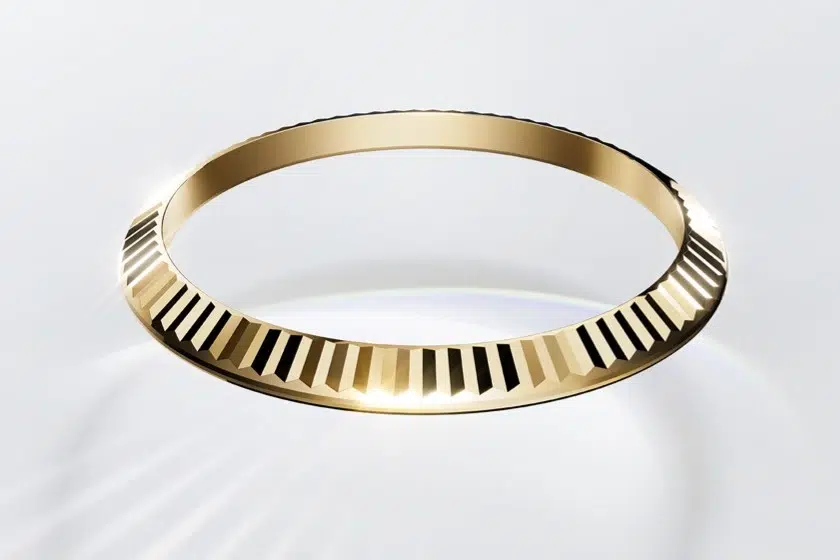
Image Source: Rolex
The fluted bezel stands out as one of Rolex’s most recognizable design elements. This signature style has grown from a practical component into a defining feature that shows the brand’s steadfast dedication to craftsmanship.
The fluted bezel displays a unique ridged pattern that reflects light and creates a stunning visual effect. What started as a functional design now serves as a decorative element. Rolex makes these bezels only from precious metals—18 karat yellow gold, white gold, rose gold, and platinum, which they added more recently. The precise geometry and finish of these ridges showcase Rolex’s remarkable detail work, making them easy to spot from a distance.
These prominent Rolex collections showcase the fluted bezel:
Rolex introduced the fluted bezel on their Oyster in 1926, creating the world’s first waterproof wristwatch. The fluting helped screw the bezel tightly against the case to ensure waterproofness. Modern technology made this mechanism less necessary, and the fluted bezel became a decorative element. The Datejust’s launch in 1945 changed everything, turning the fluted bezel into a symbol of luxury.
Real fluted bezels have exact, evenly spaced ridges that shine brilliantly. Rolex crafts them only from 18 karat gold or 950 platinum, giving them a unique shine that steel can’t duplicate. The fluting pattern stays consistent across models, though its sharpness has improved over time. Fake watches often use stainless steel for fluted bezels—a clear sign they’re not genuine Rolex products.
New Datejust models with fluted bezels cost between $4,400 and $85,000, based on the specific model and condition. Pre-owned fluted bezel watches sell from $3,550 to $105,000. These models cost about $100 more than smooth bezel versions at retail, but the secondary market often values them much higher.
A fluted bezel works best for people who want:

The engine-turned bezel, though no longer in production, tells a fascinating story in Rolex’s design history. This unique style gives collectors a rare look into Rolex’s past craftsmanship and the rise of their designs.
Engine-turning, known in French as guilloché, creates intricate, repetitive patterns in metal through specialized machinery. These geometric designs reflect light beautifully while staying subtle. Unlike fluted bezels that come only in gold, we crafted engine-turned bezels mostly in stainless steel. You can find rare pieces in 18k yellow gold that show more textured grooves with fine lines and polished raised notches.
Two main styles stood out: one had wider polished metal blocks at each hour marker with fine lines between them. The other showed a continuous pattern of polished peaks divided by fine lines. These bezels struck a perfect balance between smooth and fluted options.
You’ll find engine-turned bezels on these models:
Engine-turned bezels added both decoration and subtle grip. This technique showed off traditional watchmaking skills in an era when hand-finished details meant luxury. Rolex stopped making these bezels in the early 2000s, likely because smooth and fluted options were more popular.
Real engine-turned bezels have smaller ridges with thick, smooth lines around hour markers. Look closely and you’ll see intricate fine lines that fluted bezels don’t have. The stainless steel versions shine differently than white gold fluted bezels. You can spot two main types—some with polished blocks at hour markers and others with continuous patterns.
These Rolex watches now sell between $1,895 and $6,895 on the secondary market, with prices averaging around $4,605. This range includes Date, Datejust, and Air-King references. The Date ref 15210 and vintage Datejust ref 1601 are good examples.
Engine-turned bezels are perfect for:
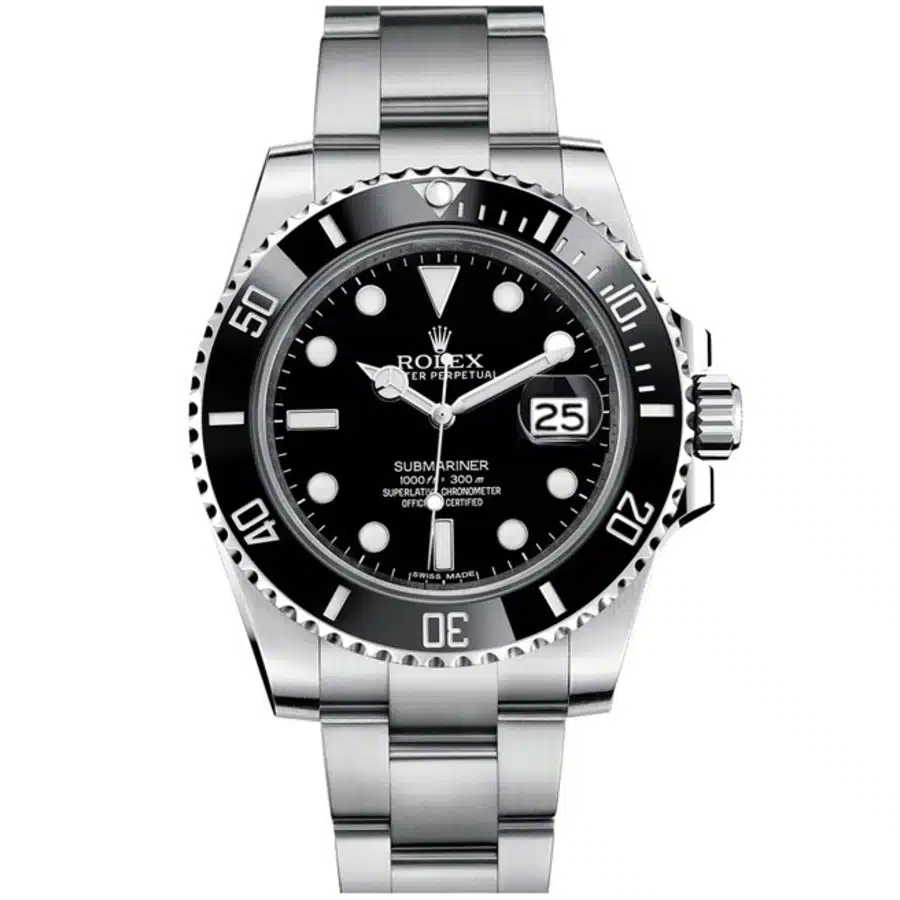
The rotating timing bezel ranks among Rolex’s most practical bezel innovations. This clever feature lets wearers track time up to an hour. Watch enthusiasts use it for everything from underwater diving to everyday timing needs.
The rotating timing bezel works with the minute hand through its 60-minute markings to track elapsed time. These bezels come in two main types: unidirectional (moves only counterclockwise) and bidirectional (turns both ways). Since 1983, dive watches have featured unidirectional bezels. This safety feature ensures any accidental bumps can only reduce the remaining dive time, never extend it. Most models have a zero marker – usually an inverted triangle that lines up with the minute hand to mark the timing start point. The bezel’s edge comes with knurling or ridges to give better grip, especially underwater or with gloves.
Several prominent Rolex collections use rotating timing bezels:
The Turn-O-Graph launched in 1953 as Rolex’s first production watch with a rotating bezel, just months before the Submariner. The U.S. Air Force’s Thunderbird aerobatic squadron picked the Turn-O-Graph and used its rotating bezel to calculate navigation. Rolex switched to unidirectional bezels for dive watches in 1983 to boost safety by preventing accidental time extensions underwater.
Real rotating timing bezels show clear 60-minute markings with a bold zero marker. Unlike fixed bezels, these turn either one way or both ways based on the model. The edges have textured grips that make them easy to turn. GMT models stand out with their 24-hour markings instead of minutes.
Watches with rotating timing bezels cost more than standard models. The Submariner and GMT-Master II lead the pack as Rolex’s most popular choices.
The rotating timing bezel helps professionals who need exact time measurements. Divers check their oxygen supply, sailors time race starts, pilots calculate flight legs, and travelers keep track of time zones. Regular users find it handy too – from timing their cooking to keeping track of parking meters.
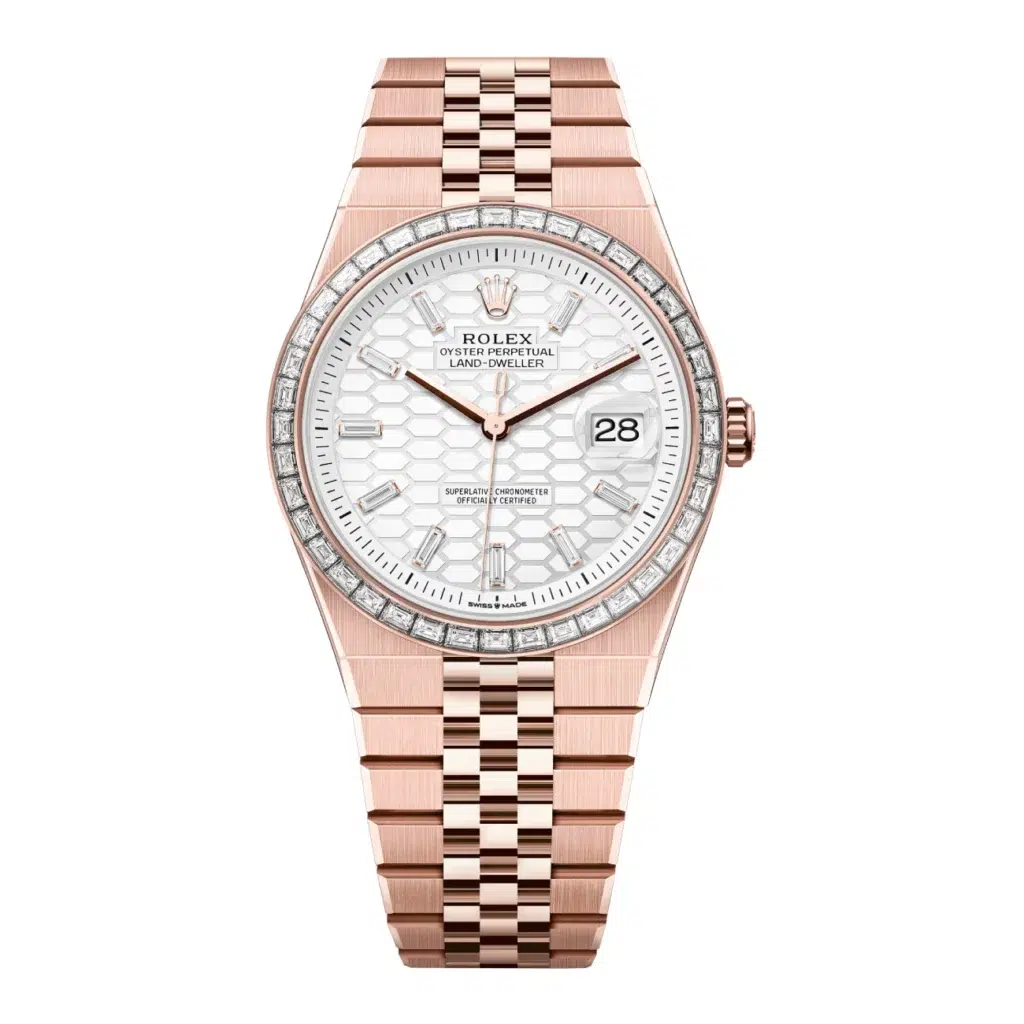
Diamond-set bezels showcase Rolex’s finest craftsmanship and turn their timepieces into stunning jewelry pieces. These gem-adorned bezels reveal significant differences in workmanship between factory-original and aftermarket versions.
Rolex’s factory diamond bezels are the pinnacle of precision engineering and artistic vision. Each diamond goes through careful selection to match size and quality perfectly. This creates a flawless circle of brilliance. Setting these stones demands exceptional skill to ensure they’re secure and sparkle brilliantly. The precise channels and settings protect the diamonds while making them shine their brightest.
The authentic Rolex diamonds stand out with IF (internally flawless) clarity grades and D to G color ratings. You’ll notice the factory diamonds’ tables – their flat top surfaces – all point exactly toward the dial center.
Aftermarket diamond bezels usually come with fewer stones – 42 compared to Rolex’s 48 in similar models. Both use real diamonds, but aftermarket settings show bigger white gold gaps between stones and less precise alignment.
The price gap tells quite a story. A factory-original Datejust (reference 178384) with diamond bezel and dial sells for about $15,950. The same model with aftermarket diamonds costs around $7,100. That’s a difference of more than $6,000 to think about.
Factory gem-set watches keep their originality and hold their value. Aftermarket modifications often reduce a watch’s worth. Rolex won’t even service watches with aftermarket diamond settings, which voids the warranty.
Before buying, take a close look at the diamond table alignment, stone quality consistency, and setting precision. Factory settings show perfect uniformity under 10x magnification – something aftermarket options rarely match. Watch out for misleading online listings too, as some sellers market aftermarket work as factory-original.
Collectors who want both investment value and beauty should pick factory diamond bezels, even at their higher price point.
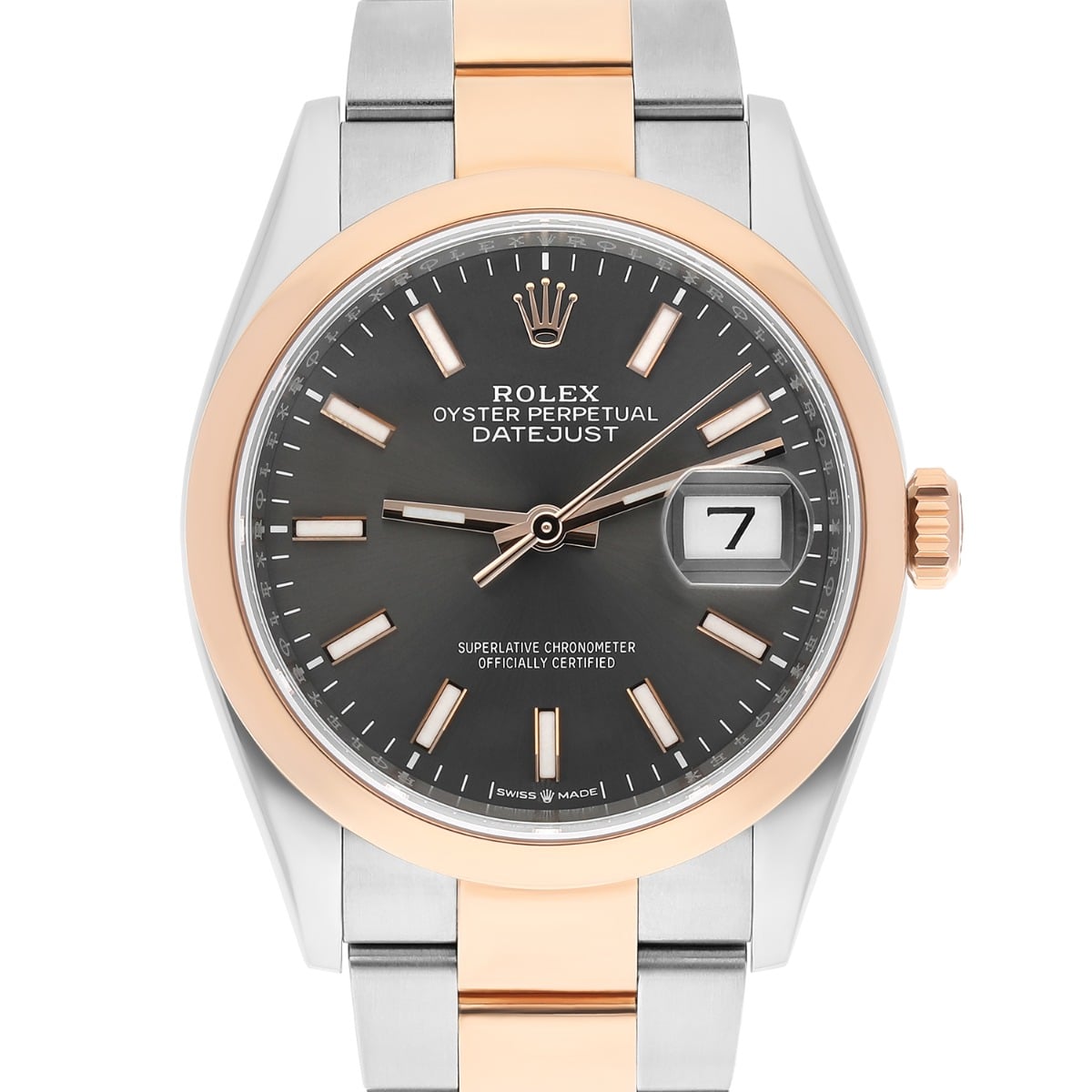
People often mistake domed bezels for smooth ones, but they’re actually quite different in the Rolex bezel family. These elegant design elements add a subtle dimension to select Rolex timepieces with their gentle curved profile.
A domed bezel curves more than its flat smooth counterpart. Picture cutting through the watch – a smooth bezel would look like a triangle in profile, while a domed bezel resembles a pizza slice. This small difference in architecture creates a substantial effect on the watch’s overall look.
The domed bezel features a clean surface without any decorative elements. Such minimalist design draws attention to the dial and creates a sleek, refined look. The domed bezel proves to be one of Rolex’s most versatile options. You can find it in stainless steel, yellow gold, rose gold, and platinum.
Rolex uses domed bezels extensively throughout their catalog. This elegant design appears on many collections like Air-King, Datejust, Date, Day-Date, Explorer, Milgauss, and Oyster Perpetual watches. The Datejust 36 reference 126200 shows off the domed bezel beautifully.
The market values these watches highly. A Rolex Datejust 36 with white dial, domed bezel, and jubilee bracelet in two-tone yellow gold costs about $17,458 retail. Pre-owned examples sell for around $11,600. These prices show how popular this classic bezel style remains.
Watch enthusiasts looking for a refined yet versatile timepiece should consider the domed bezel. Its understated elegance works perfectly in both casual and formal settings while keeping Rolex’s signature sophistication intact.
Rolex’s artistic side shines through their textured bezels, which go beyond regular options and stand out as some of the brand’s most unique design elements. These specialty bezels gave watch lovers different choices besides traditional smooth and fluted styles during the 1970s and 1980s.
The Bark bezel is one of the most recognizable textured options, with detailed grooves that look like tree bark. Rolex made these bezels only from precious metals for their gold models from the early 1970s to the late 1990s. The bark texture didn’t stop at the bezel – it continued onto the bracelet’s center links to create a complete design. You could find this finish mostly on Day-Date models, though some Datejust references had it too.
The Linen bezel matched perfectly with dials that had the same texture, which created elegant watches with subtle charm. These linen textured elements showed up on models like the Datejust, often paired with white gold fluted bezels. Collectors really loved this combination because of its refined look.
The Pyramid bezel is one of the rarest textured options out there. It features unique raised pyramid-shaped markers in a geometric pattern. This unusual design appeared most often on the Oysterquartz Day-Date reference 19028, with some very rare automatic Day-Date references like the 18018. A few special pieces even combined diamond settings with the pyramid pattern.
The textured patterns didn’t stop at the bezels. They continued onto the bracelet’s center links to create a unified look. Rolex made these bezels mainly for special orders or limited editions, using them almost always on precious metal cases instead of stainless steel.
These textured bezels are now part of Rolex’s design history. Collectors value them more and more as they search for unique vintage timepieces that show how Rolex wasn’t afraid to try new design directions beyond their classic looks.
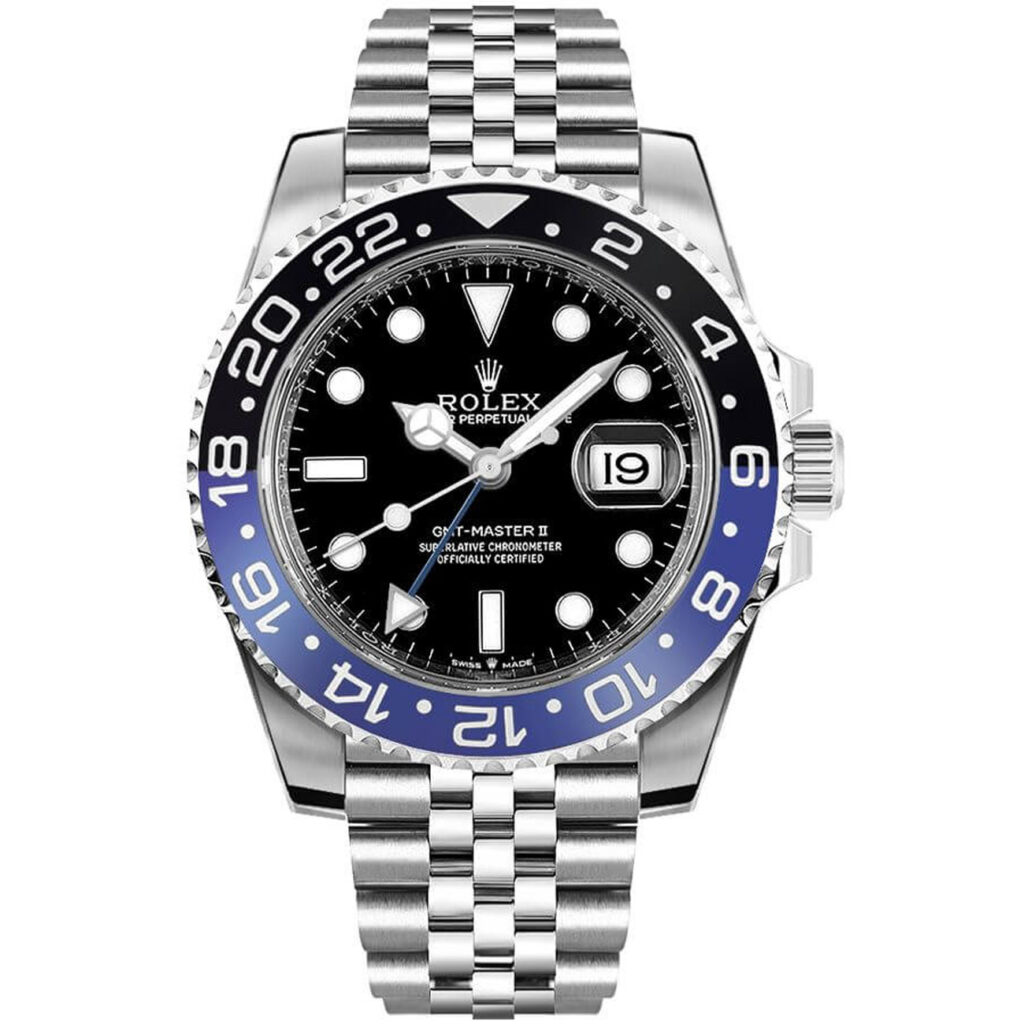
Rolex sport watches became essential tools for international travelers and aviation professionals with their groundbreaking 24-hour bezel. The GMT-Master introduced this feature in 1954. The specialized bezel works with a triangle-tipped 24-hour hand that shows multiple time zones at once.
The 24-hour bezel differs from regular timing bezels. It has a complete 24-hour scale around its edge and rotates both ways. Users can read time in up to three different time zones with the GMT hand. Rolex made the rotation system better by adding a trigonal spring. This spring lets users position the bezel precisely at each of the 24 hour marks.
The split-color design does more than look good. The original “Pepsi” bezel uses red for day hours and blue for night. Pilots and travelers can tell AM from PM quickly when they check reference time.
The first GMT-Master models came with Bakelite bezels that glowed in the dark. Rolex switched to aluminum inserts later. They introduced scratch-resistant Cerachrom ceramic bezels in 2007. Making two-tone ceramic bezels was tough. The company spent years researching before they achieved this technical breakthrough.
The 24-hour bezel now comes in several striking color combinations:
These bezels are a great way to get help for international travelers. Users set the 24-hour hand to reference time (usually GMT or home time) and adjust the main hour hand to local time. This keeps them connected between “here and there”. They can track a third time zone by turning the bezel without touching any hands.
The 24-hour bezel shows Rolex’s steadfast dedication to mixing practical use with state-of-the-art technology. Years of refinement have turned this practical part into one of the brand’s most distinctive design features.
Rolex’s engineering prowess shines through their rotating bezels. These functional tools improve the watch’s practical capabilities beyond simple timekeeping. These interactive components have changed static timepieces into specialized instruments, making them the life-blood of luxury watchmaking innovation.
The rotating bezels come with precisely adjusted markings that work with the watch’s hands to measure specific intervals. Rolex has mastered two distinct variations. The Submariner and Sea-Dweller feature unidirectional bezels that rotate only counterclockwise, while the Yacht-Master and GMT-Master II sport bidirectional bezels that rotate both ways.
Rolex made a vital safety improvement in 1983 by switching to unidirectional bezels for their dive watches. This design choice will give a safer experience as accidental bumps can only reduce—never extend—the displayed remaining dive time, which prevents dangerous miscalculations underwater.
The GMT-Master II’s mechanical engineering demonstrates remarkable precision. A sophisticated trigonal spring helps locate each of the 24 different hour positions precisely. The bezels’ knurled edges provide excellent grip, creating what Rolex describes as “a tactile connection between the wearer and the watch”.
Modern Rolex sport models use virtually scratchproof ceramic (Cerachrom) inserts to improve functionality. Earlier generations had aluminum bezels that were less durable but have developed a cherished patina among vintage collectors.
The rotating bezel works in three simple steps:
Rotating bezels serve many practical purposes beyond diving. Users can time everything from parking meters to cooking intervals, which makes them some of the most versatile complications in Rolex’s technical collection.
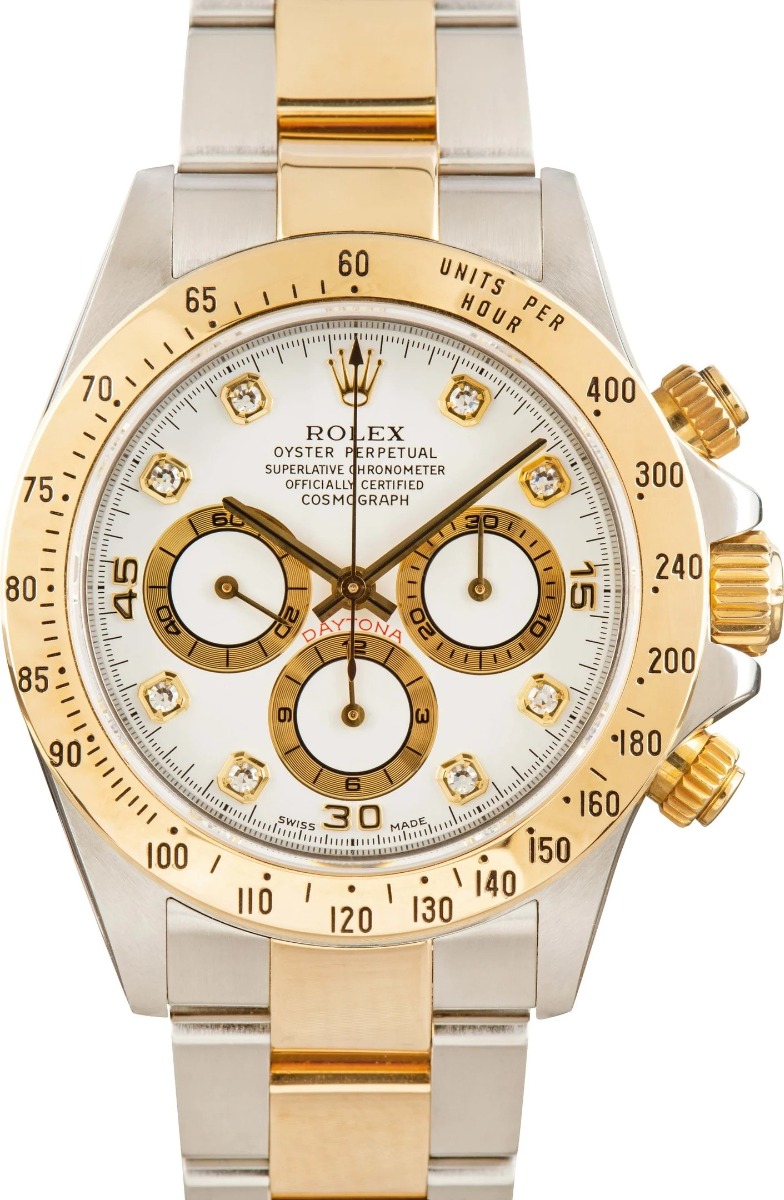
The tachymeter bezel, unique to the Rolex Cosmograph Daytona, stands out as one of the brand’s most specialized features. This special component turns the iconic chronograph into a precision tool that measures average speeds up to 400 units per hour, whatever unit you choose – miles or kilometers.
The tachymeter bezel ended up finding its home in motorsports, though Rolex first developed it during their attempt to become NASA’s official watch (that’s where the “Cosmograph” name comes from). The bezel’s materials have evolved over time, from vintage Plexiglass and metal to today’s nearly indestructible Cerachrom ceramic, which doesn’t corrode or fade in sunlight.
A mathematical relationship between time and distance makes the tachymeter work. You start the chronograph when you begin traveling a set distance and stop it when you finish. The central chronograph hand then shows your average speed on the bezel scale. Here’s a simple example: if you take 45 seconds to cover one mile, the tachymeter will show about 80 miles per hour.
Using this special bezel requires a few steps with the chronograph pushers. You’ll need to unscrew both top and bottom pushers to keep water resistance. Start timing with the top pusher, press it again when you reach your distance, and check where the chronograph hand points on the scale. The bottom pusher resets everything.
The tachymeter’s versatility goes beyond basic speed measurements. For speeds that take more than 60 seconds to measure, you can use a shorter distance and divide the reading. When measuring high speeds, just extend the distance and multiply the result.
The Daytona’s tachymeter has been there since its 1960s debut, which makes it special. While materials and maximum readings have grown from early models measuring up to 200 km/h to modern versions with 400 graduations, the tachymeter remains essential to the Daytona’s character.

Rolex’s Ring Command bezel represents their most advanced bezel technology that combines external beauty with internal mechanical complexity. This patented feature connects the outer bezel directly to the intricate movement inside, which changes how people use their watches.
Traditional rotating bezels work independently from internal mechanisms. The Ring Command bezel is different – it interfaces directly with the watch movement. This state-of-the-art design creates a system where bezel rotation activates different watch functions. When users turn the bezel, they can select specific settings like date, local time, or reference time and adjust them with the crown. We developed this bezel for watches with complications too complex for standard crown or pusher operation, which makes the watch easier to use.
The Ring Command bezel technology appears in two Rolex models. The Yacht-Master II, launched in 2007, uses a sporty professional-style Ring Command bezel that controls its programmable 10-minute regatta countdown timer. The Sky-Dweller, released in 2012, features this technology in its elegant fluted bezel design to set annual calendar and dual time zone functions.
Rolex launched this revolutionary concept in 2007 with the Yacht-Master II. Before this state-of-the-art development, rotating bezels served only as simple scales or slide rules without movement interaction. The Ring Command bezel stands as a most important milestone in watchmaking that merges two separate components into one integrated mechanical system.
The Sky-Dweller features the Ring Command as a fluted bezel that rotates to different positions. The Yacht-Master II displays it as a blue Cerachrom ceramic bezel with engraved numerals. Each bezel position links to a specific function that users can adjust through the crown.
| Bezel Type | Material Options | Key Features/Design | Notable Models | Current Production Status | Main Function/Best Use |
|---|---|---|---|---|---|
| Smooth | Oystersteel, Yellow Gold, White Gold, Everose Gold, Platinum | Clean, unadorned surface with flat or domed design | Oyster Perpetual, Datejust, Air-King, Milgauss, Explorer | Still in production | Perfect for everyday wear with minimalist design |
| Fluted | 18k Gold, Platinum only | Signature ridged pattern that catches light | Datejust, Day-Date, Sky-Dweller | Still in production | Ideal for formal occasions and luxury statement |
| Engine-Turned | Mostly Stainless Steel, rare 18k Gold versions | Machine-engraved geometric designs | Date, Datejust, Air-King | Ended production in early 2000s | Sought after by collectors for vintage charm |
| Rotating Timing | Multiple materials including Cerachrom | Features 60-minute markers with uni/bidirectional rotation | Submariner, Sea-Dweller, Yacht-Master | Still in production | Essential for timing and diving activities |
| Gem Set Diamond | Precious metals | Features 48 factory diamonds (IF clarity, D-G color) | Datejust, Day-Date | Still in production | Makes a bold luxury statement |
| Domed | Stainless Steel, Yellow Gold, Rose Gold, Platinum | Smooth curved profile | Air-King, Datejust, Explorer | Still in production | Suits both casual and formal settings |
| Textured (Bark, Linen, Pyramid) | Mostly precious metals | Distinct surface patterns | Day-Date, Datejust | No longer in production | Valued by collectors for unique look |
| 24-Hour | Cerachrom (current) | Rotates both ways with 24-hour markings | GMT-Master, GMT-Master II | Still in production | Perfect for tracking multiple time zones |
| Tachymeter | Cerachrom (current) | Measures speed up to 400 units/hour | Daytona exclusively | Still in production | Built for speed calculations in motorsports |
| Ring Command | Precious metals, Cerachrom | Works with movement mechanics | Yacht-Master II, Sky-Dweller | Still in production | Designed for complex function control |
Rolex’s bezels have grown from simple functional parts into signature design elements that set their legendary timepieces apart. A closer look at every Rolex bezel type through 2025 reveals how these precision-engineered components blend state-of-the-art watchmaking with timeless design.
These bezels do much more than just decorate. Smooth and domed versions provide subtle elegance for daily wear. Fluted bezels, made only from precious metals, showcase luxury and heritage. Engine-turned bezels once bridged these styles until Rolex stopped making them in the early 2000s. Now they’re prized collector’s pieces.
Rolex’s steadfast dedication to practical utility shines through their functional bezels. Rotating timing bezels turn watches into precision tools for divers, pilots, and everyday timing needs. Daytona models’ tachymeter bezels help calculate speeds accurately, which makes them popular with racing enthusiasts. GMT-Master watches feature groundbreaking 24-hour bezels that track multiple time zones at once – perfect for travelers.
Diamond-set bezels showcase Rolex’s finest craftsmanship with carefully chosen stones set with incredible precision. These factory-original pieces hold their value better than aftermarket versions, despite their high cost. The company also explored unique styles with textured bezels like bark, linen, and pyramid patterns, which are no longer in production.
Ring Command bezels prove Rolex’s technical expertise by connecting the outer bezel to the internal movement. This breakthrough makes complex functions simpler on Sky-Dweller and Yacht-Master II models.
Without doubt, knowing these bezel types helps you better appreciate these horological masterpieces. The bezel plays a crucial role in your timepiece’s character and purpose, whether you value classic style, practical function, or investment potential. This knowledge is a great way to get started when choosing your first Rolex or adding to your 20-year-old collection.
The smooth bezel is considered the most versatile Rolex bezel type. It features a clean, polished surface that complements various styles and occasions, making it ideal for everyday wear across diverse settings.
The rotating timing bezel, specifically the unidirectional version found on models like the Submariner and Sea-Dweller, is best for diving. It allows divers to safely monitor elapsed time underwater and prevent accidental time extensions.
Factory-original Rolex diamond bezels feature 48 precisely aligned, high-quality diamonds (IF clarity, D-G color). Under magnification, you’ll notice perfect uniformity in stone quality and setting precision that aftermarket options rarely achieve.
The Ring Command bezel is unique because it directly interfaces with the watch movement. This innovative design allows wearers to control complex functions by rotating the bezel, streamlining the user experience on models like the Sky-Dweller and Yacht-Master II.
Yes, several discontinued Rolex bezel types have become collectible. These include the engine-turned bezel and textured bezels like bark, linen, and pyramid patterns. These rare designs are now sought after by vintage watch enthusiasts and collectors.
The Audemars Piguet Bamboo has quietly transformed from an obscure 1980s rarity into the ultimate vintage grail. Once slept on compared to other AP models,
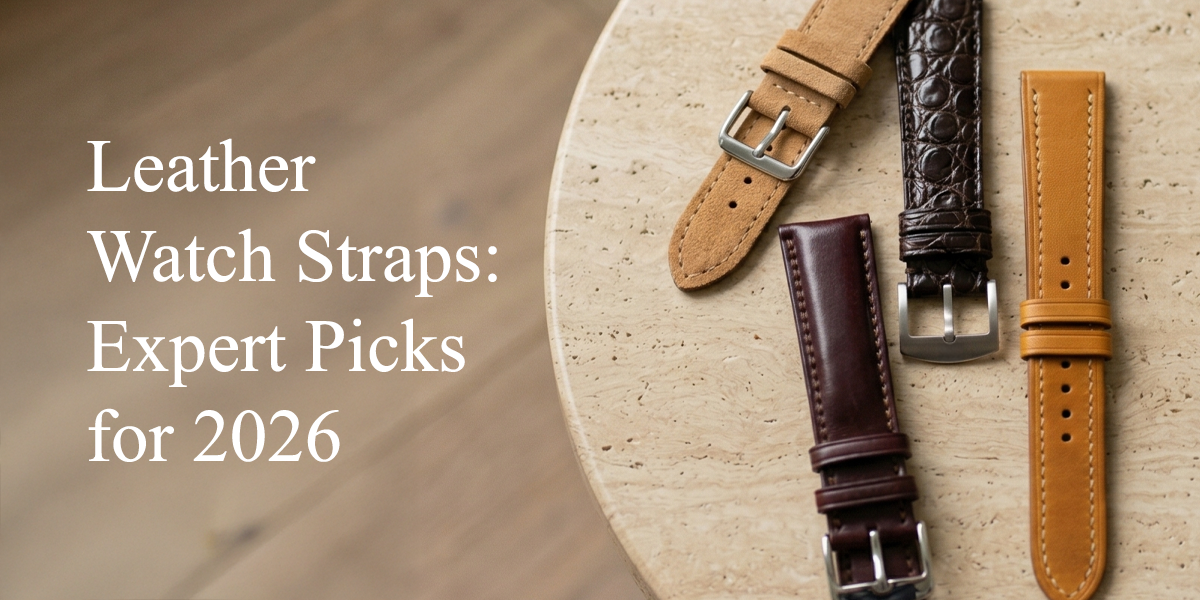
Choosing among the types of leather watch straps can turn your timepiece from ordinary to extraordinary. Attaching watches to leather straps dates back to the
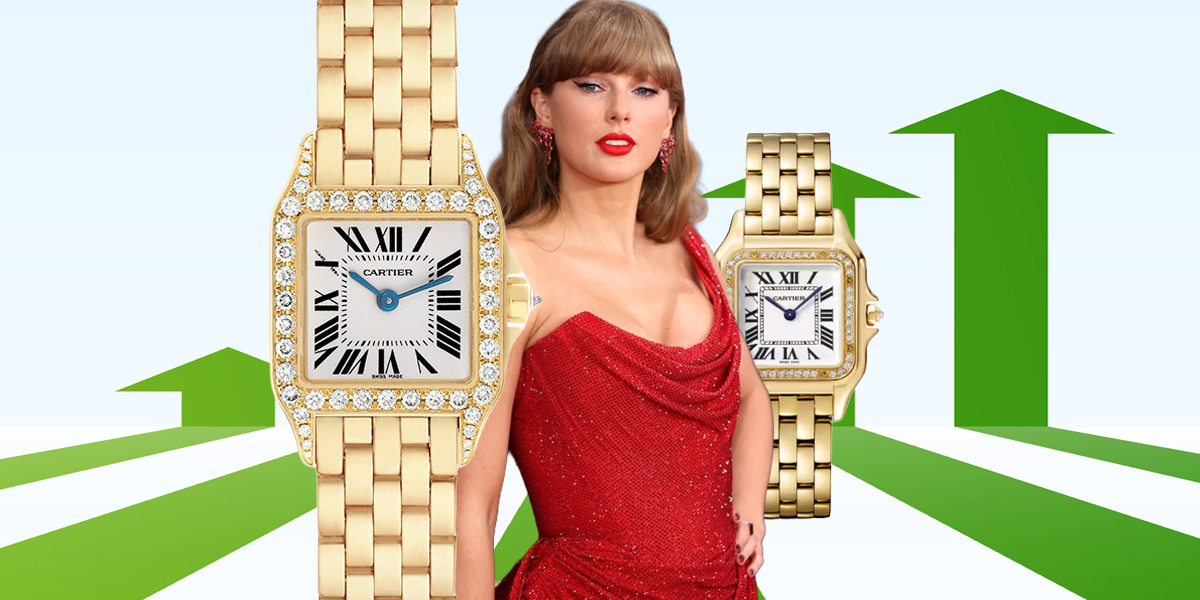
Taylor Swift’s Cartier watch in her viral engagement post turned a discontinued timepiece into the ninth most-liked Instagram post ever. The results were immediate and