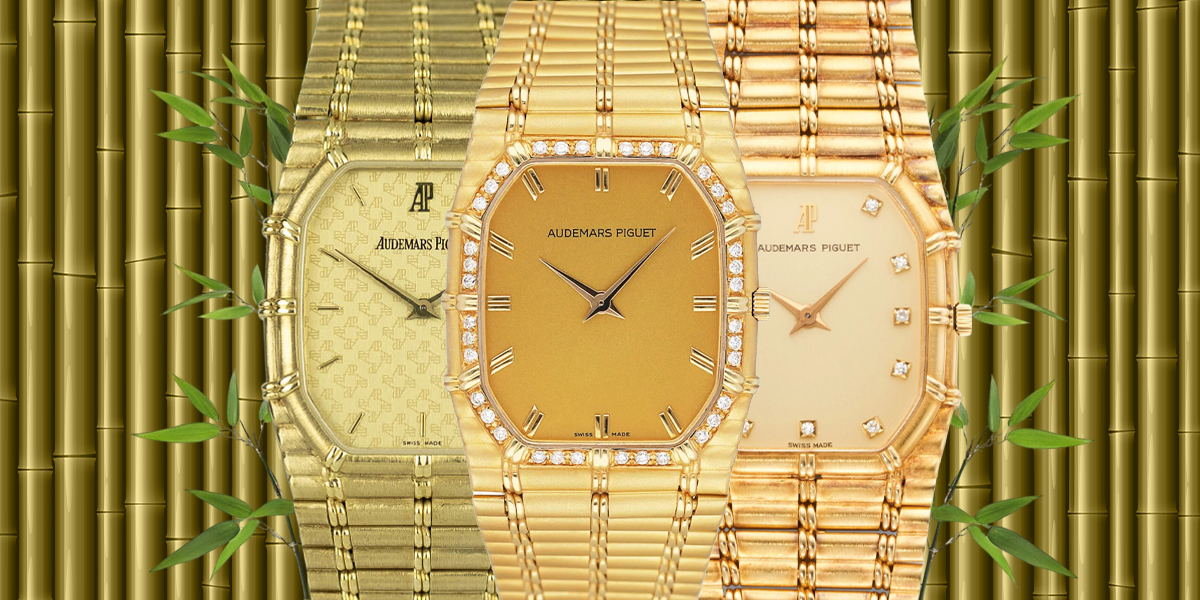
Audemars Piguet Bamboo Review: Why This Vintage Watch Became Every Collector’s Grail
The Audemars Piguet Bamboo has quietly transformed from an obscure 1980s rarity into the ultimate vintage grail. Once slept on compared to other AP models,

Ever heard about Paul Newman’s Rolex Daytona selling for over £13 million at auction?
That’s the wild extreme of watch values, but here’s what it really tells us: your timepiece sitting in that drawer might be worth way more than you think. The luxury watch market is absolutely booming right now, especially for pre-owned pieces. Everyone’s hunting for them.
But here’s the kicker—something as simple as having the original box and papers can bump up your watch’s value by about 20%. On the flip side, limited editions without proper documentation? They can lose up to half their potential worth. That’s a massive difference for what might seem like just some paperwork.
So what actually determines your watch’s value? Brand reputation plays a huge role. Rolex, Patek Philippe, and Audemars Piguet hold their value like champions compared to most others. The condition of your watch matters enormously too—a pristine timepiece can fetch dramatically higher prices than one that’s been through the wars. And if you’ve got a vintage piece, particularly something 40-50 years old from an iconic brand, you might be sitting on a goldmine.
Whether you’re thinking about selling, need to insure your collection, or you’re simply curious about what you own, figuring out your watch’s true worth takes some know-how. We’re going to walk you through exactly how the pros do it, so you can get the most accurate valuation possible—and potentially maximize what you get for it.
Before you can figure out what your watch is worth, you need to know exactly what you’re dealing with. Think of this as building your watch’s identity card—every detail matters when it comes to valuation.
Here’s where the detective work begins. Your watch’s model number is like its fingerprint—it’s what separates your timepiece from every other watch that brand has made.
Start with the obvious stuff. The brand name is usually right there on the dial, typically below the 12 o’clock marker. Sometimes you’ll find the model name sitting above 6 o’clock, but not always.
Now for the reference number—this is where things get interesting. Different brands hide these numbers in different spots:
These reference numbers tell you everything. Take a Rolex reference like 16234—that breaks down beautifully: “162” means it’s a Datejust, “3” tells you it has a fluted bezel, and “4” confirms it’s stainless steel with 18k white gold. Pretty clever system.
When your watch was made can dramatically affect its value. Most luxury brands stamp a serial number that corresponds to specific production periods.
For Rolex watches made before 2005, you’ll find this serial number between the lugs at 6 o’clock (again, bracelet removal required). Newer models have it engraved on the inner rim—the rehaut—between the dial and crystal.
You can match these serial numbers to production charts available online or through authorized dealers. Just remember: production date and sale date are different things, but both matter for your watch’s worth.
Here’s where paperwork becomes your best friend. Documentation can seriously boost your watch’s value—we’re talking about 20% more just for having the right papers.
Gather everything you can find:
Think of these as your watch’s pedigree papers. They prove it’s the real deal and show you’ve taken proper care of it. Without them, even the most beautiful watch loses some of its appeal to potential buyers.
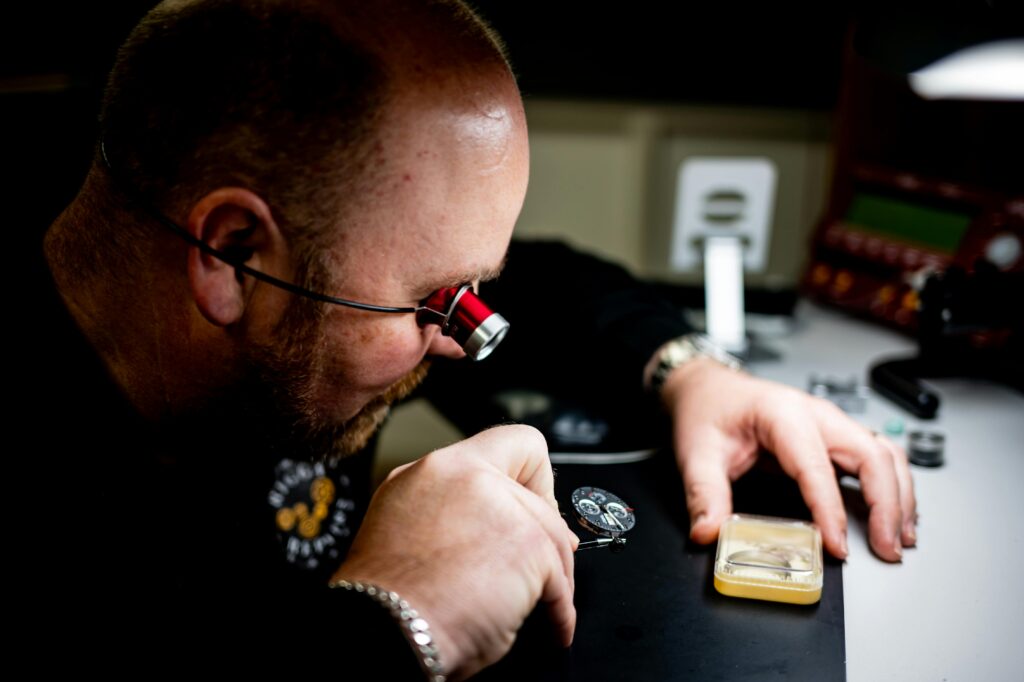
Once you’ve identified your watch, it’s time for the detective work. The condition of your timepiece can make or break its value—we’re talking about a 30% difference between excellent condition and noticeable wear.
Get yourself under good lighting and grab a magnifying glass. You’re going to examine every inch of that watch—case, bezel, crystal, bracelet, the works.
Start with the crystal. Scratches here can be tricky. If it’s acrylic, you might be able to polish them out. Sapphire crystal with deep scratches? That’s a replacement job, and it’s not cheap. Look closely at the case edges too—that’s where most impacts happen, and dents love to hide there.
Now, the dial condition is where things get interesting. Even tiny imperfections can slash your watch’s value dramatically. But here’s something cool about vintage pieces: collectors actually love those original “tropical” dials that have aged to a beautiful warm patina. Sometimes that natural aging increases value rather than hurting it.
Water damage, replaced hands, or a refinished dial? That’s bad news. We’re talking about a 20-50% hit to your watch’s worth.
Time to test how well your watch actually keeps time. A healthy mechanical watch should stay within +/-10 seconds per day. Listen carefully while it’s running—any grinding, clicking, or rattling sounds usually mean trouble inside.
Test everything that’s supposed to work:
Here’s something that might surprise you: a recently serviced watch typically holds better value than one that’s overdue for maintenance. But vintage collectors? They sometimes prefer unserviced watches with original factory lubricants still inside. It’s all about authenticity for them.
Original parts are everything when it comes to maximum value. Replace something with non-manufacturer parts, and you could be looking at a 15-40% drop in worth, depending on what got swapped out. Hands, bezels, crowns, dials—they all matter.
For top-tier brands like Rolex or Patek Philippe, aftermarket modifications almost always hurt value unless the original manufacturer did the work. That’s why knowing what’s original and what’s been replaced becomes crucial before you start researching prices.
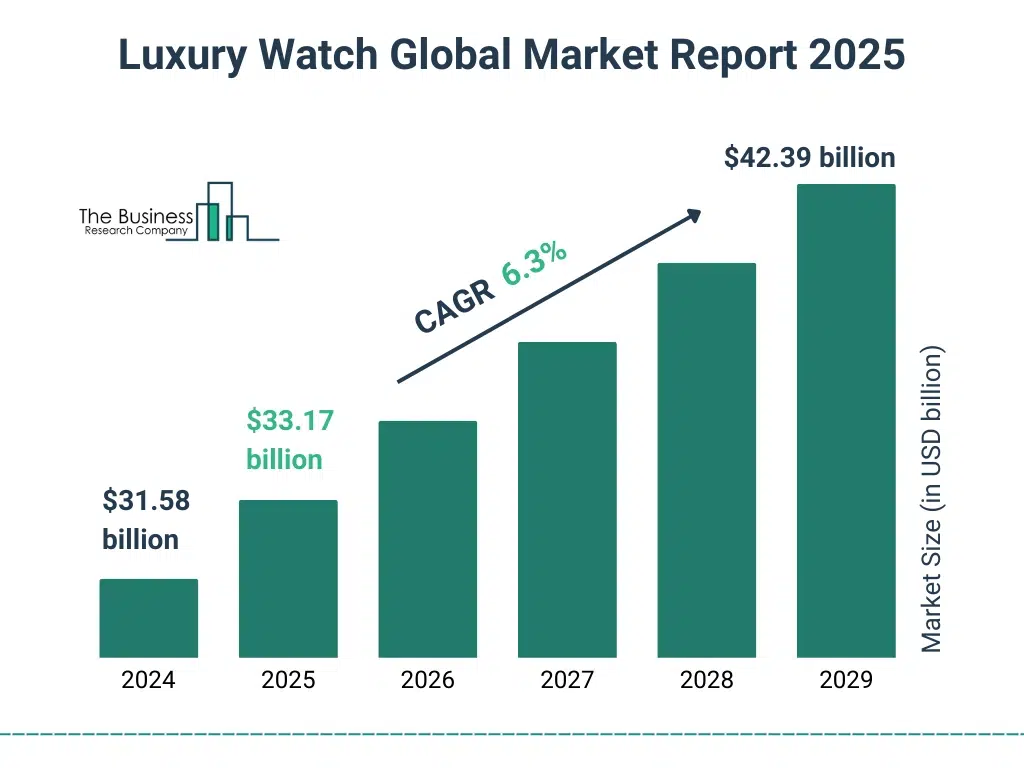
Image Source: The Business Research Company
Time to dive into the real market action. You’ve got your watch details, you know its condition—now comes the exciting part: finding out what it’s actually worth in today’s market. The watch market moves fast, and staying on top of current trends can make the difference between a good deal and a great one.
Online marketplaces are your goldmine for real pricing data. Chrono24 is the heavyweight champion here—over half a million people visit daily, and they’ve got access to nearly 600,000 watches. With that kind of inventory, you’re almost guaranteed to find something comparable to yours.
But don’t stop there. Here are the platforms worth checking:
Here’s something important to remember: private sellers typically get about 13% less than what dealers charge. So if you’re seeing dealer prices, adjust your expectations accordingly.
Several tools can give you solid valuations without the guesswork:
WatchCharts is fantastic for getting current market prices and seeing how things have moved over the past year. They update daily based on actual sales data, and their Overall Market Index tracks 300 watches from the top luxury brands to show you which way the wind’s blowing.
EveryWatch takes a different approach—they use AI to crunch pricing data from over 260 marketplaces and 350 auction houses, with historical data going back to 1989. Even their free version gives you access to marketplace and auction info.
Chrono24’s ChronoPulse tool is particularly reliable for common models since it’s based on over 4.6 million actual transaction prices. That’s serious data backing up their valuations.
Supply and demand rules everything in the watch world. Here’s a reality check: only 14% of watches actually trade above their retail price, while 86% sell at or below retail.
But brand reputation makes all the difference. Rolex dominates with 64% of their models trading above retail, while Patek Philippe manages 47%. Audemars Piguet sits at 33%, mainly thanks to the Royal Oak collection. Want to see the flip side? Omega, despite having over 90 models tracked, only has 4 trading above retail.
Scarcity can create absolute madness in pricing. When Patek Philippe announced they were discontinuing the Nautilus 5711/1A, prices shot up to four times the original retail value. That’s the power of “you can’t get it anymore” psychology working its magic.
You’ve done your homework, researched the market, and have a pretty good idea of what your watch might be worth. But sometimes you need the real deal—a professional opinion that carries weight, especially when serious money is involved.
Professional watch appraisers bring something to the table that you simply can’t get from online research: specialized expertise, professional tools, and access to insider market data. They’ve seen it all, from genuine vintage pieces to sophisticated fakes that would fool most collectors.
Professional appraisals deliver several key advantages:
The documentation alone can be worth the cost. A proper appraisal report isn’t just a number—it’s a detailed dossier of your watch that insurance companies and potential buyers take seriously.
Finding the right appraiser isn’t as tricky as you might think, but you want someone who knows their stuff.
Look for certified professionals with recognized credentials in watch appraisal, such as Watch My Diamonds.
Many luxury watch retailers also offer valuation services with competitive pricing and part-exchange options. This can be particularly useful if you’re considering selling or trading up. For online convenience, specialized appraisal websites provide remote valuations within 48 hours based on photos and information you submit.
The key is finding someone who specializes in your brand or type of watch. A Rolex expert might not be the best choice for a vintage Omega, and vice versa.
The appraisal process is pretty straightforward, though thorough.
First, there’s an initial consultation where you provide information and photos of your watch. The appraiser will ask about your watch’s brand, model, age, condition, and whether you have original documentation. Don’t worry if you’re missing some details—that’s what they’re there to figure out.
Next comes the physical inspection, where the expert examines your timepiece for condition, authenticity, and functionality. They’ll assess scratches, wear, movement accuracy, and verify original components. This is where their trained eye really makes a difference—they can spot things you’d never notice.
Finally, you’ll receive a detailed valuation report stamped by authorized personnel. This document specifies your watch’s current market value and replacement cost for insurance purposes. The entire process is typically quick, confidential, and sometimes even free of charge.
The best part? You’ll walk away knowing exactly what you own and what it’s worth in today’s market.
Getting an accurate watch valuation isn’t rocket science, but it does take some detective work and patience. You’ve now got the roadmap to figure out exactly what your timepiece is worth—from hunting down those crucial reference numbers to spotting the difference between a watch that’s been loved and one that’s been beaten up.
The reality is that condition makes or breaks value. A pristine watch can be worth 30% more than one with obvious wear, and having the original box and papers? That’s often the difference between a good sale and a great one.
Your research game matters too. Those pricing platforms like Chrono24 and WatchCharts aren’t just useful—they’re essential for understanding what buyers are actually paying right now. And remember, most watches don’t trade above retail. Only the cream of the crop from brands like Rolex and Patek Philippe consistently do that.
Sure, you can do a lot of this valuation work yourself, but sometimes bringing in a pro makes all the difference. They’ve got the expertise to catch things you might miss and can provide the documentation you need for insurance or serious sales.
The watch market is heading toward $42.39 billion by 2029, so understanding your collection’s true worth has never been more important. Whether you’re planning to sell, getting insurance sorted, or just satisfying your curiosity, you now have the tools to value your watches like someone who really knows what they’re doing.
Time to put that knowledge to work and see what treasures you’ve been wearing on your wrist.
To identify your watch’s model, check the dial for the brand name and model name. The reference number, which provides detailed information about your watch, is often located between the lugs, on the case back, or in the paperwork, depending on the brand.
The main factors affecting a watch’s value include its brand reputation, condition, rarity, age, and the presence of original documentation. Watches from prestigious brands like Rolex and Patek Philippe, in excellent condition with original box and papers, typically command higher prices.
A watch’s condition is crucial for its valuation. Timepieces in excellent condition can be worth up to 30% more than those with noticeable wear. Scratches, dents, and functionality issues can significantly decrease value, while proper maintenance and servicing can help maintain or increase it.
You can research current market prices on trusted platforms like Chrono24, eBay, and WatchRecon. Additionally, specialized tools such as WatchCharts and EveryWatch provide up-to-date valuations based on actual sales data from multiple marketplaces and auction houses.
While self-assessment can provide valuable insights, a professional appraisal offers the most definitive valuation. Expert appraisers can authenticate your watch, provide detailed documentation, and access exclusive market data. This is particularly important for insurance purposes, rare models, or high-value timepieces.
The Audemars Piguet Bamboo has quietly transformed from an obscure 1980s rarity into the ultimate vintage grail. Once slept on compared to other AP models,
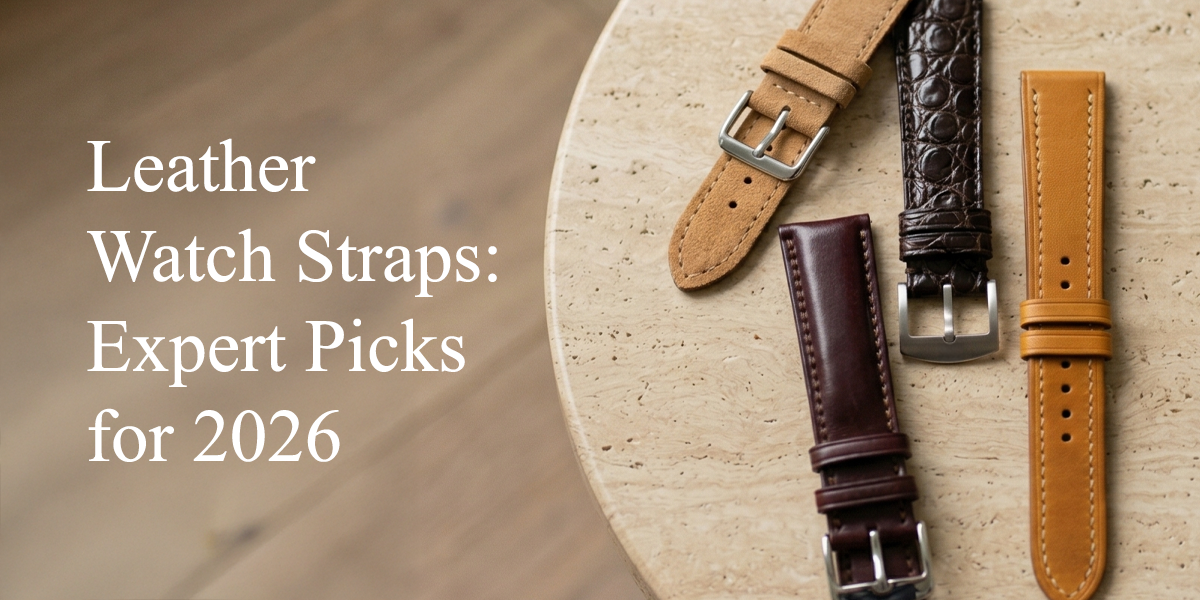
Choosing among the types of leather watch straps can turn your timepiece from ordinary to extraordinary. Attaching watches to leather straps dates back to the
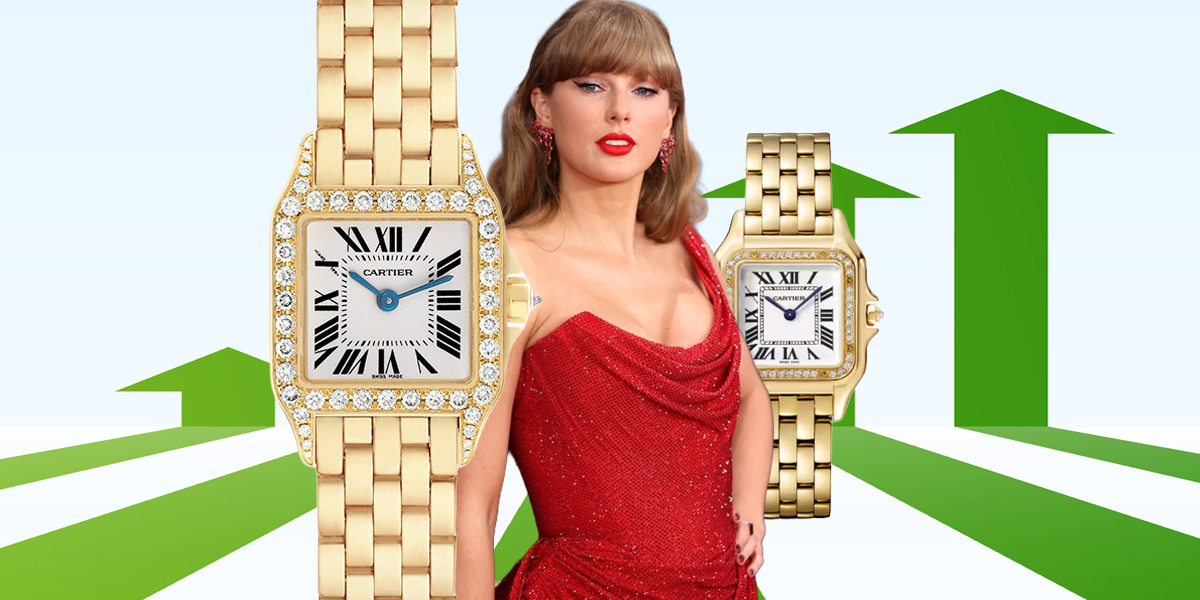
Taylor Swift’s Cartier watch in her viral engagement post turned a discontinued timepiece into the ninth most-liked Instagram post ever. The results were immediate and