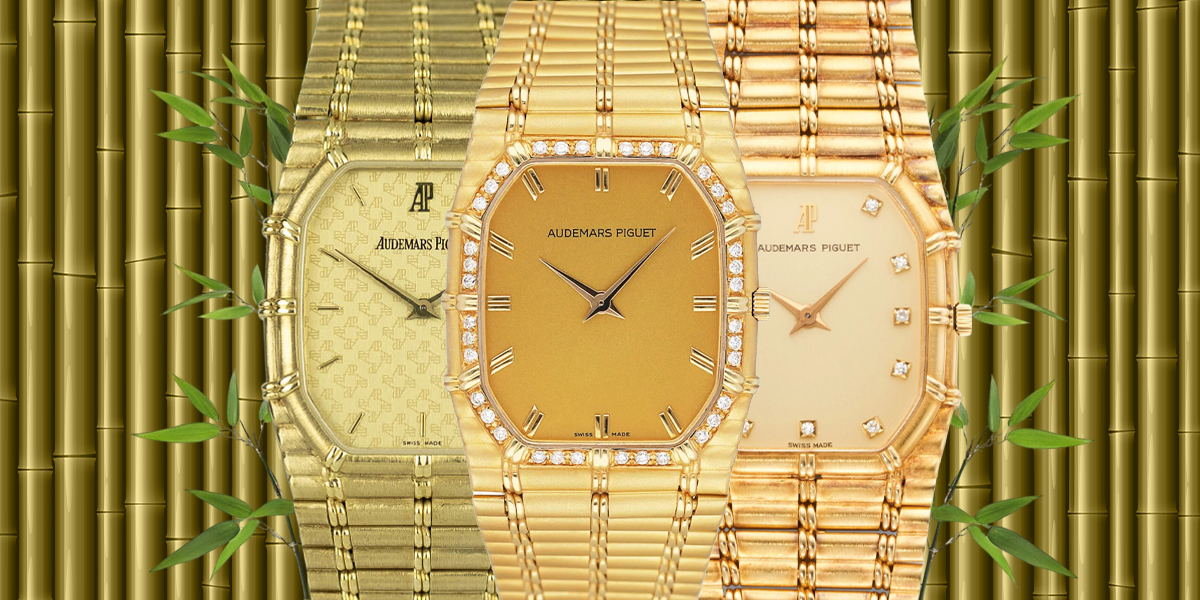
Audemars Piguet Bamboo Review: Why This Vintage Watch Became Every Collector’s Grail
The Audemars Piguet Bamboo has quietly transformed from an obscure 1980s rarity into the ultimate vintage grail. Once slept on compared to other AP models,

Want to sell your jewelry but feel stuck with too many options? Don’t worry – you’re not alone. Many people struggle to get started with selling their old jewelry.
Preowned jewelry sells at much lower prices than new pieces. Selling jewelry online gives you better advantages than traditional methods. You’ll reach more buyers, spend less money, and enjoy a smoother selling process. The online jewelry market is growing faster, and 2025 looks promising with more opportunities ahead.
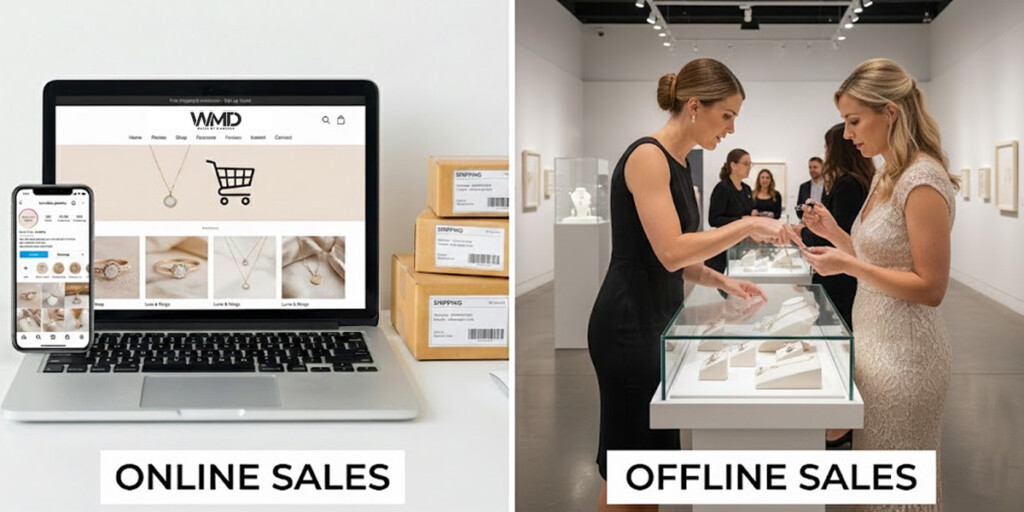
Do you have family heirlooms, designer pieces, or luxury watches to sell? This piece will show you everything about selling your precious items. You’ll learn how to figure out your jewelry’s true value and choose between online platforms and local jewelers. We’ll guide you through each step to help you sell your jewelry with confidence.
Your jewelry’s condition plays a huge role in determining its selling price. Getting it appraised by a certified AGS appraiser should be your first move. Style trends can affect your jewelry’s value too. Some styles stay popular for decades while others lose appeal within months.
Are you ready to turn your unworn treasures into cash? Let’s take a closer look at selling your jewelry in 2026.
You should think about what selling your jewelry means to you before making a quick decision. This choice goes beyond money – it touches both your wallet and your heart.
Most people sell their jewelry because they just need quick cash. Valuable pieces can provide fast funds if you face urgent expenses. “The best time to sell gold jewelry is when you need the money most,” according to one jewelry expert.
Gold prices have hit record levels, reaching an all-time high above $3500 per ounce in 2025. This represents a 36% increase from last year. The market surge makes this a prime time to sell gold items. “Gold tends to trade on fear, and we have a lot of fear in the markets right now. If you can find a moment when people are the most fearful, that’s an ideal time to sell your gold,” says financial expert Kathy Kristof.
Selling jewelry can help you reach bigger financial goals like:
Getting a house down payment
Starting a business
Building retirement savings
Getting rid of unused items
Your unused pieces could bring joy to someone else instead of gathering dust in your drawer.
The biggest challenge comes from balancing your attachment to pieces against what they’re worth. Many sellers feel shocked to see the gap between replacement cost and actual selling price.
“You may love your jewelry, but the emotional value you assign to your jewelry often has little to do with the current fair market price of your piece”. Market worth depends on several factors:
Current fashion trends and style appeal
Physical condition and wear
Designer recognition
Repair needs or wearability
Understanding market dynamics becomes vital for those selling luxury watches like Rolex. Watch My Diamonds, with locations in NYC and online, buys high-end timepieces based on current market demand rather than emotional value.
Money matters aside, each piece carries its own story. Think about what the item means to you and if you might regret letting it go. Tim Schmidt, founder of Gold IRA Custodians, warns that “once a unique piece is melted, its original value is lost forever”.
You have options if you’re not ready to say goodbye to your jewelry permanently.
Consignment could work as a middle ground. “Many jewelry stores offer a consignment option, where you leave your piece with them, and upon sale, they pay you. This is often the best way to maximize the money you receive”. You’ll likely get more money this way than from immediate cash sales.
Redesigning vintage pieces into modern styles offers a creative path forward. “This method can make your piece more attractive to buyers, as clean jewelry in excellent condition often sells faster and for a better price”.
Luxury items deserve special attention. Watch My Diamonds provides expert appraisals for valuable watches, offering fair market prices for Rolex and other premium timepieces both online and at their NYC location.
Trading in your pieces for new ones helps preserve both memories and value. Some jewelers give better trade-in values compared to cash deals.
It’s worth mentioning that you should “have a range in mind of what you would accept for the piece and be willing to accept an offer in that range”. Setting realistic expectations helps you feel good about your choice.
You have many ways to sell your jewelry in 2026, and picking the right method can make a huge difference in how much money you get. Here are your best options both online and offline.
You can get the best returns by selling to friends, family, or through social media because you won’t pay middleman fees. This works great especially when you have current styles in excellent condition, large natural diamonds, or recognized brands. Stay safe by meeting potential buyers in indoor public places and stick to cash or secure electronic payments. Finding the right buyer takes time, but you’ll earn 15-30% more than what retailers offer.
Jewelers can display your pieces with their inventory at an agreed price through consignment deals. They take 10-30% commission after the sale. This option works best when:
Your jewelry is new or truly antique (especially pre-1920s)
The piece has high value
Your item looks good as new
You can wait for payment
Check the store’s consignment policies and reputation first, since terms differ among businesses.
The online jewelry market bounced back to USD 105.60 billion in 2024, and experts predict steady growth to USD 166.00 billion by 2029. Here are the popular platforms:
Etsy: Perfect for handmade and vintage jewelry with 396 million monthly visits (6.5% transaction fee plus listing fees)
eBay: One of the platform’s top-selling categories where auction-style listings can bring higher payouts (8-15% referral fee)
Facebook Marketplace: Links you with local buyers without complex shipping (10% per shipment or USD 0.80 for items under USD 8.00)
Pawn shops give you quick cash but pay only 30-60% of actual jewelry value. Gold buyers look at metal value instead of craftsmanship or stones. Jewelers pay more than pawn shops for quality pieces because they know how to evaluate precious metals and fine jewelry.
Christie’s and Sotheby’s can put your valuable pieces in front of global buyers who’ll pay premium prices. These venues shine at selling high-value designer jewelry and rare gems but might overlook mid-range items next to million-dollar pieces. Local auction houses make good alternatives for more available jewelry with less competition.
Most jewelry stores buy items based on metal and stone value, sometimes paying extra for pieces they can resell. Custom jewelers often pay more for quality stones they can use in future creations. Unlike “We Buy Gold” shops that just weigh metal, 50-year-old jewelry stores look at craftsmanship and gemstone quality when making offers.
Luxury resellers specialize in high-end pieces and designer brands. Watch My Diamonds runs both NYC locations and online operations, focusing on buying Rolex and other premium timepieces. They base their competitive rates on brand reputation and condition. The RealReal and Worthy provide more options, taking 10-30% commission while authenticating through partnerships with organizations like GIA.
You might want to trade old pieces for new purchases instead of selling. Many jewelers give better trade-in values compared to cash deals. Another option lets you breathe new life into outdated jewelry by resetting stones in modern designs, keeping sentimental value while creating wearable pieces.
Note that each method takes different amounts of time and brings different returns. Private sales and consignment bring higher prices but need more patience, while pawn shops and jewelry stores pay right away but offer less money.
Your jewelry’s selling price depends on several key factors. These value indicators help you set realistic expectations and pick the right selling method to maximize your returns.
Your jewelry’s physical condition affects its worth. Well-preserved pieces without major damage sell at higher prices. Small problems like missing stones, scratches, or bent prongs can lower the value.
The history of repairs and restorations plays a vital role in valuation. Professional appraisers look at whether pieces still have their original components such as clasps, settings, and gemstones. Any replacements or substitutions that aren’t properly disclosed typically reduce a piece’s worth.
The condition becomes even more critical with luxury watches, especially brands like Rolex. Watch My Diamonds in NYC bases their purchase offers on both looks and mechanical performance.
Current market trends shape jewelry values. Pieces matching popular styles sell faster and fetch better prices.
Vintage and antique jewelry holds special appeal because of its unique historical value. Collectors pay premium prices for items from specific design periods like Art Deco or Victorian due to their historical charm.
A piece with distinctive style that clearly shows its era’s design identity becomes more collectible than generic designs without any connection to a specific period.
Jewelry from prestigious houses like Cartier, Tiffany & Co., and Van Cleef & Arpels sells at higher prices because of their exceptional craftsmanship. Industry experts say, “The more popular and exquisite the brand, the more stable and solid is the jewelry investment”.
This is especially true for luxury timepieces. Watch My Diamonds specializes in buying high-end watches in NYC and online. They offer premium prices for brands like Rolex based on market value and collector demand.
Your jewelry’s base value starts with its metal type and purity. Gold comes marked as 10K, 14K, 18K, or 24K, with higher numbers showing greater purity. To name just one example, 18K gold contains 75% pure gold, while 10K has only 41.7%.
Other precious metals use these marking systems:
Silver shows up as 925, meaning 92.5% pure silver
Platinum uses PT followed by 850, 900, 950, or 999
Palladium appears as PD with numbers like 500, 950, or 999
Weight matters because metal prices work on per-ounce rates. Heavier pieces contain more precious metal, making them naturally more valuable.
Gemstones add significant value to jewelry. Precious stones (diamonds, rubies, sapphires, and emeralds) fetch higher prices than semi-precious ones like amethyst, garnets, or citrine.
Diamond appraisers use the famous “four Cs”:
Cut: Shows brilliance and light reflection
Clarity: Reveals internal or external flaws
Color: Goes from D (colorless) to Z (yellow/brown tint)
Carat Weight: Bigger stones usually cost more
GIA certification or other reputable lab reports boost value. Watch My Diamonds and other luxury buyers pay more for diamonds with proper certification.
Knowing these value factors helps you find the best buyer for your specific pieces. This applies whether you’re selling a Rolex watch to a specialized buyer like Watch My Diamonds or listing vintage costume jewelry on online marketplaces.
A professional jewelry appraisal is a vital first step if you plan to sell your precious items. This evaluation sets a baseline that will give a fair compensation for your treasures.
High-value items like diamonds, luxury watches, or branded jewelry need formal documentation to prove their authenticity and worth. Industry experts say that jewelry appraisals are “crucial for protecting your investment”. You should get formal appraisals in these situations:
Selling items valued over $1,000
Dealing with inherited pieces of unknown value
Selling luxury watches or designer jewelry
Documentation needed for insurance purposes
Rolex watches and premium timepieces can be evaluated by specialized buyers like Watch My Diamonds (NYC and online). They often provide free valuations during their purchasing process, which saves you appraisal fees while providing accurate market assessments.
The difference between appraisal types helps avoid disappointment during the selling process. Insurance appraisals show replacement value—the cost of replacing your jewelry with a brand-new equivalent item. This is a big deal as it means that the value exceeds what you could actually sell the piece for.
Resale or fair market appraisals show what “a willing buyer and seller would agree upon in an open market”. These values usually fall between wholesale and retail pricing and give realistic selling expectations. Note that “jewelry is much like a car in the aspect that it loses more than half of its value the minute you take it home”.
The best appraisers have these recognized credentials:
The most respected professionals hold titles such as Certified Gemologist Appraiser (CGA) or Independent Certified Gemologist Appraiser (ICGA) from the American Gem Society. These experts complete advanced education in jewelry valuation and pass annual recertification exams.
Other prominent organizations include:
Gemological Institute of America (GIA)
National Association of Jewelry Appraisers (NAJA)
International Society of Appraisers
You should look for appraisers who charge flat fees instead of percentages of the appraised value. This helps avoid conflicts of interest.
Not every sale needs a formal appraisal. You can skip this step when:
You sell directly to gold buyers who focus on metal value You have costume jewelry or lower-value items You need immediate cash at pawn shops You use direct-buy services like Watch My Diamonds for luxury watches
Most jewelry stores “do not require you to present an appraisal to sell a pre-owned piece of jewelry”. They conduct their own evaluation, making the extra expense unnecessary if you just want to sell.
Your best results come from updating existing appraisals every 2-3 years or after major market changes in gold or gemstone prices.
Luxury watches stand apart from regular jewelry. These timepieces serve as investments that can grow in value over time, unlike most other accessories you might buy.
A luxury watch’s market worth depends on several key factors:
Model and reference number – Collectors just need specific models, especially limited editions and vintage pieces
Condition and service history – Watches that are well-kept, show minimal wear, have original parts, and come with service records fetch top prices
Box, papers and accessories – The original packaging, warranty cards, and accessories boost resale value by a lot since they prove authenticity
Brand reputation – Prominent manufacturers that are centuries old provide solid foundations for value retention
Market demand – Current trends and collector priorities create value shifts in specific models
Pre-owned Rolex timepieces show amazing value retention. We noticed this happens because of their perfect craftsmanship, timeless design, and careful production control.
Some watch manufacturers consistently perform better than others in the secondary market:
Rolex leads the pack. Their prices jumped over 550% from 2010 to 2025. The Submariner keeps much of its original price, and the GMT-Master II’s value shot up 506% during this time.
Patek Philippe sits at the top of watch collecting. They make just 70,000 pieces yearly, creating a natural lack of supply. Their Nautilus line brought 207% returns between 2017-2022.
Audemars Piguet, Cartier, Vacheron Constantin, and Omega are other brands that managed to keep strong resale values.
Watch My Diamonds specializes in buying luxury timepieces:
Expert appraisers check your watch’s model, condition, rarity, and current market position. After confirming it’s genuine, they make competitive offers based on real market value.
You can pick between visiting their New York Diamond District showroom or using their secure, insured shipping service. They pay through same-day cash, wire transfers, or checks.
Here’s how to get the best price for your premium timepiece:
Gather documentation – Having the original box, papers, and accessories adds 20-30% more value compared to watches without them
Maintain originality – Your watch is worth more with original parts than with aftermarket changes
Think over timing – Market trends change. You’ll get better returns by selling when demand peaks or after model discontinuations
Compare options – Consignment brings 10-15% more than direct sales but takes longer – 60-120 days instead of instant payment
Research your model – Reference and serial numbers tell you key details about when it was made and its specs
Luxury watches, especially Rolex’s limited-production pieces, are a great way to get into serious collecting. These watches often attract dedicated followers.
Your safety and the security of your valuable items should be your main priority during jewelry or luxury timepiece sales. Reports of online jewelry fraud saw a dramatic 380% rise from 2019 to 2020, and jewelry remains one of the most targeted categories.
These red flags deserve your attention while selling jewelry online:
Buyers who send fraudulent checks exceeding the agreed price in overpayment schemes
Scammers who send fake payment confirmations and push you to ship right away
Anyone asking to pay through unusual methods like wire transfers or cryptocurrency
Messages full of grammar mistakes and generic content that ignore your listing details
Make sure you check the buyer’s credentials or reviews before you move forward with any deal. Luxury watch sellers can find secure, legitimate options both online and in-person through 10-year old buyers like Watch My Diamonds in NYC.
Your safety during face-to-face deals depends on:
Picking spots with security cameras
Taking a friend with you
Making high-value exchanges at police stations
Checking the buyer’s ID
You can protect your valuables during shipping by:
Making sure an adult signs to confirm delivery
Getting insurance that covers the item’s full value
Using plain packaging that doesn’t reveal what’s inside
Taking photos of how you pack everything
You can strengthen your position by:
Getting several estimates to know the true market value
Starting with a price higher than what you expect to get
Taking your time—rushing leads to bad deals
Having written agreements before you close any deal
Note that honest communication builds trust and helps deals go smoothly.
Selling jewelry takes careful planning if you want the best returns. You might be selling family heirlooms or luxury timepieces, but knowing your pieces’ true value will make a huge difference in what you get. A bit of research now will pay off later.
The jewelry market has evolved. You now have more ways than ever to reach potential buyers. Each selling method has its own advantages that you need to weigh against what you’re looking for. Online platforms give you broader reach and convenience. Specialized buyers like Watch My Diamonds bring expertise in luxury timepieces, especially Rolex watches, both online and at their NYC location.
Your jewelry’s value depends on several factors – its condition, current style trends, brand reputation, metal purity, and gemstone quality. This knowledge helps set realistic price expectations. High-end watches from prestigious manufacturers hold their value better than other jewelry types, which makes them smart investments.
Safety should be your top priority when selling. Take proper precautions whether you meet buyers in person or ship valuable items. Getting professional appraisals for valuable pieces gives you solid ground for negotiations.
Selling jewelry doesn’t mean you have to say goodbye forever to cherished pieces. You have options like consignment, repurposing, or trading in that let you keep sentimental connections while meeting financial goals. The best choice comes down to your specific situation and what you want to achieve.
This detailed guide will help you make confident choices about selling jewelry. You can balance emotional attachment with practical financial needs. Your unworn treasures deserve the best future – whether that means finding a new home or becoming something that fits your current lifestyle better.
The Audemars Piguet Bamboo has quietly transformed from an obscure 1980s rarity into the ultimate vintage grail. Once slept on compared to other AP models,
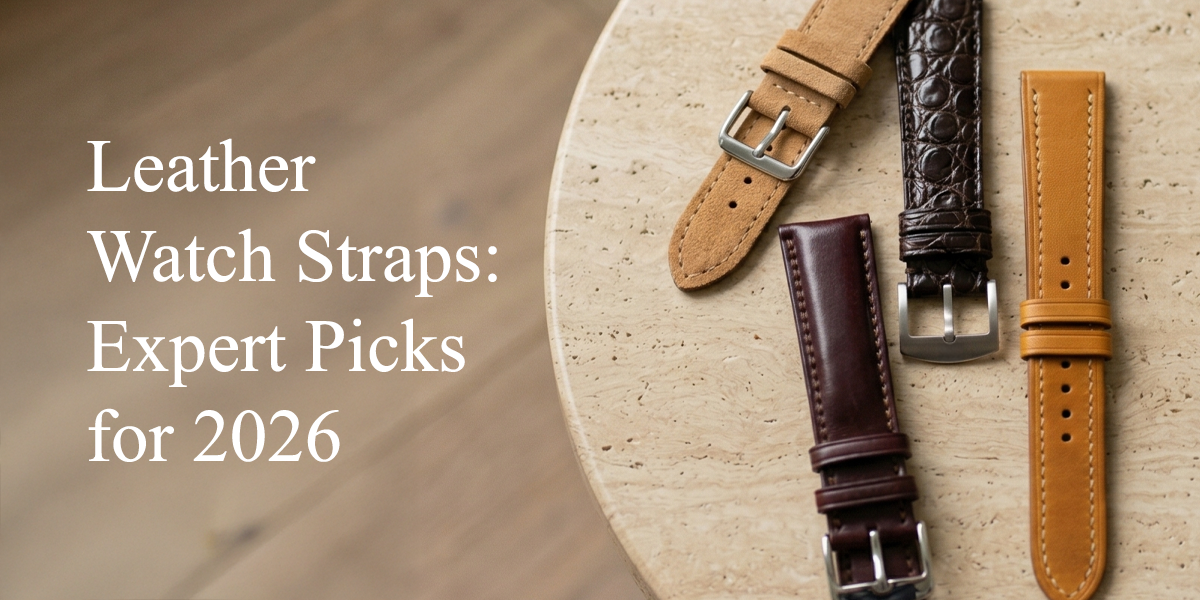
Choosing among the types of leather watch straps can turn your timepiece from ordinary to extraordinary. Attaching watches to leather straps dates back to the
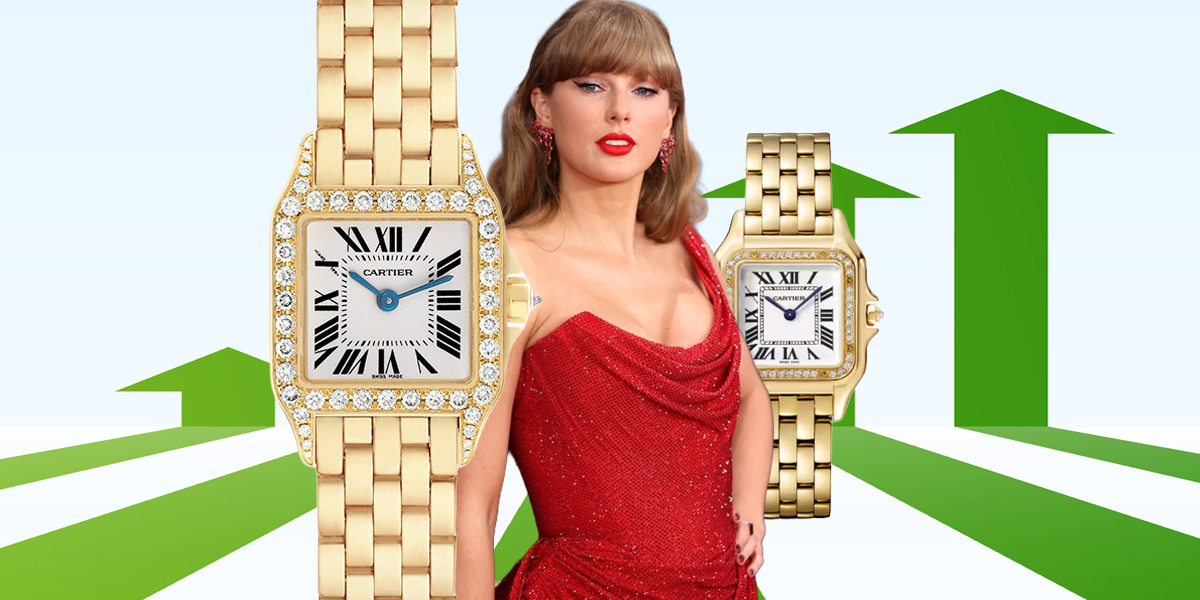
Taylor Swift’s Cartier watch in her viral engagement post turned a discontinued timepiece into the ninth most-liked Instagram post ever. The results were immediate and