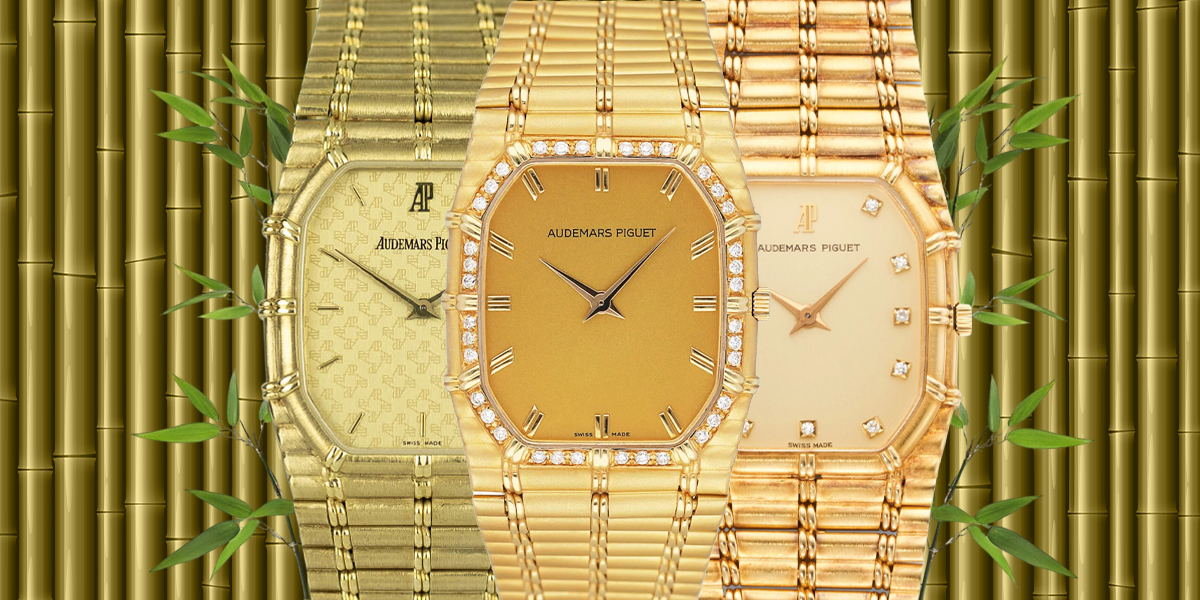
Audemars Piguet Bamboo Review: Why This Vintage Watch Became Every Collector’s Grail
The Audemars Piguet Bamboo has quietly transformed from an obscure 1980s rarity into the ultimate vintage grail. Once slept on compared to other AP models,

Gray market watches can often be bought at 20% to 30% below their official list prices. This eye-opening fact has turned the gray market into a go-to destination for both experienced watch collectors and newcomers to luxury timepieces.
The term might sound mysterious, yet gray market watches are 100% genuine and authentic timepieces. These watches sell outside the traditional authorized dealer networks that watch manufacturers have set up. The watches come from several legitimate sources. Authorized dealers with extra inventory, parallel imports from other countries, and private sellers all contribute to this market. The savings can be substantial. The Omega Speedmaster Professional Moonwatch costs 28% less on the gray market compared to official channels. A TAG Heuer Carrera chronograph (ref. CBS2216.BA0041) goes for $5,450 on the gray market instead of its official $6,870 price tag – saving buyers over 20%.
The gray market isn’t just about discounts. Rare and coveted models can sell for much more than retail. The stainless steel Rolex Daytona with ceramic bezel (ref. 126500LN) proves this point perfectly. Its official price tag reads $16,300, but on the gray market it sells for around $33,000 – more than double the retail price. These price differences show how supply, demand, and exclusivity shape the luxury watch market’s complex dynamics.
This piece will walk you through everything about gray market watches in 2025. You’ll learn how this alternative marketplace works, find trustworthy dealers, and avoid common mistakes when buying your timepiece.
The gray market involves selling genuine luxury timepieces through channels not authorized by watch manufacturers. These watches are authentic—made in the same factories as those from official retailers—but they reach buyers through unofficial paths.
Gray market watches are authentic timepieces sold outside the manufacturer’s official distribution network. Dealers without formal brand agreements trade these watches from legitimate sources.
The biggest difference between gray and black markets lies in legality and authenticity. Industry experts confirm that gray market trades happen legally. The black market deals with illegal activities like selling fake watches, stolen goods, or items smuggled to dodge import duties.
You can spot a gray market watch by these signs:
These watches remain genuine products—they just skip the traditional retail channels that luxury watch brands set up.
Economic imbalances and distribution problems created the gray market for luxury watches. This market has grown into a powerhouse worth about 30 billion USD by 2025. Here’s what keeps it going:
Excess inventory management: Authorized dealers must buy inventory worth up to $250,000 as their original and future minimum stock. These contracts force retailers to buy slow-selling models to get popular ones. Dealers often sell extra stock to unauthorized channels at wholesale prices.
Price control and market differences: Brands tightly control prices through authorized sellers and don’t allow big discounts to protect their image. Price gaps between markets create profit chances. Authorized retailers stuck with slow-moving stock can’t lower prices below brand guidelines, so they turn to unofficial channels.
Supply and demand imbalances: Popular models like Rolex watches often sell at higher prices in the gray market because buyers want more than what’s available. Less popular brands might sell 20-30% cheaper than retail.
International pricing gaps: Different currencies and taxes create chances for parallel imports. Traders buy watches where prices are low and sell them in expensive markets. This price difference drives gray market activity.
The internet has changed everything for gray market dealers. They used to work from small shops with limited reach. Now, anyone can find gray market options with a quick online search.
The gray market watch industry runs on a complex supply chain that stretches across continents and profits from price differences in the global luxury watch market. A better understanding of these operations will help you make smart decisions before buying from the gray market.
Gray market dealers get their inventory through several legitimate channels that operate among authorized retailers. These watches come from three main sources:
Authorized dealers with surplus inventory supply watches to the gray market. Some official retailers sell their excess stock quietly to gray market sellers when they can’t move certain models or have discontinued pieces. This helps them free up money and space for new collections without reducing prices publicly.
Private sellers and collectors like Watch My Diamonds add to the gray market as they sell their personal collections. These pre-owned timepieces—often in pristine condition—end up on gray market platforms that connect buyers and sellers outside official channels.
International sourcing happens when dealers buy watches in cheaper regions and sell them in markets where prices are higher. This practice, called parallel importing, takes advantage of the different pricing strategies watch manufacturers use worldwide.
Authorized dealers are the life-blood of the gray market, though many brands want this connection to stay hidden. The way dealer agreements work creates a situation where gray market sales become almost inevitable.
Manufacturers want authorized dealers to keep large inventory levels—sometimes starting at $250,000. Retailers must also buy less popular models to get access to the watches everyone wants. These dealers face a tough choice when slow-moving watches don’t sell: keep unprofitable stock or look for other ways to sell.
A clever system has developed where authorized dealers create package deals for gray market sellers. A gray market dealer might get a rare Rolex Daytona, but they must also buy several less popular watches from the dealer’s extra inventory. This helps authorized dealers manage their stock while giving gray market sellers access to rare pieces they can sell for more.
Parallel imports are the foundation of gray market operations. These genuine products sell outside a brand’s authorized channels without permission from the intellectual property owner.
This business runs on international price differences caused by:
To cite an instance, a gray market trader might buy luxury watches in Italy and sell them in China below local retail prices while still making money. Japanese market Nikon cameras sold in the US with Japanese instructions show another example of parallel importing.
This global price difference creates ways for gray market dealers to sell below authorized retailers’ prices, especially now that e-commerce platforms reach everywhere. Alibaba, China’s biggest e-commerce platform with 1.31 billion annual active shoppers, has many gray market products.
The connected global economy makes these price differences easier to use. Parallel importing has become more available, and brands find it harder to control the gray market.
The gray market for luxury watches shows an interesting split – some watches sell at big discounts while others fetch prices way above retail. These price differences come from basic supply and demand, plus how brands position themselves in the luxury watch world.
Gray market prices for luxury watches can be 20% to 30% below retail. Several factors create these lower prices:
The Omega Speedmaster Professional Moonwatch shows this perfectly – it sells 28% cheaper through gray market channels than official stores. Breitling watches also give buyers great savings. The AVI Ref. 765 1953 Re-Edition (ref. AB0920131B1X1) costs about $6,600 on the gray market compared to its $8,700 retail price – a 25% discount.
Some sought-after models sell for much more than their retail prices. This happens mostly with brands that keep production numbers low or create a lack of supply.
Stainless steel Rolex sports models stand out as the best example. These watches have become investments as much as timepieces. Limited availability and high demand create a market where people gladly pay extra. The stainless steel Patek Philippe Nautilus ref. 5711/1A-010 reached $118,500 to $147,000 on the gray market – more than four times its $29,000 retail price.
Major brands show different pricing patterns in the gray market:
Rolex sports models always sell above retail. The stainless steel Daytona with ceramic bezel (ref. 126500LN) costs $16,300 at retail but sells for about $33,000 in the gray market – double its price. The classic Submariner No-Date version (ref. 124060) sells at a 28% premium, reaching around $12,600 compared to its $9,800 retail price.
Omega gives buyers great savings. The Seamaster 300M diving watch (ref. 210.30.42.20.01.001) costs about $5,000 on the gray market versus $6,800 retail – a 35% discount. Recent trends show Omega’s gray market prices dropping more, with savings from 35% to 45% off retail.
TAG Heuer prices match Omega’s pattern with big discounts. Their 2024 Carrera chronograph (ref. CBS2216.BA0041) has a $6,870 retail price but sells for about $5,450 in the gray market – 20% below list price. The Autavia with in-house Heuer 02 caliber costs around $5,450 compared to its $7,180 retail price – saving buyers $1,730.

Buying a luxury timepiece through the gray market balances risk against reward. This knowledge helps you make smart decisions about gray market watches as alternatives to authorized dealers.
Limited warranty stands out as the biggest drawback of gray market purchases. Unauthorized dealers cannot offer manufacturer’s warranty for watches. Their solution involves providing their own warranty or third-party coverage. These alternative warranties give nowhere near the protection that official manufacturer guarantees offer.
Luxury brands often refuse to service timepieces bought outside their authorized network. Manufacturers take this stance to discourage gray market purchases. They might still service your watch, but you’ll pay full price for repairs that an official warranty would cover.
Authenticity is a vital factor to think over with gray market watch sites. These watches differ from black market counterfeits – they are legally traded original products. Notwithstanding that, sophisticated fakes might still appear.
Buyers should ask gray market watch dealers for:
Respected dealers conduct thorough inspections and give authenticity guarantees. Reading seller ratings and reviews before purchase remains essential.
The gray market shines by offering discontinued or limited-edition timepieces. Collectors looking for specific vintage pieces or retired models can find gray market Rolex and other premium brands long after authorized retailers stop carrying them.
These rare watches let enthusiasts complete their collections or acquire pieces with historical value.
The most practical advantage lies in immediate availability. Prestigious brands like Rolex, Patek Philippe, and Audemars Piguet usually have long waitlists at authorized dealers. The gray market watch industry solves this by giving instant access to coveted timepieces.
A Rolex Daytona or Submariner becomes available right away through trusted gray market channels. This convenience affects prices differently – some watches sell at discounts while others command premiums, based on their demand.
Your success in the gray market depends on knowing how to spot trustworthy dealers from shady ones. These guidelines will protect your investment as you look for best gray market watch dealers or plan your first purchase.
Get into a dealer’s business background, particularly those with years of experience in watches. Customer feedback from Google reviews, watch forums, and social media gives you a real picture of how sellers perform. Chrono24 marks reliable sellers with an “Authorized” badge.
Watch manufacturers won’t back gray market watches with warranties. Your dealer should offer their own complete warranty with clear terms. Good sellers let you inspect the watch and service it through their network.
Credit cards or PayPal are your safest bet when buying from gray market watch sites. These payment options protect you if the watch isn’t what you expected, especially for expensive purchases.
Watches with original packaging and papers sell for 10-15% more than those without. Make sure you get all documentation, including receipts and warranty cards that prove the watch is genuine.
Look at prices from different dealers and watch out for deals that seem too good. Real discounts usually run 20-40% below retail, based on the brand.
Gray market watches make a compelling choice for luxury timepiece lovers who want better value, wider selection, and access to rare models. This guide shows these watches are 100% authentic even though they’re sold outside official channels. The biggest draw? The prices. Brands like Omega and TAG Heuer often sell for 20-40% less, while popular Rolex models cost much more due to their lack and high demand.
Buying through these channels does come with some trade-offs. Your watch won’t have a manufacturer warranty, though good dealers usually offer their own guarantees. On top of that, some brands might not service watches bought outside their authorized networks. The trade-off makes sense when you want to skip long waitlists or find discontinued models that official retailers don’t stock anymore.
Smart buyers should check dealer’s reputation through customer reviews and watch forums before making a purchase. They need to ask about return policies, warranty details, and secure payment options. Getting original boxes and papers will help protect your investment’s value. Make sure to check prices on different platforms to get a fair deal compared to both retail and gray market rates.
The gray market exists because of supply-demand gaps and distribution problems in the luxury watch industry. While brands don’t like these unofficial channels, buyers can find great deals if they do their homework and know what to expect. The gray market opens up interesting possibilities for both first-time luxury watch buyers and seasoned collectors – as long as you use the knowledge from this guide.
Yes, gray market watches are 100% authentic and genuine timepieces. They are manufactured in the same factories as watches sold through authorized dealers but are distributed through unofficial channels.
Gray market watches can be cheaper due to factors like excess inventory, international price differences, and lower operating costs for gray market dealers. Discounts typically range from 20-40% below retail prices for many brands.
Most gray market watches do not come with the manufacturer’s warranty. However, reputable gray market dealers often provide their own warranty or third-party coverage, though it may be less comprehensive than the official manufacturer’s guarantee.
Buying from the gray market can be safe if you take precautions. Research the dealer’s reputation, use secure payment methods, and verify the watch’s authenticity. Reputable gray market dealers offer inspection periods and authenticity guarantees.
Yes, the gray market often provides access to rare, limited-edition, or discontinued watch models that may no longer be available through authorized retailers. This makes it a valuable resource for collectors seeking specific timepieces.
The Audemars Piguet Bamboo has quietly transformed from an obscure 1980s rarity into the ultimate vintage grail. Once slept on compared to other AP models,
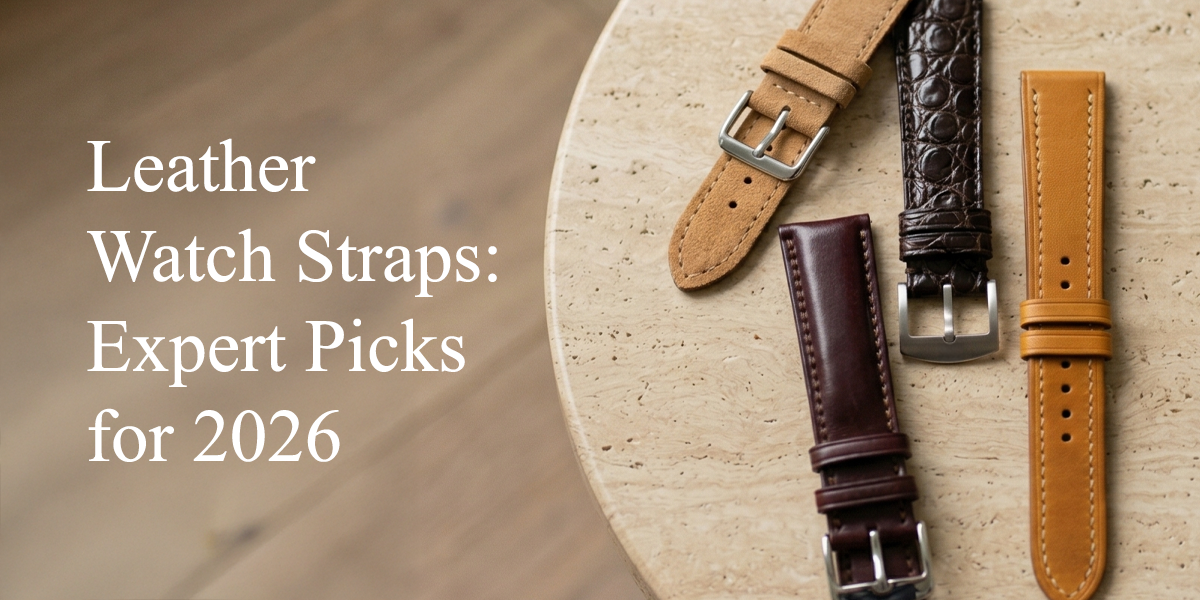
Choosing among the types of leather watch straps can turn your timepiece from ordinary to extraordinary. Attaching watches to leather straps dates back to the
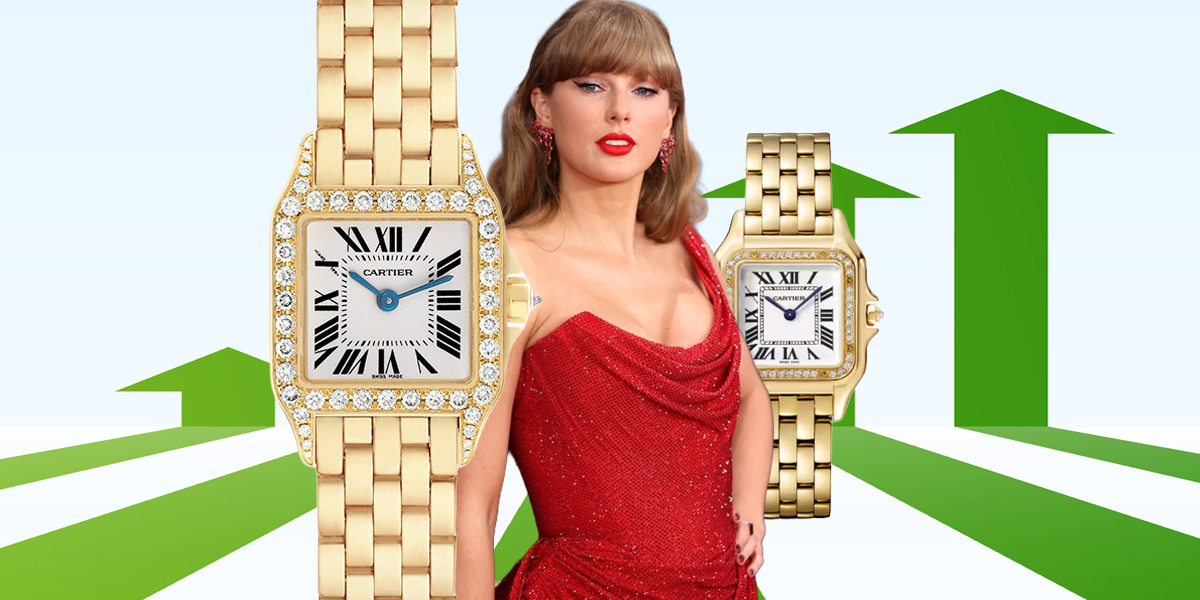
Taylor Swift’s Cartier watch in her viral engagement post turned a discontinued timepiece into the ninth most-liked Instagram post ever. The results were immediate and