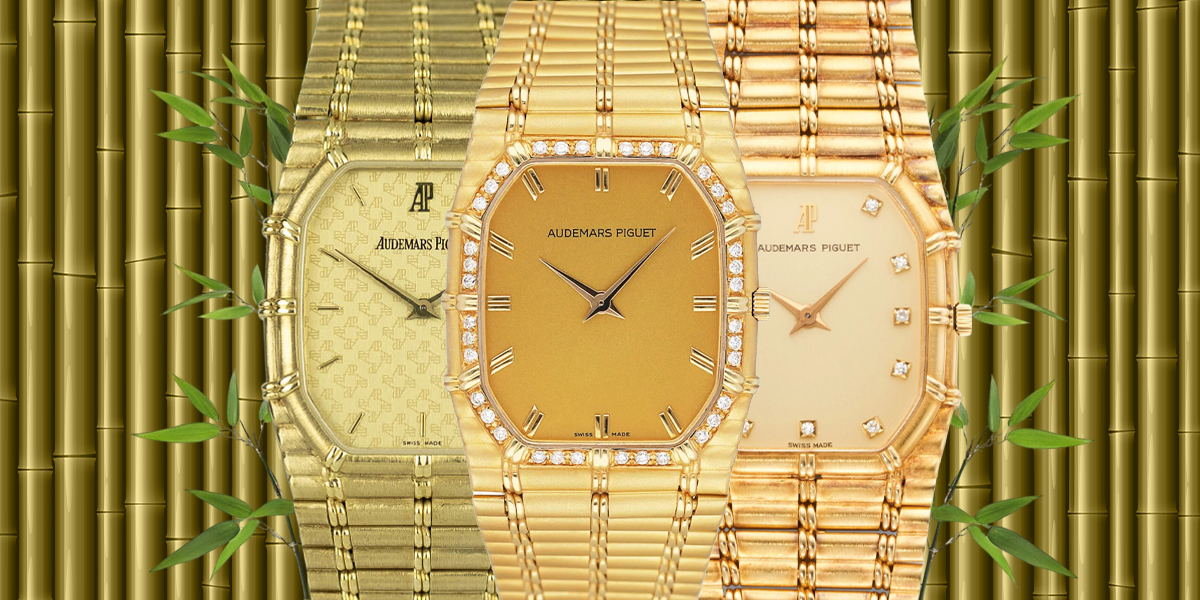
Audemars Piguet Bamboo Review: Why This Vintage Watch Became Every Collector’s Grail
The Audemars Piguet Bamboo has quietly transformed from an obscure 1980s rarity into the ultimate vintage grail. Once slept on compared to other AP models,

The Rolex that Fidel Castro wore during the Cuban Revolution tells an amazing story of historical contradiction. The 32-year-old revolutionary leader chose a Rolex Submariner Reference 6536 from around 1956 as he fought to overthrow dictator Fulgencio Batista in late 1958. The sight of this capitalist status symbol on the wrist of someone who became the face of communist ideology seems almost unbelievable.
Castro’s connection to Rolex watches grew even more fascinating after he seized power. People spotted him greeting crowds in Havana by January 1959, his trusted Submariner still proudly displayed on his wrist. His watch habits soon became legendary. He started wearing two Rolex watches at once. One was usually a GMT-Master that helped him track time between Havana and Moscow with its dual time zone feature. The sort of thing I love is how he explained this unusual practice – it served as a military backup if one watch stopped working. Time precision mattered greatly during operations. This tradition started on December 2, 1956, at the time he gave Rolex watches to his commanders, including Che Guevara. These timepieces earned their place through battlefield toughness.
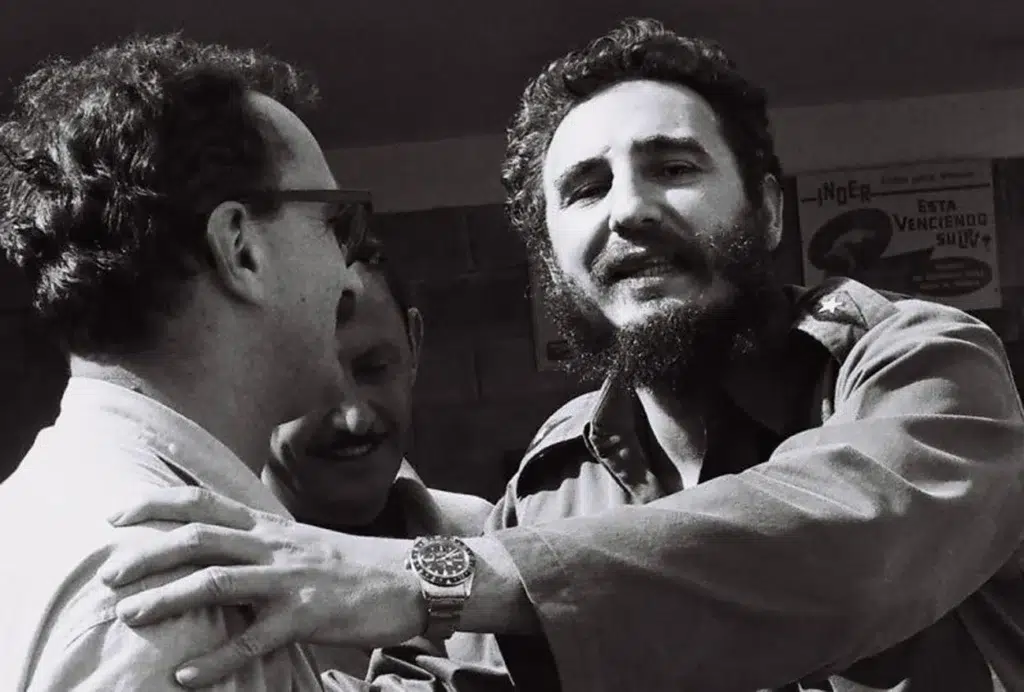
Image Source: Rolex Magazine
Castro’s connection to luxury watches started well before he became Cuba’s communist leader. He got his Rolex Submariner Reference 6536—likely a 1956 model—in ways that remain unclear today. Unlike other political figures who received watches as diplomatic gifts, Castro seemed to think over getting this specific model because it was practical rather than flashy.
The Submariner wasn’t just another watch—it represented state-of-the-art engineering back then. Its waterproof case, rotating bezel for timing, and strong construction made it perfect for military and professional diving. These features proved ideal for a guerrilla fighter working in tough conditions. The watch’s dependability in harsh environments lined up perfectly with what revolutionary warfare needed in Cuba’s diverse landscape.
Castro showed his appreciation for Rolex quality on December 2, 1956. He gave these Swiss timepieces to his most trusted commanders, including Che Guevara. This date marked a key moment in Castro’s watch story and started an interesting tradition within his revolutionary circle. These watches weren’t just accessories—they helped coordinate military operations.
The Submariner never left Castro’s wrist during the revolution. The watch proved its worth time and again as he moved between mountain hideouts and city operations. Photos from January 1959 show Castro still wearing his trusted Submariner when he entered Havana victoriously after overthrowing Batista.
This first Rolex sparked Castro’s later habit of wearing multiple watches. His choice seemed to go against his anti-capitalist message, but it showed his practical approach to timekeeping that later became more symbolic. The reliability of his first Rolex convinced him that Swiss craftsmanship worked better than the Soviet watches he could get after partnering with the USSR.
Fidel Castro’s public image had a peculiar quirk after his rise to power – he wore two Rolex watches at the same time. This strange habit became his signature look, though nobody quite understood why. Photographers couldn’t resist capturing this ironic sight of Cuba’s revolutionary leader sporting multiple luxury timepieces from a capitalist brand.
Castro himself offered the main explanation for his double wristwear. He described it as a military safety measure. A backup watch proved vital during operations since precise timing could determine success or failure. If one watch stopped working at a crucial moment, the second one would keep operations running smoothly.
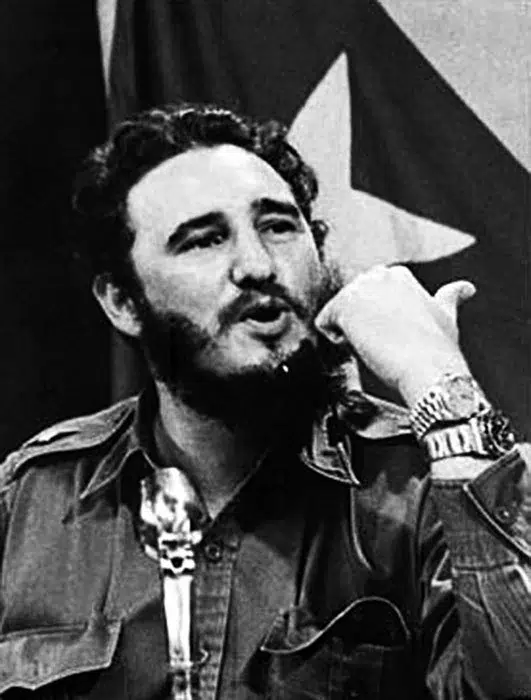
The practical benefits provide another explanation. Castro often paired a GMT-Master with his Submariner. The GMT-Master was built for pilots and travelers with its dual time zone feature. This made perfect sense for someone who needed to stay in touch between Havana and Moscow throughout the Cold War. He could check both local time and his Soviet allies’ time without any calculations.
Historians see a deeper meaning in this habit. The two expensive Swiss watches might have been a subtle display of power that showed Castro lived by different rules than regular Cubans. His love for precision Swiss engineering stood in stark contrast to his anti-capitalist speeches, creating an interesting contradiction that made the mysterious leader seem more human.
Castro started his watch collection on December 2, 1956 – a key date in revolutionary history. He gave Rolex watches to his commanders, showing he understood early on how important accurate timekeeping was in military strategy.
Castro’s double-Rolex tradition became part of who he was, whether he did it for military reasons, diplomatic convenience, or psychological impact. These capitalist status symbols on the wrist of communism’s Caribbean champion remain one of the most striking contradictions in horological history.

Image Source: Rolex Magazine
The Rolex on Castro’s wrist became much more than just a timekeeper. His watch collection started with practical needs but grew into a powerful political symbol that exceeded borders and ideologies during the Cold War.
Rolex watches weren’t luxury items when Castro first got them. “Rolex watches weren’t a status symbol when this picture was taken. They were considered some of the most functional accurate watches of their time (before the quartz era started)”. Revolutionary leaders chose Swiss precision engineering because they needed reliable tools that could withstand battlefield conditions.
In spite of that, the contradiction became clear as years went by. People worldwide were fascinated by communist leaders wearing expensive Swiss watches. “El Lider Maximo was not just a simple Rolex customer. In the end, Castro proved to be an authentic collector”. His collection expanded to include several models: “a Submariner ref. 6536, two GMT-Masters (ref. 6542 & 1675), and a Datejust”.

Castro wasn’t the only one who appreciated capitalist craftsmanship. Rolex became an unexpected status symbol throughout the communist world. “The supreme irony is that Rolex became The International Mark Of Success not only in the West but in the Communist world”. Soviet General Secretary Leonid Brezhnev had a Datejust, “just like his brother-in-spirit Erich Honecker”. “Chairman Mao wore yellow gold Rolex watches”, even though he led the Chinese Communist revolution.
Power’s true nature showed clearly in this strange mix of capitalism and communism on world leaders’ wrists. Critics saw the Rolex as a hypocritical symbol of privilege that went beyond its role as a timepiece—”Castro’s family is well worth over 10 billion dollars at the expense of the Cuban people which still live in misery”. These watches became the ultimate Cold War accessories, symbols of authority on both sides of the Iron Curtain.
Castro’s Rolex collection is one of history’s most intriguing paradoxes. These Swiss timepieces exceeded their basic function and became powerful symbols during the Cold War era. A reliable battlefield companion ended up as a visual symbol of communist leadership’s contradictions.
Castro wore luxury watches while preaching against capitalism, which showed the complex reality behind revolutionary ideologies. Yes, it is worth noting that this wasn’t just Cuba’s leader’s quirk. Communist leaders everywhere—from Brezhnev to Mao—wore these capitalist status symbols while publicly denouncing Western materialism.
The strange bond between communist leaders and their Rolexes shows a basic truth about power. People in authority positions tend to pick similar status symbols, whatever their political beliefs might be. Castro’s habit of wearing two watches reminds us that revolutionary rhetoric often masked more complex personal choices.
These timepieces still stand as quiet witnesses to an era when ideology split the world. Watch lovers and historians find them fascinating even today. Castro’s Rolexes give us a unique way to learn about how personal taste, practical needs, and political messaging came together during one of history’s most volatile times.
Castro initially chose a Rolex Submariner for its practical features, such as water resistance and durability, which were useful during the Cuban Revolution. Later, it became a symbol of power and precision in his leadership.
Yes, Castro was known for wearing two Rolex watches simultaneously. He explained this as a military precaution to ensure accurate timekeeping during operations, with one watch serving as a backup.
Castro owned at least four Rolex models: a Submariner ref. 6536, two GMT-Masters (ref. 6542 & 1675), and a Datejust. His collection grew over time, showcasing his appreciation for Swiss watchmaking.
Castro’s Rolex became a Cold War icon due to the ironic contrast between his communist ideology and his use of a capitalist luxury item. This paradox fascinated observers and symbolized the complexities of power during that era.
The Audemars Piguet Bamboo has quietly transformed from an obscure 1980s rarity into the ultimate vintage grail. Once slept on compared to other AP models,
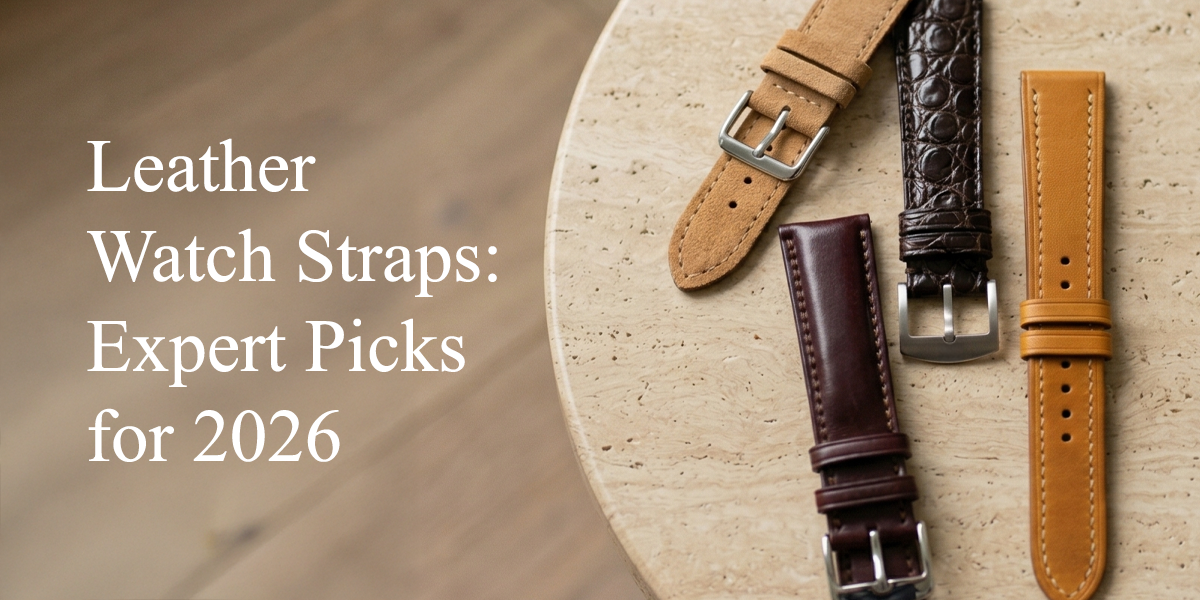
Choosing among the types of leather watch straps can turn your timepiece from ordinary to extraordinary. Attaching watches to leather straps dates back to the
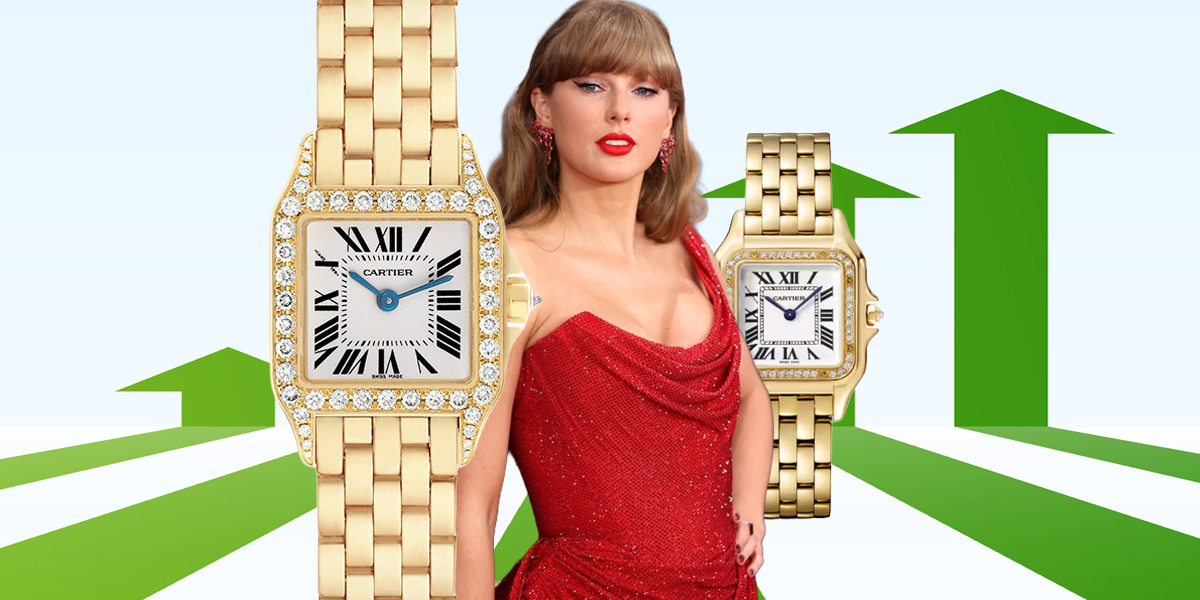
Taylor Swift’s Cartier watch in her viral engagement post turned a discontinued timepiece into the ninth most-liked Instagram post ever. The results were immediate and