Do Engagement Rings Have to Be Diamond? Your Guide to Beautiful Alternatives
Do engagement rings have to be diamond? The answer might surprise you. The tradition of diamond engagement rings dates back to 1477, but diamonds became

Do engagement rings have to be diamond? The answer might surprise you. The tradition of diamond engagement rings dates back to 1477, but diamonds became the standard symbol of eternal love only after De Beers launched its “A Diamond is Forever” campaign in 1947. You have nowhere near as few choices as conventional wisdom suggests. Gemstone engagement rings grow more popular for their vibrant colors and lower costs. This piece explores why diamonds became the norm, the benefits of choosing alternative gemstones, and how to select a stone that reflects your personal style and values.
No hard rules dictate what your engagement ring must look like. Diamonds remain popular, with over 86% of engagement rings featuring them as center stones, but this statistic reflects preference rather than requirement. Your choice depends on what strikes a chord with you and your partner.
The belief that engagement rings require diamonds stems from marketing rather than tradition. Lab-grown diamonds are chemically and physically similar to natural diamonds. They offer one alternative that maintains the diamond look. But you can venture way beyond the reach and influence of this option.
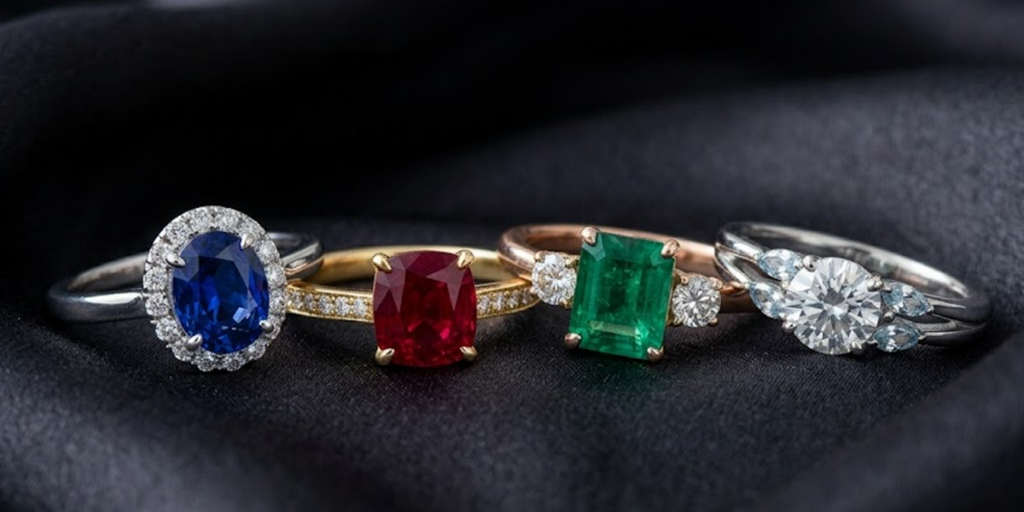
Colored gemstones like sapphires and emeralds provide alternatives that many couples now adopt. Moissanite and morganite offer additional choices for those seeking something different. 75% of customers surveyed would still choose moissanite over diamonds even if money were no object. This move in priorities reflects changing values rather than budget constraints alone.
Environmental and ethical concerns drive many decisions. Research shows that 96% of people ages 18 to 34 express concern about the social and environmental implications of the diamond industry. Alternative stones appeal to those who prioritize sustainability and ethical sourcing as a result.
Plain bands without any center stone also qualify as engagement rings. Metal-only designs can be sleek or sculptural. They can feature engraved details. Some couples find this minimalist approach more practical for everyday wear.

Heirloom and vintage rings have gained popularity. These pieces carry character and history. They bring sentimental value. A family ring or pre-owned piece adds layers of meaning while supporting sustainability.
You can even propose without a ring at all. Some couples opt for bracelets or necklaces. Others present an unset gemstone and design the ring together afterward. The proposal itself matters more than checking boxes on outdated expectations.
Your engagement ring needs to accomplish only one thing: represent your commitment to your partner. The characteristics should strike a chord with your specific relationship rather than conform to external standards.
Personal meaning outweighs prescribed tradition. A sapphire might remind you of where you first met. An emerald could symbolize growth and new beginnings. Birthstones add personal significance. The symbolism you assign matters more than conventional associations.
Your ring should reflect who you are. Choose diamonds if you connect with them. Select colored gemstones if they speak to you instead. A simple band works if you prefer understated designs. Your personal style and values guide the decision.
Budget considerations play a legitimate role. Spending less on a ring doesn’t diminish your commitment. Many couples prefer investing in experiences like honeymoons or saving for homes rather than expensive jewelry. This practical approach makes sense for many relationships.
The durability required depends on your lifestyle. Certain gemstones withstand daily wear better than others. This matters for rings worn constantly. But protection settings can accommodate softer stones if you love a particular gem.
Your partner’s preferences deserve the most weight. Some people dream of traditional diamond solitaires. Others want unique, colorful designs. Many appreciate being involved in the selection process. Open conversations about expectations prevent disappointment and ensure satisfaction.
The ring serves as a symbol, not a measure of love. You might choose a five-carat diamond or a plain band. The meaning behind it defines its value. Your commitment remains constant whatever the ring’s appearance or cost.
To understand why diamonds dominate engagement rings, you need to look at centuries of tradition mixed with masterful 20th-century marketing. The story involves royal romance, economic strategy and cultural manipulation that created expectations lasting to this day.
Ancient Rome created early engagement ring traditions with betrothal rings featuring attached keys that symbolized ownership and commitment. These simple bands are the foundations of rings representing marital promises, though diamonds weren’t part of the equation yet.
The first recorded diamond engagement ring appeared in 1477 when Archduke Maximilian of Austria presented one to Mary of Burgundy. This royal gesture sparked interest among European aristocracy, but diamonds remained exclusive to nobility for centuries after.
Victorian engagement rings took a different approach. The sentimental Victorians favored ornate designs that mixed diamonds with other gemstones and precious metals. Craftsmen shaped these “posey rings” into floral patterns and created pieces valued for artistry rather than diamond dominance. Edwardian-era rings continued this tradition and paired diamonds with other jewels in delicate filigree settings.
Diamonds remained rare and expensive until South African mines opened in the late 19th century. This finding flooded markets with diamonds for the first time and altered availability and pricing dramatically. British businessmen who operated these mines recognized that they could protect investments and sustain high prices only by keeping up the appearance of a lack of supply. They launched De Beers Consolidated Mines in 1888 to control all facets of the diamond trade.
Economic hardship during the 1930s devastated diamond sales in the United States. Before World War II, only 10% of American engagement rings contained diamonds. The tradition you might assume stretches back centuries was uncommon less than a century ago.
De Beers hired the New York advertising agency N.W. Ayer in 1938 to revive diamond sales. The campaign didn’t market diamonds themselves or De Beers as a brand. N.W. Ayer promoted the idea of diamonds as symbols of eternal love instead. They gave diamonds to movie stars and arranged interviews that highlighted diamonds as romance symbols. This strategy included getting Marilyn Monroe to sing “Diamonds Are a Girl’s Best Friend” in the 1953 film Gentlemen Prefer Blondes.
Frances Gerety, a young copywriter at N.W. Ayer, created the phrase “A Diamond is Forever” in 1947 after weeks of brainstorming. The slogan connected diamonds with everlasting commitment and transformed them from luxury items into relationship necessities. Diamond sales increased by 50% within three years of the 1930s campaign launch.
The results were staggering. De Beers’ wholesale diamond sales in the United States jumped from $23 million to $2.1 billion between 1939 and 1979. 80% of first-time brides received diamond engagement rings by 1990, compared to just 10% in 1940. De Beers even quantified the expected spending and suggested men invest two months’ salary in engagement rings by the 1980s.
Beyond marketing, certain diamond characteristics supported their engagement ring appeal. Diamonds rank as the hardest natural material and make them durable for daily wear. This durability allowed De Beers to position diamonds as symbols of permanent commitment.
The sparkle and purity of diamonds became metaphors for relationship depth. Their brilliance catches light in ways other gemstones don’t replicate and creates visual impact that photographs well and draws attention. These physical properties, coupled with decades of messaging that linked diamonds to love, created cultural expectations that persist even as alternatives gain ground.
Alternative gemstones solve several practical concerns while offering esthetic appeal that rivals traditional diamonds. The reasons extend beyond simple preference into tangible benefits affecting your budget, values and daily life.
Many alternatives deliver exceptional beauty at available price points. You can purchase an impressive colored stone that stands out on your finger for the same price you’d pay for a small diamond. Moissanite costs a fraction of diamond prices while maintaining visual similarity and exceptional durability. Lab-grown diamonds price 30-40% less than mined diamonds and offer similar chemical and physical properties.
Colored gemstones increase in price more gradually than diamonds. This makes larger stones financially available. A one-carat sapphire or emerald of excellent quality costs less by a lot than a comparable diamond. Quartz options run just 1-5% of diamond costs, and spinel costs 10-20% of equivalent diamonds. This pricing difference means you can invest in a larger center stone or allocate savings toward other priorities such as honeymoons or home purchases.

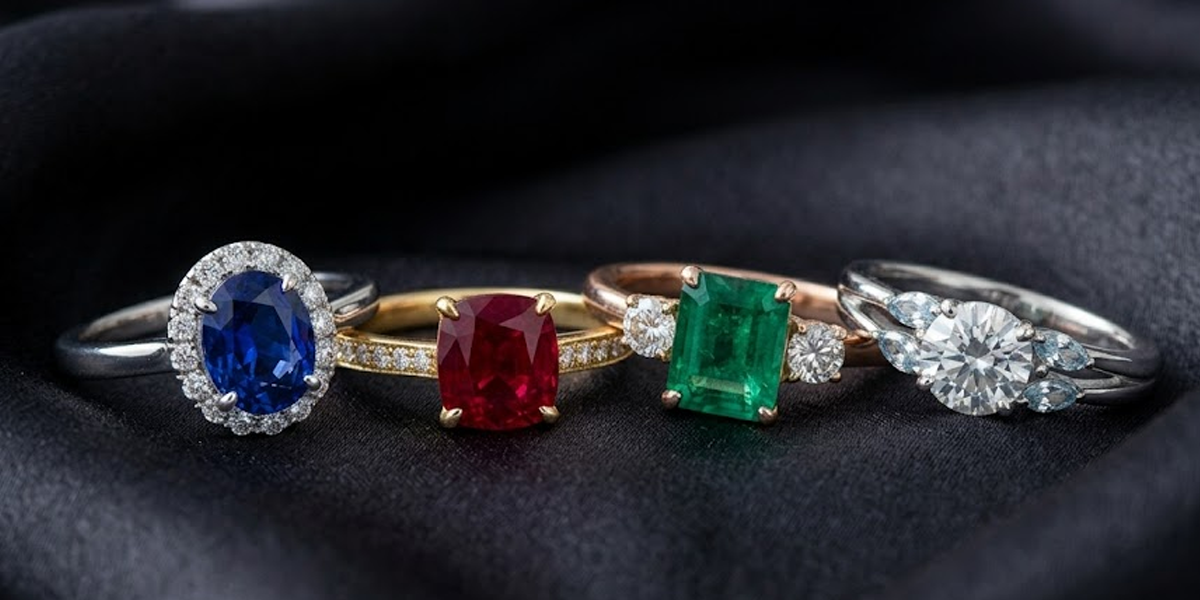
Gemstones carry distinct meanings that allow personal expression beyond conventional choices. Sapphires symbolize loyalty and trust. Emeralds represent growth and renewal. Rubies embody passion and strength. Morganite expresses love and emotional healing. Moissanite embodies inner strength and resilience, connecting wearers to infinite possibilities through its cosmic origins.
Alternative stones provide personality and color variety unavailable with traditional diamonds. Each stone creates conversation starters reflecting individuality rather than conforming to expectations. Choosing a gemstone that strikes a chord with your relationship’s essence creates deeper significance than following prescribed traditions.
Much of colored gemstones come from small-scale, artisanal mining operations. These operations disrupt environments less than heavily-mechanized diamond mining and benefit local communities more. Colored gemstones create opportunities to lift people out of poverty worldwide with lower barriers to entry than the diamond industry.
Lab-grown diamonds and moissanite eliminate mining concerns through laboratory creation. These stones avoid issues associated with conflict diamonds while providing transparency in production. Mine-to-market gemstones provide full traceability and document exact origins, cutting processes and supply chain trips. Countries such as the United States, Canada and Australia maintain positive reputations for ethical gemstone mining thanks to stringent labor and environmental laws.
Sapphires and rubies rank 9 on the Mohs hardness scale. This makes them the second hardest gemstones after diamonds and highly suitable for everyday wear. Moissanite scores 9.25 on the Mohs scale and surpasses even sapphires in durability. Stones with Mohs hardness of 7 or higher provide optimal durability for engagement rings worn daily. Spinel, aquamarine and certain tourmaline varieties provide sufficient toughness for regular use when set properly.
Colored gemstones and diamond alternatives present distinct visual characteristics that set them apart from traditional choices. Each option brings unique appeal.
Sapphires carry royal heritage dating back centuries. Princess Diana’s iconic 12-carat Ceylon sapphire engagement ring, now worn by Kate Middleton, sparked a trend in colored stones. This made sapphire clusters among the most popular engagement ring options. Princess Anne received sapphire engagement rings from both her husbands. The rings featured classic three-stone and cabochon designs. Princess Eugenie’s rare padparadscha sapphire measures 3-4 carats and is surrounded by diamonds. It showcases the pink-tinted variety that changes color in different lights. Sapphires come in pink, yellow, green and white varieties beyond blue. White sapphires offer a colorless appearance like diamonds.

Emeralds deliver rich green hues ranging from bluish green to pure green. Chromium and vanadium within their crystal structure create this color. This distinctive color represents growth, harmony and eternal love. Each emerald has unique character from internal features called jardin (French for garden). High-quality emeralds with vivid color and minimal inclusions can command higher prices than diamonds of the same size.
Rubies showcase red hues from orangey red to purplish red. The most coveted shade is called “pigeon’s blood” red and features rich, saturated color with medium tone. Rubies symbolize passion, love and courage. Sanskrit speakers know them as ratnaraj, meaning “king of precious stones”. Natural rubies from Myanmar (Burma) are prized, untreated stones showing strong natural fluorescence most of all.
Moissanite offers exceptional brilliance and fire at available costs. A 2-carat moissanite costs around $1,000. Its refractive index exceeds that of diamonds and creates more rainbow-like flashes. Labs create all moissanite, which provides a mining-free option. Larger moissanites can appear noticeably different from diamonds due to their prominent fiery dispersion.
Morganite ranks as the second most popular gemstone for engagement rings behind blue sapphire. Its soft pink to peach tones create romantic, feminine appeal. Vibrant pink morganites hold more value than lighter blush or champagne tones. Rose gold settings complement morganite’s natural glow and intensify it.
Aquamarine brings serene blue-to-blue-green hues that symbolize clarity and harmony. Santa Maria aquamarine from Brazil is prized for its intense blue tone. Alexandrite displays color changes from greenish in daylight to reddish-purple under incandescent light. Spinel comes in nearly all rainbow colors. Red and cobalt blue varieties are most sought after, while neon hot pink “Jedi” spinels from Myanmar are prized for their electric glow.
Matching gemstone properties to how you live your life helps you select the right stone. Your daily activities, esthetic priorities, financial priorities, and willingness to maintain jewelry all influence which stones work best for you.
The Mohs scale measures gemstone hardness from 1 (softest) to 10 (hardest) and determines scratch resistance and longevity. Diamonds top the scale at 10. Sapphires and rubies rank 9, which makes them very durable for high wear. Moissanite rates 9.25 and places just below diamonds. Choose gemstones with Mohs hardness of 8 or higher for everyday rings. Softer stones like emeralds (7.5-8), morganite and aquamarine require protective settings but can handle daily wear with proper care. Stones below 7.5 need extra attention or occasional wear only.
Stone selection should suit your partner’s preferred style and personality. Think about whether classic cuts or modern shapes better reflect individual taste. Color choice connects to personal expression, wardrobe priorities and the symbolism you want your ring to convey.
The 4 Cs drive gemstone pricing. Color saturation increases value by a lot in colored stones. Clarity matters less in darker gems where inclusions hide. Cut quality maximizes brilliance but raises costs. Carat size affects price, and higher-quality gems command premium prices.
Diamonds, sapphires and rubies are durable, safe for daily wear and accept most cleaning solutions. Emeralds, morganite and aquamarine need protective settings and chemical-free cleaning to preserve color. Opals and tanzanite are fragile, damaged with ease, not water-resistant and unsuitable for daily wear. Proper professional cleaning once or twice yearly checks stone security.
Your engagement ring choice belongs entirely to you and your partner. Diamonds remain popular, but alternative gemstones offer vibrant colors and ethical sourcing with substantial cost savings. Beauty and durability stay intact. Sapphires, moissanite, emeralds and other options provide unique symbolism that reflects your personal story rather than marketing-driven expectations.
Selecting a stone that strikes a chord with your values and lifestyle is the most important thing to think over. You might choose a traditional diamond, a colorful sapphire, or a simple metal band. The meaning behind your ring matters more than conforming to outdated standards. Your commitment remains the same whatever stone catches your eye.
Do engagement rings have to be diamond? The answer might surprise you. The tradition of diamond engagement rings dates back to 1477, but diamonds became
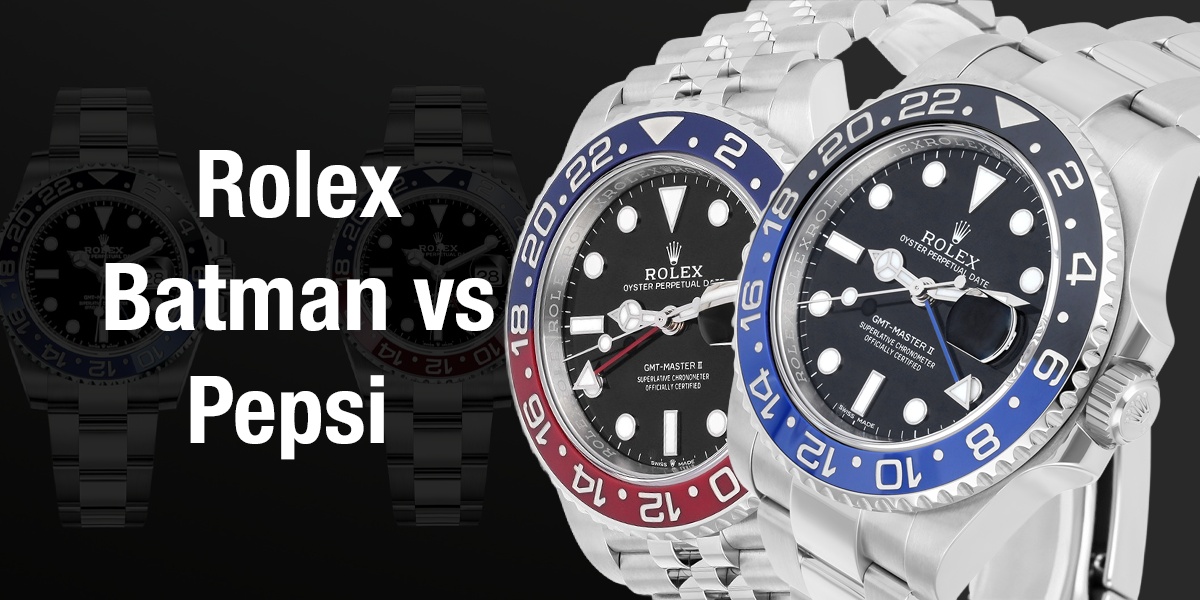
The choice between the Rolex Batman vs Pepsi goes beyond bezel colors. These two GMT-Master II models share similar technical specifications but trade at vastly
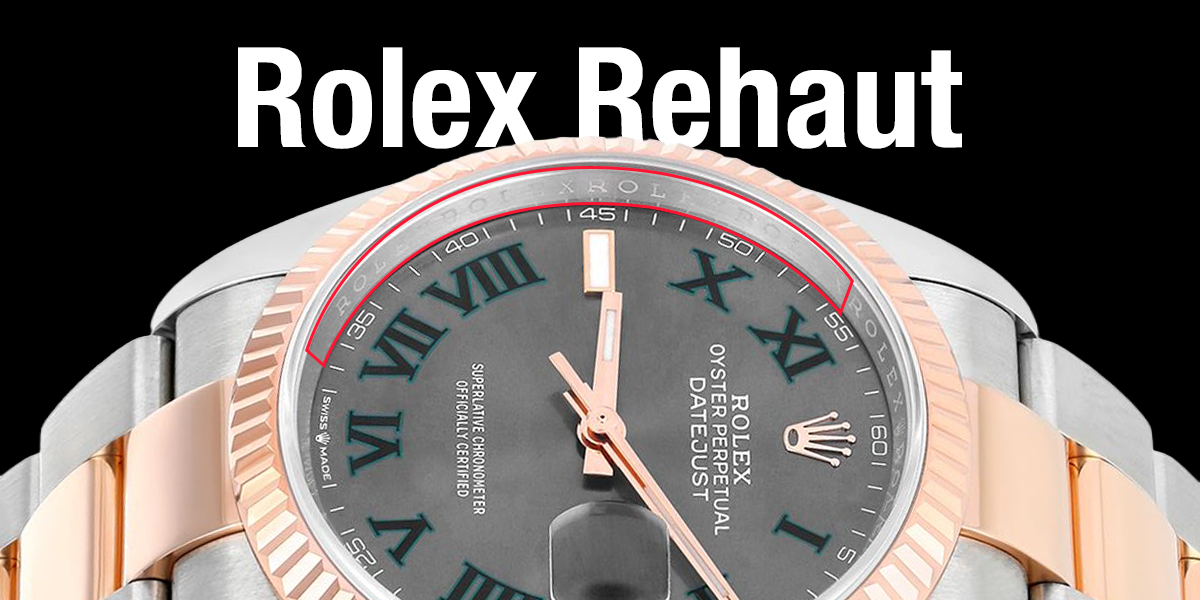
What is a Rolex Rehaut? A Rolex rehaut is the inner ring that surrounds the dial and sits between the watch face and the crystal.