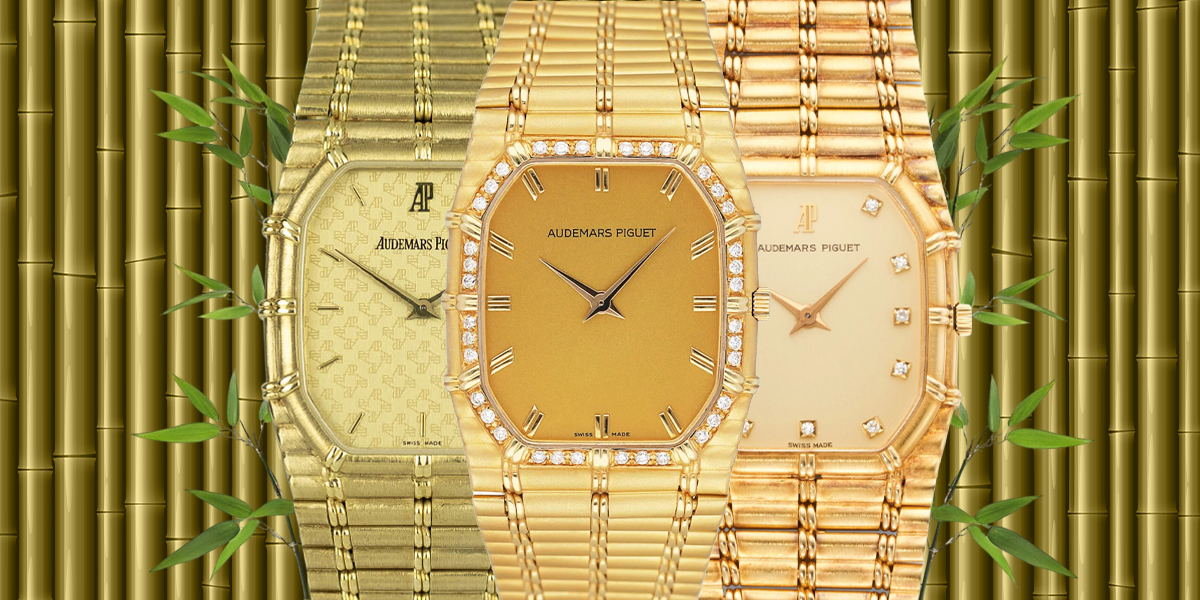
Audemars Piguet Bamboo Review: Why This Vintage Watch Became Every Collector’s Grail
The Audemars Piguet Bamboo has quietly transformed from an obscure 1980s rarity into the ultimate vintage grail. Once slept on compared to other AP models,

Choosing between Audemars Piguet and Rolex means picking from two giants in the luxury watch world. Rolex has become the most recognizable luxury watch brand globally. AP has built its name by pioneering avant-garde watch design.
The numbers tell an interesting story. Rolex makes about 1-1.2 million watches every year, while AP produces just 50,000. This lack of availability definitely affects their prices and exclusivity. AP watches come with a much higher entry-level price than Rolex, but both brands are a great way to get investment value. Rolex watches keep their value better than any other brand and some models even grow in value. AP watches, though more expensive, still do well in the resale market.
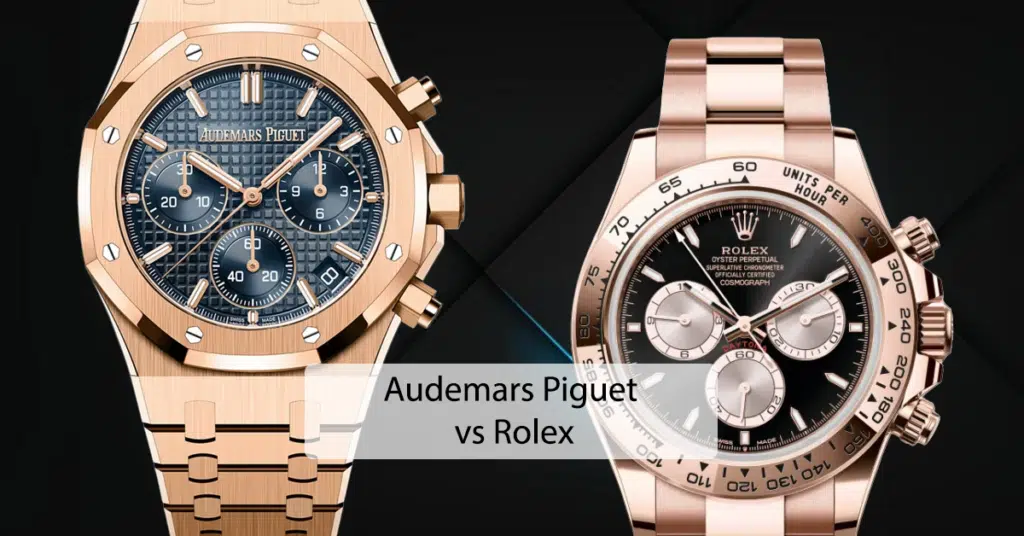
You might be buying your first luxury watch or growing your collection. The brand’s ability to hold its value is a vital factor to think over before making your choice. This piece compares everything from brand status and craftsmanship to prices and investment potential. It will help you pick the right horological masterpiece for your wrist—and your portfolio.
Rolex reigns supreme as the king of brand recognition in luxury timepieces. The brand has become a symbol of success and achievement in the luxury watch world. Their smart marketing moves, including sponsorships of elite sporting events and partnerships with famous personalities in any discipline, have secured this position.
AP takes a different path in the market. The brand might not share Rolex’s widespread fame, but watch enthusiasts and serious collectors hold it in high regard. AP belongs to the “Holy Trinity” of Swiss watchmaking with Patek Philippe and Vacheron Constantin. This elite status has stayed out of Rolex’s reach despite its massive popularity.
These brands operate on vastly different scales. Rolex crafted about 1.24 million timepieces in 2023, with sales exceeding USD 10.5 billion. This achievement made Rolex the first Swiss watch brand to cross the CHF 10 billion mark.
AP runs a much smaller operation, creating just 50,000 watches each year. This limited production helps AP maintain exclusivity that Rolex can’t match, even with careful supply control. You just need to build a real connection with the brand to get a sought-after AP model, rather than simply joining a waitlist.
Each brand’s target market reflects its unique position. Rolex built its empire on tough, precise watches that grew into worldwide status symbols. Its rock-solid reputation attracts a wide range of people looking for recognizable luxury.
AP speaks to a different crowd – people who value bold design, watchmaking breakthroughs, and artistic skill. The brand has developed strong ties in entertainment and sports circles. Hip hop culture embraces AP, with stars like Jay-Z and LeBron James often seen wearing the Royal Oak.
The biggest difference between these brands boils down to this: Pick Rolex if you want “the king of available luxury, a watch respected in every corner of the globe.” Choose AP to get “a ticket into an exclusive club” where ownership shows you’re a serious collector.
A luxury timepiece’s true essence lies in its movement – the beating heart that shapes its character and defines its worth.
These horological giants show remarkable differences in their movement creation time. Rolex craftsmen spend about 3-6 hours on each timepiece. Their focus remains on precision engineering and consistency as they produce a million watches yearly. Audemars Piguet takes a different approach. Their artisans dedicate 30-99 hours to each watch. This extended time allows them to create exceptional finishes and intricate details that mass production simply cannot achieve.
The finishing techniques reveal two distinct philosophies. Rolex uses advanced machinery to create uniform and durable timepieces. Their movements excel in reliability. AP’s approach stands in stark contrast. Their movements showcase detailed hand-finishing that includes anglage (beveled edges), perlage (circular graining), and Côtes de Genève (decorative stripes). These painstaking processes turn functional parts into miniature masterpieces that collectors can admire through exhibition casebacks.
The complexity of these watches tells another fascinating story. Rolex focuses on reliable, practical complications like chronographs and GMT functions. Their innovations include the Parachrom hairspring that withstands magnetic fields and temperature variations. AP challenges horological limits with grand complications. Their tourbillons, perpetual calendars, and minute repeaters represent watchmaking artistry at its finest.
The cost of ownership sets these watchmaking giants apart.
The price range between these brands shows a big gap. Rolex’s entry-level models start at $5,000 for the Oyster Perpetual and can go beyond $100,000 for precious metal pieces like the Day-Date. Audemars Piguet’s most basic models start at $10,000 and reach $450,000 for their complex pieces. AP watches cost five times more than Rolex on average ($50,000 vs. $10,000). Getting a Rolex Daytona at retail ($13,150) is almost impossible now. This has pushed secondary market prices to around $25,900.
Materials play a key role in both looks and value. Rolex uses its own Oystersteel to ensure durability and steady production. AP takes a different approach with a wider range of materials like ceramic, titanium, and platinum. These premium materials help position AP at a higher price point. Titanium watches need special manufacturing and cost more. Ceramic offers better scratch protection, while platinum stands at the peak of luxury with very high prices.
Limited production models create unique market conditions. Collectors rush to buy these rare pieces. Special collaborations and commemorative editions turn watches into wearable art. Anniversary models with historical importance tend to become much more desirable.
The largest longitudinal study of luxury watches reveals some fascinating market dynamics between these horological heavyweights.
Market performance numbers show Rolex’s impressive command of 34.2% of global secondary market transaction volume. Rolex dominates the luxury watch resale world completely. Pre-owned Rolex Daytona prices reached $48,500 at market peaks in 2022—228% above retail. Audemars Piguet holds a smaller 4% market share but saw its prices triple between 2019-2022.
Rolex stands out for its liquidity. Popular models are “incredibly easy to sell quickly”. The Submariner or GMT works “like cash in the secondary market”. These models find buyers within hours in any major city. AP watches have strong but more specialized demand. Royal Oaks sell easily, but the market spreads get wider during downturns.
The battle for appreciation shows interesting contrasts. Steel Royal Oaks showed extraordinary potential. Vintage “Jumbo” models now fetch over $1 million at auctions. Steel Daytonas ($13,150 retail) trade around $25,900 on secondary markets regularly. AP prices might drop 20-35% during corrections but bounce back strongly once markets stabilize.
The watch market’s volatility stays remarkably low at 3.90% annually. AP’s returns averaged 11.68% annually, which nearly matches equity markets’ 12.85%. Rolex offers safer, consistent performance. AP presents higher risk-reward potential that suits sophisticated collectors better. The sort of thing I love about investment wisdom suggests: “Rolex protects your base. AP multiplies your potential”.
|
Comparison Criteria |
Rolex |
Audemars Piguet |
|
Production & Scale | ||
|
1-1.2 million watches |
50,000 watches | |
|
Market Recognition |
Most recognized luxury watch brand worldwide |
Part of “Holy Trinity” of Swiss watchmaking |
|
Craftsmanship | ||
|
Movement Production Time |
3-6 hours per watch |
30-99 hours per watch |
|
Finishing Approach |
Machine-made with focus on consistency |
Hand-finished with intricate techniques |
|
Main Complications |
Chronographs, GMT functions |
Tourbillons, perpetual calendars, minute repeaters |
|
Pricing | ||
|
Entry-Level Price |
Starting around $5,000 |
Starting around $10,000 |
|
Average Price Point |
$10,000 |
$50,000 |
|
Market Performance | ||
|
Secondary Market Share |
34.2% of global transactions |
4% of global transactions |
|
Market Liquidity |
Very high, “like cash” |
Strong but more specialized |
|
Investment Profile |
Safer, steady performance |
Higher risk-reward potential |
|
Materials | ||
|
Main Materials |
Oystersteel |
Ceramic, titanium, platinum |
A deep look at these horological giants reveals that their value retention really depends on your investment goals and collecting philosophy. Rolex dominates with remarkable market stability and controls over 34% of secondary market transactions while offering steady appreciation potential. Their watches are basically liquid assets—you’re wearing money on your wrist.
AP offers a different kind of investment opportunity. Production numbers are nowhere near Rolex’s (50,000 vs 1.2 million annually), which creates a natural lack of supply and drives exclusivity. AP’s watches, especially the Royal Oak, showed extraordinary appreciation during market peaks, though prices tend to swing more widely during corrections.
The difference in craftsmanship plays a vital role in long-term value retention. Rolex excels at precision engineering and reliability through sophisticated machinery. AP’s approach involves 5-10 times more watchmaker hours per timepiece with meticulous hand-finishing techniques. This fundamental difference explains both the big price gap and different investment paths.
Your choice between these prestigious manufacturers depends on several factors: immediate recognition vs horological prestige, accessibility vs exclusivity, and steady appreciation vs higher growth potential. Rolex is the safer bet—it’s a universally recognized luxury status symbol with remarkable liquidity and consistent performance. AP is more of a connoisseur’s choice—a sophisticated investment that needs greater market knowledge but could yield better returns.
The investment wisdom is clear: Rolex protects your capital while AP stimulates your growth potential. Your decision should line up with both your financial goals and personal connection to these masterpieces. Note that all but one of these brands represent extraordinary craftsmanship that exceeds mere timekeeping. They are a great way to get tangible luxury assets that you can enjoy daily while potentially growing in value over time.
The Audemars Piguet Bamboo has quietly transformed from an obscure 1980s rarity into the ultimate vintage grail. Once slept on compared to other AP models,
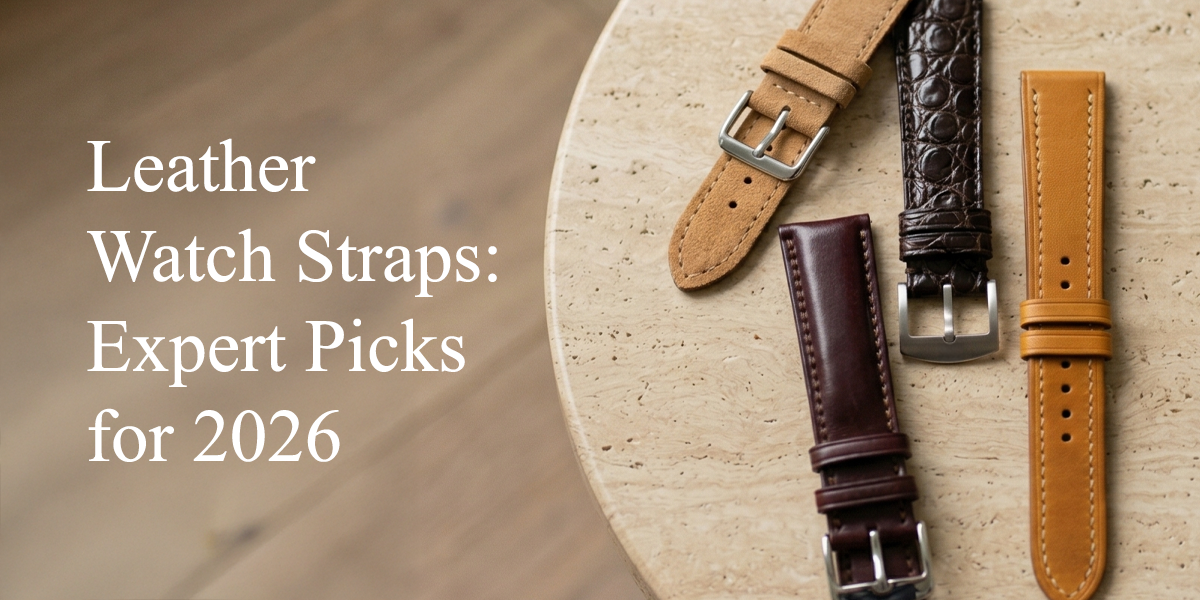
Choosing among the types of leather watch straps can turn your timepiece from ordinary to extraordinary. Attaching watches to leather straps dates back to the
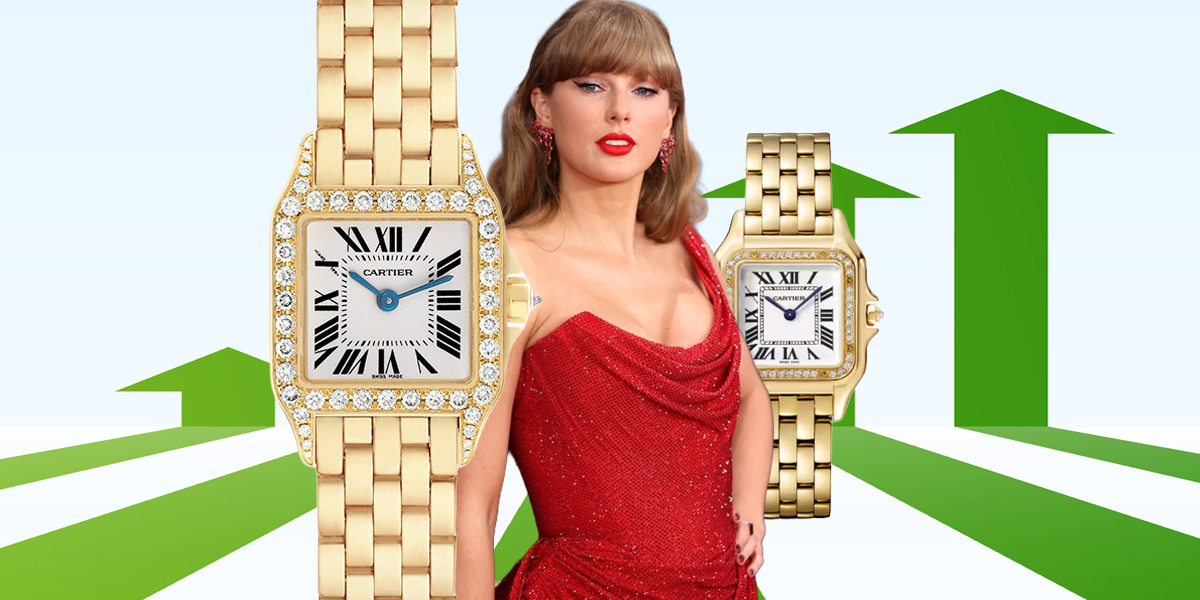
Taylor Swift’s Cartier watch in her viral engagement post turned a discontinued timepiece into the ninth most-liked Instagram post ever. The results were immediate and