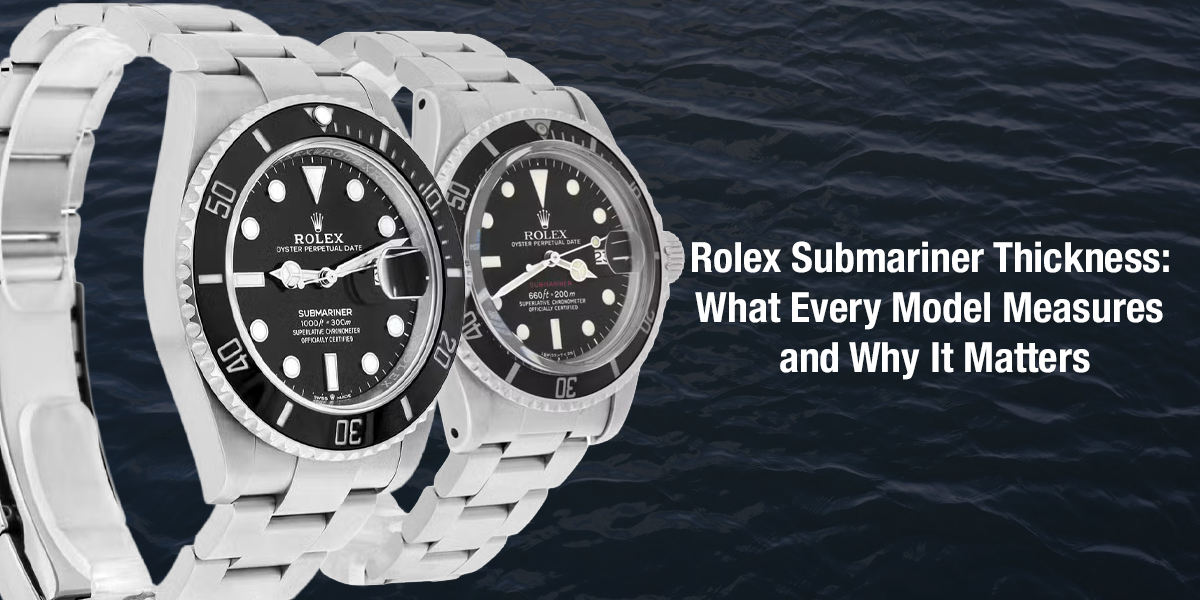
Rolex Submariner Thickness: What Every Model Measures and Why It Matters
The Rolex submariner thickness has varied by a lot throughout its history. It ranges from 12.2mm to 15.2mm depending on the model and era. This

Patek Philippe’s Aquanaut and Nautilus models spark some of the most heated debates in luxury watchmaking. These iconic watches come from a brand that makes just 50,000 pieces yearly. The Nautilus, which debuted in 1976, is now so popular that buyers wait up to eight years for stainless steel models. Legendary designer Gérald Genta created this masterpiece. The Aquanaut arrived in 1997 as a more relaxed option and quickly built its own following. Drake’s choice of an Aquanaut Chronograph Reference 5968A shows its appeal among celebrities.
Both watches share a 40mm case size but deliver unique esthetics and experiences. People often call the Nautilus the “Birkin bag of watches.” Its submarine porthole-inspired octagonal case commands prices up to S$121,824 for the sought-after 5711/1A model. The Aquanaut takes a fresh approach with its “tropical” composite rubber strap. This material stands up to salt water and UV radiation – perfect for active users. The S$68,900 price tag makes it more available than its older sibling. Your choice between these Patek Philippe icons should depend on their design, functionality, and investment value.

The rise of Patek Philippe’s Nautilus and Aquanaut shows two different chapters in luxury sports watchmaking. Each model perfectly captures the spirit of its time.
The Nautilus story started when legendary designer Gérald Genta sketched its unique shape at dinner as he watched Patek Philippe executives across a restaurant. Patek Philippe launched the Nautilus in 1976 with its groundbreaking porthole-inspired octagonal bezel and horizontal embossed dial. The original reference 3700/1A earned its nickname “Jumbo” thanks to its bold 42mm size – quite large for that time. The watch’s design took inspiration from ship windows, and its case featured distinctive “ears” that looked like porthole hinges. The brand’s bold tagline “One of the world’s costliest watches is made of steel” challenged what people thought about luxury watches.
The dot-com boom of the late 90s created an opportunity. Patek Philippe wanted to attract younger collectors, so they launched the Aquanaut in 1997. The first model, Reference 5060A, came with a 35.6mm steel case and cost about $5,000 – that’s roughly $9,300 in today’s money. The watch made history as Patek’s first timepiece with a rubber strap. The development took more than a year and tested over twenty different materials. This special “Tropical” strap could handle saltwater, UV rays, and bacteria. The company even got FDA approval for its hypoallergenic properties.
Patek Philippe openly acknowledges the Aquanaut’s design connection to the Nautilus. You can see this connection clearly in the 1996 Reference 5060/SJ, which collectors call the “Proto-Aquanaut”. The Aquanaut kept the porthole-inspired case shape but added its own twist with a checkerboard dial pattern. Watch enthusiasts nicknamed this pattern “chocolate bar” – quite different from the Nautilus’s horizontal grooves. The design team cleverly matched this pattern on the rubber strap, creating a seamless look. People used to call it “the poor man’s Nautilus” because it cost less, but the Aquanaut has now built its own loyal following.

Physical differences between the Nautilus and Aquanaut make these timepieces stand out on the wrist.
Gerald Genta’s iconic design shines through the Nautilus’s octagonal bezel with rounded corners and distinctive “ears” on both sides that look like a ship’s porthole hinges. The unique three-part case construction creates an architectural profile you can spot from across a room. The Aquanaut keeps the rounded octagonal bezel but takes a simpler approach. It removes the side hinges to create a cleaner, more contemporary silhouette with smooth contours and a modern look.
These watches show a striking difference face-to-face. The Nautilus’s signature horizontally embossed dial has parallel grooves that catch light beautifully. The Aquanaut, on the other hand, shows off a distinctive checkerboard or “geosphere” pattern that resembles longitude and latitude lines. This grid texture adds visual depth and a tactile appearance to the Aquanaut, and the pattern flows onto the strap for a unified design.
The bracelet choices highlight the biggest difference between these models. The Nautilus comes with either a carefully crafted integrated bracelet—needing 55 different hand-finishing steps—or a luxury leather strap. The Aquanaut brought something new to the table with Patek’s first rubber strap. This revolutionary “Tropical” composite uses over 20 materials and took more than a year to develop. The innovative strap resists saltwater, UV damage, and bacteria.
Both models measure around 40mm in diameter, but they feel quite different on the wrist. The Nautilus looks larger, spanning 43mm from wing tip to wing tip and 44mm lug to lug. The Aquanaut sits slimmer on the wrist despite its more robust appearance. The Nautilus’s bracelet has a unique fit too – it doesn’t drop down at 90 degrees like regular watches. Watch enthusiasts should try both models on to feel the difference.
The Nautilus and Aquanaut’s true beauty lies beneath their stunning exteriors, where Patek Philippe’s remarkable craftsmanship shines through their mechanical hearts.
These Patek Philippe icons differ primarily in their movements. Modern Nautilus models typically feature the Caliber 315 SC, a self-winding movement that runs at 21,600 vibrations per hour and provides about 48 hours of power reserve. The newer Aquanaut models come with the more recent Caliber 324 S C. This movement keeps the same frequency but adds Patek’s patented Gyromax balance and Spiromax balance spring to boost precision.
Both movements showcase stunning finishes from hand-polished bevels to Geneva stripes. The 324 S C shows Patek’s latest advances in watchmaking technology with better shock resistance and improved daily accuracy. The thickness of these movements plays a key role in the overall case size, and the Aquanaut sits more sleekly on the wrist.
Both collections offer excellent quartz options. The Aquanaut Reference 5067A features a modern 35.6mm case that works perfectly for smaller wrists and uses Patek’s E 23-250 S C quartz movement. The Nautilus collection answers with Reference 7010/1R, which blends rose gold luxury with quartz precision.
These quartz models keep their mechanical counterparts’ distinctive looks while adding practical benefits – they need no winding and keep better time.
The collections stand apart in their advanced features:
The Nautilus stands out with classic complications like Reference 5712’s power reserve indicator, date, and moon phase displays. The Aquanaut series focuses on modern, practical features. Reference 5164A Travel Time offers dual timezone function, while the sporty 5968A Chronograph catches eyes with bright orange accents.
Each collection reflects its unique identity through complications. The Nautilus delivers traditional horological refinement, and the Aquanaut provides modern functionality for active lifestyles. These differences set these two iconic Patek Philippe families apart beyond their looks.
These horological masterpieces reveal their allure through their financial aspects as much as their design or mechanics.
The price gap between these icons runs deep. New Nautilus models start between $30,000-$40,000 at retail. Aquanaut models are available at $20,000-$30,000. The secondary market paints a different picture. Stainless steel Nautilus models—especially the discontinued 5711—can fetch over $100,000. This represents more than triple their retail value. The standard Aquanauts command 2-3 times their retail price on the secondary market.
Patek Philippe produces around 50,000 watches annually. This limited production creates huge demand. A stainless steel Nautilus comes with an astounding 5-8 year waitlist. Some collectors wait up to a decade. The Aquanaut’s 3-5 year wait seems more manageable.
The 2021 discontinuation of the iconic Nautilus 5711/1A rocked the watch community. The Tiffany Blue edition marked its grand finale—with just 170 pieces made. One piece sold for over $6.5 million at auction. Its replacement, the white gold 5811/1G, is “heavier, pricier, and less available”.
These models prove to be exceptional investments. Patek Philippe watches typically retain +34.5% of their value. This performance beats the broader luxury watch market. The Nautilus has historically shown stronger performance due to its iconic status and lack of availability. Recent data shows the Aquanaut might be catching up. It showed only a 6.4% price drop in recent months compared to the Nautilus’s 8.9% decline.
You just need substantial purchase history and strong dealer relationships to get either watch at retail. Many collectors turn to the secondary market and pay premium prices for immediate ownership. First-time Patek Philippe buyers find the Aquanaut more available. It appeals to younger collectors while offering great investment potential.
| Feature | Nautilus | Aquanaut |
|---|---|---|
| Launch Year | 1976 | 1997 |
| Designer | Gérald Genta | Not mentioned |
| Case Size | 40mm (43mm wing-to-wing) | 40mm |
| Case Design | Octagonal with distinctive “ears” | Rounded octagonal, streamlined |
| Dial Pattern | Horizontal embossed grooves | Checkerboard/”chocolate bar” pattern |
| Strap/Bracelet | Integrated metal bracelet or leather | “Tropical” composite rubber |
| Movement Options | Caliber 315 SC | Caliber 324 S C |
| Popular Complications | Power reserve, date, moon phase | Chronograph, dual timezone |
| Base Retail Price | $30,000-$40,000 | $20,000-$30,000 |
| Secondary Market Premium | 3x+ retail price | 2-3x retail price |
| Waitlist Duration | 5-8 years | 3-5 years |
| Target Market | Traditional luxury | Active lifestyle, younger collectors |
| Water Resistance | Not mentioned | Salt water resistant |
| Annual Production | Part of Patek’s 50,000 total annual pieces | Part of Patek’s 50,000 total annual pieces |
| Recent Market Performance | 8.9% price decline | 6.4% price decline |
Your choice between these two Patek Philippe icons ended up showing more than just a watch preference—it reveals your horological personality.
The Nautilus stands as the 40-year-old icon, born from Gérald Genta’s genius with its rich heritage. Watch collectors value its distinctive porthole design, horizontal embossed dial, and precise integrated bracelet that showcase historical significance and traditional luxury. The extreme lack of availability and remarkable investment performance attract those seeking both prestige and future value.
The Aquanaut shows Patek’s modern progress with fresh esthetics and practical functionality. Young collectors and active lifestyle enthusiasts love its checkerboard dial pattern, innovative “Tropical” rubber strap, and relatively better price point. People used to call it “the poor man’s Nautilus,” but this younger sibling has without doubt created its own identity with passionate followers.
Both timepieces showcase Patek Philippe’s exceptional craftsmanship and limited annual production. These watches take different paths to luxury. The Nautilus commands attention through its architectural presence and iconic status. The Aquanaut delivers subtle sophistication with practical benefits like saltwater resistance and better comfort during physical activities.
Money plays a big role in this decision. The Nautilus demands higher prices with longer waitlists but might give stronger investment returns. The Aquanaut needs substantial patience and capital but offers a more available entry point into Patek Philippe ownership.
Whatever you pick, both watches represent horological excellence at the highest level. Your decision should match your lifestyle, priorities, and collecting goals rather than market trends or outside opinions. The perfect watch isn’t always the most expensive or hardest to find—it’s the one that brings joy each time you look at your wrist.
The Nautilus is widely regarded as Patek Philippe’s most iconic model. Launched in 1976 and designed by Gérald Genta, it features a distinctive octagonal bezel and horizontally embossed dial. Its rarity and high demand have led to long waitlists and significant price premiums on the secondary market.
Yes, the Aquanaut generally retains its value exceptionally well. Like the Nautilus, it often trades for 2-3 times its retail price on the secondary market. Its modern design and appeal to younger collectors contribute to its strong value retention.
The wait time for an Aquanaut from an authorized dealer is typically around 3-5 years. While still substantial, this is generally shorter than the wait for a Nautilus, which can extend to 5-8 years or more.
The Nautilus features an octagonal bezel with “ears” resembling a porthole and a horizontally embossed dial. The Aquanaut has a more rounded octagonal case, a checkerboard-patterned dial, and comes with a composite rubber strap. The Nautilus typically has an integrated metal bracelet or leather strap.
The Aquanaut is generally considered better suited for an active lifestyle. Its composite rubber strap is resistant to saltwater, UV radiation, and bacteria. The watch was designed as a more casual and sporty alternative to the Nautilus, making it more appropriate for various activities and informal settings.
The Rolex submariner thickness has varied by a lot throughout its history. It ranges from 12.2mm to 15.2mm depending on the model and era. This
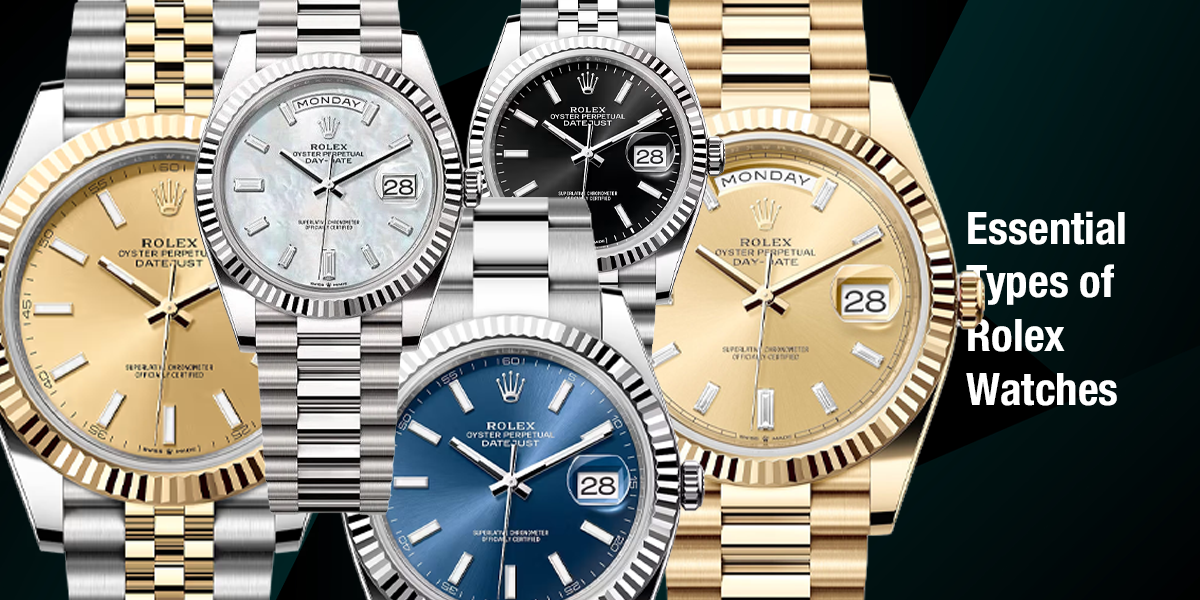
Since Rolex’s inception in 1905, the company has produced over 15 lines of timepieces, but choosing the right types of Rolex watches for your lifestyle
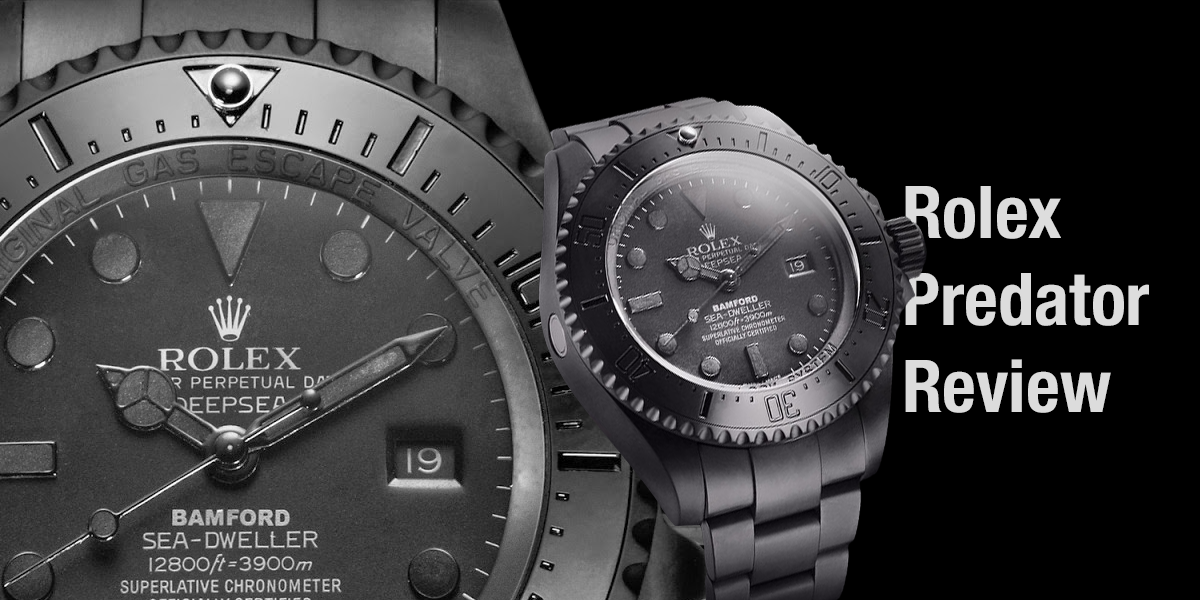
The Rolex Predator isn’t your typical luxury timepiece straight from the factory floor. You’re looking at an iconic Rolex diving watch that received a matte