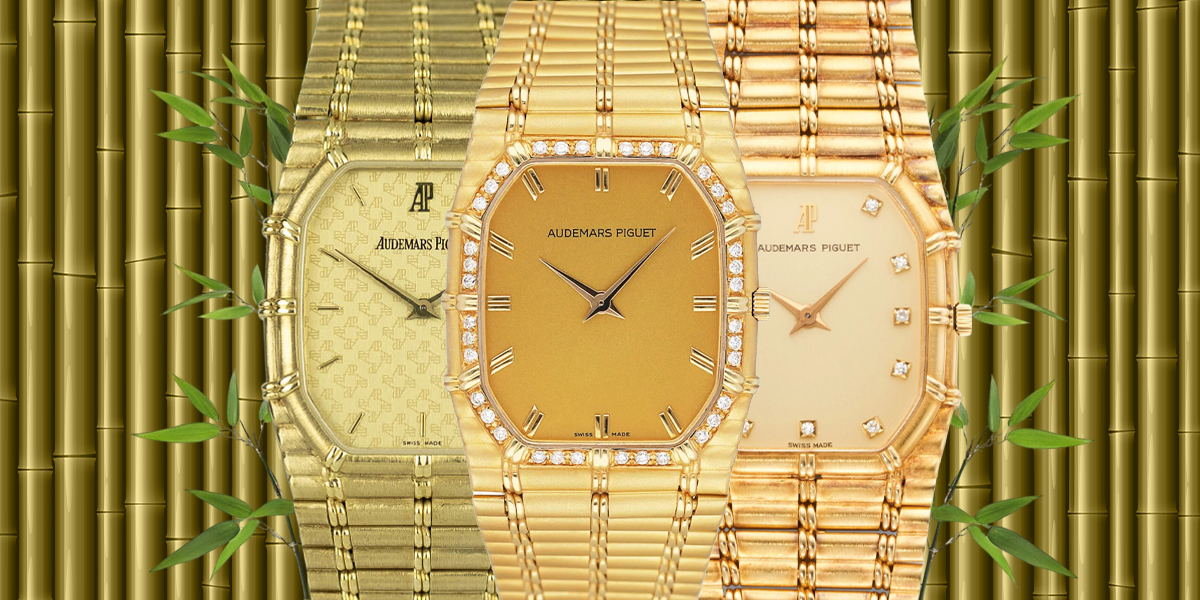
Audemars Piguet Bamboo Review: Why This Vintage Watch Became Every Collector’s Grail
The Audemars Piguet Bamboo has quietly transformed from an obscure 1980s rarity into the ultimate vintage grail. Once slept on compared to other AP models,

You might be surprised to learn how accuracy levels vary among different watches. Mechanical watches keep time within +/- 20 seconds per day, while quartz watches are nowhere near as variable at just +/- 15 seconds per month.
The world of timepieces holds more variety than most people imagine. Pocket watches carry historical significance, and diving watches prove their worth by functioning at depths of at least 100 meters. Each style has its own purpose. Some collectors love the self-winding machinery of automatic watches, while others prefer the light-powered technology of solar watches. Understanding these different watch types helps build a thoughtful collection.

Watch history brims with remarkable moments. The Queen of Naples received the first wristwatch in 1810, and Seiko introduced the first quartz watch in 1969. These breakthroughs have shaped today’s watch categories and classifications.
These different styles of watches will help you select the kind of timepiece that fits your lifestyle.
This piece guides you through 13 key types of watches. From chronographs that track elapsed time intervals to classic pocket watches, you’ll learn everything you need to make smart choices as you explore the captivating world of timepieces.
Mechanical watches stand as the oldest and most traditional form of watchmaking that dates back to the 14th century. These watches operate through an intricate system of gears and springs instead of batteries or electronics that modern digital or quartz timepieces use.
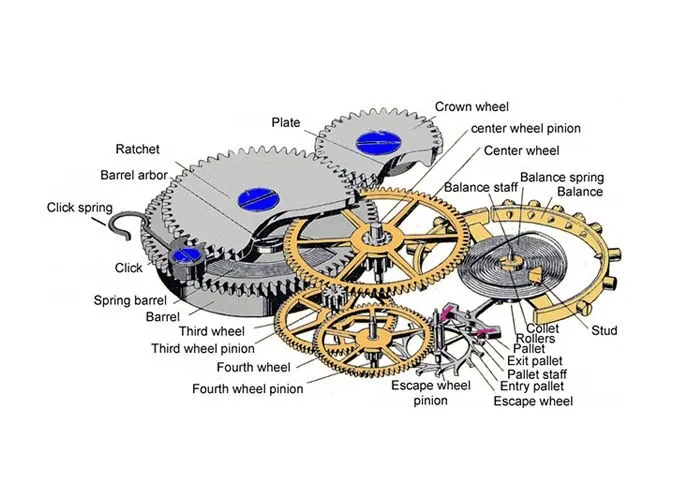
A clockwork mechanism powered by a mainspring drives mechanical watches and stores energy. Several components work together to release this energy:
Mainspring: The power source that stores mechanical energy after winding
Gear train: Transmits power and converts mainspring’s rotations to appropriate speeds for timekeeping
Balance wheel: Oscillates back and forth at a consistent rate (typically 5-10 beats per second)
Escapement: Controls energy release and creates the distinctive “ticking” sound
Mechanical watches exist in two main varieties: hand-wound and automatic. Hand-wound watches need manual winding through the crown. Automatic watches use a rotor that winds the mainspring as your wrist moves naturally.
The power reserve of most mechanical watches ranges from 36 to 72 hours, though some can run for a week. Many mechanical watches include additional features called “complications” beyond simple timekeeping. These features include chronographs, moon phases, or perpetual calendars.
Pros:
No batteries needed – mechanical energy powers everything
Superb craftsmanship and artistry
Durability – proper care ensures they last for generations
Higher value retention than quartz watches
Environmental benefits – no battery disposal needed
Cons:
Accuracy falls behind quartz watches – daily variation ranges from seconds to a minute
Regular maintenance needed every 3-5 years
Higher cost than similar quartz watches
Vulnerability to magnetic fields, shocks, and extreme temperatures
Performance stops without regular winding or wear (36-48 hours for manual watches)
Mechanical watches shine as formal wear accessories, especially during special occasions where style and tradition take center stage. Their craftsmanship makes them perfect collector’s items and potential family heirlooms.
These timepieces serve as a practical yet sophisticated solution for professionals who appreciate fine engineering or prefer avoiding battery changes. Pocket watches, which often feature mechanical movements, remain classic accessories for formal attire and valued collectibles.
Mechanical watch enthusiasts often choose these timepieces for daily wear. The rich history, exceptional craftsmanship, and satisfaction of owning a small engineering marvel that keeps ticking for decades with proper care drives their choice.
Automatic watches change the way people experience mechanical timepieces by removing the need to wind them daily. These ingenious timekeepers, also known as self-winding watches, use your wrist’s natural motion to power their operation.
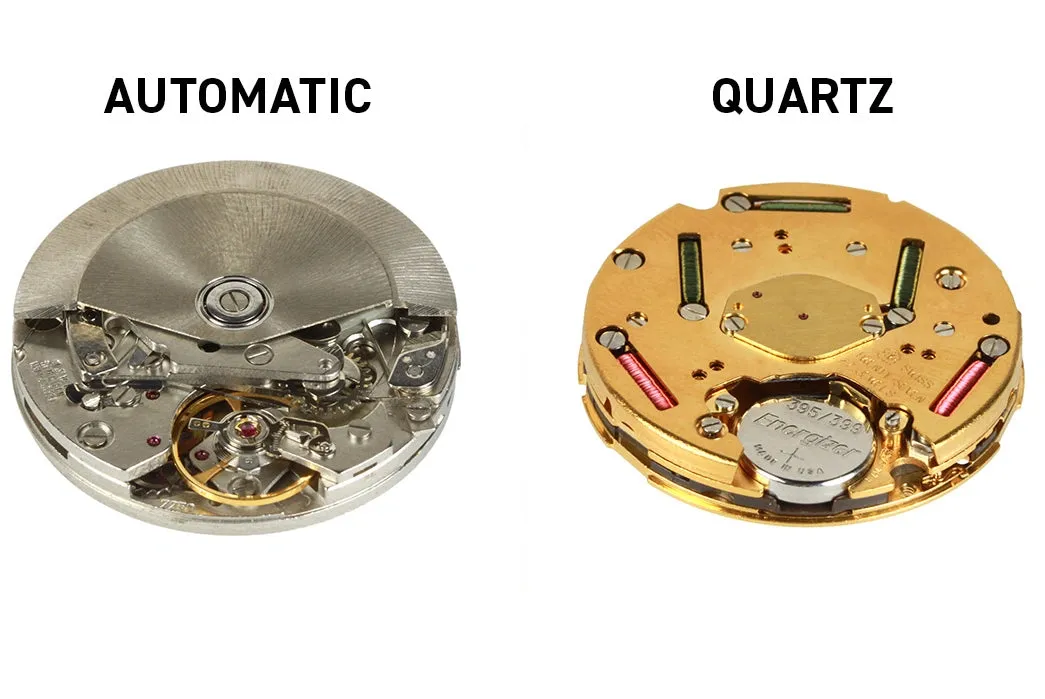
The rotor sits at every automatic watch’s core—a weighted semicircular disk that moves freely with your wrist’s movement. A system called the reverser mechanism converts this bidirectional movement into unidirectional rotation that winds the mainspring. Your watch will run for 38-40 hours when not worn, and some premium models can last up to 120 hours.
These watches don’t need daily winding when you wear them. You’ll need to restart them by winding the crown or giving them a gentle shake if they sit unused beyond their power reserve period.
Pros:
No battery replacement needed—ever
Regular wear maintains power reserve
Smooth, continuous hand movement
Proper maintenance ensures generational longevity
Many watches show their fascinating mechanism through display casebacks
Cons:
Accuracy falls behind quartz watches (typically +/- 15-25 seconds per day)
The rotor mechanism makes them slightly bulkier
Service needed every 3-5 years
Cost more than comparable quartz watches
Some models make a slight rotor noise
Understanding the different types of watches can greatly enhance your collection and appreciation of horology.
These watches excel in daily wear situations, especially when you have an appreciation for mechanical craftsmanship yet prefer convenience over manual winding. Active people find them particularly suitable—more movement means better performance.
Business professionals choose automatic watches as subtle status symbols that showcase craftsmanship without interrupting important meetings for battery changes. Collectors value these timepieces for their heritage and what enthusiasts describe as a “soul” that quartz watches lack.
Automatic pocket watches exist too, though they’re not as common as wrist-worn versions since pocket watches get less movement to wind their mechanism effectively.
Seiko changed the watch industry forever in 1969 by launching the first commercial quartz watch – the Seiko Quartz Astron. This breakthrough marked a dramatic shift from mechanical watchmaking and brought unmatched accuracy and reliability to timekeeping.
The quartz crystal oscillator sits at the heart of these watches. A battery powers the crystal to vibrate exactly 32,768 times each second. A microchip picks up these vibrations and turns them into steady electric pulses that drive the motor moving the watch hands.
These timepieces stand apart from mechanical watches because they:
Need batteries that last 2-5 years
Stay accurate within +/- 15 seconds monthly
Show a distinct one-second tick movement
Use fewer moving parts to achieve slimmer designs
Pros:
Better accuracy than mechanical watches
Simple upkeep beyond battery replacement
Lower prices that fit most budgets
Great durability against impacts, temperature shifts, and magnetic fields
Countless styles and designs to choose from
Cons:
Batteries need replacement every 2-5 years
Less craftsmanship appeal compared to mechanical watches
Battery disposal raises environmental issues
Rarely become valuable collectibles
Luxury market often views them as less prestigious
These watches shine as dependable everyday timepieces for people who value accuracy and ease of use. Their affordable price and easy maintenance make them perfect starter watches for newcomers to horology.
Athletes and outdoor enthusiasts love quartz watches because they handle shocks and harsh conditions well. Their steady precision makes them valuable tools for professionals who need exact timing.
Quartz technology has even found its way into pocket watches. These pieces blend old-world charm with modern accuracy – perfect for anyone who loves classic style but doesn’t want to wind their watch.
Quartz watches blend practicality with reliability so well that they’ve become the most common type of watch worldwide.
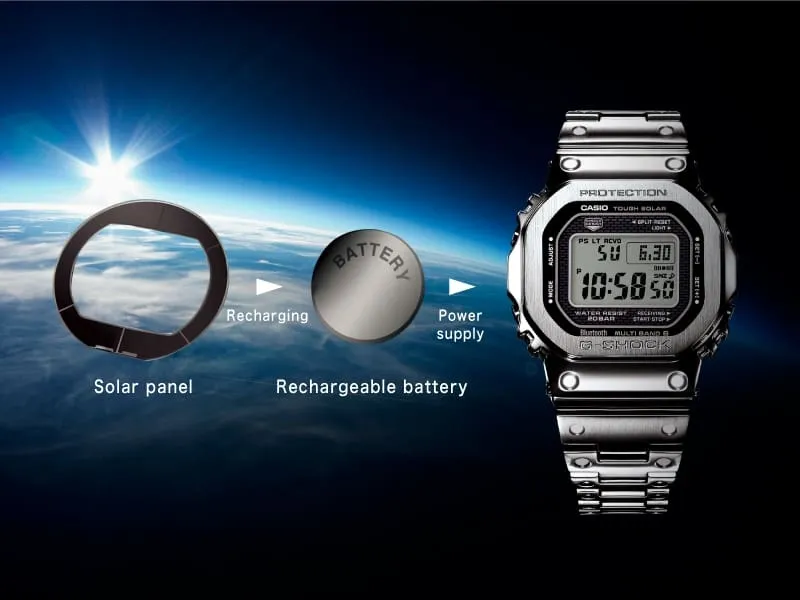
Seiko revolutionized the watch industry in 1977 by introducing solar watches as an eco-friendly breakthrough. These timepieces make use of light energy through photovoltaic cells that power their operation. Battery replacements are no longer needed frequently.
A solar panel system sits at the core of every solar watch, usually placed beneath the dial or around the display in digital models. Small and barely noticeable photovoltaic cells turn both natural and artificial light into electrical energy. The energy gets stored in a rechargeable battery.
Solar watches can run impressively long on stored power. Many models work for 6-18 months with a full charge, even without any light. A fully charged Casio G-Shock runs for 7 months without light exposure. This extends to 18 months with the power-save feature.
The watch enters power-saving mode after staying in darkness for about 90 minutes. The display turns off and hands stop moving to save energy, but the watch keeps tracking time internally. The battery just needs about 6 hours of direct sunlight to charge completely.
Pros:
Eco-friendly rechargeable batteries last 7-12 years
No regular battery changes mean minimal maintenance
Cases rarely open, leading to exceptional durability
Quartz movement technology ensures reliable accuracy
Any light source works, not just sunlight
Cons:
The original cost exceeds traditional quartz watches
Watch faces might show visible solar cells
Design options are limited compared to other watches
Dark environments reduce performance over time
Repairs become more complex if problems occur
Outdoor enthusiasts, hikers, and travelers love solar watches. These timepieces provide uninterrupted timekeeping during long adventures. Professionals who dislike maintenance interruptions and battery changes find them perfect too.
The exceptional reliability in demanding conditions attracts military personnel, police officers, and firefighters. Environmentally conscious consumers choose these watches to reduce waste.
Solar pocket watches blend traditional esthetics with modern eco-friendly technology. Collectors interested in both heritage and breakthroughs find them particularly appealing.
The classic face of timekeeping lives on in analog watches with their elegant dials and sweeping hands. These timepieces show the passing hours through physical hands that rotate around a numbered or marked dial, unlike their digital counterparts.
Analog watches have several distinctive elements that make them appealing through time:
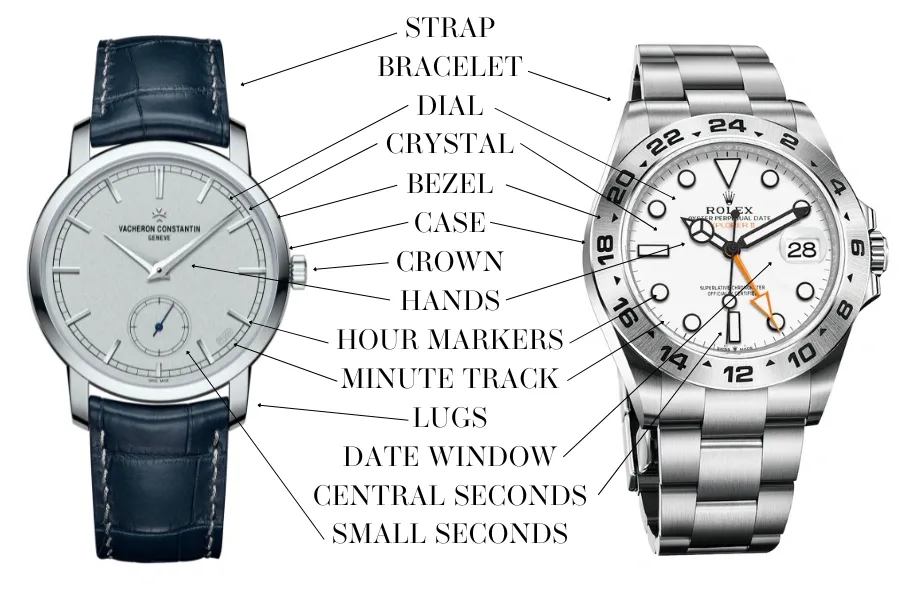
Watch Face/Dial: Shows time using hour and minute markers that come as numbers, Roman numerals, batons, or simple dots
Hands: Has hour, minute, and second hands that extend from the center
Crown: A small knob on the side that sets the time
Movement: Works with mechanical, quartz, or automatic mechanisms
Traditional watchmaking expertise shines through the craftsmanship of analog watches. In fact, mechanical analog movements can contain hundreds of tiny parts that work together perfectly.
Pros:
Classic looks that match any clothing style
Built with durable, high-quality materials
Quality pieces last for decades and become family heirlooms
Make great collectibles, especially vintage or luxury models
Freedom from constant notifications unlike smartwatches
Cons:
Limited features compared to digital watches
Mechanical versions need regular maintenance
Hard to read exact seconds
Poor visibility in low light without glowing hands
Some models might not keep perfect time, especially mechanical ones
Analog watches make powerful style statements in formal settings. Watch enthusiasts say wearing an analog watch to important meetings shows thoughtfulness and attention to detail.
These timepieces look perfect with business attire and at formal events where style matters most. Collectors value analog pocket watches as treasured items that blend art with function.
Many professionals choose analog watches because they project subtle confidence and sophistication.
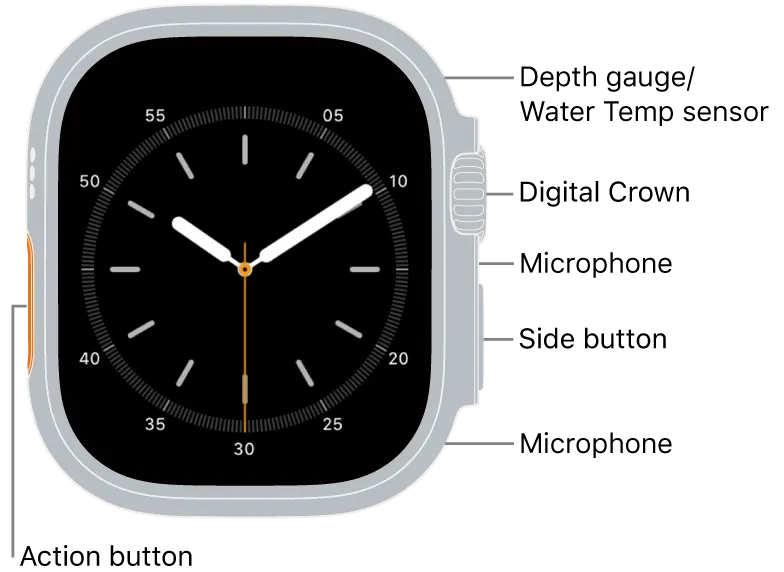
Digital watches emerged in the 1970s when Hamilton released the first mass-produced LED digital watch, the Pulsar P1 in 1972. The watch sold for an astonishing USD 2100.00 (over USD 16000.00 today). These timepieces were originally revolutionary but expensive. They soon became available to everyone and appeared everywhere from high-end shops to cereal boxes.
Digital watches display time numerically through electronic displays, unlike their analog counterparts. They use quartz crystals that oscillate with minimal voltage and create very stable rhythm patterns for reliable timekeeping. These electronic timepieces offer:
LCD or LED displays showing time in numeric form
Electronic movements powered by small batteries lasting months or years
Multiple functions beyond simple timekeeping including alarms, stopwatches, timers, and calendars
Button-operated interfaces for accessing features and settings
Advanced models come with thermometers, altimeters, barometers, and digital compasses.
Pros:
Superior accuracy with minimal time deviation
Improved durability with shock-resistant and waterproof designs
Extended battery life – many models operate for months or years
Easy readability with clear numerical displays
Affordability – quality options available at different price points
Cons:
Less elegant esthetic compared to traditional watches
Limited functionality compared to smartwatches
Non-customizable graphics and displays in most models
Challenging to pair with formal attire
May appear casual or less sophisticated for business settings
Digital watches shine in active lifestyles—sports, outdoor activities, and rugged environments. Military personnel, police officers, and athletes choose digital watches because they’re practical and reliable under demanding conditions.
These watches work great for people who want precise timekeeping without smartphone connectivity distractions. Digital pocket watches exist too. They combine traditional form factors with modern features, appealing to collectors who appreciate both heritage and convenience.
Digital watches remain popular among users who value function, durability, and simple operation. They offer an alternative to complex smartwatches and high-maintenance mechanical timepieces.
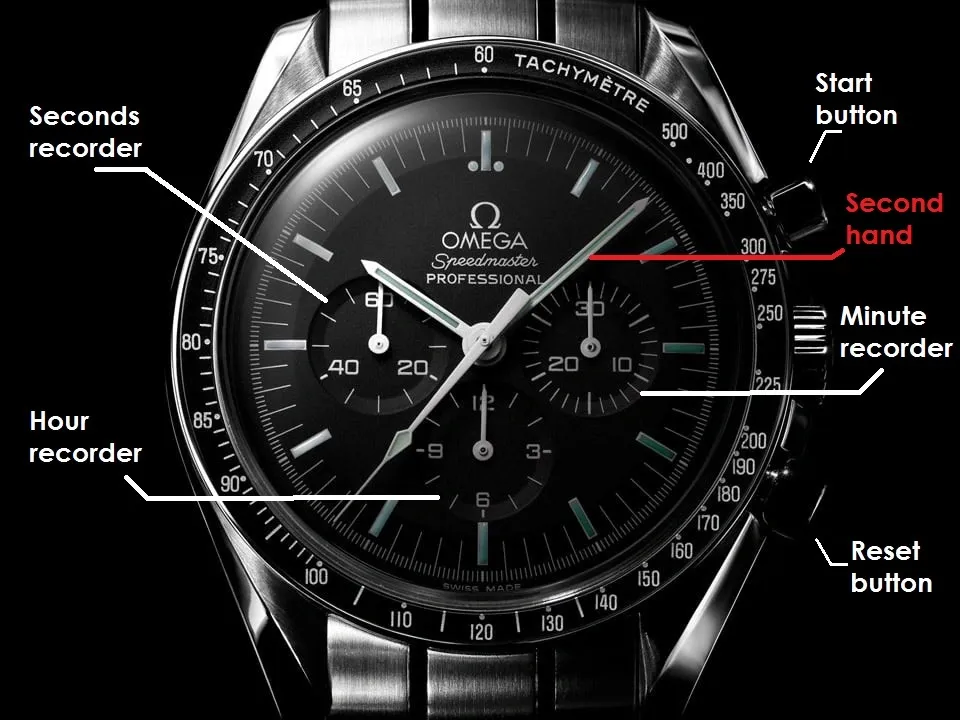
Chronograph watches blend standard timekeeping with precise stopwatch functionality. These watches rank among the most versatile timepieces available today. The term “chronograph” means “time recorder” and describes watches that measure elapsed time intervals while showing the current time.
The defining characteristics of chronograph watches include:
Stopwatch functionality controlled by pushers located at 2 o’clock (start/stop) and 4 o’clock (reset)
Central seconds hand that measures elapsed seconds during timing functions
Subdials that display minutes and hours for the chronograph function, plus a small-seconds dial for regular timekeeping
Additional scales on many models, including tachymeters for speed calculations, pulsometers for heart rate measurement, or telemeters for distance determination
Chronographs started with a single pusher to control all functions. Breitling changed this in 1923 by introducing the two-pusher design, and most modern chronographs now employ separate buttons for better control.
Pros:
Multifunctional design that works as both watch and stopwatch
Practical timing for everyday activities from cooking to workouts
Sophisticated look that matches casual or formal attire
Makes an excellent conversation piece and shows watch enthusiasm
Cons:
Complex mechanism needs more maintenance
Bulkier and heavier than standard watches
Multiple pushers might confuse beginners
Running chronograph function constantly can strain the movement
Chronograph watches shine in professional settings where precise timing matters. Pilots rely on them for flight calculations, healthcare workers check patient heartbeats with pulsometer scales, and athletes monitor performance metrics during training.
These watches handle everyday timing needs perfectly—from parking meters to cooking times. The market also offers chronograph pocket watches that combine traditional style with practical timing features. Collectors value these timepieces for their blend of heritage and functionality.

Smartwatches represent a tech revolution that has changed our expectations of timepieces. These wrist-worn mini-computers have become mainstream since the 2010s.
Modern smartwatches blend with smartphones while working independently through:
Advanced connectivity via Bluetooth, Wi-Fi, and sometimes cellular/5G
Health monitoring including heart rate, sleep patterns, and even blood pressure tracking
App support for everything from fitness to payments, navigation, and music
Touchscreen displays with customizable watch faces
Notification systems for calls, messages, and apps
Pros:
Complete health tracking capabilities
Quick access to notifications without checking phone
Better phone battery life by reducing screen time
Contactless payment functionality
Voice assistant integration
Cons:
Battery life lasts only 1-2 days
Higher original cost than traditional watches
Needs smartphone for full functionality
Daily charging needed
Notifications can become distracting
Fitness enthusiasts love smartwatches for tracking workouts and health metrics. Busy professionals use them to manage notifications quietly during meetings. These devices help business travelers with navigation and translation features. Some companies have even created smart pocket watch designs to bring this technology to traditional forms.
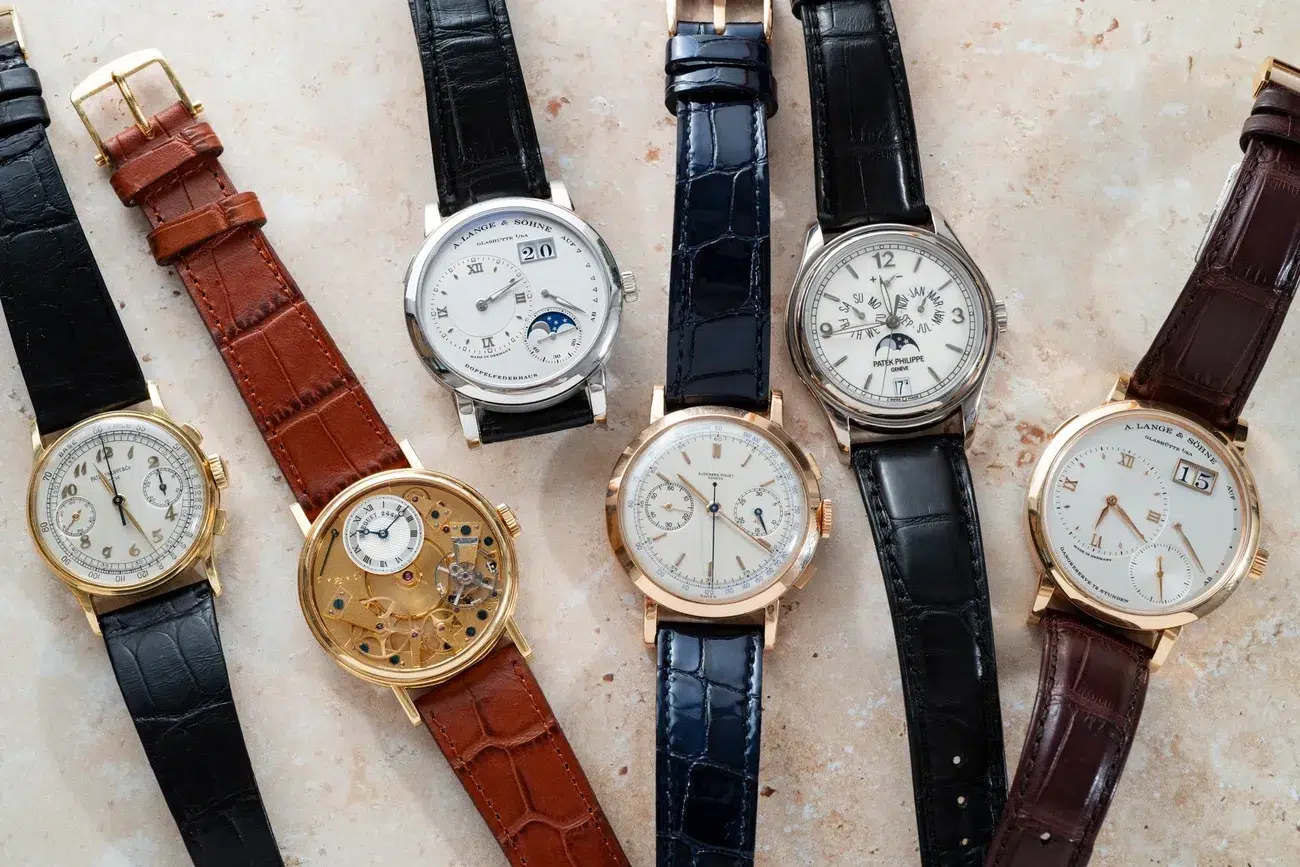
Dress watches represent the finest examples of refined timekeeping in formal occasions and business settings. These elegant timepieces made their mark in the early 20th century when Cartier created one of the first rectangular dress watches in 1917.
Dress watches stand out because of these distinctive characteristics:
Slim profiles that slide smoothly under shirt cuffs
Minimalist design showcasing clean dials and simple markers
Premium materials with precious metals and leather straps
Small to moderate size ranging from 34-40mm
Limited complications focusing on simple timekeeping and a date window
Pros:
Timeless and elegant desig
Matches formal attire perfectly
Projects understated sophistication
Comes in a variety of metals and finishes
Cons:
Offers limited versatility with minimal complications
Mechanical versions need regular maintenance
Strictly formal models have limited wear occasions
Splash protection is the only water resistance
Dress watches shine in business formal settings where suits and ties rule. These watches remain the only suitable choice for black or white tie events, where time-checking was traditionally seen as poor etiquette.
In spite of that, modern styling lets dress watches complement smart-casual outfits beautifully. These refined timepieces ended up becoming perfect heirloom pieces that charm generations after generations.
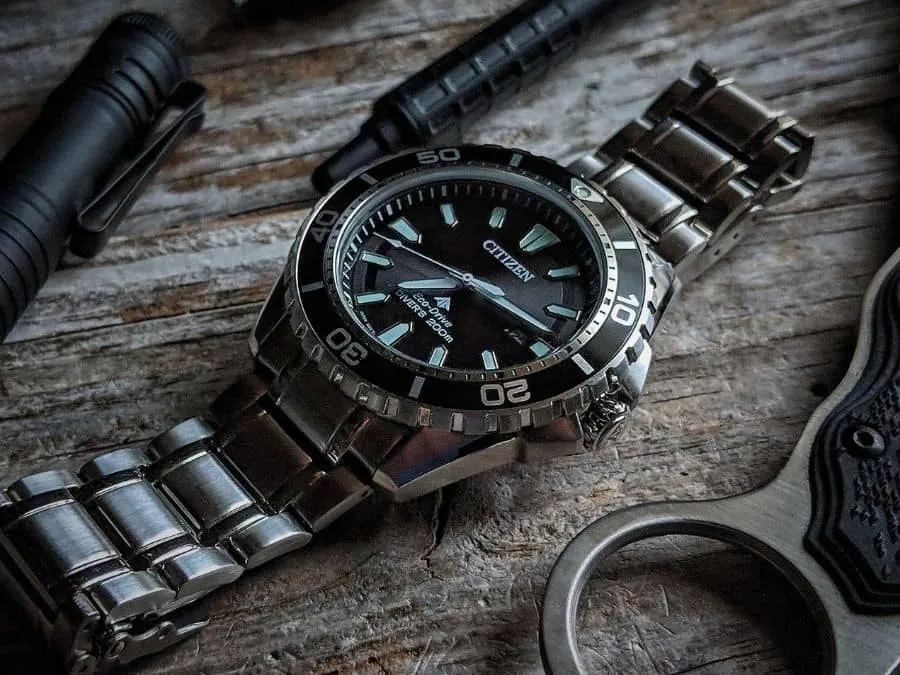
Dive watches, which were created for underwater exploration, must meet strict standards to earn their classification. These strong timepieces need at least 100 meters of water resistance, though most modern versions can handle depths of 200-300 meters.
These watches come with several essential elements that make them work underwater:
Unidirectional rotating bezel to track elapsed dive time safely
Luminous markings you can see from 25cm away in total darkness
Screw-down crown that creates a water-tight seal
Durable construction using stainless steel or titanium
ISO 6425 certification to ensure reliability and performance
Pros:
Exceptional durability in extreme conditions
Style that works for many occasions
Reliable backup when dive computers fail
Almost no risk of water damage with proper care
Cons:
Thicker profile compared to dress watches
More expensive to maintain mechanical versions
Dive computers have taken over, making these watches mostly fashion items
Water resistance testing needed every two years
These watches shine brightest during recreational diving, snorkeling, and water sports. They also serve as tough everyday timepieces that can handle rough conditions. Many professionals and enthusiasts wear them as physical reminders of their memorable underwater adventures.
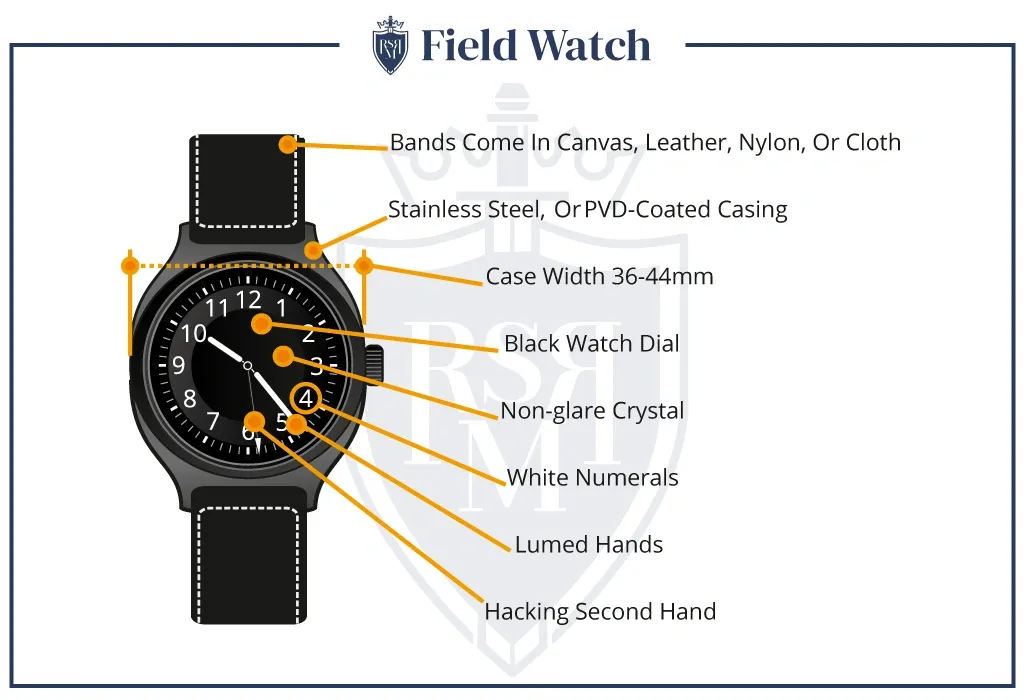
Field watches trace their origins to World War I battlefields. Soldiers needed reliable timepieces to coordinate attacks and check time during combat. These watches are the Land Rovers of timepieces – they prioritize function over style.
Field watches stand out through:
High legibility with contrasting black dials and white numerals that ensure quick reading
Rugged construction with stainless steel or titanium cases
Sapphire crystal that delivers superior scratch resistance
Water resistance ranging from 50-200 meters
Luminous elements that ensure dark visibility
Pros:
These watches withstand harsh conditions exceptionally well
The design focuses on practicality with a simple layout
The versatile style works with different outfits
Performance remains reliable in extreme conditions
Cons:
The appearance lacks sophistication compared to dress watches
Features are limited to simple timekeeping
The design serves utility more than decoration
Traditional models need regular battery replacement
These timepieces shine during outdoor adventures like hiking and camping. Military personnel, police officers, firefighters, and paramedics trust them for dependable timekeeping. The evolution from wartime tools to everyday watches appeals to people who value reliability over flashiness. The cases measure 34-42mm, a size that fits most wrists comfortably.
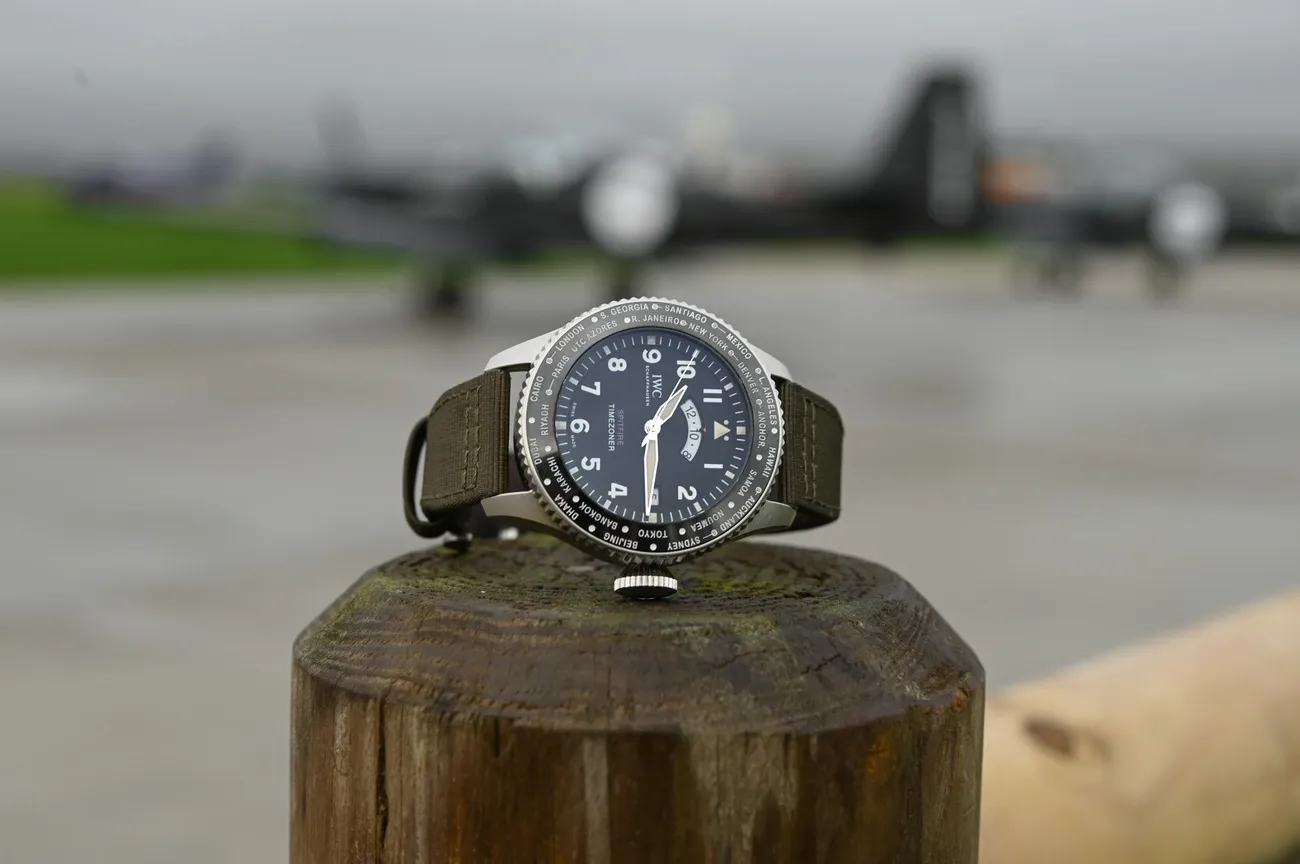
Pilots navigating the skies inspired the original design of pilot watches. These timepieces blend practicality with specialized features that set them apart from watches of all types.
These watches prioritize legibility through large, high-contrast dials with luminous coatings that ensure readability in poor lighting conditions. The watch’s anti-reflective crystals reduce reflections to less than 0.5%.
These timepieces go beyond simple timekeeping and include:
Multiple time zone displays or GMT functionality to track different time zones
Anti-magnetic properties through Faraday cage protection against harmful magnetic fields
Chronograph functions to calculate airspeed and flight times
Slide-rule bezels to compute fuel consumption and navigation calculations
Pros:
Superior readability in all conditions
Reliable durability in extreme environments
Versatile functions beyond aviation
Rich historical significance and heritage
Cons:
Size exceeds typical dress watches
Feature complexity challenges beginners
Mechanical versions need costly maintenance
Size often exceeds non-pilots’ needs
Frequent travelers benefit from these watches’ multiple time zone features. Aviation enthusiasts value their connection to flying heritage. These watches serve professionals who need dependable timekeeping under pressure.
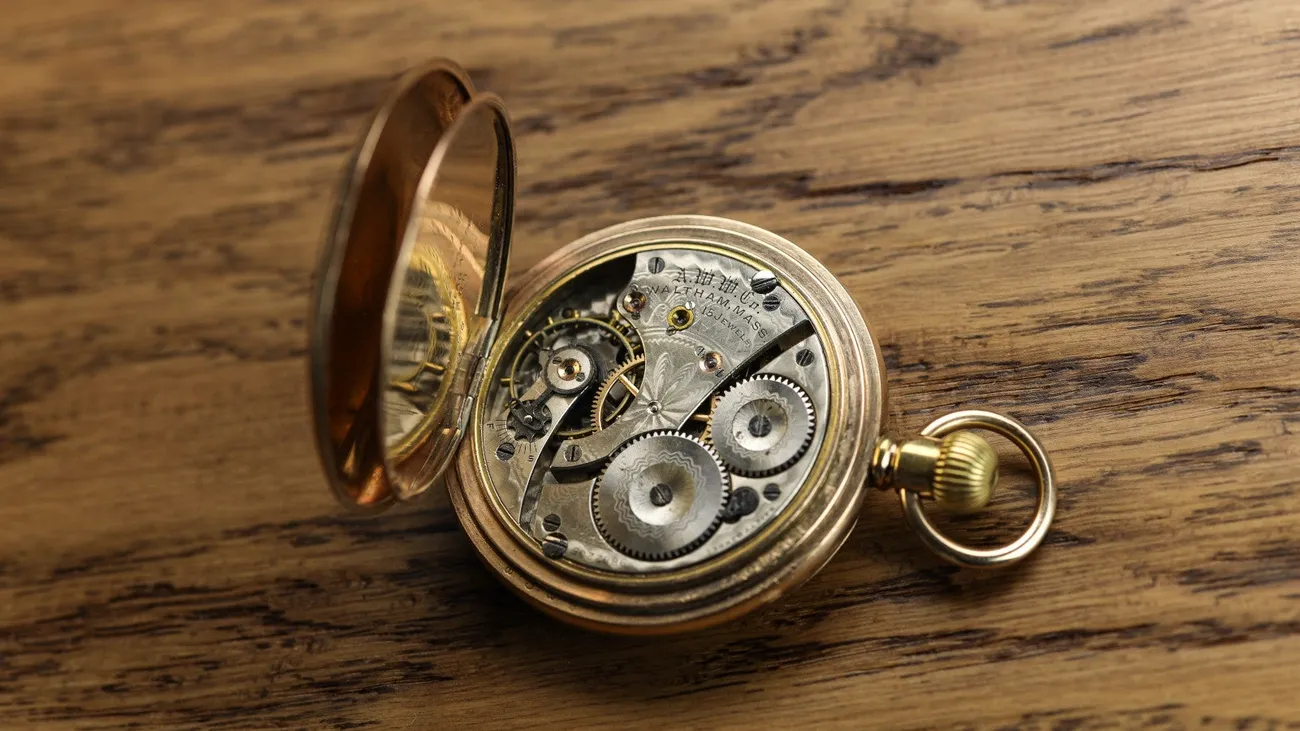
Pocket watches ruled as the go-to portable timepieces from the 16th century until after World War I. These classic timepieces come with cases specially built for pocket carry and usually attach to clothing with a decorative chain.
Pocket watches stand out because of:
Chain attachment that looks great and serves a practical purpose
Various case styles like open-face (Lépine), full hunter, half hunter, and double hunter
Movement options between quartz and mechanical, where mechanical versions add a classic touch
Case materials from gold and silver to stainless steel that affect both durability and cost
Dial designs with Roman or Arabic numerals plus options for date functions or moonphase
Pros:
Mechanical versions work without batteries
They make great conversation starters and unique accessories
These watches often become valuable family heirlooms
Daily maintenance rituals add a special touch to ownership
Cons:
Wristwatches work better in most situations
You need proper pockets or specific ways to carry them
Drops and moisture can damage them easily
Mechanical versions need regular winding
These timepieces shine as elegant accessories at formal events when paired with waistcoats or suit jackets. Some people even wear them as pendant necklaces. They’ve always made meaningful gifts and family treasures passed down through generations.
|
Watch Type |
Power Source |
Key Features |
Main Advantages |
Primary Use Cases |
Notable Limitations |
|
Mechanical |
Mainspring |
Hand-wound mechanism, gear train, balance wheel, escapement |
Works without batteries, quality craftsmanship, lasts for generations |
Formal wear, collector’s items, family heirlooms |
Accuracy varies (+/- 20s/day), needs regular maintenance |
|
Automatic |
Self-winding rotor |
Rotor mechanism, power reserve (38-40hrs), reverser mechanism |
No battery needed, powers up while worn, smooth hand movement |
Daily wear, business use, active lifestyle |
Less accurate than quartz, bulky design, needs service |
|
Quartz |
Battery |
Crystal oscillator, electronic pulses, minimal moving parts |
Highly accurate (+/- 15s/month), low maintenance, cost-effective |
Daily timekeeping, sports, outdoor use |
Battery replacement needed, limited collector appeal |
|
Solar |
Light energy |
Photovoltaic cells, power reserve (6-18 months), power-saving mode |
Never needs batteries, eco-friendly, low maintenance |
Outdoor use, work, green-conscious users |
Costs more upfront, fewer designs, less effective in dark |
|
Analog |
Various |
Traditional dial, physical hands, hour/minute markers |
Classic look, strong materials, collector appeal |
Formal events, business wear, style choice |
Fewer features than digital, hard to read in dark |
|
Digital |
Battery |
LCD/LED display, multiple functions, button interface |
Precise timing, strong build, easy to read |
Sports, military, active use |
Basic look, casual style, not for formal events |
|
Chronograph |
Various |
Stopwatch function, subdials, multiple pushers |
Multiple functions, timing features, refined look |
Professional timing, sports, medical use |
Complex parts, larger size, higher upkeep |
|
Smart |
Rechargeable battery |
Connectivity, health monitoring, app support, touchscreen |
Complete health tracking, alerts, payment options |
Fitness tracking, business use, tech lovers |
Short battery life (1-2 days), needs daily charging |
|
Dress |
Various |
Slim profile, minimalist design, premium materials |
Refined style, formal look, sophisticated feel |
Business formal, special events, formal occasions |
Basic features, minimal water protection |
|
Dive |
Various |
Unidirectional bezel, luminous markings, water resistance (100m+) |
Strong build, versatile style, water resistant |
Diving, water sports, tough conditions |
Large profile, needs regular testing |
|
Field |
Various |
High legibility, rugged construction, luminous elements |
Strong build, simple design, adaptable |
Outdoor activities, military use, rough conditions |
Basic look, limited features |
|
Pilot |
Various |
Large legible dials, multiple time zones, anti-magnetic properties |
Easy to read, strong build, versatile use |
Flying, travel, professional use |
Large size, complex features |
|
|
Various |
Chain attachment, various case styles, traditional design |
No batteries (mechanical), family heirloom potential |
Formal events, traditional wear, collecting |
Less practical than wristwatches, specific carrying needs |
The world of timepieces shows amazing variety that goes beyond what most people imagine. You might like the intricate craftsmanship of mechanical watches with their +/- 20 seconds daily accuracy. Or you could prefer the reliable quartz watches at +/- 15 seconds monthly. Each type matches different lifestyles and needs.
Automatic watches keep the soul of mechanical engineering without daily winding. Solar watches give you eco-friendly timekeeping with no battery changes needed. The timeless elegance of analog watches stands strong, and digital watches bring accuracy with practical features that active users love.
Chronograph watches work as both stylish accessories and timing tools, which makes them perfect for any collection. Smart watches have changed traditional timekeeping with health tracking and smooth features. These advanced capabilities come at the cost of battery life.
Each watch type serves its purpose. Dress watches excel in formal settings with slim profiles and clean designs. Dive watches handle extreme underwater conditions well. Field watches give you the toughness you need outdoors. Pilot’s watches track multiple time zones with clear readability. Pocket watches aren’t as practical as wristwatches, but people treasure them for their history and ceremony.
These differences help you choose wisely when building your collection. The right timepiece matches your needs, priorities, and budget. Each watch type’s strengths and limits let you pick the perfect companion to every occasion – from boardroom meetings to underwater adventures.
Your trip into watch collecting might start with one versatile piece, like an automatic or quartz watch that works daily. Later, you could add specialized watches to different activities and settings. Whatever path you take, learning about each watch type’s craftsmanship, history, and function makes these remarkable timekeeping instruments even more special.
The Audemars Piguet Bamboo has quietly transformed from an obscure 1980s rarity into the ultimate vintage grail. Once slept on compared to other AP models,

Choosing among the types of leather watch straps can turn your timepiece from ordinary to extraordinary. Attaching watches to leather straps dates back to the
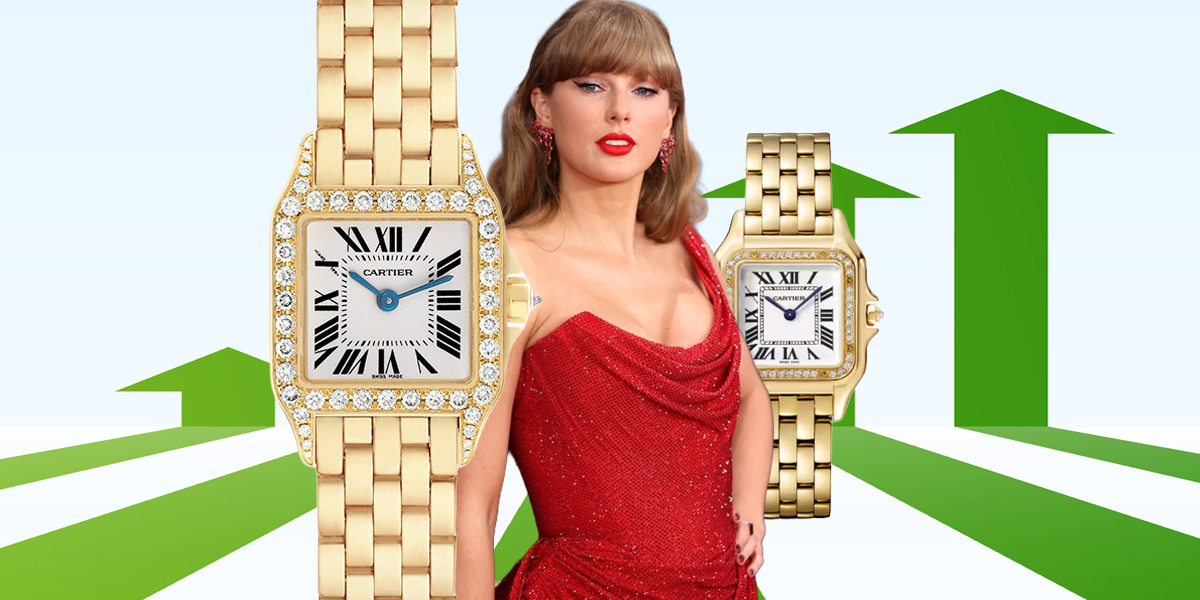
Taylor Swift’s Cartier watch in her viral engagement post turned a discontinued timepiece into the ninth most-liked Instagram post ever. The results were immediate and