When you start exploring luxury watches, you’ll often hear the word Complications. In most cases, complications are things we try to avoid, but in the world of watches, they are the opposite. Complications are actually what make a watch more interesting. But what does the term mean, and why do these features matter so much when it comes to picking out a timepiece?
Simply put, a complication is any extra function on a watch beyond just telling the time. It could be something practical like showing the date or something more complex like a tourbillon. These features don’t just make the watch more useful, they also highlight the craftsmanship behind the design. Let’s take a look at some of the most common and impressive complications out there, so you can get a better idea of what to look for when buying a luxury watch.

1. Chronographs
A chronograph is just a fancy way of saying “stopwatch.” Watches with this complication have extra dials (called subdials) and buttons that let you start, stop, and reset a timer. You’ll find this on many sporty watches.
Why would you need it? A lot of people like using chronographs to time things like races, workouts, or even something as simple as cooking. But honestly, they also look cool. Some famous examples include the Omega Speedmaster (the first watch worn on the moon) and the Rolex Daytona, a favorite among race car drivers.

2. Dates
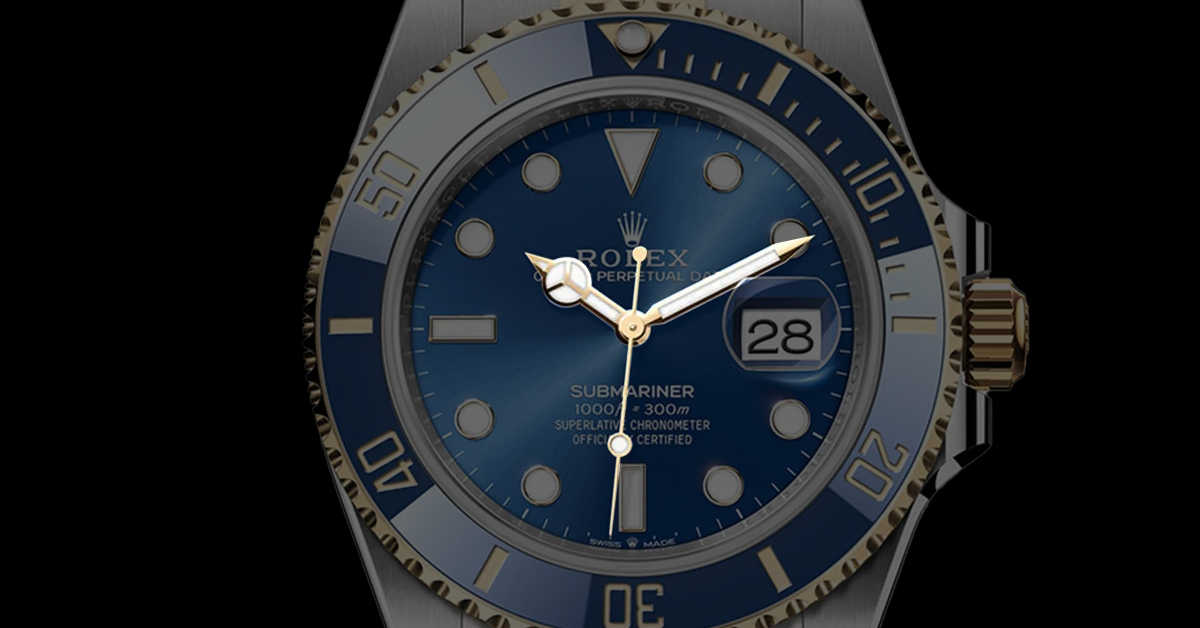
This is one of the simplest complications, but it’s still a complication! Many watches show the date, often in a small window on the dial. It’s useful and easy to read, which is why it’s a common feature on most luxury watches.
If you want something a bit fancier, look for a Day-Date complication, which shows both the day of the week and the date. Some watches take it even further with annual or perpetual calendars. These don’t just show the date, they account for different months and leap years, so you don’t have to adjust them often.

3. GMTs
For people who travel a lot, a GMT function is super handy. GMT stands for Greenwich Mean Time, and this complication lets you track two time zones at once. One hand shows your local time, and another shows the time back home or wherever else you want.
Rolex introduced the GMT-Master for Pan Am pilots back in the 1950s, and since then, GMT watches have become a must-have for frequent flyers. The second time zone is easy to read, and the extra hand on the dial makes these watches stand out in a subtle but stylish way.

4. Power Reserves
Have you ever wondered how long your mechanical watch will keep running before you need to wind it again? That’s where a power reserve indicator comes in. It’s like a fuel gauge for your watch, showing how much energy is left in the mainspring.
This complication is especially useful for manual wind watches, where you need to wind them by hand. It’s also helpful for automatic watches that wind themselves when you wear them, because if you don’t wear the watch for a while, it will stop ticking. A. Lange & Söhne Lange 1 is a great example of a watch with a power reserve indicator that adds both style and functionality.

5. Moonphases
The moonphase complication is more about beauty than practicality. It shows the current phase of the moon (waxing, waning, full, or new) on the dial. Historically, it was used by farmers and sailors, but today it’s more of a decorative feature that adds a touch of elegance.
The Jaeger-LeCoultre Master Ultra Thin Moon and Patek Philippe Grand Complications are perfect examples of watches that use the moonphase in a beautiful way, making it a favorite for those who appreciate both art and watchmaking.

6. Tourbillons
Now we’re getting into the complicated stuff. The tourbillon is one of the most impressive features you can find in a watch. It was invented by Abraham-Louis Breguet in the late 1700s to help improve accuracy by combating the effects of gravity on the movement of the watch.
A tourbillon uses a rotating cage to house the balance wheel and escapement, and the constant motion helps keep the time accurate. While modern watches are pretty accurate without this feature, tourbillons are still considered a showcase of watchmaking skill. They’re rare, expensive, and usually found in high-end watches like those from Audemars Piguet or Richard Mille.

7. Repeaters
A minute repeater is one of the rarest and most complex complications in watchmaking. When you press a button or slide a lever, the watch will chime the time. Originally, these were made for people who needed to know the time in the dark, before electricity was widespread.
Today, they’re more about showing off the craftsmanship behind the watch. Minute repeaters are incredibly difficult to make, and brands like Patek Philippe and Vacheron Constantin are famous for creating some of the finest examples. If you want a watch that plays music, this is the complication for you!
The More Complicated, The Better?
So, why do watch complications matter? Besides making the watch more functional, they also show off the expertise and creativity of the watchmaker. A watch with multiple complications is a marvel of engineering, and it adds a whole new level of interest to owning a luxury watch.
For collectors and enthusiasts, complications are a way to connect with the rich history and craftsmanship of horology. Whether it’s a simple date display or an elaborate tourbillon, each feature tells a story about the skill that goes into making a fine timepiece.
Next time you’re shopping for a watch or just admiring one, take a closer look at the complications. They’re where the real magic of watchmaking happens, and they’re what make these timepieces so special.
Enjoying our watch coverage? Get more of it in Google Search.