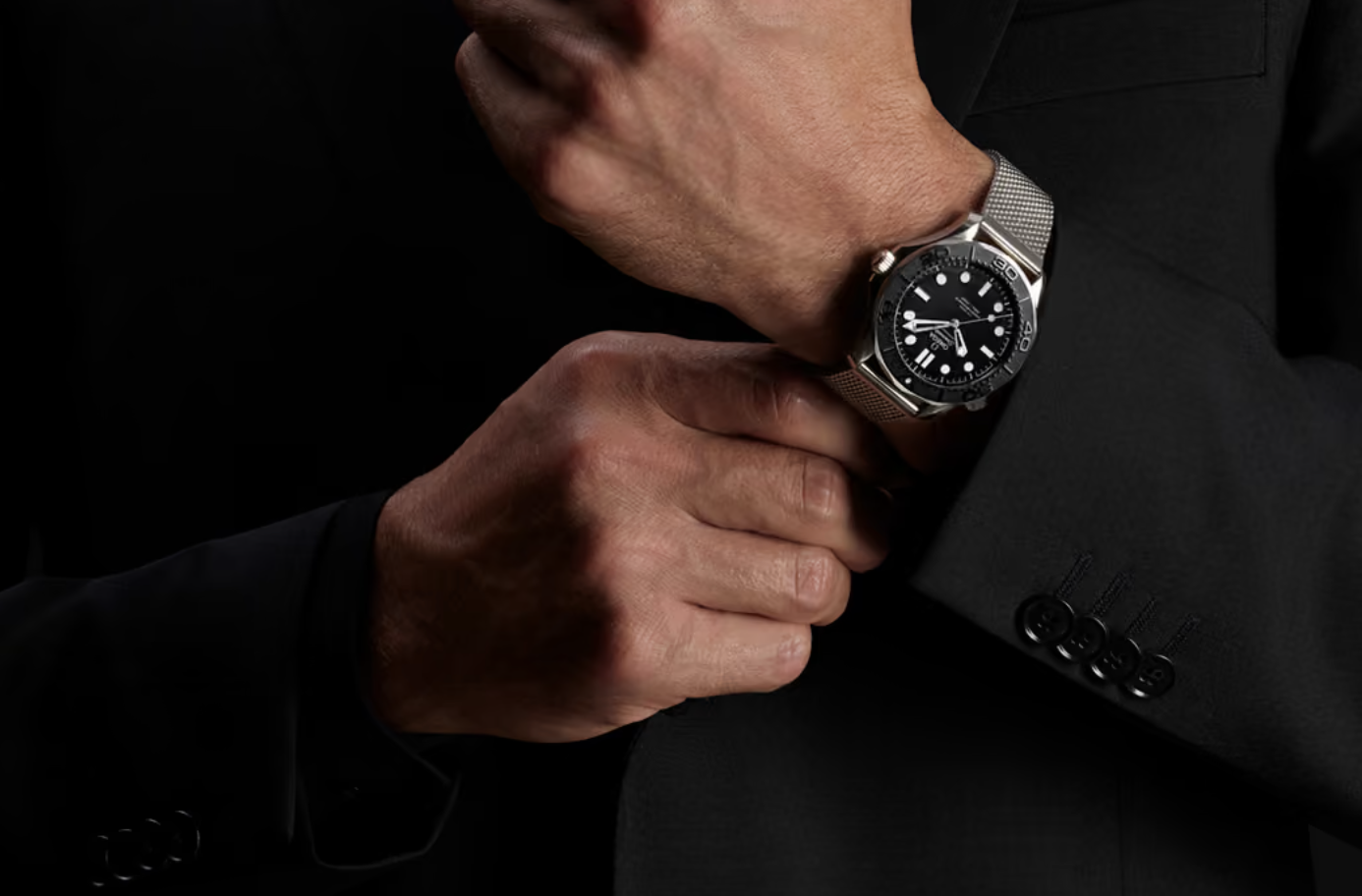
Rolex watches are a demonstration of luxury. From an elegant Datejust to an athletic submariner, and an elegant Daytona, proper care for them is a must. To take good care of your Rolex, you have to know how to correctly wind your watch. The following is a breakdown of literally everything you need to know, from its unique movement right down to a step-by-step guide on how one can safely wind their Rolex watch.
Why Winding a Rolex is Essential
Winding a Rolex is essential to ensure its accuracy and quality performance. While most Rolex watches have automatic movements powered by wrist motion, they rely on manual winding to start functioning after periods of inactivity. Proper winding keeps the watch’s mainspring charged. Maintaining consistent timekeeping and preventing mechanical issues. It’s also a simple step to protect your investment. Well-preserved Role holds their value and efficiency for many years. Winding it regularly helps keep this precision machinery ticking.

Photo Source: www.1010boutique.co.uk
Understanding Rolex Movements
Rolex has two movements: Most modern watches have automatic movements powered by natural motion from the wearer’s wrist. These movements use a rotor spinning to wind the mainspring, which stores energy to keep the watch running. These movements require regular hand-winding, an important part of the watch’s character; they feature in vintage or very rare pieces. Mastering the mechanics is important to care for them well.
When Does a Rolex Need Winding?
A Rolex needs winding when it has been inactive for a long period, usually exceeding 48 hours. While the movement of a person’s wrist powers an automatic Rolex, if not worn often enough, the energy stored in the mainspring diminishes and eventually causes the watch to stop. Also, after a period of inactivity, it is important to manually wind either the time or date setting. Regular winding keeps the watch running smoothly and on time while not putting extra wear on internal mechanisms.
Preparation Before Winding
Always wind a Rolex in a clean dry, stable environment to avoid an instance of an accident. Ensure that your hands are free of oils or dirt as they might be transferred on the watch. Also, avoid violent handling of the timepiece, always holding it over a soft surface, like cloth or cushions. Be conversant with the position and function of the crown, which controls winding, time setting, and date setting. Proper preparation is carried out to ensure safety during winding.
Tips to Avoid Damage
Gently handle the crown when winding your Rolex and avoid excessive force, as that may cause damage. Make sure the watch is dry and doesn’t have dirt or any other kind of debris that may enter into the crown tube. Never overwind the watch. The movement in a Rolex contains over-winding protection. Always hold securely and avoid dropping. Screw the crown back in perfectly every time after winding for water resistance. Proper care preserves the functionality and longevity of your Rolex.

How to Unscrew the Crown Properly
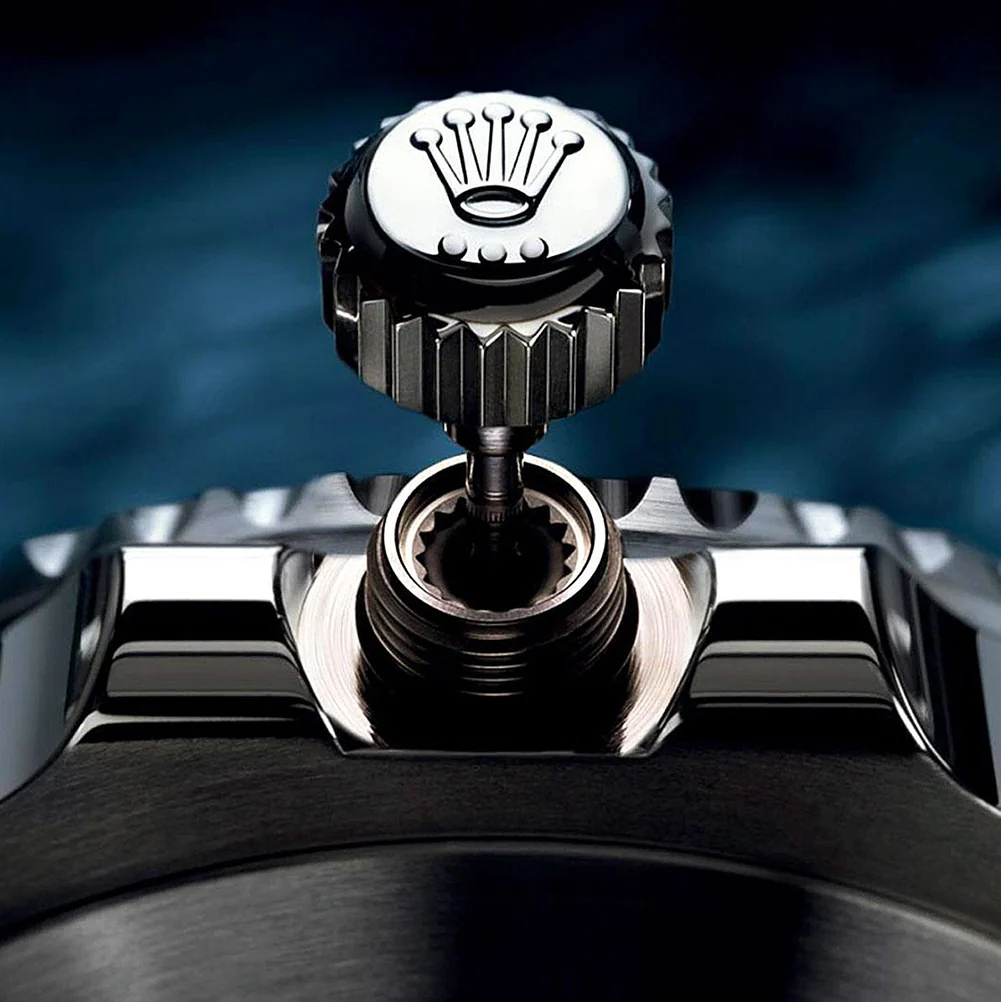
To unscrew the crown of your Rolex correctly, hold the watch firmly and locate the crown on the side of the case. Then, turn the crown counterclockwise until it frees itself from its locked position and pops out. Never use aggressive force, which can damage the threads. In this position, the unanswered crown is ready for winding or adjustment. Always make smooth, controlled movements to avoid compromising the integrity of the watch’s water-resistant seal.
Manual Winding Process
First of all, start by fully unscrewing your Rolex crown by turning the crown to neutral. With this position, your watch is held safely, move the crown clockwise with a gentle and soft touch by using the top of your thumb and your index finger. Based on different model series, rotating the crown about 20-40 turns fully wind it. Move clockwise; never turn counterclockwise since it makes no change. Screw the crown back carefully.

Photo Source: www.medium.com

Photo Source: www.calibercorner.com
Automatic Winding Process
A Rolex is powered by natural wrist movements with the help of its automatic winding process. Every time an arm moves, it makes the rotor inside the case move, winding the mainspring to generate power. If worn continuously, it remains wound to keep the watch running without any interference. If not worn for more than 48 hours, it may stop, and then it needs to be winded manually. A constantly moving wrist keeps the time correct and maintains the power reserve of the watch.
Setting the Time and Date
To set the time and date you need to unscrew the crown and then pull this out to the second position. In this position, the time is usually adjusted. The crown should be moved clockwise or counterclockwise to set the proper time. The hand would also move accordingly in a continuous manner. For date adjustment, pull the crown to the first position, then rotate it clockwise to change the date. Do not change the date between 8 pm and 4 am to prevent any kind of damage from affecting the movement. Set, then screw the crown back for water resistance.

Securing Crown after Winding
After having wound your Rolex, the crown needs to go back on and screwed in for waterproofing. Lightly turn the crown clockwise with light tension until it clicks fully into its locked position. Make sure the crown is pushed against the case because an ill-screwed-in crown may expose the inside watch to dust or moisture. Always check that the crown is well screwed in before wearing the watch.
Winding a Vintage Rolex VS. Modern
It may be a bit more cumbersome to wind a vintage Rolex. The parts in a vintage Rolex may be more delicate. The older models may take more turns to fully wind than newer models. Most of the new Rolex watches have automatic movements, which require winding less frequently. Also, make sure to check your power reserve and follow winding instructions for each model to preserve functionality.

Can Over Winding Damage a Rolex?
Each Rolex watch features a patented mechanism that does not allow it to be overwound. This means it always protects the movement. The mechanism will disconnect after it is fully wound so no more tension can be applied.
The Importance of Regular Care
Regular care will prolong the life and maintain the operational qualities of your Rolex. Regular winding will keep your watch running. Proper maintenance includes cleaning the case and sewing the crown to protect it from dirt, moisture, and damage. Professional servicing maintains the movement in the best condition. Consistent care preserves your Rolex in value, protects its craftsmanship, and ensures it will be performing at its best for years to come.
Final thoughts
knowledge about the watch mechanism. Regular winding with good care and maintenance will keep your Rolex working correctly and protect the craftsmanship of the watch. After all, a Rolex isn’t just a watch; it’s an investment in accuracy and style. And once you give it the attention it deserves, you can enjoy its performance for years.
Enjoying our watch coverage? Get more of it in Google Search.